The Truth About Ceramic Coating Hydrophobic Properties: What to Expect Long-Term
If you have ever noticed how water beads up and rolls off a freshly washed car, you are witnessing hydrophobic technology in action. Ceramic coatings take this effect to a whole new level, turning your vehicle's paint into a surface that actively resists water, dirt, and grime. This article explores how these water-repelling properties work, why they matter for long-term car care, and what you can do to keep that slick finish shining season after season.
Ceramic coatings create a durable, hydrophobic layer by chemically bonding with your vehicle's factory paint, causing water and dirt to bead up and roll off easily. To ensure these properties last long term, proper vehicle preparation before application is essential, along with regular maintenance using manufacturer-recommended cleaners and ceramic-specific sprays.
Understanding Ceramic Coating Hydrophobic Properties
Hydrophobicity is simply a surface's ability to repel water. Ceramic coatings elevate this natural effect by chemically bonding with your vehicle's factory paint, creating a thin yet incredibly tough layer, typically one to three microns thick, that fundamentally changes how water interacts with the surface. Instead of spreading out and clinging like it would on untreated paint, water droplets bead up tightly and slide off with remarkable ease.
These coatings maintain high water contact angles between 100 degrees and 120 degrees, significantly higher than the 70 to 90 degree angle seen on uncoated surfaces. What does this mean practically? On a regular car, water forms flat puddles that linger and cause streaks and mineral deposits known as water spots. On a ceramic-coated vehicle, those droplets remain rounded and fall away quickly, taking dirt and grime along with them.
This self-cleaning effect keeps your paint looking fresh while reducing the frequency of heavy washes, saving you valuable time and effort.
Beyond water repellency, ceramic coatings reduce water adhesion force by up to 50 percent, meaning fewer contaminants can stick and etch into your surface. This is especially crucial because contaminants like bird droppings and road salts are chemically aggressive and can degrade paint if left unattended. The hydrophobic barrier also shields against UV exposure, with quality coatings blocking up to 99 percent of harmful rays. Data shows that ceramic-coated vehicles experience 60 to 70 percent fewer visible water spots compared to waxed counterparts.
The Science Behind Hydrophobicity
Unlike traditional waxes that simply sit atop the surface, ceramic coatings fuse chemically with paint through molecular bonding. This bond forms an ultra-thin shield composed primarily of silicon dioxide or titanium dioxide, materials renowned for their hardness and low porosity. These tightly packed compounds create a barrier that water molecules find difficult to penetrate or cling to.
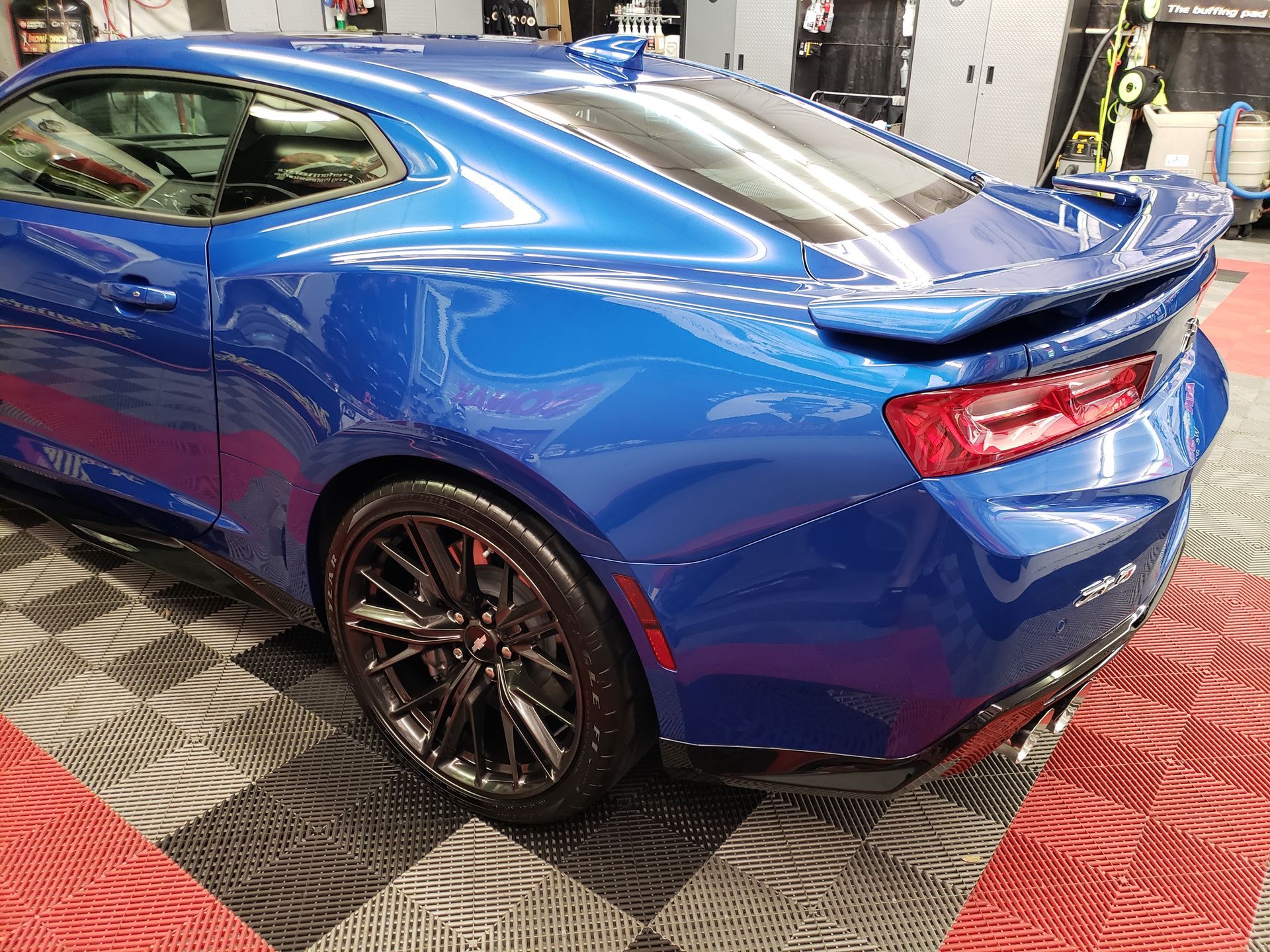
Think of traditional wax as placing a thin plastic sheet over your paint: protective, but easy to peel off or wear down quickly. Ceramic coating transforms the surface itself into something naturally resistant to moisture, becoming part of the paint and granting your vehicle unprecedented durability against environmental challenges.
The contact angle, which measures how much a water droplet balls up on a surface, dramatically increases with ceramic coatings. While untreated paint allows water to spread at 70 to 90 degree angles, properly applied ceramic coatings push this beyond 110 degrees, sometimes reaching 120 degrees or more. Higher contact angles reduce adhesion force by 50 to 70 percent, translating to fewer water spots and enhanced self-cleaning effects.
Long Term Ceramic Coating Performance
One standout benefit of ceramic coatings is their impressive longevity compared to traditional waxes and sealants. While wax might last a few weeks before needing reapplication, ceramic coatings hold fast for months or even years. This extended protection depends on two key factors:
Composition: Higher-quality products contain greater concentrations of silicon dioxide and advanced additives, creating tougher shields against UV rays, acid rain, bird droppings, and road salt.
Application Quality: Professional-grade coatings require thorough surface preparation, including washing, claying, and polishing, before the coating can chemically bond properly to the clear coat.
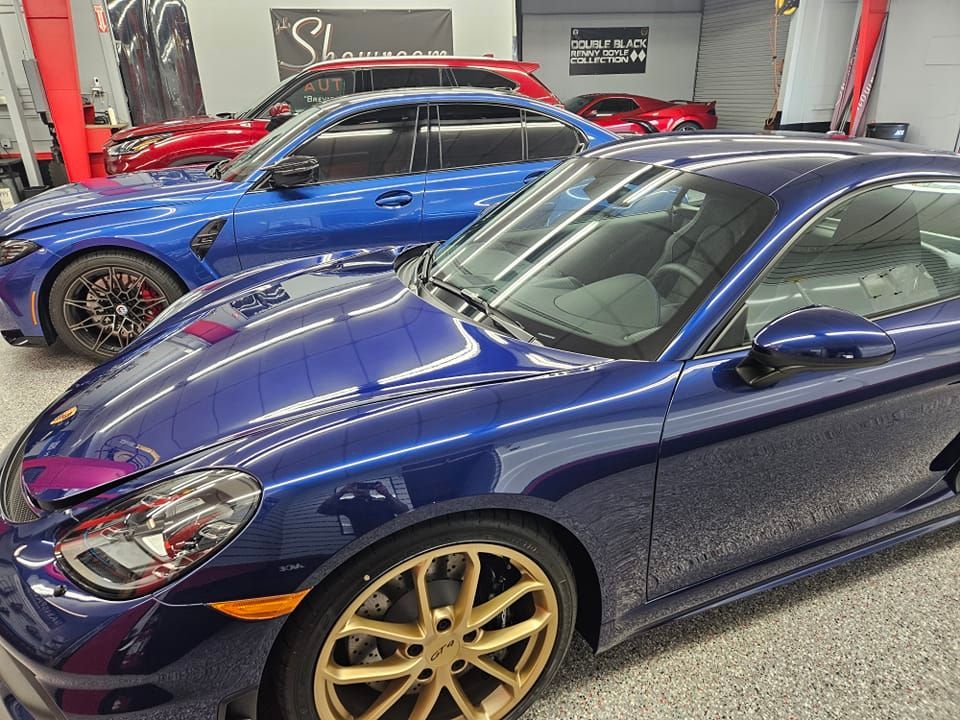
When applied by trained technicians at JL's Showroom Auto Salon, ceramic coatings typically last 2 to 5 years, depending on climate and maintenance habits. Some advanced professional-grade products boast durability up to 10 years with proper care.
Real-World Benefits of Ceramic Coating in Everyday Driving
Picture driving on a rainy morning behind a truck kicking up mud and grime. For most cars, this means a splattered mess by journey's end. With a ceramic coating's hydrophobic layer, water does not cling; it beads and rolls away, carrying dirt along with it. This significantly reduces how often you need to wash your vehicle.
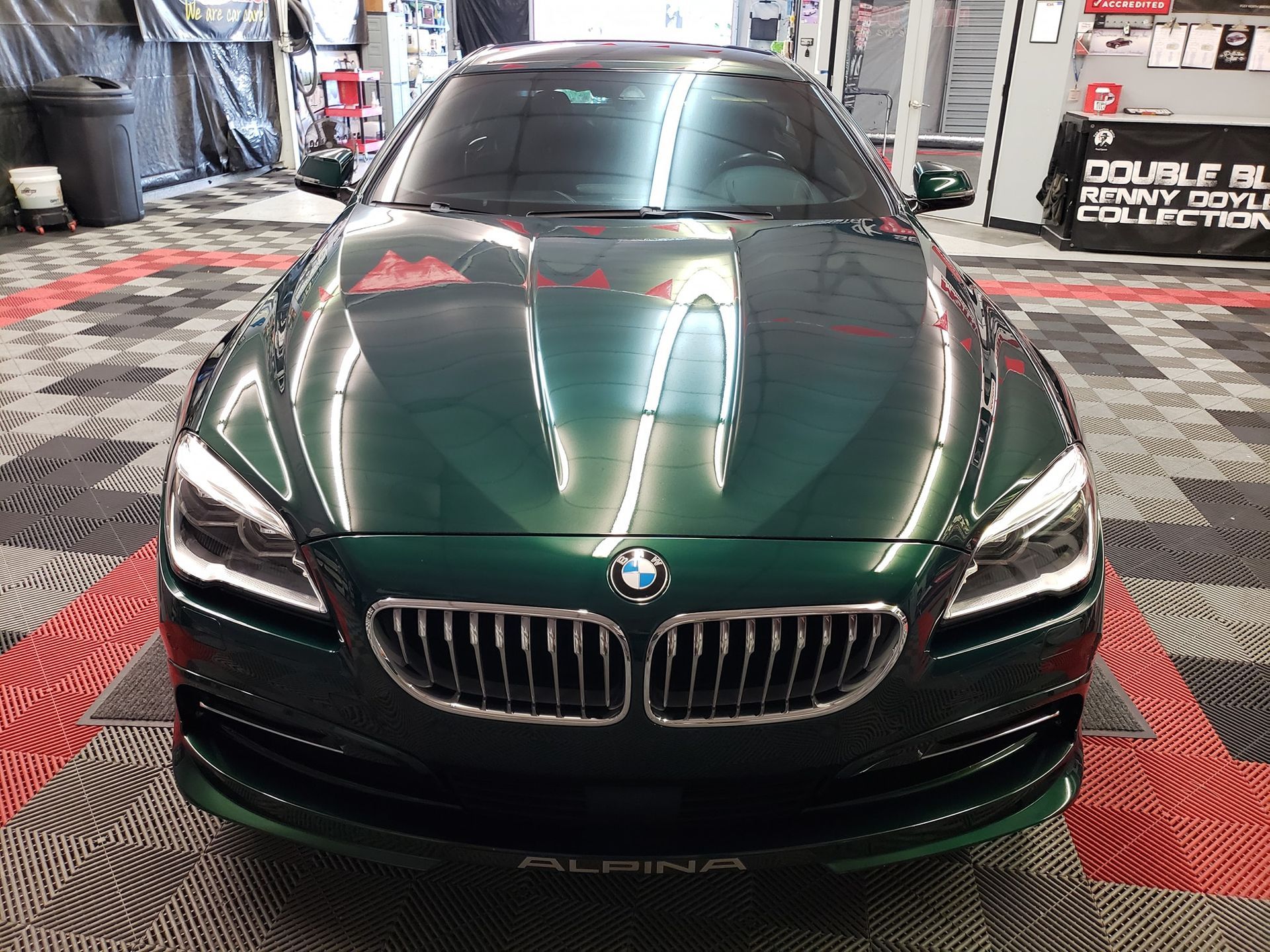
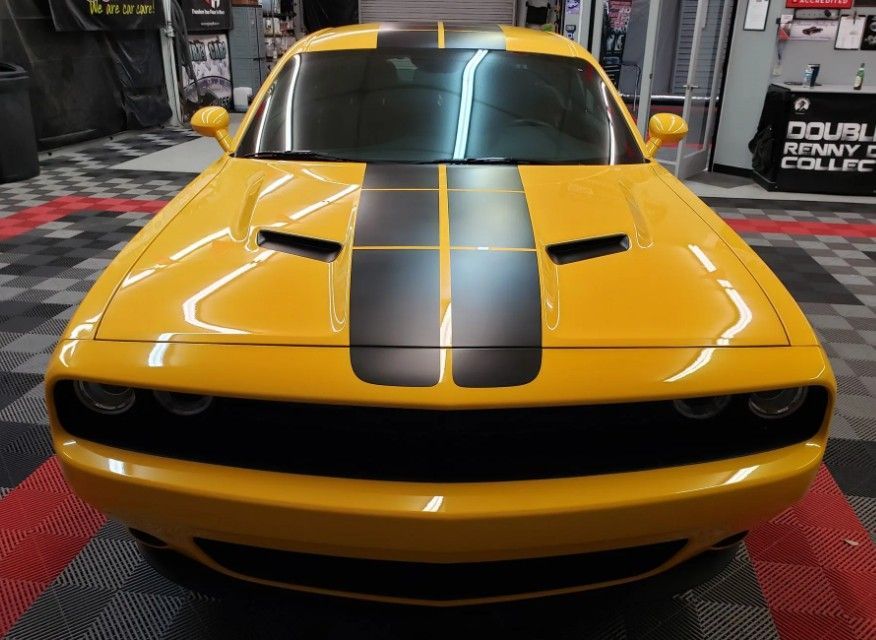
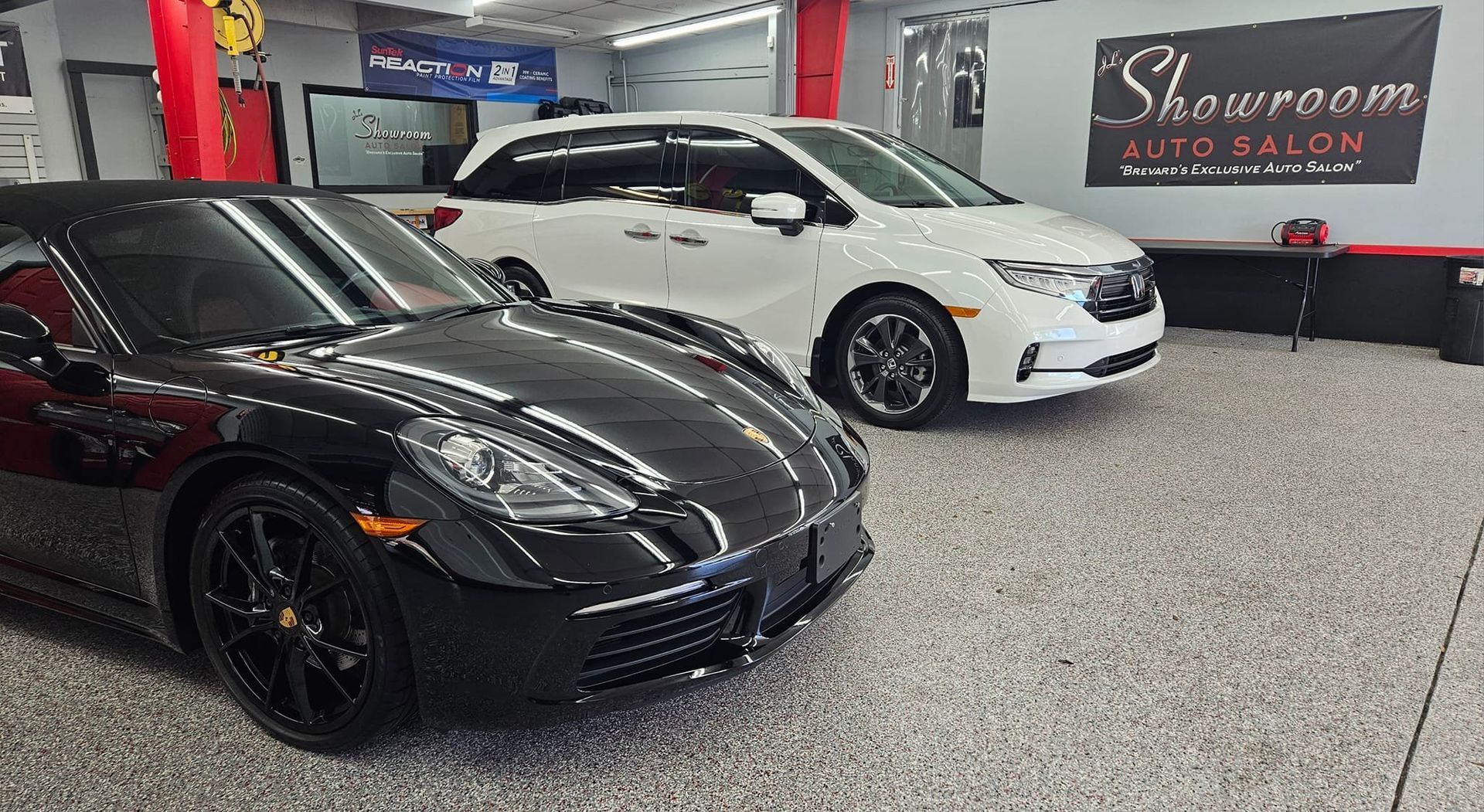
Daily grime from pollen, dust, bug splatter, and road salts has less chance to cement itself into the paint or glass. For luxury car owners or anyone serious about maintaining that showroom shine, the difference is immediately noticeable. Your car maintains its gloss longer without the constant scrubbing that traditional waxes demand.
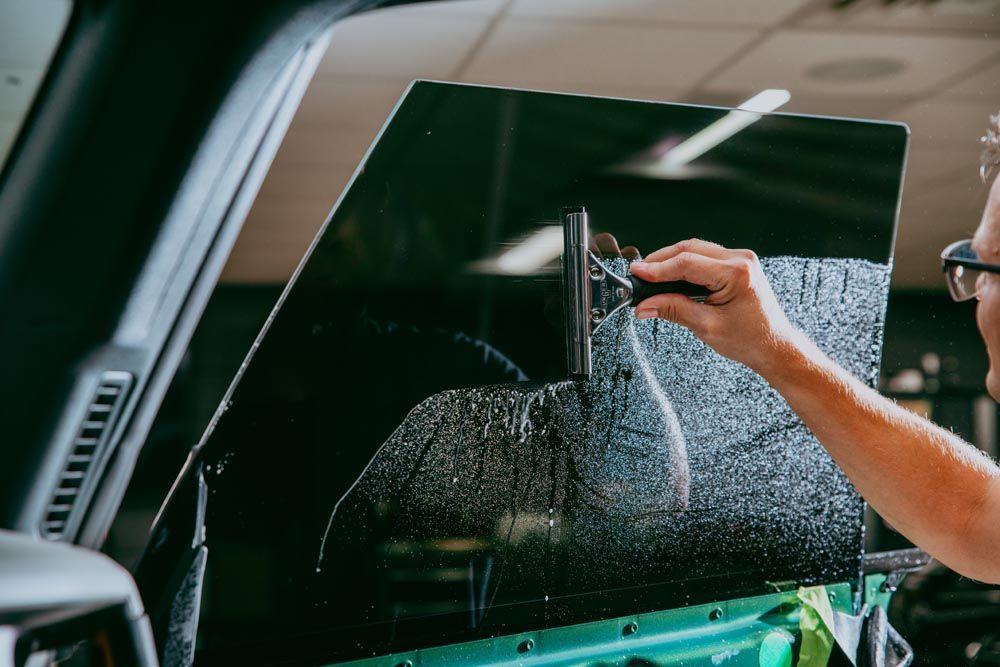
Safety benefits matter equally. Hydrophobic coatings on windows create clearer visibility in adverse weather. Rain beads up and flows off quicker than untreated surfaces, improving driver vision during downpours. The coating also resists chemical stains from bird droppings and tree sap, minimizing etching on critical surfaces.
How Ceramic Coating Is Applied for Maximum Hydrophobic Performance
Proper application begins with thorough surface preparation. Washing and decontaminating your car removes dirt, grease, and microscopic particles. Using a clay bar afterward pulls out embedded contaminants that normal washing misses, creating a perfectly smooth surface for optimal bonding.
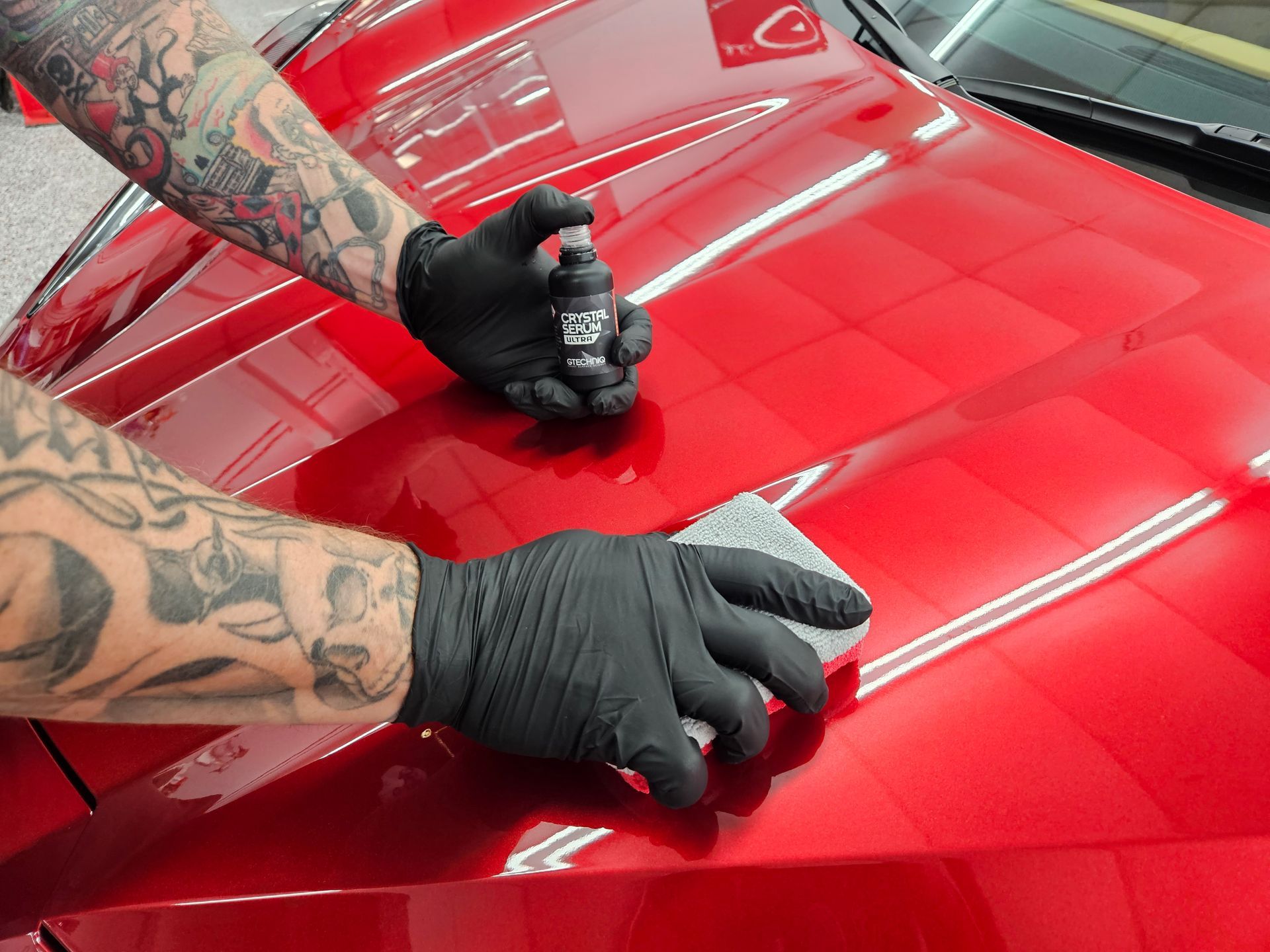
Application requires precision: apply a few drops of liquid polymer onto an applicator pad, work in small sections for even coverage, and wait for the coating to flash before buffing off excess with a clean microfiber towel. Rushing or skipping steps leads to uneven protection.
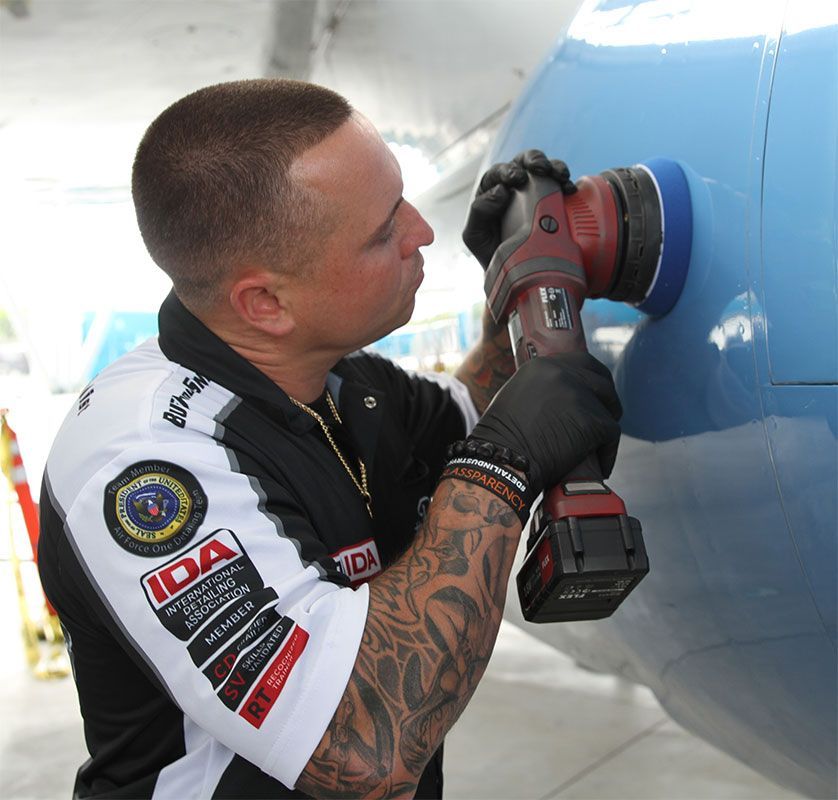
Curing is critical. The coating must stay dry and contaminant-free for at least 24 hours. Full chemical curing takes weeks to reach maximum strength, gradually enhancing hydrophobicity and UV resistance. This professional approach, practiced by technicians at JL's Showroom Auto Salon, ensures that flawless mirror-like finish and durable protection.
How to Maintain Ceramic Coating Hydrophobic Properties Long-Term
The true beauty of a ceramic coating lies in its ability to repel water effortlessly, but this requires proper maintenance. Regular washing with pH-balanced car shampoo cleanses without stripping the protective layer. Many conventional soaps are too harsh, breaking down the coating prematurely.
Ceramic boosters are your secret weapon. These specially designed sprays infuse fresh hydrophobic compounds back into your existing ceramic layer. Applied every few months after washing, they can increase hydrophobicity by up to 30 percent, making water and dirt removal even easier while preventing contaminants from bonding to your paint.
At JL's Showroom Auto Salon, we advise clients that preserving their vehicle's appearance protects their investment from road debris, UV damage, and environmental fallout.
Ceramic Coating vs Wax vs Paint Protection Film
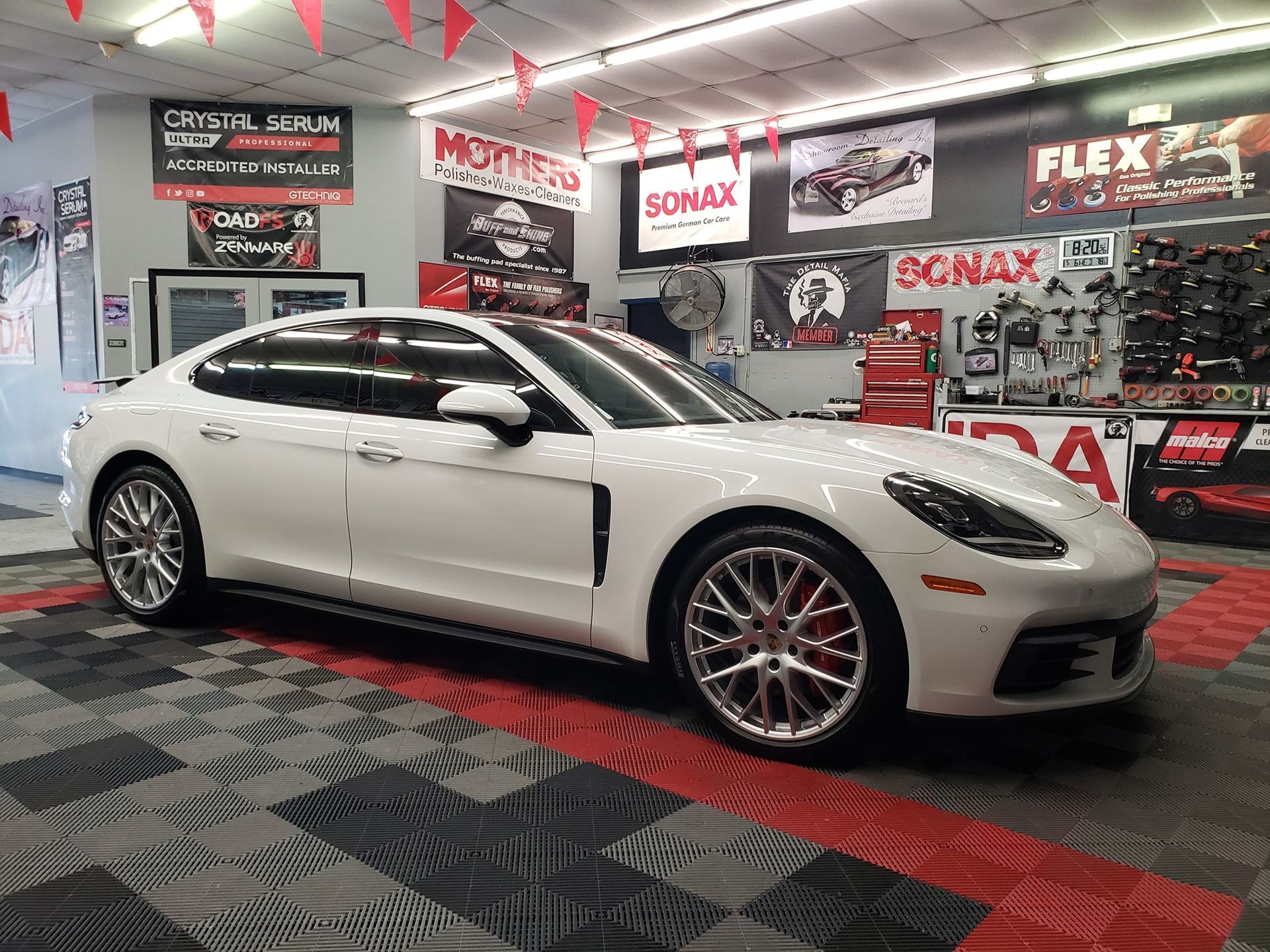
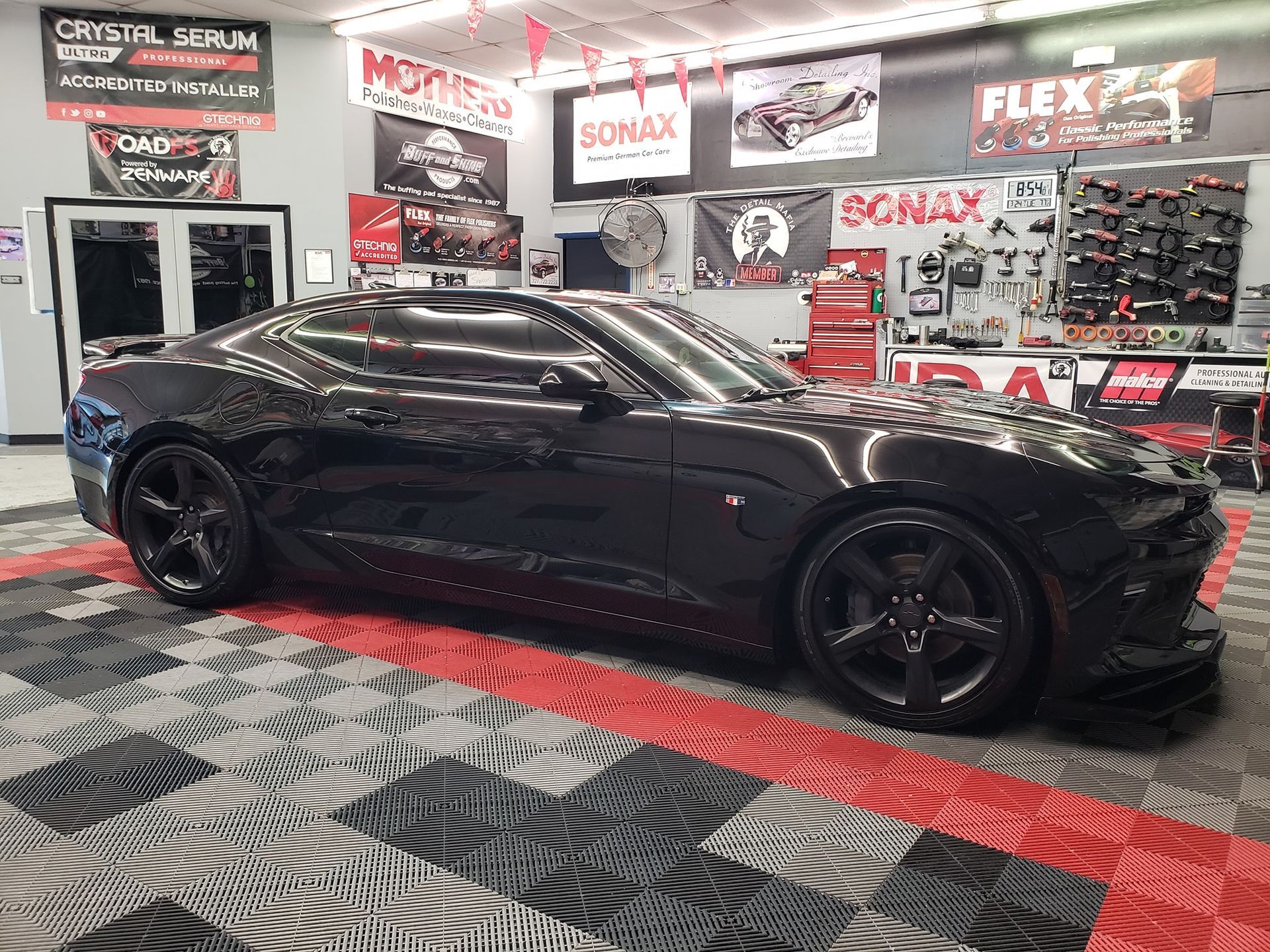
Wax has been a car care staple for decades, but its durability is limited to a few months as wax molecules sit atop the paint and gradually wear off. Ceramic coatings chemically bond through silicon dioxide polymers, creating a stronger shield lasting years with far superior ceramic coating water repellent property.
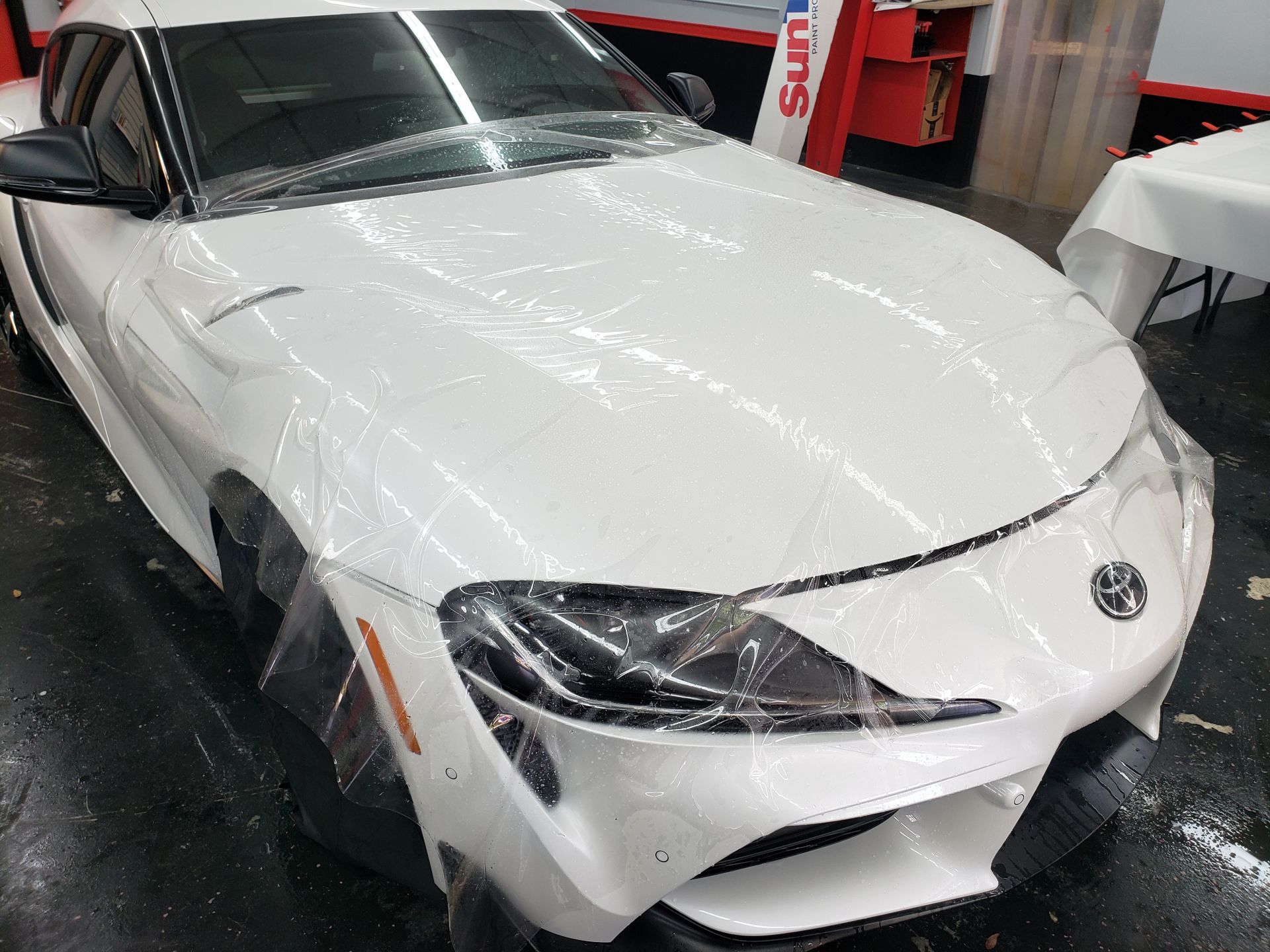
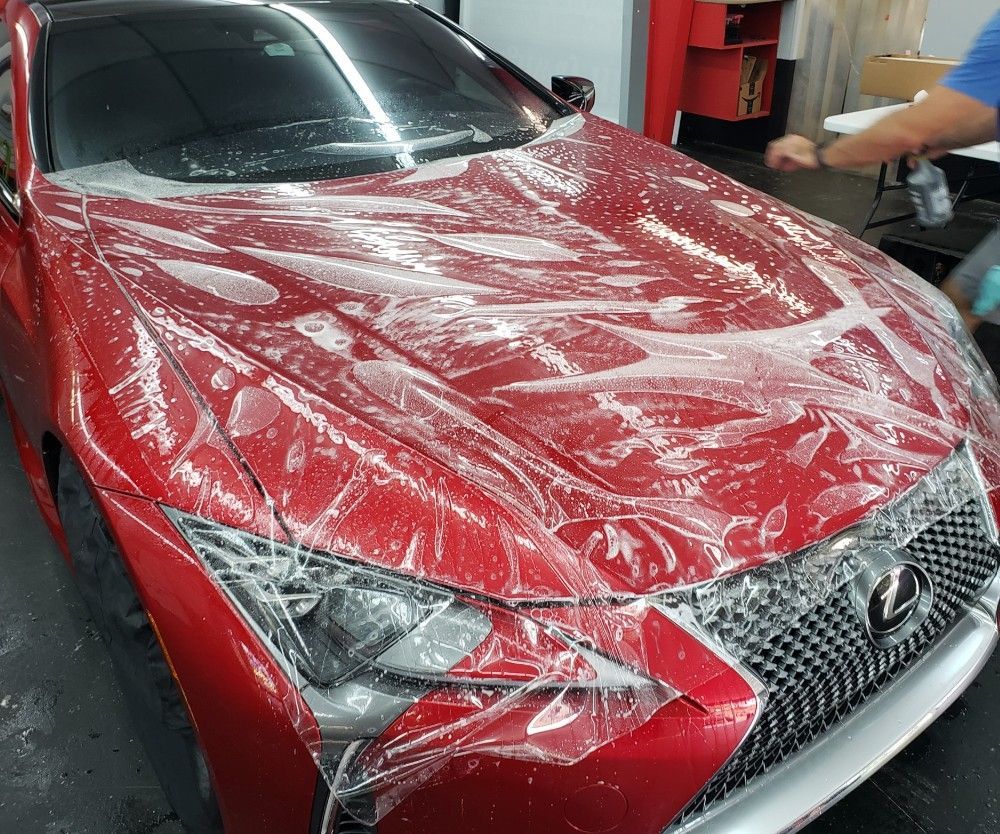
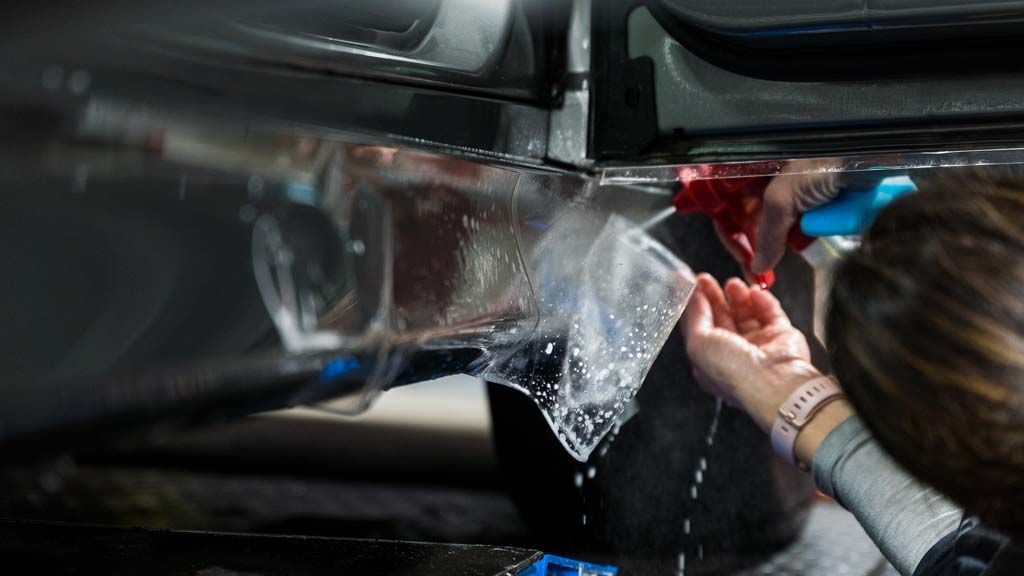
Paint protection film, or PPF, serves a different purpose. Applied as a physical urethane barrier, PPF shields against rocks and impacts more effectively than liquid coatings. While ceramic coatings excel at chemical resistance, PPF's strength lies in absorbing physical wear. Many enthusiasts combine both: applying ceramic coating over PPF creates comprehensive defense where one layer guards against chips while the other repels grime effortlessly.
Ready to Experience Long-Lasting Hydrophobic Protection?
Ceramic coating is more than a visual upgrade. It is a long-term investment in protecting your vehicle from water spots, UV damage, road grime, and environmental contaminants. When applied correctly and maintained properly, it keeps your car cleaner, glossier, and easier to care for year after year.
At JL's Showroom Auto Salon, our trained technicians use premium car ceramic coating and meticulous preparation techniques to ensure maximum hydrophobic performance and durability. Every application is tailored to your vehicle and driving conditions.
Call (321)-723-6976 or contact JL's Showroom Auto Salon today to schedule your consultation online and protect your vehicle with confidence.
Frequently Asked Questions About Ceramic Coating Hydrophobic Properties
How long does the hydrophobic effect of ceramic coating last?
When professionally applied and properly maintained, ceramic coating hydrophobic properties can last anywhere from two to five years. Premium coatings may last even longer with routine care and periodic ceramic booster applications.
Does ceramic coating eliminate the need to wash your car?
No, but it significantly reduces how often you need to wash. The hydrophobic surface repels water and dirt, allowing contaminants to slide off more easily during rain or light rinsing.
Why does my ceramic coating seem less hydrophobic over time?
Loss of hydrophobic performance is often caused by contamination buildup, improper washing methods, or harsh chemicals. A deep decontamination wash and ceramic booster spray can usually restore performance.
Can ceramic coating prevent water spots completely?
Ceramic coatings greatly reduce water spots but do not eliminate them entirely. Hard water minerals can still leave residue if water is allowed to dry on the surface, especially in direct sunlight.
Is ceramic coating safe for all vehicle surfaces?
Yes, ceramic coatings can be safely applied to paint, glass, wheels, trim, and plastic surfaces when the correct product is used. Professional installers select surface-specific coatings for best results.
Does ceramic coating protect against scratches and swirl marks?
Ceramic coatings add a sacrificial layer that helps resist light swirl marks and chemical damage, but they do not make paint scratch-proof. For impact protection, paint protection film is recommended.
Can ceramic coating be applied over paint protection film?
Yes, ceramic coating can be applied over PPF to enhance gloss, hydrophobicity, and ease of cleaning while the film protects against rock chips and physical damage.