Ceramic Tint vs Carbon Tint vs Dyed Tint: Which Is Right for You?
Choosing the right window tint for your car is about more than aesthetics. It's about keeping you comfortable, staying safe, and protecting your vehicle's interior from sun damage. With ceramic, carbon, and dyed tints available, understanding their differences in heat blocking, UV protection, and durability will help you make an informed decision that fits your needs and budget.
Key Takeaway: Ceramic tint is the best overall choice due to its superior heat rejection, up to 99% UV protection, and long-lasting durability with minimal fading. Carbon tint offers strong UV protection and a natural matte finish at a lower cost. Dyed tint is the least recommended because it fades quickly and provides less heat and UV protection.
Ceramic vs Carbon vs Dyed Window Tint Explained
When deciding on a tint for your vehicle, the distinctions among ceramic, carbon, and dyed films go far beyond color or price tags. Ceramic tint stands out for its superior UV protection, blocking up to 99% of harmful rays, and impressive heat rejection. This makes it particularly valuable if you live in a warm climate or want to avoid scorching seats after parking in the sun. Ceramic films offer a subtle bluish hue that looks modern and high-tech without sacrificing night visibility. The durability is unmatched, with many shops offering lifetime warranties because these films resist fading, bubbling, and scratching for years.
Carbon tint offers a balanced alternative with solid performance and style. It blocks around 97% of UV rays and provides good heat reduction, though not as dramatically as ceramic. Many car owners appreciate its deep matte black finish, which lacks the bluish shimmer of ceramic and harmonizes well with darker interiors. Carbon tint holds up well over time but may require more care to avoid scratches or minor wear.
Tint Comparison
Dyed tints are often chosen for cost reasons but come with significant compromises. Their UV blocking varies widely and usually falls short of ceramic and carbon options. They also struggle with heat reduction and can become ineffective over time as exposure causes fading and discoloration, sometimes turning purple or blue. This makes them less suited for drivers seeking long-term reliability or premium aesthetics.
Why Ceramic Window Tint Offers the Best UV and Heat Protection
Ceramic window tints excel at blocking harmful ultraviolet (UV) and infrared (IR) radiation. These advanced films can block up to 99.9% of UVA and UVB rays, a remarkable feat that far surpasses other tint types. This protection extends beyond your car's interior. It shields you and your passengers from premature aging and increased skin cancer risk. According to the Skin Cancer Foundation, consistent UV protection makes a significant difference in health outcomes.
Beyond UV blocking, ceramic tints reject between 40% to 60% of infrared radiation, the primary cause of heat buildup in vehicles on sunny days. This can keep your car's interior up to 30°F (nearly 17°C) cooler compared to untinted windows or less effective films. For drivers who detest that scorching moment when they first enter their cars in summer, this advantage alone is worth considering. The thermal barrier also reduces reliance on air conditioning, improving fuel efficiency and reducing emissions.
Unlike metallic films that interfere with cell phone signals or GPS, ceramic tint uses nano-ceramic technology. Microscopic ceramic particles embedded in the film absorb and reflect heat without compromising signal strength or visibility.
How Carbon Window Tint Reduces Heat and Improves Comfort
Carbon window tints use embedded carbon particles to block a significant portion of infrared radiation, the invisible heat waves from sunlight. On average, carbon tints reduce solar heat by 30-50%, translating to a 10-15 degree Fahrenheit drop inside your vehicle under direct sun exposure. This improves comfort for drivers and passengers while reducing strain on your air conditioning system, potentially saving fuel and reducing wear on cooling components.
While carbon tints may not match ceramic's extreme heat rejection (which can block up to 80% of infrared heat), they strike a practical balance between performance, price, and aesthetics. Many users appreciate the sleek, natural dark look without the reflective sheen or blue undertone found in ceramic variants. Because carbon films contain no metal, they avoid interference with cell signals or GPS systems, a common concern for some car owners.
Selecting reputable brands like SunTek Carbon ensures consistent performance and durability. In addition to heat management benefits, these tints typically block up to 99% of harmful ultraviolet rays, protecting your skin and preserving your car's interior from fading and cracking.
Dyed Window Tint Pros, Cons, and Long-Term Limitations
Dyed tints appeal to drivers seeking an affordable way to enhance their vehicle's appearance. They provide a deep, uniform dark shade that can make older or less stylish cars look sleek and polished almost instantly. This richness in color is one of dyed tint's most attractive features, especially for those preferring a consistent matte black finish without reflective sheen. The upfront cost is lower compared to ceramic or carbon options, making them attractive for budget-conscious buyers or first-time tint purchasers.
However, dyed films fall short in durability and function. The dye particles absorb heat rather than reflect it, making them less effective at reducing interior temperatures on hot days. UV protection is modest, typically blocking just 35% to 50%, compared to ceramic's near-99% blockage. This is a significant difference for long-term skin health and preserving your car's interior.
Another downside is the inevitable fading. Within three to five years, dyed tints often shift into unwanted purple or lilac hues. This deterioration impacts both aesthetics and the film's effectiveness as a barrier against light and heat. Dyed tints also have lower scratch resistance compared to ceramic and carbon counterparts, increasing the likelihood of peeling or bubbling.
Visibility, Appearance, and Style Differences Between Tint Types
The color and transparency of window tint directly influence your driving experience and vehicle's overall style. When selecting between ceramic, carbon, or dyed tints, consider how each affects what you see through your windows and how others perceive your car.
Ceramic Tint delivers exceptional clarity while subtly imparting a bluish hue. This aesthetic complements lighter-colored vehicles well, though some owners with black or dark cars find the blue undertone clashes with their vehicle's color scheme.
Carbon Tint stays true to a natural matte black tone that ages gracefully because carbon films resist fading better than dyed options. The matte finish reduces glare without creating reflective surfaces, providing excellent nighttime visibility, a critical factor for safety.
Dyed Tint offers the widest variety of initial color depths, appealing for privacy or stylistic reasons. However, it tends to fade and discolor within a few years, often resulting in unsightly purple hues that degrade the car's aesthetic value substantially.
Window Tint Material Quality and Professional Installation Tips
The durability and performance of window tint start with material quality. High-quality films, especially ceramic options, contain nano-ceramic particles that block up to 99% of UV rays and significantly reduce infrared heat. Premium films are thicker (1.5 to 2 mils), contributing to resistance against bubbling, peeling, and fading. Dyed tints use thinner layers (about 1 mil) with dye instead of advanced particles, making them prone to breakdown within a few years.
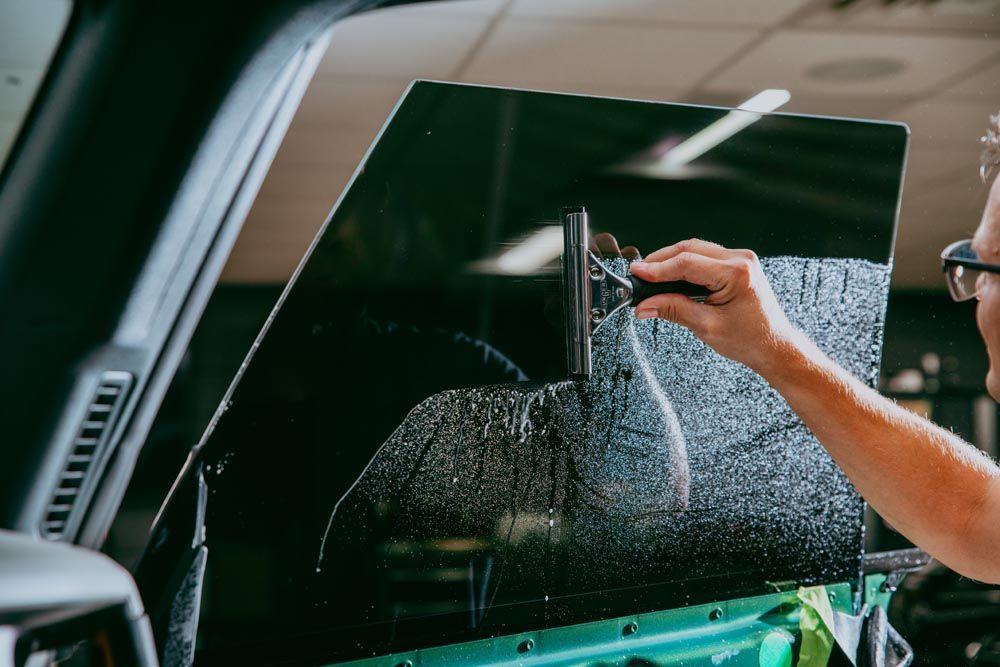
Professional installation is highly recommended when investing in quality tints. Even the best film won't perform well if applied poorly. Dust particles trapped underneath cause bubbles, and improper temperature during installation leads to premature peeling or hazing. Skilled technicians at reputable shops like JL's Showroom Auto Salon use proper tools and controlled environments to ensure flawless results with warranty protection.
For maintenance, use mild soap and soft cloths. Avoid ammonia-based cleaners, which degrade tint adhesives over time.
How to Choose the Best Window Tint for Your Car and Climate
Your choice depends on budget, climate, and aesthetic preferences. Ceramic tints like 3M Crystalline or XPEL XR Plus offer superior heat rejection and durability at premium prices. Carbon tints provide solid performance at mid-range prices, making them smart picks if initial cost is a concern. Dyed tints are cheapest upfront but sacrifice heat blocking and longevity.
Climate plays a pivotal role. For hot, sunny regions where infrared rays batter your car interior daily, ceramic films dominate due to exceptional infrared rejection (up to 97%), keeping your cabin noticeably cooler while preserving your dashboard and upholstery from fading. In cooler climates with less intense sun exposure, carbon or quality dyed films may suffice without the added expense.
Aesthetics matter equally for many drivers. Ceramic tints maintain brilliant clarity and resist discoloration over time better than carbon or dyed films, which can fade into purplish hues within a few years. This longevity often justifies the price premium when factoring in replacement costs.
Selecting the right car window tint is about more than style. It's an investment in comfort, safety, and long-term protection that pays off every mile you drive.
Ready to Choose the Right Window Tint for Your Car?
Not sure whether ceramic, carbon, or dyed window tint is the best fit for your vehicle, driving habits, or budget? A professional consultation can help you avoid costly mistakes and ensure you get the right level of heat rejection, UV protection, and long-term performance.
At JL's Showroom Auto Salon, our experienced tint specialists evaluate your vehicle, local climate, and visibility preferences to recommend the most effective window tint solution. We install premium-grade films with precision and back our work with trusted warranties for lasting results.
Call (321) 723-6976 today or contact JL's Showroom Auto Salon to schedule your consultation and drive more comfortably year-round.
Ceramic vs Carbon vs Dyed Tint FAQs
Which window tint offers the best durability?
Ceramic tint leads in durability, resisting fading, bubbling, and discoloration for up to 10 years. Its nano-ceramic particles withstand heat and UV rays better than alternatives. Carbon and dyed tints typically last 5-7 years and 2-3 years respectively.
How do these tints affect visibility and glare?
Ceramic tint provides superior clarity and glare reduction while blocking up to 99% of UV rays. Carbon tint offers solid visibility with a matte finish that reduces glare without reflective surfaces. Dyed tint, while cheaper, often sacrifices clarity and can cause more glare over time.
How does heat rejection compare?
Ceramic tint blocks 60-70% of infrared heat thanks to advanced nanotechnology particles. Carbon tint blocks 40-50%, absorbing rather than reflecting heat. Dyed tint blocks only 20-30% because it lacks reflective or absorptive technology. For maximum cooling, ceramic is the clear winner.
Is ceramic window tint worth the higher cost?
Yes, ceramic window tint is worth the investment for drivers who want maximum heat rejection, long-term durability, and superior UV protection. While the upfront cost is higher, ceramic tint lasts longer, resists fading, and delivers better interior comfort, making it more cost-effective over time.
Does window tint affect night driving visibility?
High-quality ceramic and carbon window tints maintain excellent clarity and do not significantly reduce night visibility when installed at legal VLT levels. Poor-quality or overly dark dyed tints are more likely to cause visibility issues after sunset.