How Ceramic Coating Performs on Vehicles Parked Outdoors in Florida
Parking your car outdoors in Florida means exposing it to relentless sun, rain, salt air, and heat. Fading, stains, and scratches can seem inevitable. But ceramic coating offers a smart solution that many Florida vehicle owners are discovering. This protective layer does more than make your car look shiny; it shields paint from the elements that cause long-term damage. Let's explore how ceramic coating stands up to Florida's unique challenges and why it might be exactly what your vehicle needs to stay looking its best.
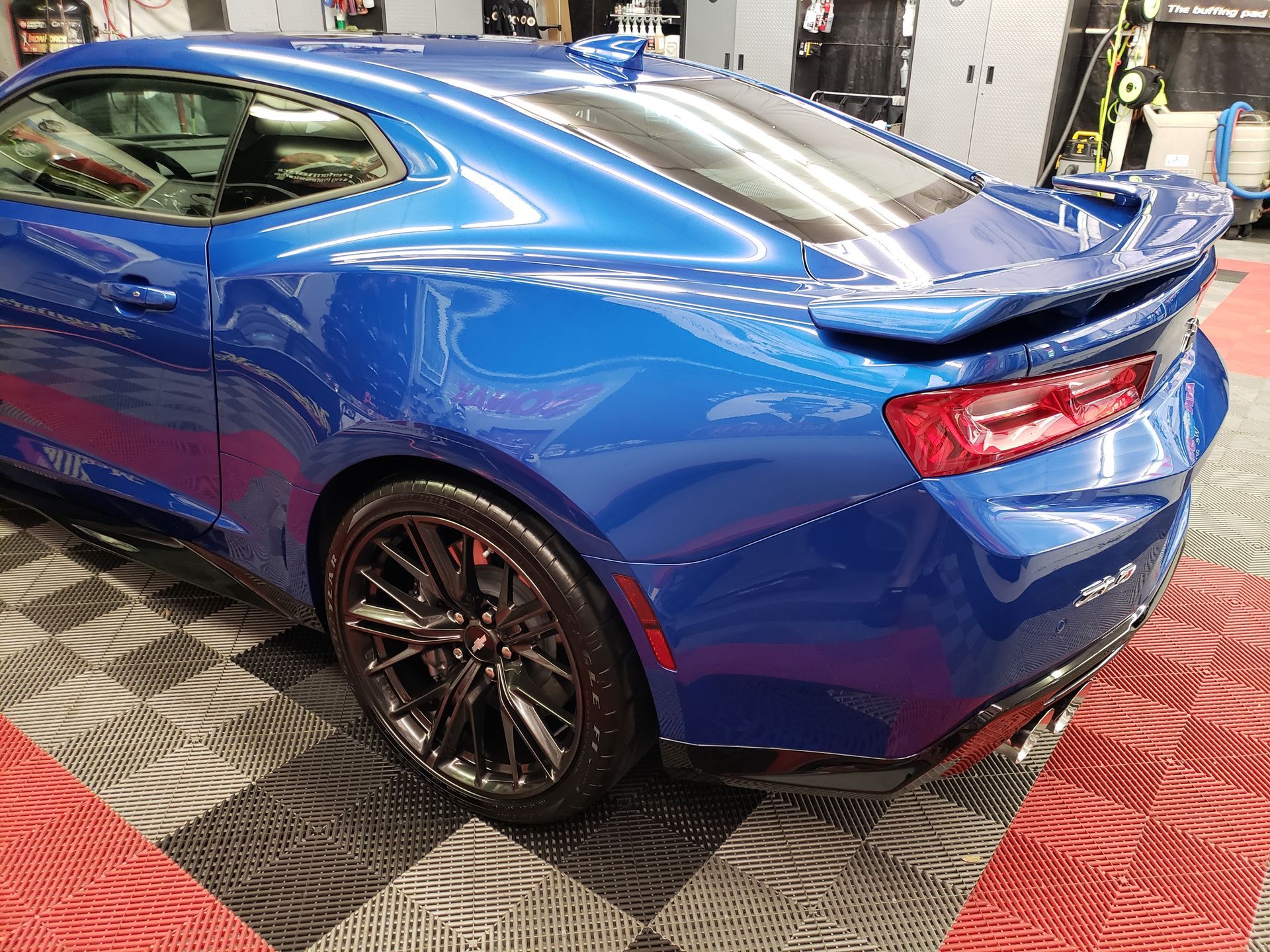
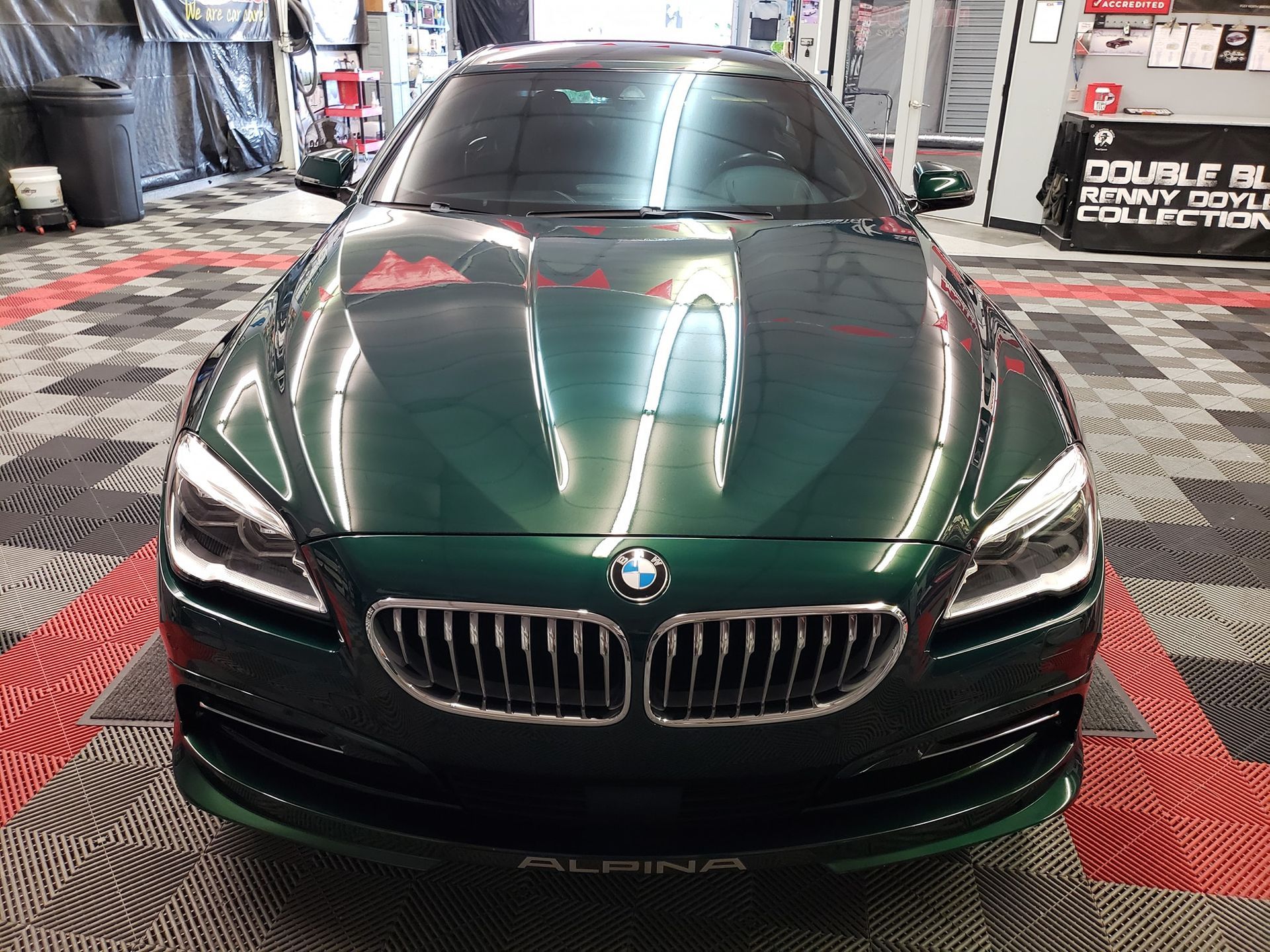
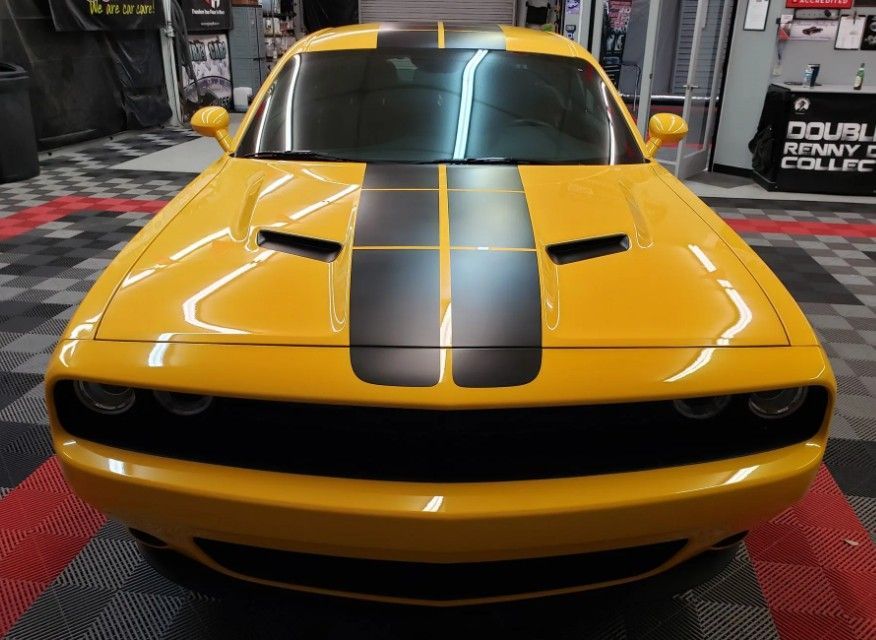
Ceramic coating provides excellent protection for vehicles parked outdoors in Florida by creating a durable, hydrophobic shield that resists harsh UV rays, salt air, and environmental contaminants. This results in enhanced paint longevity, reduced fading, easier cleaning, and superior shine even under the extreme weather conditions common throughout the Sunshine State.
The Impact of Florida Weather on Car Paint
The intense Florida sun delivers around 2,800 hours of strong UV rays annually, leading to paint oxidation where the surface breaks down and loses its vibrant color. The result is dullness, microscopic damage, and eventually severe fading and cracking that diminishes your vehicle's appearance and value.
High humidity compounds the problem, acting like a slow drip of moisture onto the paint. Combined with salt air near coastal areas, this accelerates corrosion and promotes rust formation beneath compromised paint layers. Florida's 50 to 60 inches of annual rainfall introduces additional challenges. When rainwater dries on your car, it leaves mineral deposits (commonly known as water spots) that etch into the paint if left untreated. Acid rain adds further damage by chemically reacting with the paint's surface.
Temperature fluctuations in areas like Miami and Tampa create additional stress on your vehicle's exterior. Your car cooling rapidly at night after baking all day causes expansion and contraction that promotes micro-cracks where contaminants settle and worsen damage over time.
In such harsh conditions, traditional waxing and washing simply aren't enough. Protective measures must be more sophisticated to withstand Florida's demanding climate.
Unlike conventional waxes that wear off quickly, ceramic coatings bond chemically with the paint surface to provide durable resistance against UV rays, moisture intrusion, and acidity from rainfall. Studies show ceramic coatings resist water spotting by creating a hydrophobic surface that repels moisture and prevents mineral buildup effectively.
Benefits of Ceramic Coating
Ceramic coatings serve as robust armor for your car's paint against the harsh realities of outdoor parking in Florida. This protective layer bonds chemically with the paint, creating a durable shield against UV rays, moisture, dirt, and pollutants. While wax sits on the surface temporarily, ceramic coating forms a semi-permanent bond that can last for years with proper maintenance.
One standout benefit is enhanced UV protection. The ceramic layer absorbs and deflects ultraviolet rays, acting like a fortress wall for your car's clear coat. Industry studies confirm this barrier can reduce oxidative damage by as much as 70%, meaning your vehicle retains its showroom shine longer. This advantage pays off visually and when it comes to maintaining resale value.
Beyond sun protection, ceramic coatings excel at repelling water through hydrophobic properties. Droplets bead up and roll away effortlessly, resulting in fewer water spots even after heavy downpours. Coated vehicles also show significantly less sticking of harmful contaminants such as bird droppings, tree sap, and acid rain residues that are notorious for damaging unprotected paint.
Vehicle owners consistently report that maintenance becomes markedly easier with ceramic coating. The slick surface causes dirt and grime to lift off with minimal effort during washing, sometimes just by rinsing with water alone. You won't need aggressive scrubbing, which reduces the risk of minor scratches caused by dust particles during cleaning.
The effectiveness of car ceramic coating depends on proper application and environmental factors. A professional installation like the expert service provided by JL's Showroom Auto Salon ensures the coating bonds properly for maximum durability and long-term benefit.
Performance in Extreme Conditions
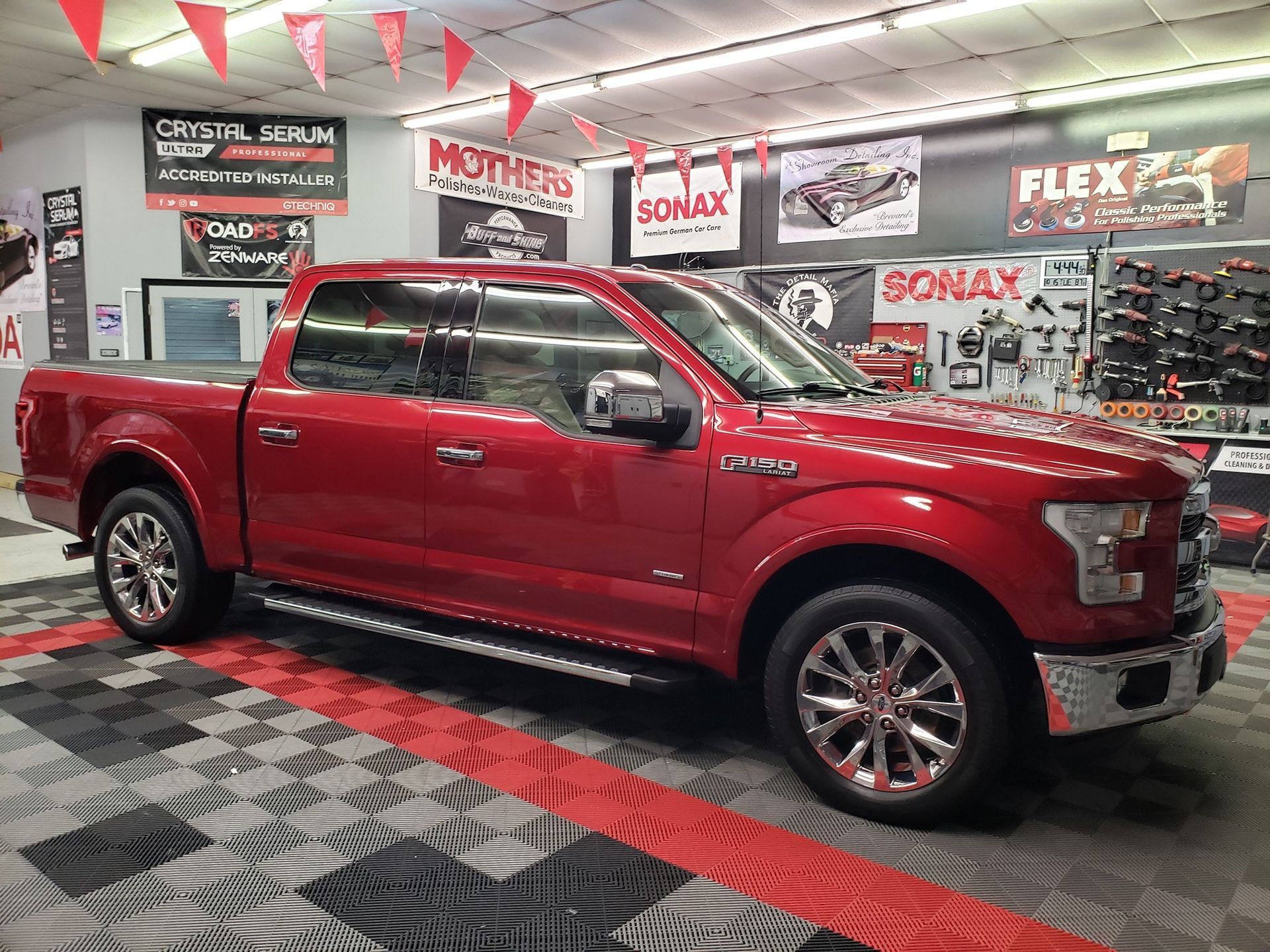
Ceramic coatings are engineered to withstand the intense Florida environment where relentless sun and sudden downpours are the norm. Laboratory studies show they remain stable at temperatures as high as 750°F, far beyond the typical 140°F surface heat of cars parked under Florida's blazing sun. This thermal resistance means the coating won't degrade quickly or lose protective qualities during summer heatwaves.
The ceramic layer deflects UV radiation that breaks down chemical bonds in paint, preserving that freshly polished look far longer than unprotected surfaces. This results in less frequent waxing and fewer repaint jobs, providing a real cost savings for Florida car owners who battle daily sun exposure.
However, ceramic coatings are not invincible. Regular maintenance remains key to optimal performance. In coastal areas like Tampa or Miami, where salt air accelerates corrosion, owners should incorporate routine washes and inspections alongside their ceramic coating application. A holistic approach to vehicle care, including covered parking when possible and periodic professional detailing, is the smartest way to extend your paint's lifespan.
To optimize performance under extreme conditions:
• Apply the coating evenly and professionally to avoid weak spots
• Maintain a regular cleaning schedule to remove contaminants promptly
• Use pH-neutral shampoos tailored for coated surfaces
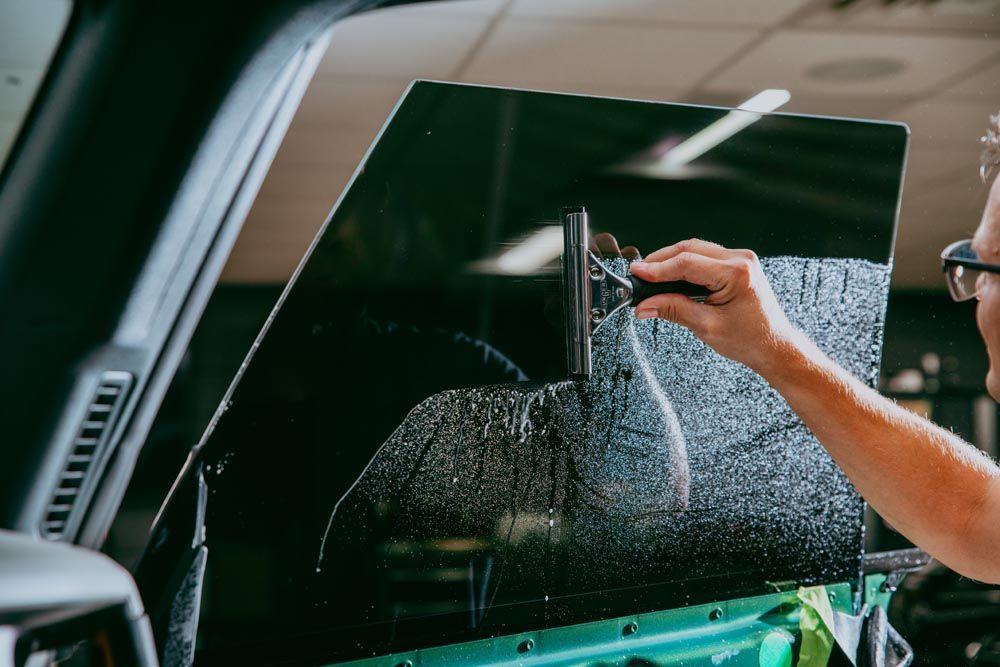
• Consider supplemental protection like window tints and parking shades
Longevity and Durability
When applied correctly by professionals such as those at JL's Showroom Auto Salon, ceramic coatings chemically bond to the surface rather than sitting on top like traditional wax. This molecular bond ensures they last multiple years without significant wear, even in Florida's demanding outdoor parking conditions where sun, rain, and salt air constantly assault your vehicle's exterior.
A well-done ceramic coating application typically promises between three to seven years of superior protection. However, because Florida's climate is particularly aggressive, reapplication every two to three years ensures optimal performance. This schedule prevents micro-abrasions and contaminants from embedding deeply or prematurely degrading the protective layer.
To maintain protection, care routines must be tailored and consistent. Regular washing with pH-neutral soaps and avoiding automatic brush car washes helps preserve the coating's integrity. Periodic maintenance inspections can detect early signs of wear before significant paint exposure occurs, saving you from more costly repairs down the road.
"The real secret isn't just about having a shiny car. It's about ensuring that shine lasts year after year despite Florida's unforgiving outdoor conditions."

Application Process Overview
Achieving full benefits from ceramic coating begins long before product touches the vehicle's surface. The process demands patience and precision, much like crafting a fine painting where every detail matters.
First, the car must be absolutely clean. This means meticulously washing away dirt, oils, road grime, and any existing wax or sealants that could interfere with the new coating's bond. In Florida's environment, where salt air, humidity, and intense sun are constant factors, this initial cleaning is vital to ensure uniform adhesion.
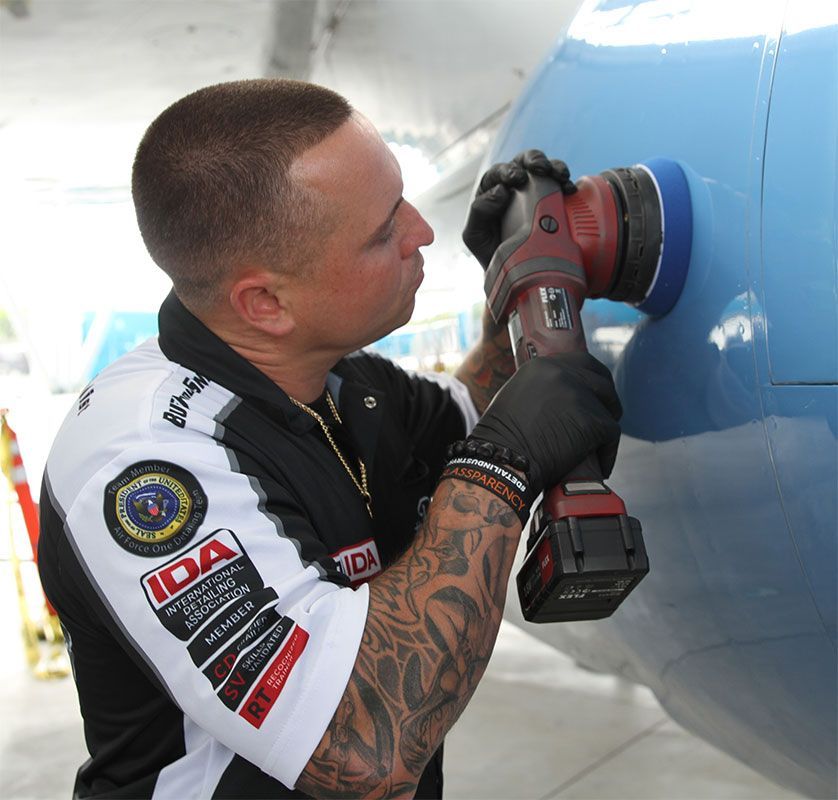
Next comes paint correction. Even minor scratches and swirl marks can become permanent once sealed under ceramic coating. Polishing eliminates these imperfections and creates a flawlessly smooth canvas for the protective layer.
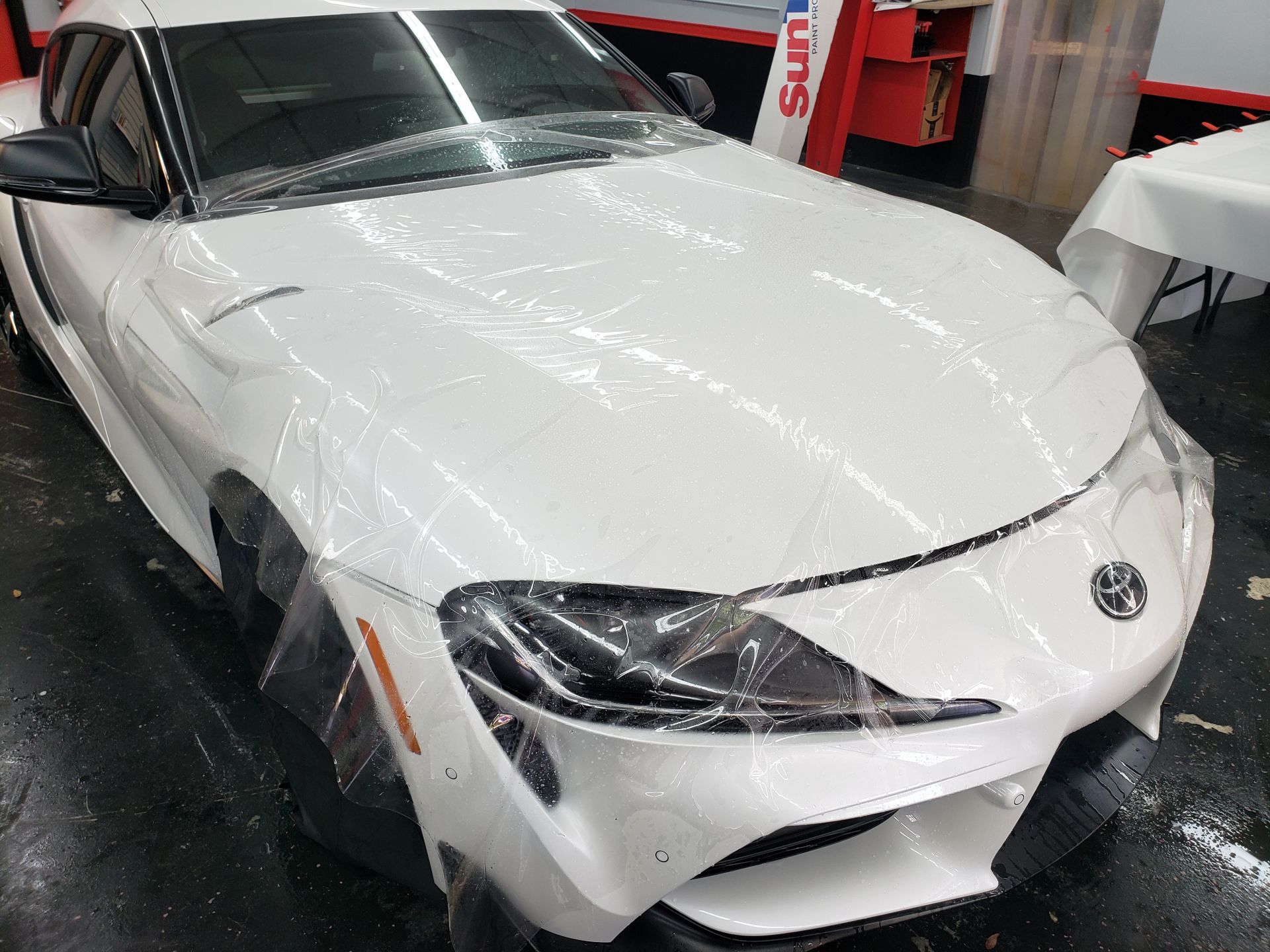
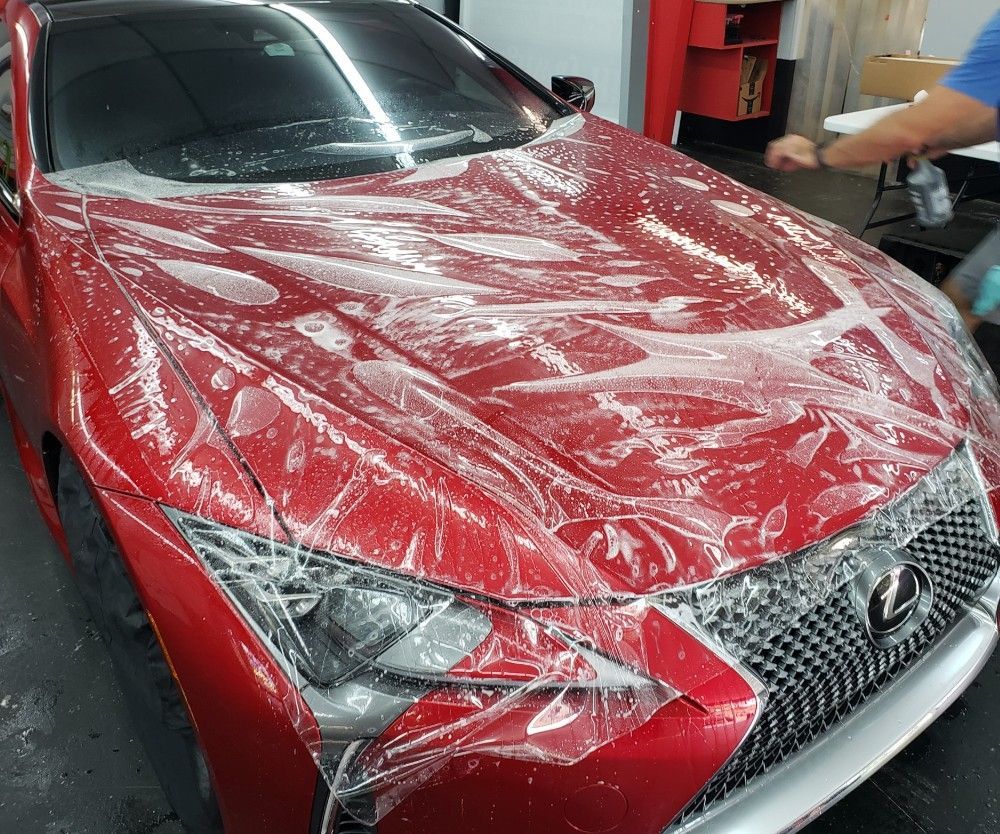
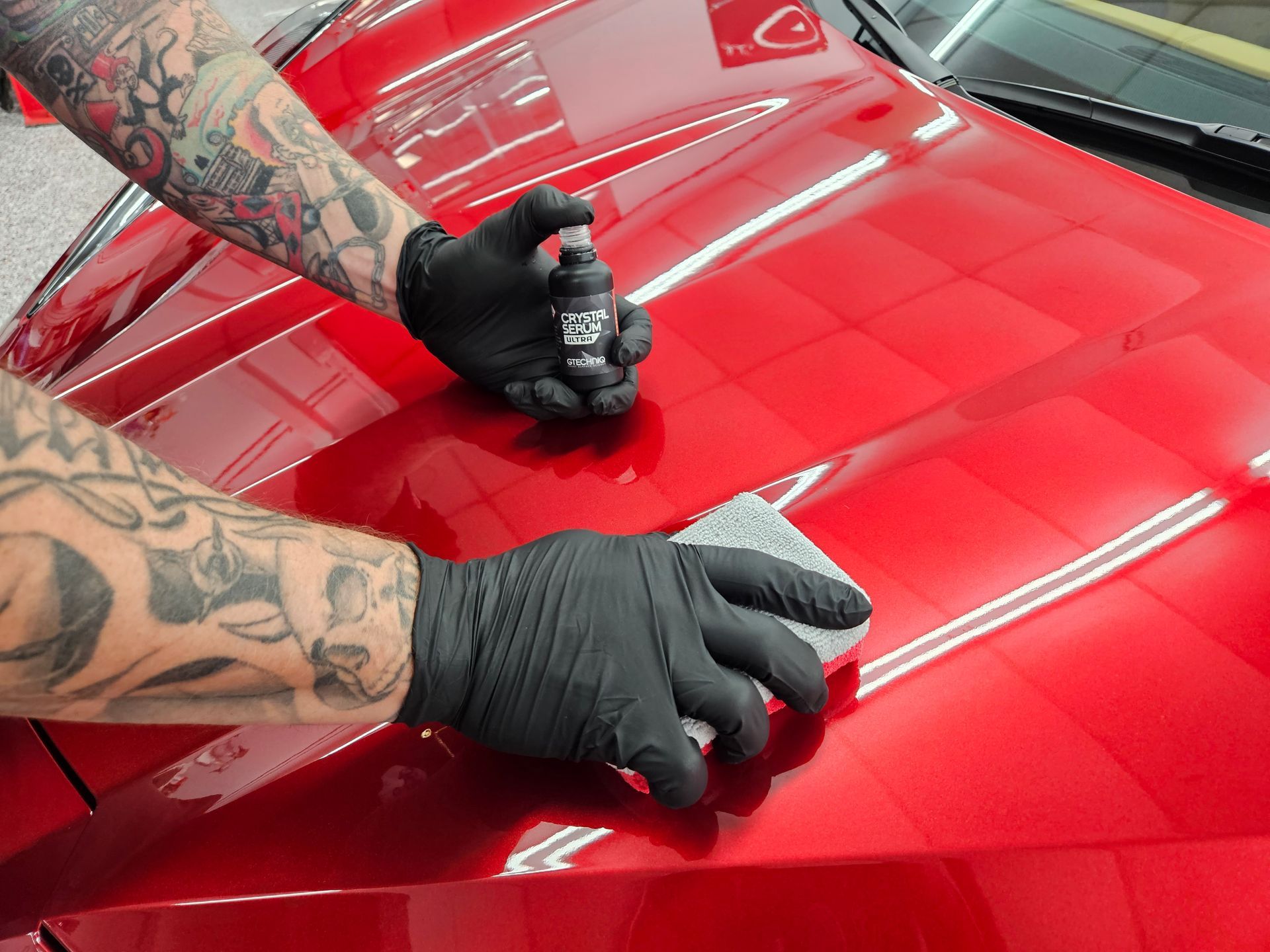
Applying the ceramic coating requires attention to detail and careful technique. Professionals use foam applicator pads and work in small sections to ensure even distribution without streaks or pooling. Each layer builds upon the last, enhancing resistance against UV rays, water spots, and chemical contaminants typical of Florida's climate.
Environmental conditions during application are critical. High humidity or extreme heat can affect how well the coating seals onto the paint surface. Scheduling work for early morning or late afternoon, ideally inside a controlled environment, offers optimal results.
After applying multiple layers (typically two to four), the vehicle must cure undisturbed for several hours to days. This curing phase solidifies the protective barrier into an almost glass-like shield over your car's exterior that will serve as your first line of defense against Florida's elements.
Expert Recommendations for Florida
Experts recommend selecting ceramic coatings with high concentrations of silicon dioxide (SiO₂), the key ingredient responsible for forming an ultra-hard protective layer. More SiO₂ means a denser molecular structure, translating directly into better resistance against UV rays and corrosive salt particles prevalent across Florida's outdoor parking areas.
Where you park matters too. Even the best ceramic coating benefits from parking under shade or in covered spaces, which minimizes direct sunlight and reduces thermal stress that can cause micro-failures over time. This simple habit complements your coating's UV defense and keeps your vehicle cooler overall.
Maintenance is equally important for long-term success. Routine gentle washes with pH-neutral soap and soft microfiber cloths prevent unnecessary wear on the coating. Scheduling annual professional inspections allows trained technicians to spot subtle degradation before it becomes visible damage, enabling timely touch-ups that maintain your showroom shine.
These tips work together as an ongoing system: quality coating selection forms the foundation; smart parking preserves what you've earned; washing keeps contaminants at bay; inspections ensure longevity. Collectively, they create a resilient shield that matches Florida's toughest conditions and keeps your vehicle looking its best.
Following these expert guidelines will preserve your vehicle's appearance and maximize your investment in ceramic coating technology tailored for Florida's unique outdoor environment.
Protect Your Paint and Reduce Long-Term Maintenance
If your vehicle is parked outdoors in Florida, ceramic coating is one of the best investments you can make. It preserves shine, resists UV damage, and minimizes the need for frequent waxing or aggressive cleaning.
Schedule a consultation with JL’s Showroom Auto Salon today. Call (321) 723-6976 or reach out through our website to keep your vehicle looking newer for longer.