New Car Protection: Should You Combine PPF, Ceramic Coating, and Window Tint?
For most new cars that are driven daily and parked outside in Florida, combining paint protection film (PPF), ceramic coating, and window tint is worth it, because each one protects a different part of the vehicle. PPF absorbs rock chips and road debris on high-impact paint, ceramic coating keeps the finish glossy and easier to clean, and ceramic window tint cuts heat and UV inside the cabin. How much of each you need depends on how you drive, where you park, and how long you plan to keep the car.
The question usually comes up at the dealership, when a protection package lands on the desk and you are suddenly weighing three products with three price tags. Here is how we help Space Coast drivers sort it out at JL's Showroom Auto Salon in Melbourne, where all three services are handled under one roof.
What PPF, Ceramic Coating, and Window Tint Each Protect
These products are often sold together, but none of them can do the others' job.
Paint Protection Film Stops Chips and Scratches
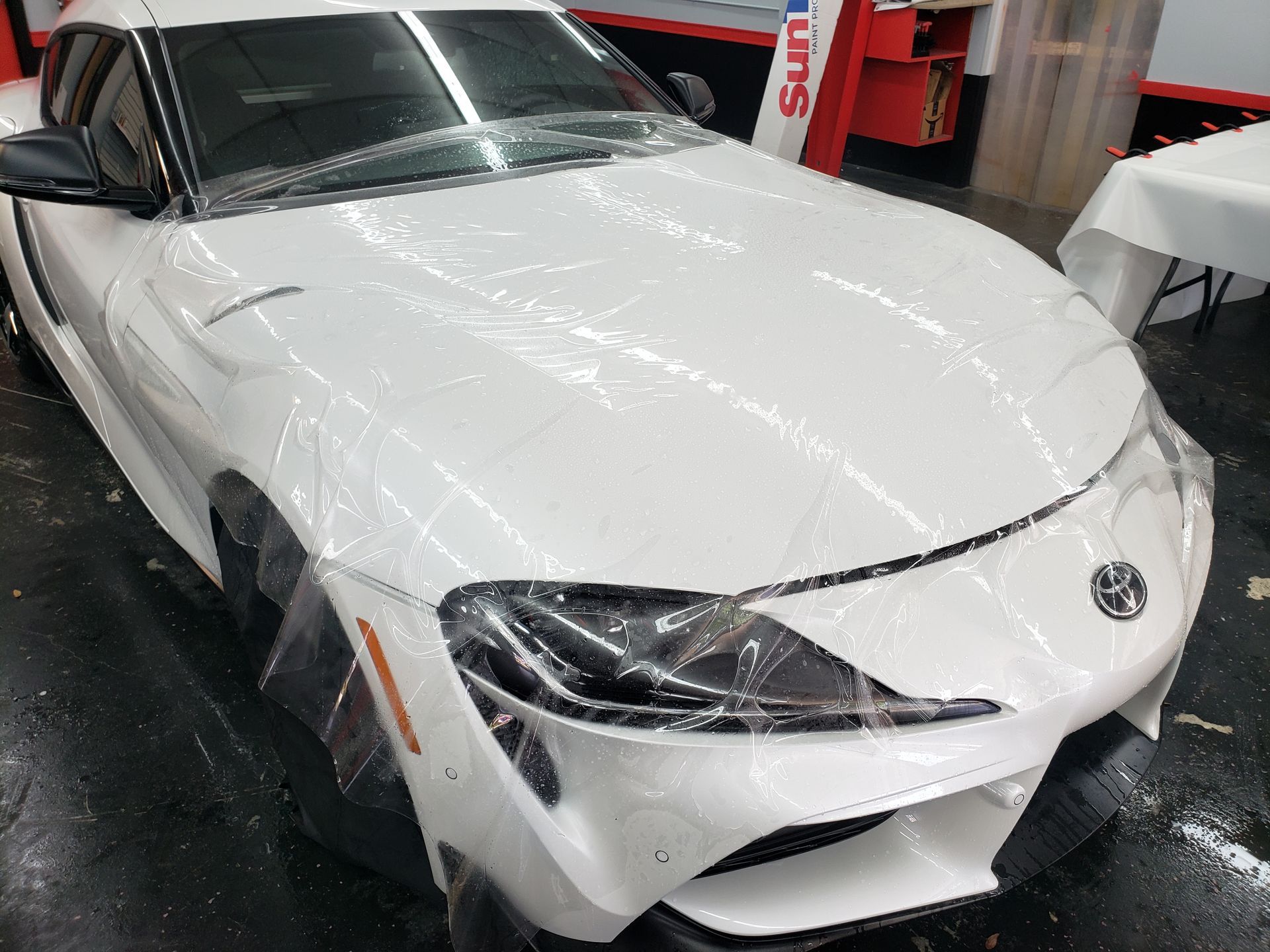
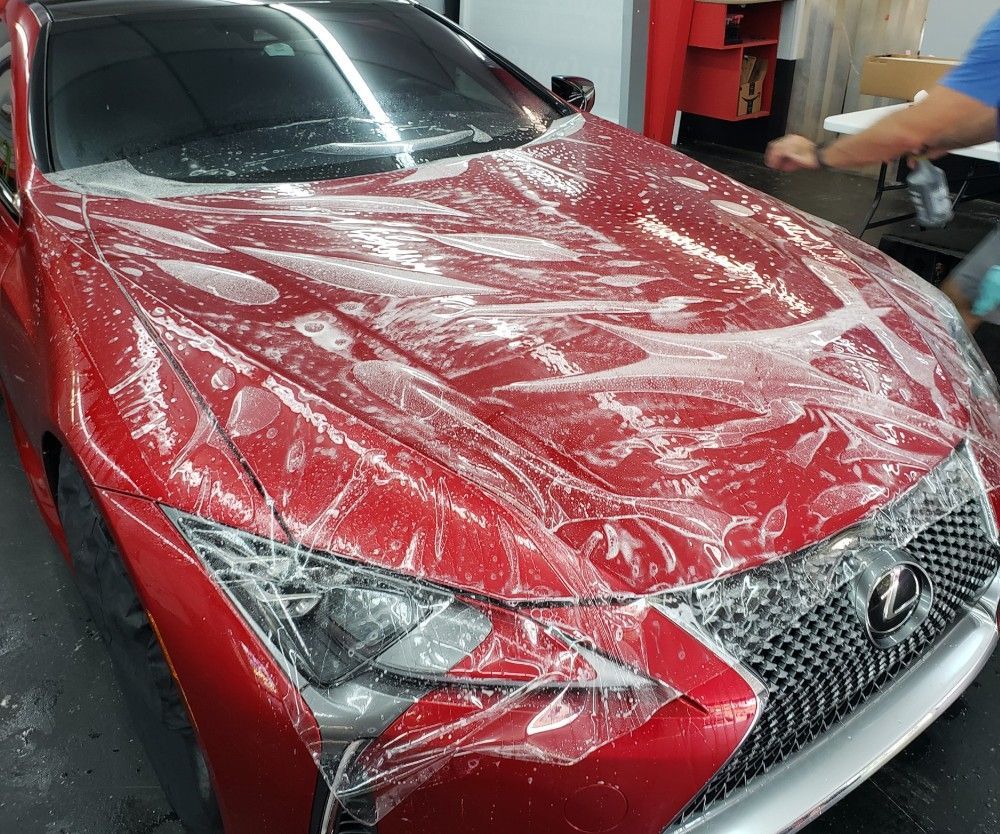
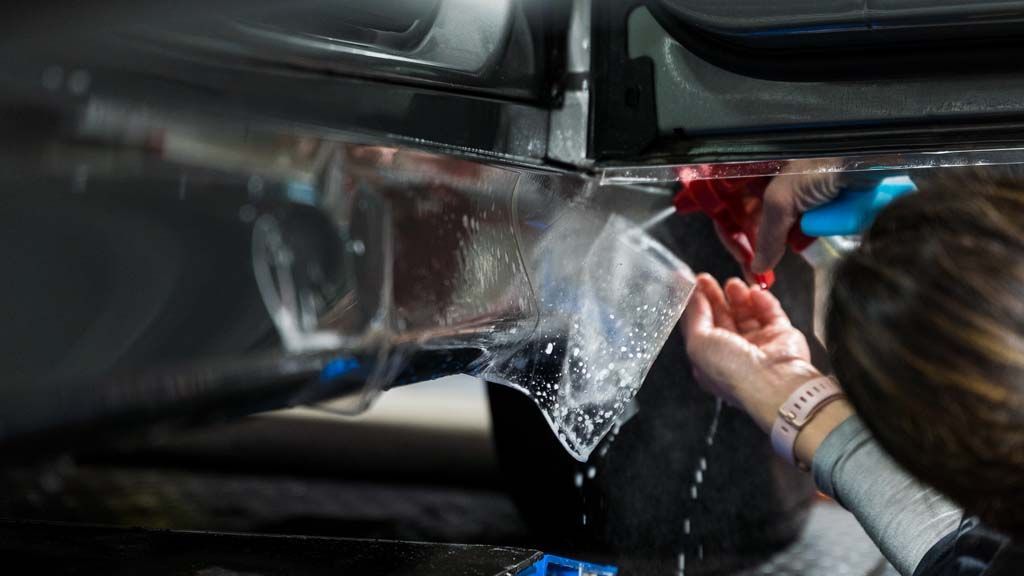
PPF is a clear, flexible urethane film applied panel by panel over painted surfaces. When gravel, sand, or debris hits the front of your car, the film takes the impact instead of your clear coat. We install SunTek Reaction PPF, which uses SunTek's self-healing Tetrashield technology, so light swirls in the film's top layer can fade with heat from the sun or the engine. Reaction also has a water-repelling top layer that SunTek describes as a 2-in-1 benefit of PPF and ceramic coating, so water beads up and carries dirt off the film more easily.
Ceramic Coating Adds Gloss and Easier Cleaning
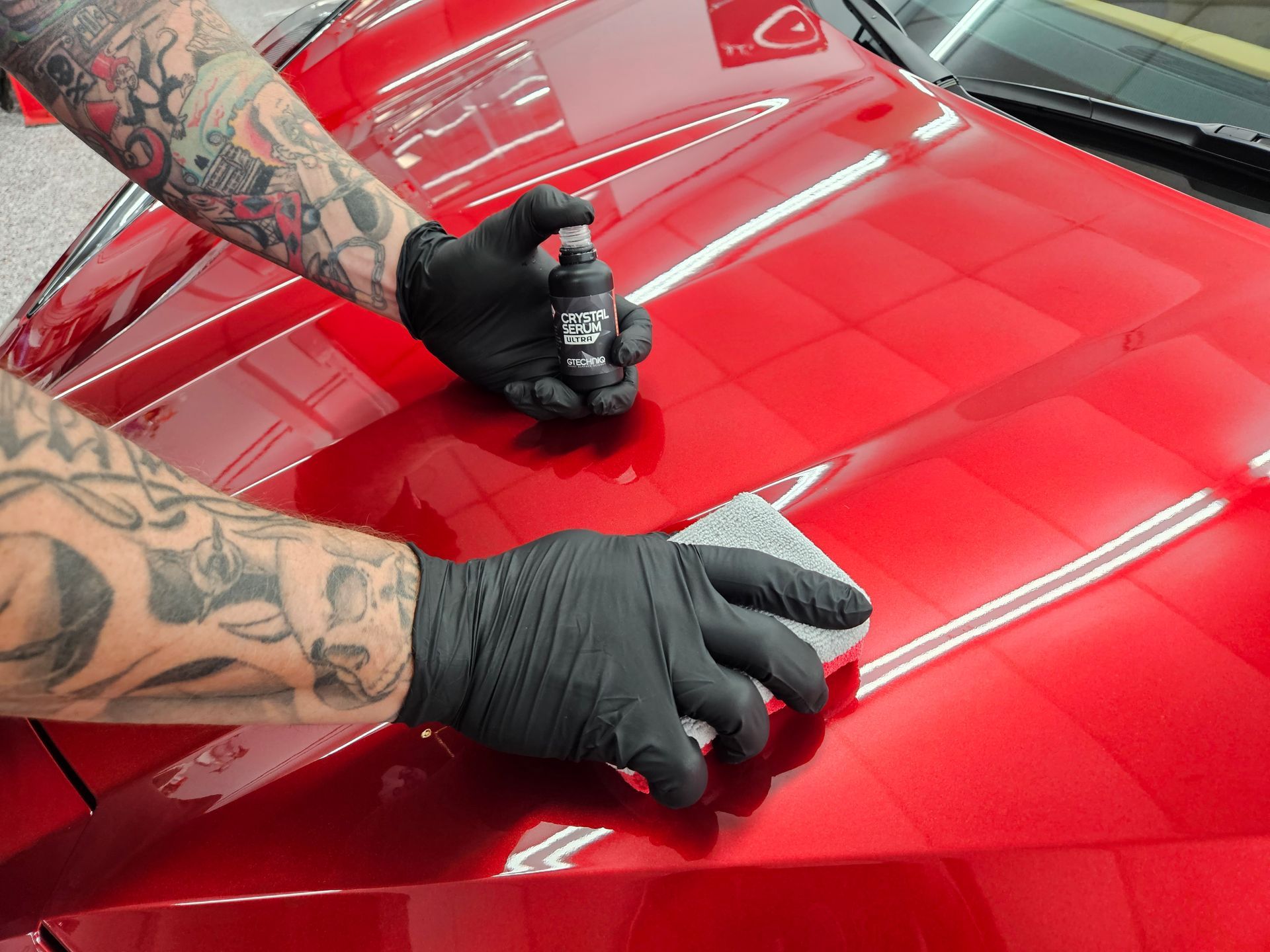
Ceramic coating is a liquid-applied layer that bonds to the paint and creates a slick, hydrophobic surface. Water sheets off, bird droppings and tree sap have a harder time sticking, and washes go faster. We are a Gtechniq authorized installer, and our Gtechniq coatings are rated at 9H to 10H surface hardness, with our top package rated for up to 9 years. What a coating does not do is stop a stone chip. It is far thinner than film, it does not self-heal, and a scratched area has to be recoated.
Ceramic Window Tint Blocks Heat and UV
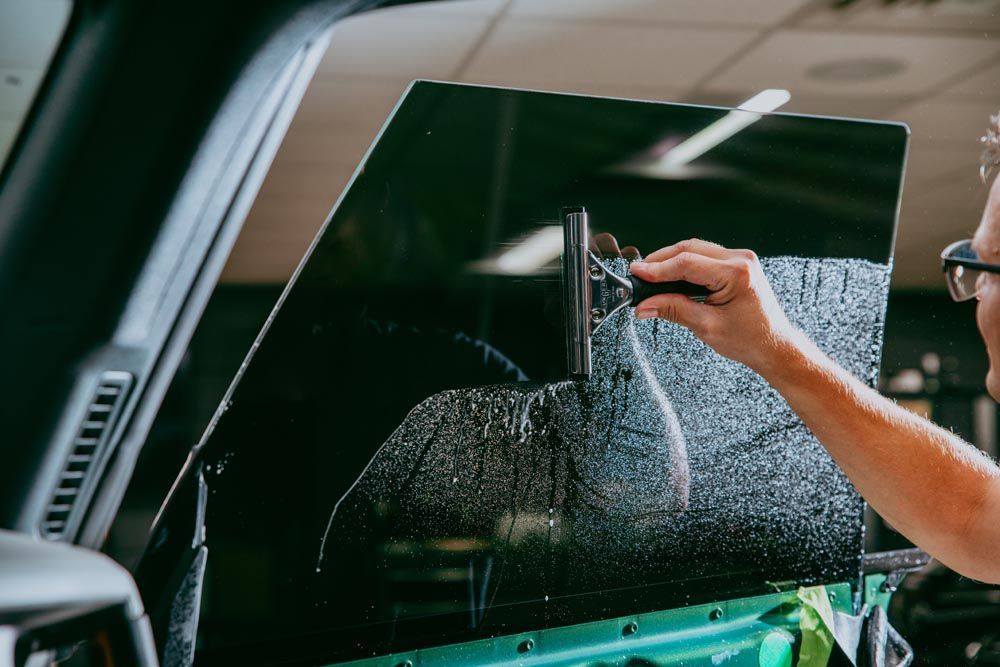
Window tint protects the cabin rather than the paint. We install ceramic window films from SunTek and LLumar. SunTek EVOLVE, our highest-performing tint, rejects up to 94% of infrared heat and provides over 99% UV protection, which helps keep dashboards, seats, and steering wheels from fading under the Florida sun.
In short, PPF handles impact, ceramic coating handles surface care, and tint handles heat and UV.
When Combining All Three Makes Sense
For a garage-kept weekend car that sees a few thousand miles a year, all three may be more than you need. For a daily driver, the math changes. A commute on I-95 or the Beachline sends constant debris at your front end, open parking lots bake the interior, and Brevard County adds salt air near the beaches plus two lovebug seasons a year that leave residue capable of etching paint if it sits.
That is where layering earns its cost. PPF covers the zones that take the most hits, such as the front bumper, hood, fenders, and mirrors. Ceramic coating protects the rest of the paint, along with exterior plastics, headlights, and taillights, so the whole car rinses clean more easily. Tint works separately on the glass to keep the cabin cooler and protect the interior. Our PPF vs. ceramic coating guide compares the two in more depth.
Even with all three, your car is not scratch-proof. A key dragged across a door will still leave a mark. What the combination does is reduce how often damage happens and how much of it ever reaches the paint.
The Right Order: Prep, Film, Coating, Then Tint
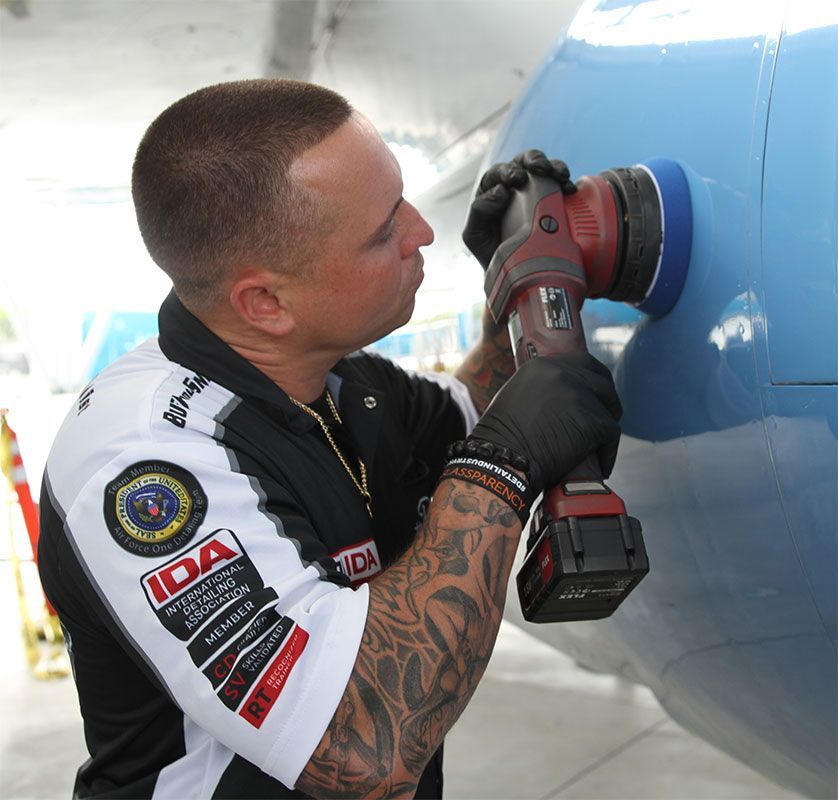
Order matters, and it starts with surface prep. Most new vehicles have only very minor defects, often picked up at the dealership, and a 1-step enhancement polish is usually enough to clear light swirls before anything is sealed in. Our PPF process already includes a two-bucket hand wash, clay decontamination, and polishing to remove defects before the film is measured, cut, and applied.
Film goes on next, then coating. Ceramic coating should never go under PPF, because the film's adhesive needs to bond to clean, uncoated paint. Once the film is in place, the coating goes on the remaining painted surfaces. Window tint can be scheduled at any point because it is applied to the inside of the glass and does not affect the paint work.
Choosing Coverage for How You Drive
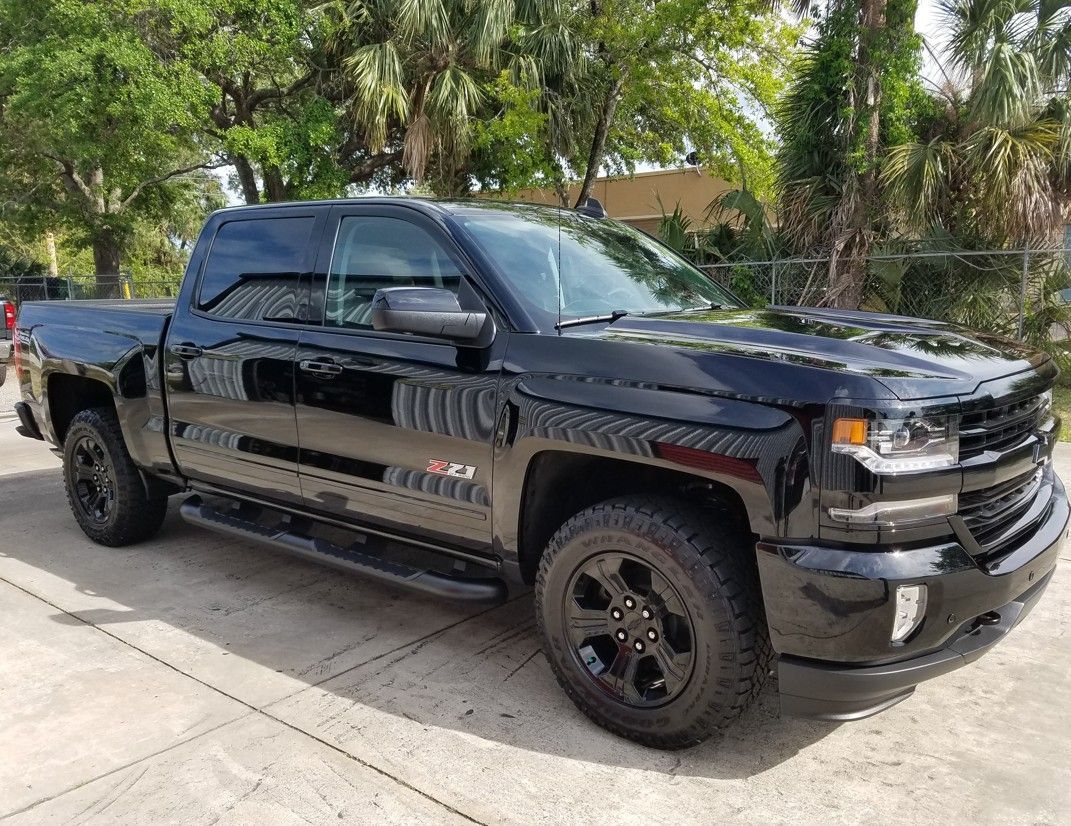
Not every car needs maximum coverage. Our SunTek packages start with Basic Road (front bumper and mirrors), step up to Partial Front (adding a partial hood and partial front fenders), and go to Full Front (full hood and full front fenders), with headlights optional on the two larger packages. If you want coverage beyond the front end, bring it up during your consultation. Our partial front vs. full body PPF breakdown explains the tradeoffs.
Tint works the same way. Matching heat rejection to how much glass you have makes more sense than choosing the darkest film allowed. Teslas and other vehicles with large glass areas take in more solar heat, which is why we offer dedicated
Tesla window tint, PPF, and ceramic coating services.
| Driving Scenario | PPF Coverage | Ceramic Coating | Window Tint |
|---|---|---|---|
| Long highway commute | Partial Front or Full Front | Remaining paint, trim, and lights | SunTek EVOLVE or LLumar IRX for top heat rejection |
| City driving, parked outdoors | Basic Road or Partial Front | Full vehicle paint | LLumar IRX or CTX |
| Garage-kept, low mileage | Optional, Basic Road | Full vehicle for gloss and easy washing | LLumar CTX for moderate heat rejection |
| Track days or spirited driving | Full Front at minimum | Remaining paint, trim, and lights | Any film within Florida's legal limits |
Treat this as a starting point. The right plan comes from your actual driving habits, not a one-size-fits-all package.
How Much Does It Cost to Combine PPF, Coating, and Tint?
Combining all three is a real investment, and pricing varies by make and model. As a starting reference, our SunTek PPF packages begin at $800 for Basic Road coverage, our ceramic coatings begin at $450 for a single-layer coating and run to $1,350 for the 9-year Gtechniq package, and full-vehicle tint starts at $330 with LLumar CTX. Paint correction, when needed, is quoted separately based on the paint's condition.
For daily drivers who park outdoors, the combination still makes financial sense. Repainting a chipped hood or replacing sun-faded interior trim adds up quickly, and protecting the original finish early helps preserve resale value.
Build Your New Car Protection Plan with JL's Showroom Auto Salon
Every vehicle we protect starts with a free, in-person consultation. At JL's Showroom Auto Salon, our IDA certified and skills validated technicians have served Brevard County since 2008, led by owner Justin Labato, a certified master detailer and the 2018 President of the International Detailing Association. We will look at your car, talk through your commute and parking, and recommend only the PPF coverage, Gtechniq coating, and ceramic tint that fit how you drive and your budget.
Visit us at 515 S Wickham Rd in Melbourne, call (321) 723-6976, or request your free consultation online. We serve drivers in Melbourne, Viera, and throughout Brevard County.
Frequently Asked Questions
Should ceramic coating go on before or after PPF?
After. PPF adhesive needs to bond directly to clean paint, so the film goes on first and the coating follows on the remaining painted surfaces.
Does a brand-new car need paint correction?
Often a light one. Most new cars have only very minor defects, frequently from the dealership, and a 1-step enhancement polish usually clears them before film or coating seals the surface in.
Is ceramic coating enough without PPF?
For a garage-kept car with light use, a ceramic coating alone can work well. For daily highway driving, a coating will not stop rock chips, so PPF on the front end is the better choice for impact protection.
Does SunTek Reaction PPF still need a ceramic coating?
Reaction has its own water-repelling top layer, so the film panels already bead water. A coating is still valuable on the painted areas the film does not cover.
What window tint is legal in Florida?
Florida requires front side windows to let in at least 28% of visible light. Rear windows on sedans must let in at least 15%, and on larger SUVs, trucks, and vans at least 6%. Front side windows can be no more than 25% reflective, and back side windows no more than 35%.
Does ceramic window tint interfere with phone or GPS signals?
No. SunTek EVOLVE supports clear electronic signals, and LLumar IRX adds privacy without affecting the digital signals of your wireless devices.
Can I get PPF, ceramic coating, and tint done in one visit?
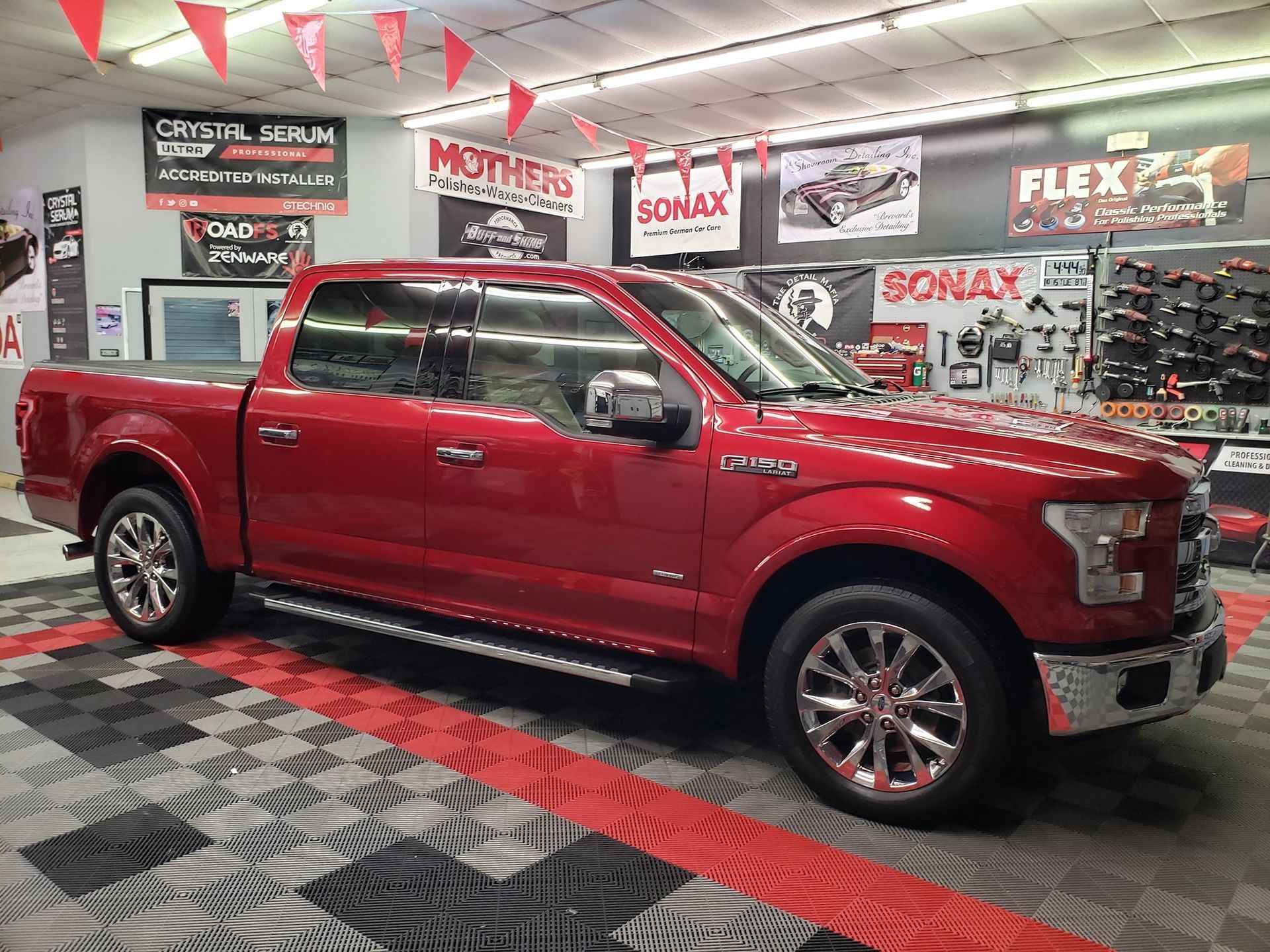
Yes. We handle all three at our 7,300-square-foot facility in Melbourne. Timing depends on the packages you choose; our two-layer Gtechniq coatings take about two days on their own, so we map out the full schedule during your consultation.