Can You Polish a Ceramic Coated Car? How to Safely Maintain and Protect It
Polishing a ceramic coated car can sound like a tricky balancing act, and in some ways it is. You want to keep that fresh finish looking its best without wearing down the protective layer you paid for. Here we break down how polishing works with ceramic coatings, what to watch for, and how to get great results safely.
Yes, you can polish a ceramic coated car, but it must be done carefully with gentle products and soft pads so you do not damage the coating. For most owners, the safest route is to let trained detailers handle it, keeping the coating's integrity while the gloss improves and minor imperfections disappear.
Can You Polish a Ceramic Coated Car?
Technically, yes, but the process takes finesse so you do not undo the protection the coating provides. Ceramic coatings are thin, usually only a few microns, far thinner than the paint beneath, so aggressive polishing with harsh compounds or stiff pads can wear down or even remove part of the coating. To keep it intact while improving gloss and removing minor imperfections, use very fine polishes and soft foam finishing pads at low speed and light pressure, refining the surface instead of stripping it. Most detailers also suggest polishing infrequently, roughly once every 12 to 18 months, and only when the coating is otherwise in good shape.
It also helps to know how polishing differs from clay bar treatments. Clay can be abrasive and may introduce marring on a coated surface, so it is best used carefully, or avoided, on a freshly coated car. Paid polishing sessions can also shorten a coating's life when done improperly. So if you are considering polishing your ceramic coated car, have it handled by certified professionals who understand nano ceramic coatings and favor gentle techniques. Done right, polishing keeps that glossy finish and adds years to the coating's protective life.
Benefits of Ceramic Coating
Ceramic coating is more than a layer that makes your car shine; it changes how your vehicle stands up to the environment. Its biggest advantage is protecting your paint from harsh elements like UV rays, bird droppings, tree sap, and road salt, all of which can fade or etch into paint over time. The ceramic layer forms a durable barrier that keeps the paint underneath safe.
Much of the appeal comes from the coating's hydrophobic properties: water and liquids bead up and roll off instead of settling in and causing stains, which keeps your car cleaner and means fewer washes. Ceramic coatings also add hardness, often marketed around 9H on the pencil hardness scale, reducing the fine scratches and swirl marks from routine washing, and they deepen gloss well beyond wax or sealant for a rich, mirror finish that resists fading and oxidation.
For drivers in a climate like Florida's, where intense sun and sticky contamination are everyday realities, this protection brings real peace of mind, since bird droppings and bug splatter are far less likely to etch into your paint when cleaned promptly. There is also the value side: a quality coating ranges from single layer protection lasting a couple of years to layered systems with longer guarantees, and it tends to pay off by lowering repair costs, maintaining resale value, and simplifying upkeep. Keeping those benefits, though, depends on proper, well timed care from trained detailers.
Essential Tools for Polishing
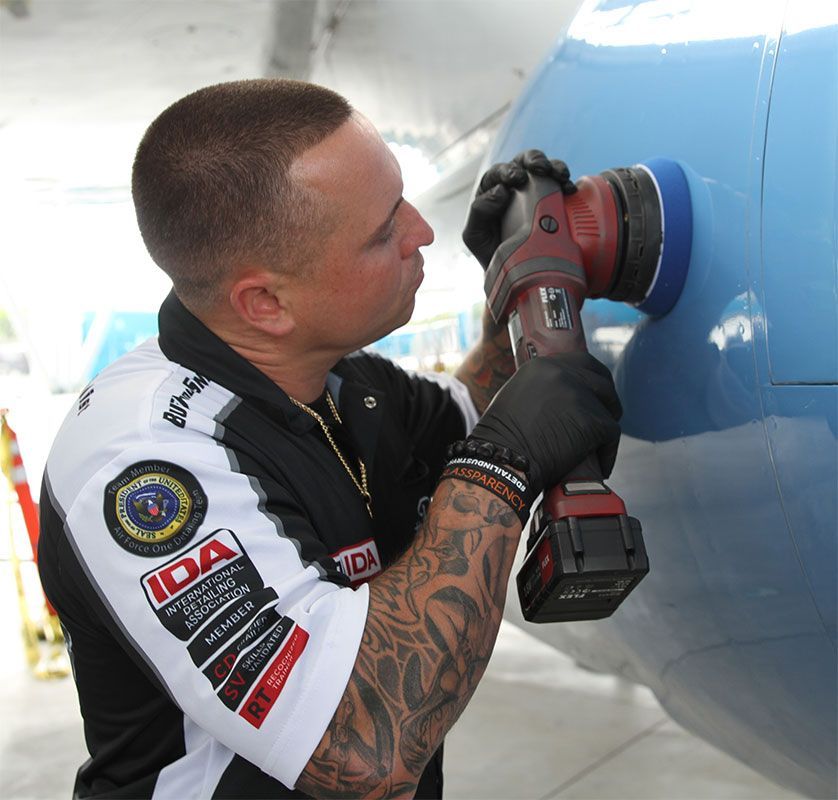
On a ceramic coated car, your tools can either protect or harm that delicate layer. A dual action (DA) polisher is a reliable choice because it combines spinning and oscillating motions, addressing imperfections gently while limiting swirl marks. Unlike rotary polishers, which take a practiced hand, DA polishers offer more control, with variable speed settings that keep you from pushing the coating past its limits.
Soft foam pads matter just as much. For ceramic coatings, stick to the softer polishing or finishing pads, which cushion the contact between machine and paint and help keep pressure and temperature steady, since heat buildup can damage both paint and coating. Plush, lint free microfiber towels remove residue gently, so choose higher quality microfiber over thin, low quality ones. Finally, prep the car before you start: a mild, pH neutral shampoo made for coated surfaces removes dirt and grime without stripping or dulling the ceramic layer, while harsh or acidic soaps can degrade the protection over time.
The Bigger Picture
Investing in quality tools is not about looking professional; it is about protecting what you paid for. The ceramic coatings we install at JL's Showroom Auto Salon carry warranties that depend on proper maintenance, and the wrong tools or rough techniques can undo those benefits quickly. Using the right equipment keeps your vehicle showroom fresh and guards against premature wear.
Safe Polishing Techniques
Polishing a ceramic coated car is less about aggressive abrasion and more about gentle refinement, so it is not just what you use but how you use it. Start with a spotlessly clean, dry surface, because even a speck of trapped dust can act like a cutting agent and leave swirl marks.
Choose a polish made specifically for ceramic coatings and apply it sparingly, since excess only builds up and dulls reflectivity. Light pressure is essential: hold the tool as if you are cradling fragile glass, firm enough for even coverage but gentle enough to avoid damage, and keep speeds low so the product and pad do the work. A crosshatch or overlapping pattern works well, and keeping each pass short, only a couple of minutes per panel, limits the heat from friction.
Rinse your pads after every couple of panels to clear residue and grit, and always test your polish and pad combination on a hidden panel first to confirm everything works together. Our team at JL's Showroom Auto Salon follows these same methods so your vehicle keeps its showroom brilliance.
Necessary Precautions
A few precautions protect both your coating and your results. Test any polish on a small, hidden area first; every coating varies slightly in hardness and chemistry, and that one step can save you from costly mistakes.
Environment matters more than people expect. Intense sun or high heat can make polish dry too fast or bake onto the paint, risking holograms or haze, so work in a shaded, cool setting with the surface cool to the touch. Aggressive compounds or high speed rotary buffers can also cut through a coating quickly, so favor a gentler dual action polisher.
Timing is another factor: fresh ceramic coatings need a full curing period, commonly around 30 days, before any polishing, because working too soon can disrupt bonds that have not fully set. Use only pH neutral, ceramic safe cleaners beforehand, be cautious with clay bars on a coated surface, and afterward apply a dedicated ceramic maintenance spray to restore hydrophobic properties and water beading.
Long Term Maintenance Tips
Keeping a ceramic coated car looking sharp is about how well you care for that protective layer over time, not just how often you wash it. Start with a consistent routine using pH neutral shampoo and gentle microfiber mitts to clean away dirt without scratching. Here in Melbourne and along the Space Coast, where salt air, humidity, and pollen are relentless, washing every one to two weeks helps prevent buildup that wears on a coating's effectiveness.
Cleaning alone is not enough, though. Every couple of months, inspect for signs the coating may be losing shine or hydrophobic strength, such as swirl patterns, water spotting, or dirt that clings stubbornly. Those clues usually point to contamination rather than coating failure, signaling time for a professional decontamination to lift embedded pollutants like brake dust. A booster spray or topper every few months helps too, refreshing gloss and water beading until your next full detail; just choose one made for your coating system.
Keep Your Ceramic Coating Performing at Its Best
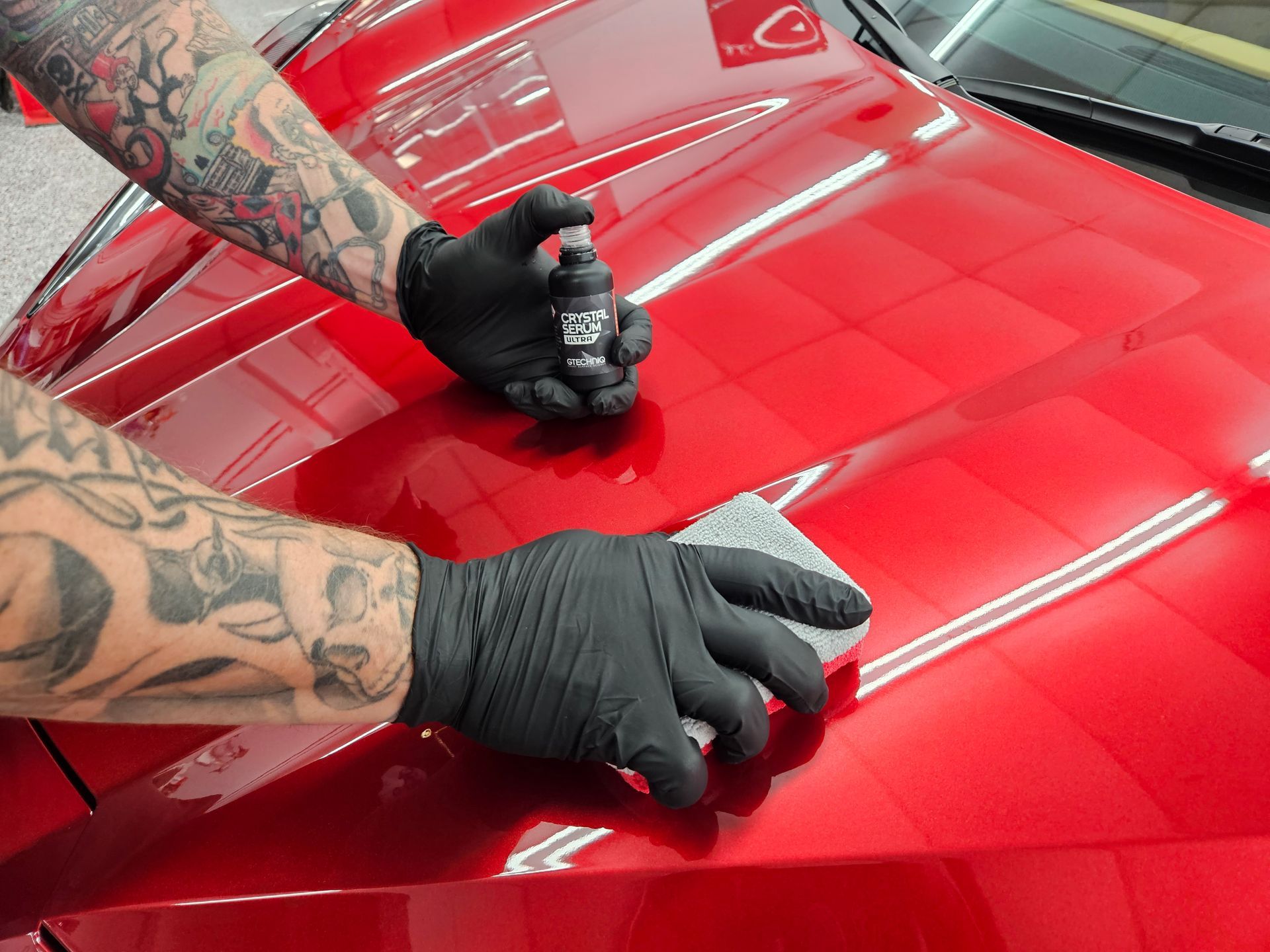
A ceramic coating is a long-term investment in your vehicle's appearance and protection, but proper maintenance is what keeps the finish looking its best. Whether your coating needs professional polishing, a maintenance treatment, or expert care to restore its gloss, JL's Showroom Auto Salon has the experience and tools to protect your vehicle without compromising the coating.
Our detailing specialists use coating-safe techniques and premium products to maintain your ceramic protection, enhance gloss, and help extend the life of your investment. Schedule a consultation today and let our team create a maintenance plan tailored to your vehicle.
Call at (321) 723-6976 or visit to schedule a consultation to keep your ceramic coated vehicle looking showroom ready.
Relevant FAQs
Can you polish a car after ceramic coating?
Yes, a ceramic coated car can be polished, but the process must be done carefully. Aggressive compounds, excessive heat, or improper techniques can reduce the coating's effectiveness. Professional detailers use coating-safe products and gentle polishing methods to protect the finish.
Does polishing remove ceramic coating?
Aggressive polishing can remove some or all of a ceramic coating because the coating layer is very thin. Light polishing with the correct products may refine the surface without significantly affecting the coating, but it should always be performed carefully.
How often should you polish a ceramic coated car?
Most ceramic coated vehicles only need polishing when minor imperfections appear, typically every 12 to 18 months depending on driving conditions, maintenance habits, and paint condition. Frequent polishing is unnecessary and may shorten the coating's lifespan.
Can I use a regular polish on a ceramic coated car?
It is best to avoid standard aggressive polishes on ceramic coated vehicles. Products specifically designed for coated surfaces are safer because they are formulated to work with the coating rather than strip it away.
How do I remove scratches from a ceramic coated car?
Minor surface imperfections may be improved with careful polishing, but deeper scratches may require removing the coating in the affected area, correcting the paint, and applying a new ceramic coating layer.
Does ceramic coating prevent swirl marks?
Ceramic coatings can help reduce the risk of minor swirl marks by creating a harder protective surface, but they do not make paint scratch-proof. Proper washing techniques and maintenance are still essential.
What is the safest way to maintain a ceramic coated vehicle?
The safest maintenance routine includes using pH-neutral car shampoo, soft microfiber towels, gentle washing methods, and periodic professional inspections to remove contaminants without damaging the coating.
Can ceramic coating be reapplied after polishing?
Yes. If polishing removes or weakens the ceramic coating, the surface can be properly prepared and a new coating can be applied to restore protection, gloss, and hydrophobic performance.
Is professional polishing better for ceramic coated cars?
Yes. Professional detailers understand coating hardness, paint correction techniques, and proper equipment settings. This reduces the risk of damaging the coating or the underlying paint.