How Road Salt, Snow & Winter Driving Affect PPF Performance: Protection Tips for Your Vehicle
Winter can be tough on your car's paint, especially with all the salt, snow, and ice it has to face. A quick wash or wax often is not enough when freezing temperatures and harsh chemicals come into play. That is where Paint Protection Film (PPF) steps in, working quietly behind the scenes like a shield and taking the brunt of winter's damage so your paint does not have to. This article explains how winter weather affects PPF and what you can do to keep that protective layer performing well through every cold snap and snowy drive.
Road salt, snow, and winter driving can expose your vehicle's PPF to corrosive chemicals and abrasive particles that accelerate wear if not properly maintained. High quality PPF acts as a durable barrier against these elements, resisting salt degradation, preventing scratches from grit, and self healing minor damage from ice or snow, helping ensure your paint stays protected all season.
The Protective Properties of PPF
PPF is crafted from a strong urethane material engineered to act like an invisible shield over your vehicle's paint. Unlike wax or sealants that sit atop the surface, PPF forms a durable barrier that absorbs impact from road debris, including stones, salt crystals, and ice particles thrown up during winter drives, stopping the chips and scratches that would otherwise expose paint to corrosion.
Industry testing and manufacturer data suggest that high-quality PPF can maintain near-factory gloss levels for 5 years or more under proper maintenance and moderate environmental exposure. PPF also plays a key role in chemical protection: road salt, applied liberally during winter, accelerates oxidation and rust if left unchecked, but the hydrophobic nature of modern PPF reduces salt adhesion by about 50%, meaning less corrosive residue clings to your car over time and washing becomes easier.
Self Healing Capabilities
One notable feature of advanced car PPF is its self healing topcoat. Minor scratches and swirl marks caused by ice scrapers or gritty snow can smooth out on their own when exposed to warmth, whether from sunlight or a warm cloth. This action is temperature dependent and works best above roughly 60°F (15.5°C); below freezing the effect slows considerably, so regular cleaning, pH neutral products, and periodic checks for lifting edges remain essential through the season.
Winter Hazards: Snow, Ice, and Road Salt
Winter driving introduces a harsh environment where snow, ice, and road salt converge, testing both PPF and the paintwork it guards.
Road Salt
Road salt, predominantly sodium chloride, combines with moisture to form corrosive brine that accelerates oxidation, leading to rust on metal parts and undermining PPF adhesives. A northern city may apply up to 300,000 tons of road salt across its streets in a single winter season, and continuous exposure can degrade PPF adhesives by as much as 30% over six months. The best defense is regular washing with pH neutral cleaners to prevent salt buildup at film edges and wheel wells.
Ice and Snow Buildup
Heavy snow and ice can adhere stubbornly around wheel arches and lower panels, and improper shifting or scraping risks scratching or chipping paint where no protective barrier exists. Modern PPF remains flexible even at temperatures down to negative 10°C, resisting cracking under contraction, and self healing properties activate with mild heat from sun or engine warmth. Repeated freeze thaw cycles can still cause microscopic cracking, reducing protective performance by roughly 12%, though consistent upkeep minimizes this. Use gentle melting methods, such as de icer sprays or warming the engine, rather than harsh scraping or abrasive tools.
PPF Durability in Cold Weather
Today's premium PPFs use high grade polyurethane that stretches and conforms to complex curves without becoming brittle even at temperatures as low as negative 40°F, and owners in northern climates regularly report no visible damage or loss of adhesion through harsh winter storms.
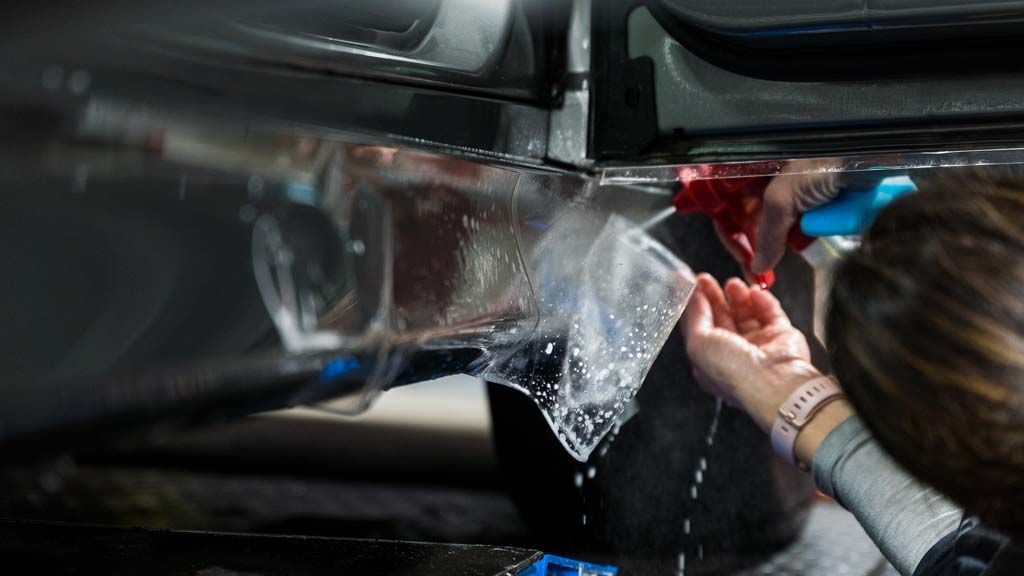
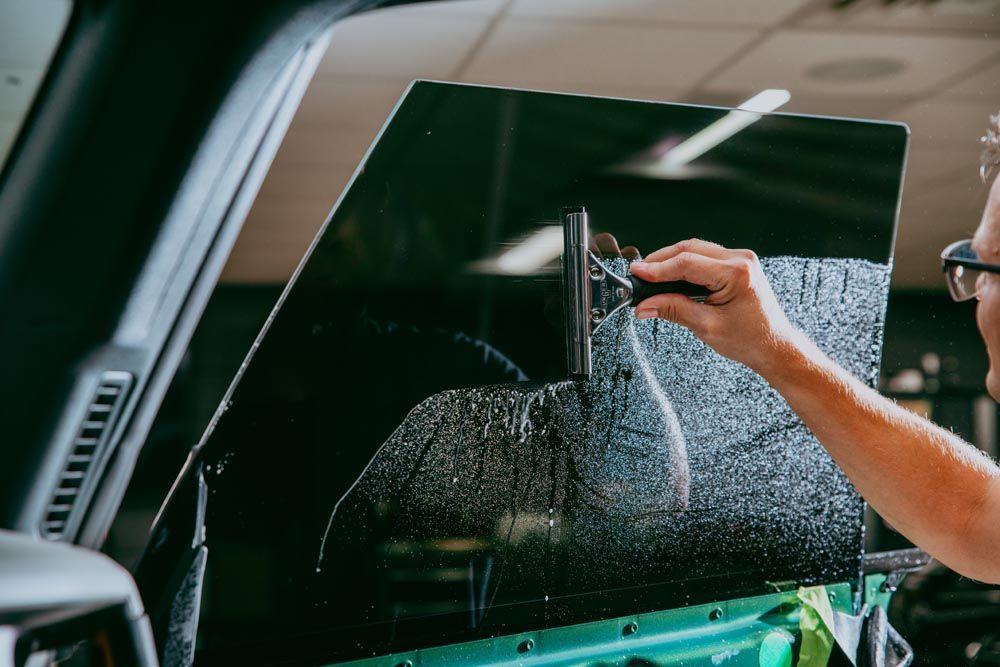
Professional installation is essential for best results, since expert installers tailor humidity control and surface preparation to lower temperatures, helping prevent bubbles or edge lifting. PPF also shields against cumulative damage from salty roads and ice laden gravel; its multi layer polymer structure blocks chemicals from reaching the vehicle's surface, while hydrophobic topcoats repel water and reduce moisture buildup beneath edges and seams. When snow lingers for months and salt splashes freely under tires, investing in a high quality PPF, installed professionally by experts like JL’s Showroom Auto Salon, offers comprehensive protection that traditional clear coats cannot match.
Impact of Road Salt on PPF
Road salt becomes aggressive once combined with moisture, forming corrosive brine that settles in hidden crevices like wheel wells, bumpers, and rocker panels. A properly applied PPF seals off these vulnerable areas, preventing salt and other contaminants from reaching the paint beneath. Studies comparing vehicles with PPF versus untreated counterparts show up to a 70% reduction in corrosion related damage after winter exposure, though this protection depends on good maintenance, including regular washing with pH neutral shampoos. Practical tips for the salty winter months include the following.
- Wash often: remove salt deposits promptly using gentle, pH balanced products.
- Avoid automatic brushes: these can cause microscopic scratches that weaken self healing properties.
- Focus on edges: salt intrusion often occurs along film edges, so inspect and clean these carefully.
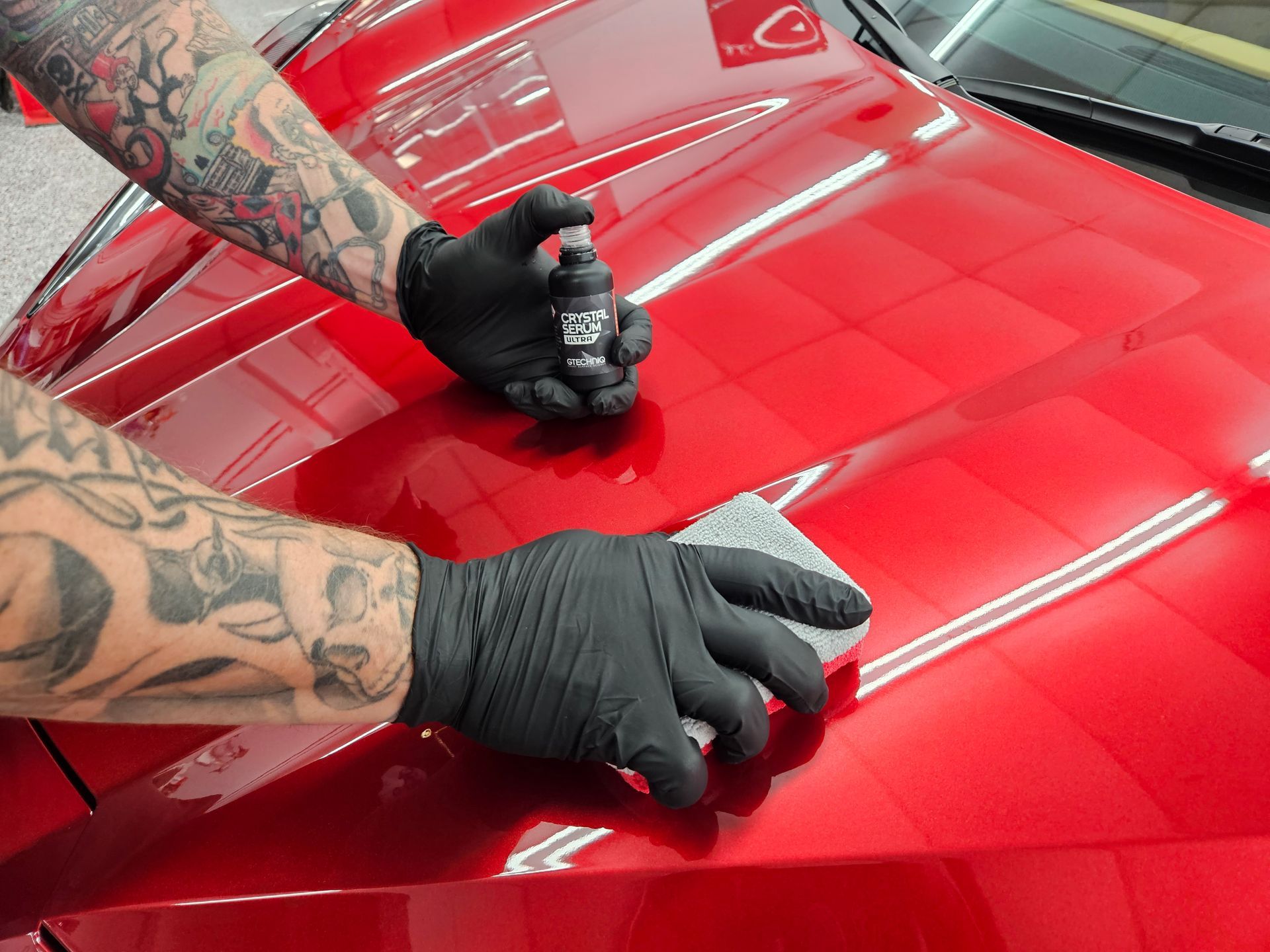
- Apply ceramic coatings: layering ceramic coating atop PPF enhances chemical resistance and durability.
- Use quick detailers: keep waterless wash sprays handy for quick contaminant removal between full washes.
At JL’s Showroom Auto Salon, we emphasize not just installing high quality PPF but educating customers on expert winter care routines, helping ensure your vehicle stays protected throughout the snow season.
Maintenance Tips During Winter
Regular cleaning is critical because salt and grime accumulate quickly. Washing your car every one to two weeks helps prevent corrosive salt crystals from embedding into film edges. Use a pH neutral detergent, since harsh chemicals can degrade the film's adhesive or clarity, and always dry your vehicle thoroughly with a soft microfiber towel rather than air drying, which helps avoid water spots and mineral deposits.
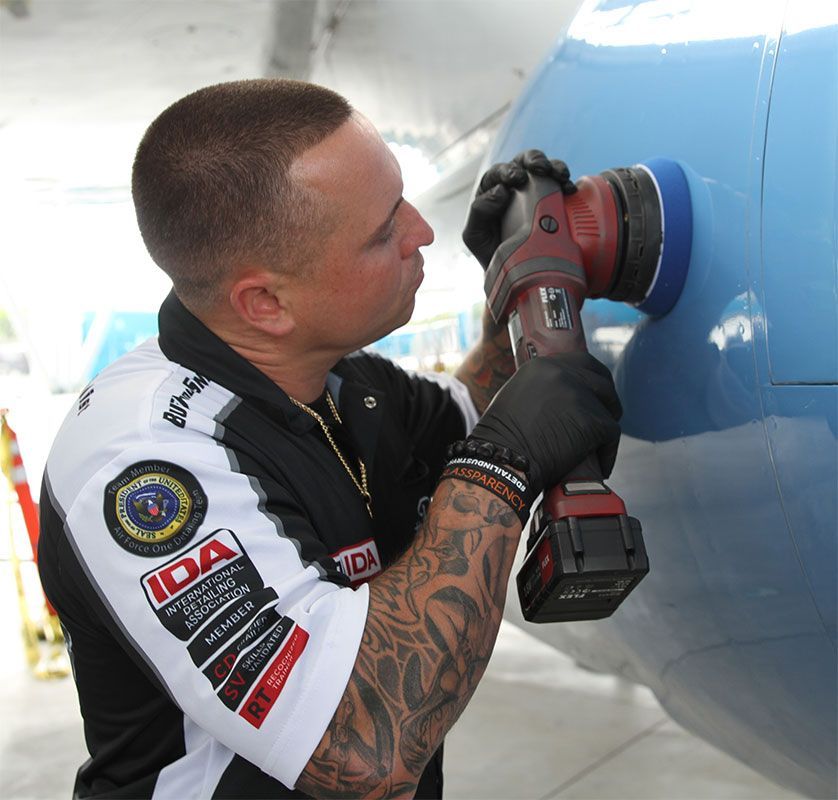
Frequent inspection is also essential, since freezing temperatures combined with road salt can cause small edges of the film to lift or peel unnoticed, particularly around wheel arches, lower doors, and bumpers. Professional detailing services like those offered by JL’s Showroom Auto Salon provide expert cleaning with PPF safe products and protective sprays that enhance hydrophobic qualities and prolong durability. Think of winter PPF care as a three step cycle: wash carefully and regularly, dry meticulously with soft fabrics, and inspect often for signs of wear.
Choosing the Right PPF for Winter
Not all PPFs respond the same way to snow, salt, and frigid temperatures, so choose a product designed to endure these challenges. Durability should be a top priority: look for a PPF that maintains adhesion and flexibility well below freezing, since ordinary films may stiffen or peel under such stress. Self healing properties allow the film to mend minor scratches with heat exposure, and UV protection matters too, since intense UV rays reflecting off snow can accelerate discoloration even in winter.
Trusted industry brands such as XPEL, and SunTek are consistently recommended for proven winter performance. We strongly advise professionally installed PPF packages that include edge sealing techniques tailored for cold climates, helping prevent moisture ingress beneath the film, a common cause of bubbling or premature degradation during freeze thaw cycles. Initial investment typically ranges from $3,500 to $6,500 depending on coverage and product tier, a cost that offsets potential paint repairs or premature resprays caused by harsh winters while also helping preserve resale value.
Common Winter Myths about PPF
One persistent myth suggests that PPF will crack or peel in freezing temperatures. Modern PPFs, such as those applied by professionals at JL’s Showroom Auto Salon, are engineered for extreme conditions and maintain flexibility and adhesive strength even below negative 20°C (about negative 4°F), with material testing showing over 90% adhesion remaining intact in cold weather.
Another misunderstanding is that road salt rapidly deteriorates PPF surfaces. While road salt is corrosive when left on paint, high quality polyurethane films resist salt damage effectively, and self healing topcoats help repel salt crystals from embedding into the paintwork. Routine washing remains crucial, however, since removing salt deposits within about 48 hours stops chemical etching and prolongs film life.
These myths often lead owners to underestimate the value of protecting vulnerable areas, or to avoid installing PPF altogether. A properly applied and maintained Paint Protection Film is not just a shield but an active participant in defending your car's finish every winter day.
Don’t Let Snow, Salt & Ice Wear Down Your Paint Protection Film
Winter roads expose your vehicle to constant salt spray, freezing moisture, and abrasive ice buildup that can slowly weaken even high-quality Paint Protection Film. Without proper care, edges can lift, clarity can dull, and long-term durability can reduce.
At JL’s Showroom Auto Salon, we specialize in winter-ready PPF protection and maintenance strategies designed to keep your vehicle safe through the toughest driving conditions.
Call at
(321) 723-6976 or visit to
schedule a consultation for winter PPF protection service and expert inspection today.
Frequently Asked Questions
Are there specific types of PPF better suited for vehicles driven frequently in snowy or salted road conditions?
Yes. These PPFs feature enhanced chemical resistance and hydrophobic coatings that repel salt, snow, and grime more effectively, with studies showing up to 40% less microdamage from road salt compared to standard films.
What maintenance steps should be taken during winter to protect PPF from harsh elements?
Regularly rinse off road salt and grime, since salt can accelerate film degradation by up to 40%. Use gentle, pH balanced cleaners, avoid harsh scrubbing, and dry thoroughly to prevent water spots from freezing. A monthly sealant application adds a hydrophobic layer for longer lasting protection.
How does cold weather impact the flexibility, adhesion, and overall durability of PPF on a vehicle?
Cold weather makes PPF stiffer and less flexible, which can cause cracking or lifting, and adhesion weakens as the glue becomes less tacky in low temperatures, with adhesive strength dropping by up to 30% below freezing. Road salt is more damaging to a car's metal parts than to PPF itself, since the film resists stains and discoloration, but vehicles washed regularly during winter reduce salt related damage incidents by up to 40%.
Can snow and ice buildup lead to scratches or tearing on paint protection film?
Yes. As ice freezes and expands, it can cause micro scratches or tiny tears when scraped or brushed off, especially if debris is trapped underneath. One study found that 65% of winter related PPF damage stemmed from improper snow and ice removal, so gentle handling is essential.