How PPF Thickness Affects Your Vehicle's Protection and Appearance
Choosing the right paint protection film (PPF) is about more than adding a clear layer and calling it done. One factor that often gets overlooked is the film's thickness, which affects both how well your paint is protected and how your vehicle looks over time. In our experience with car owners across Brevard County, understanding thickness helps you make a smarter choice and avoid surprises.
The thickness of PPF, usually measured in mils, affects both how well it protects your paint and how it looks. Thicker films in the 8 to 10 mil range give stronger defense against scratches, rock chips, and UV exposure while keeping a clear, glossy finish. Thinner films around 6 mil offer more flexibility and near invisibility, but they tend to wear faster and heal less readily.
How PPF Thickness Protects Your Vehicle
The thickness of paint protection film is more than a number; it reflects how well the film absorbs and spreads impact energy from rocks, debris, and scratches. Thicker films, generally 8 to 10 mil, form a sturdier barrier that acts almost like a shock absorber, flexing and cushioning the blow so damage does not reach the paint. Think of it like armor: a thin layer helps against scrapes, while a thicker one absorbs a harder hit.
Thickness also helps against environmental wear. Thicker films carry stronger UV inhibitors that work like sunscreen for your paint, slowing the fading Florida sun causes and helping hold color, gloss, and resale value. In our experience at JL's Showroom Auto Salon, 8 mil film is the balanced choice for most vehicles, offering lasting defense without giving up the clarity and flexibility needed for a clean install. Films around 10 mil add rugged protection for trucks and off road vehicles, though they call for careful handling because of their added rigidity.
Comparing Different Thickness Levels
One size does not fit all. Your choice comes down to your driving habits, vehicle type, and whether you prioritize durability, appearance, or easy installation.
A 6 mil film is valued for its flexibility and nearly invisible finish, a good fit for daily city driving where rock chips are less common. The catch is that it wears sooner on rough roads and its self healing is more modest, so light scratches may linger. It stays appealing as a budget friendly option but asks for a little more upkeep.
The widely used 8 to 8.5 mil range is what many drivers consider the balanced standard. These films resist highway stone chips while staying flexible enough for clean, edge to edge coverage, and their quality TPU material keeps a nearly invisible finish even under intense Florida sun.
For owners with specialized needs, thicker 9 to 10 mil films are built for heavy duty protection and are often chosen by off road drivers, collectors, and long term owners. Their rigidity makes installation more complex and best handled by trained, certified technicians to avoid edge lifting or bubbling, especially around curves.
| Thickness Range | Protection | Installation | Best Suited For |
|---|---|---|---|
| 6 to 7 mil | Light scratches, minor chips | Easiest to shape | City commuters, budget buyers |
| 8 to 8.5 mil | Strong impact resistance | Balanced, flexible | Premium and daily drivers |
| 9 to 10 mil | Heavy duty protection | Most demanding | Off road, exotics, long ownership |
Focus less on the idea that thicker is always better and more on how the film's flexibility and quality suit your vehicle and driving. At JL's Showroom Auto Salon, we offer a free consultation to help you find the right balance.
Effects on Appearance and Gloss
Film thickness makes a subtle but real difference in how your vehicle looks. Thinner films around 6 mil are valued for their near invisibility, keeping the car's original color and shine, though they wear sooner and add less depth to the gloss over time.
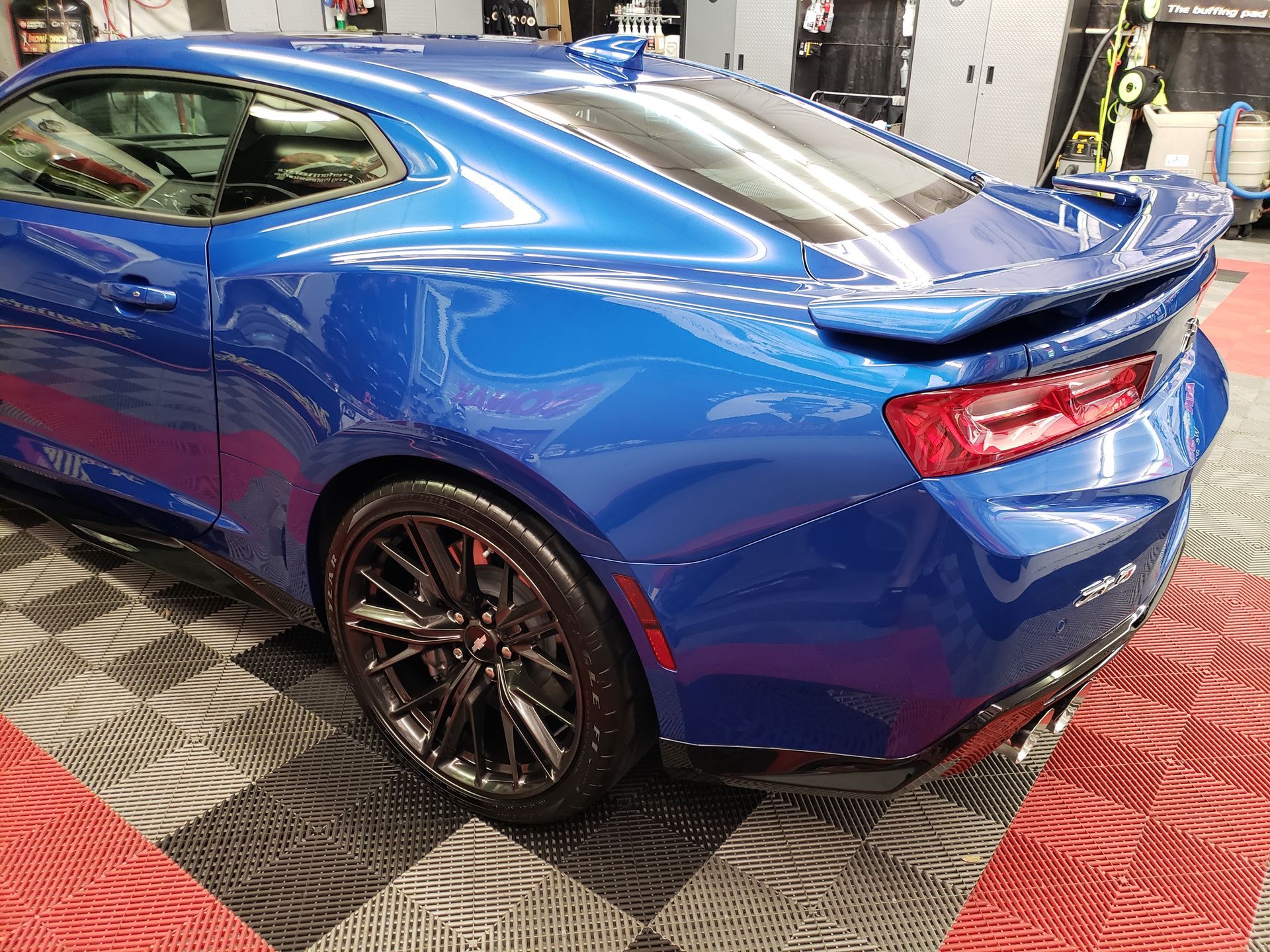
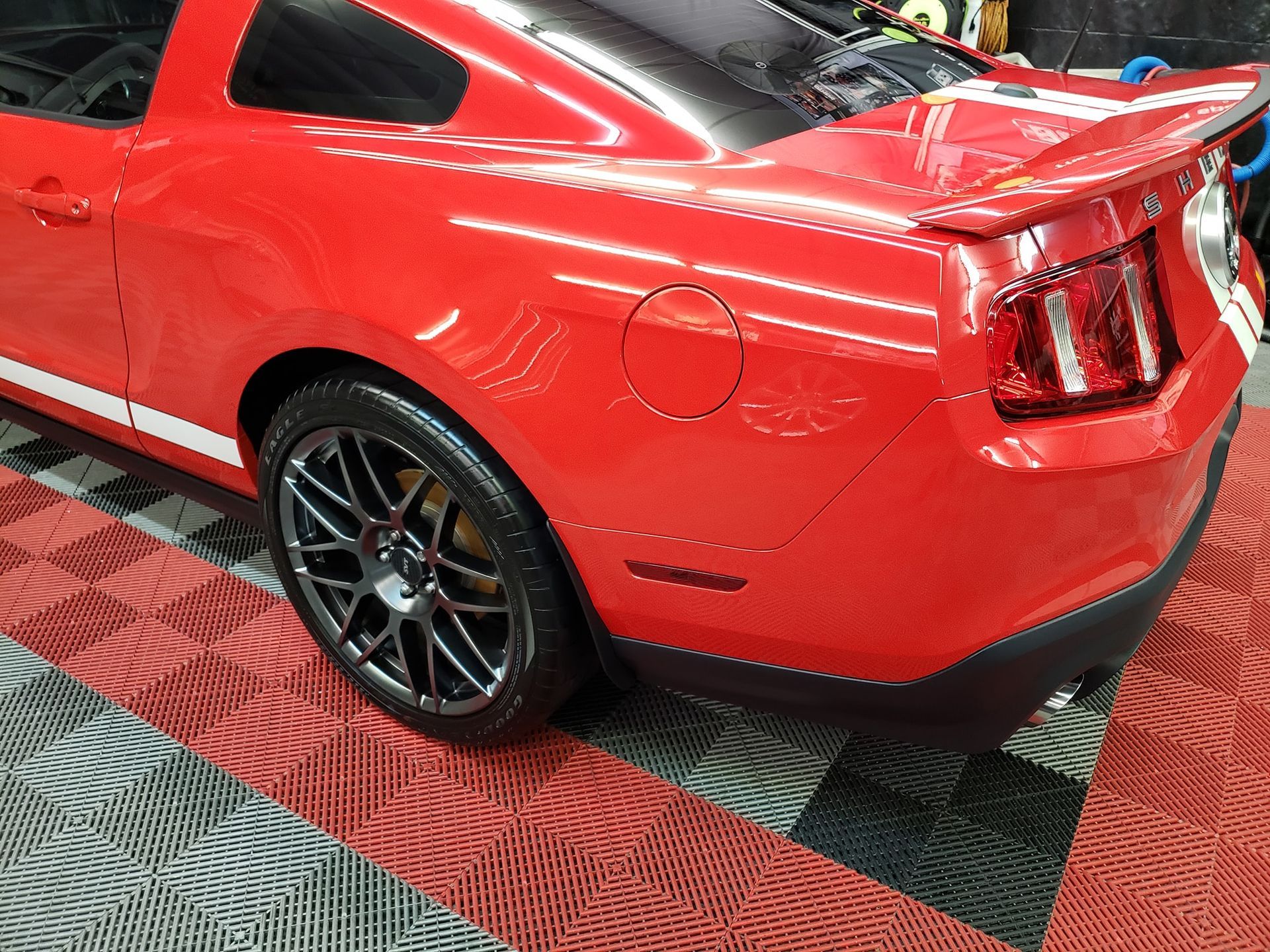
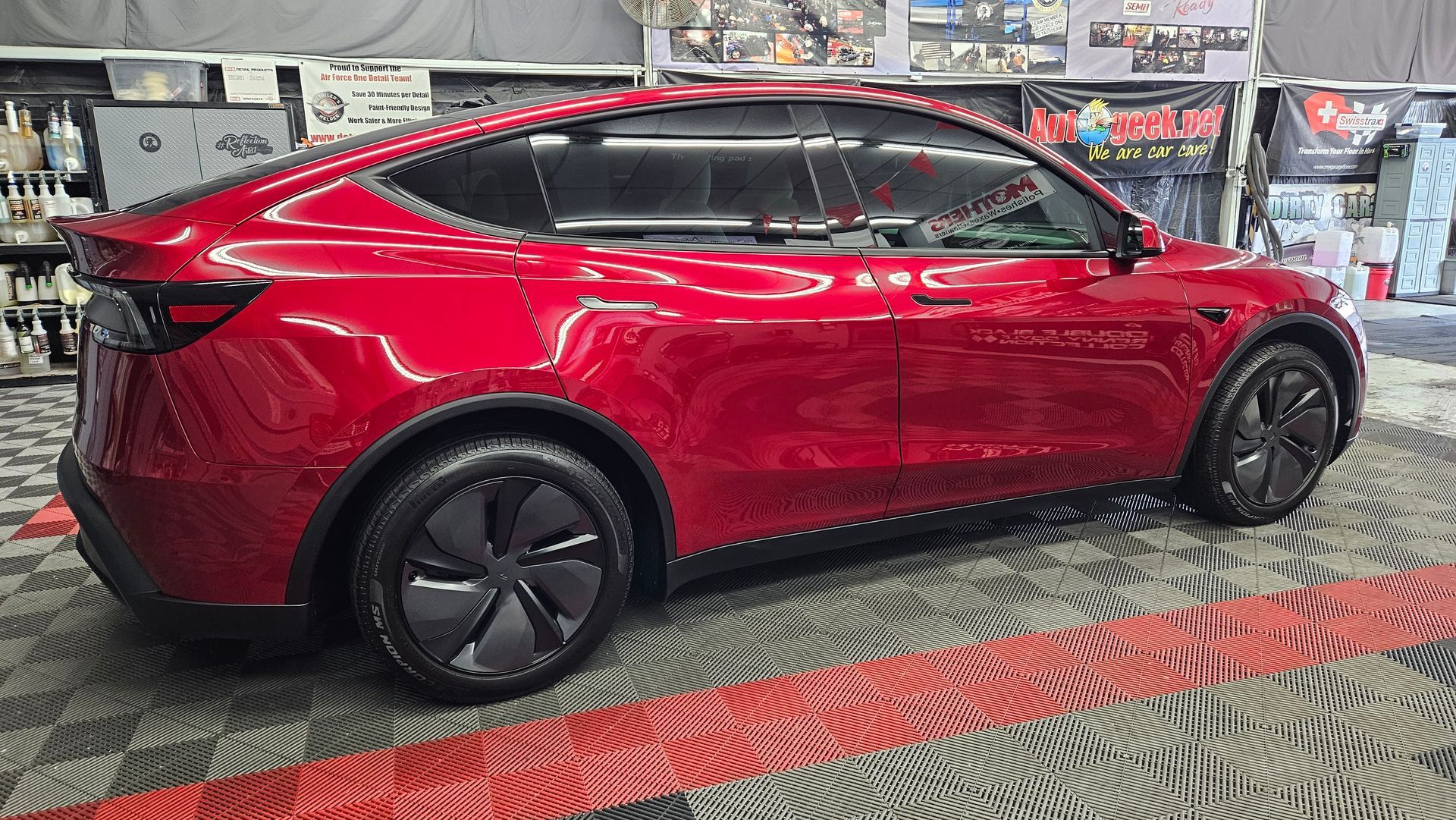
Thicker films in the 8 to 10 mil range add richer depth, giving what many owners call a wet look. That comes not only from added thickness but from layers like UV inhibitors and self healing topcoats that hold clarity even under strong sun. Thicker films may soften reflection sharpness slightly, but they offer a uniform gloss that resists dulling from minor scratches, keeping your car looking freshly detailed for longer.
If you want appearance and durability together, an 8 mil film is often the best compromise. If your vehicle faces rougher terrain or long outdoor exposure, a heavier 10 mil film gives robust defense while still offering respectable shine, though you will want trained installers like our team at JL's Showroom Auto Salon for a clean application.
Choosing the Right Film for Your Car
Choosing the correct thickness is about balancing protection, appearance, and how you drive. For mostly city driving with little debris, a thinner 6 to 8 mil film offers strong clarity and enough defense against light scratches while staying nearly invisible. For rougher terrain or highways where rock chips strike harder, a thicker 10 mil film acts like a tougher barrier; it is less flexible and calls for certified installation, but the durability payoff is significant.
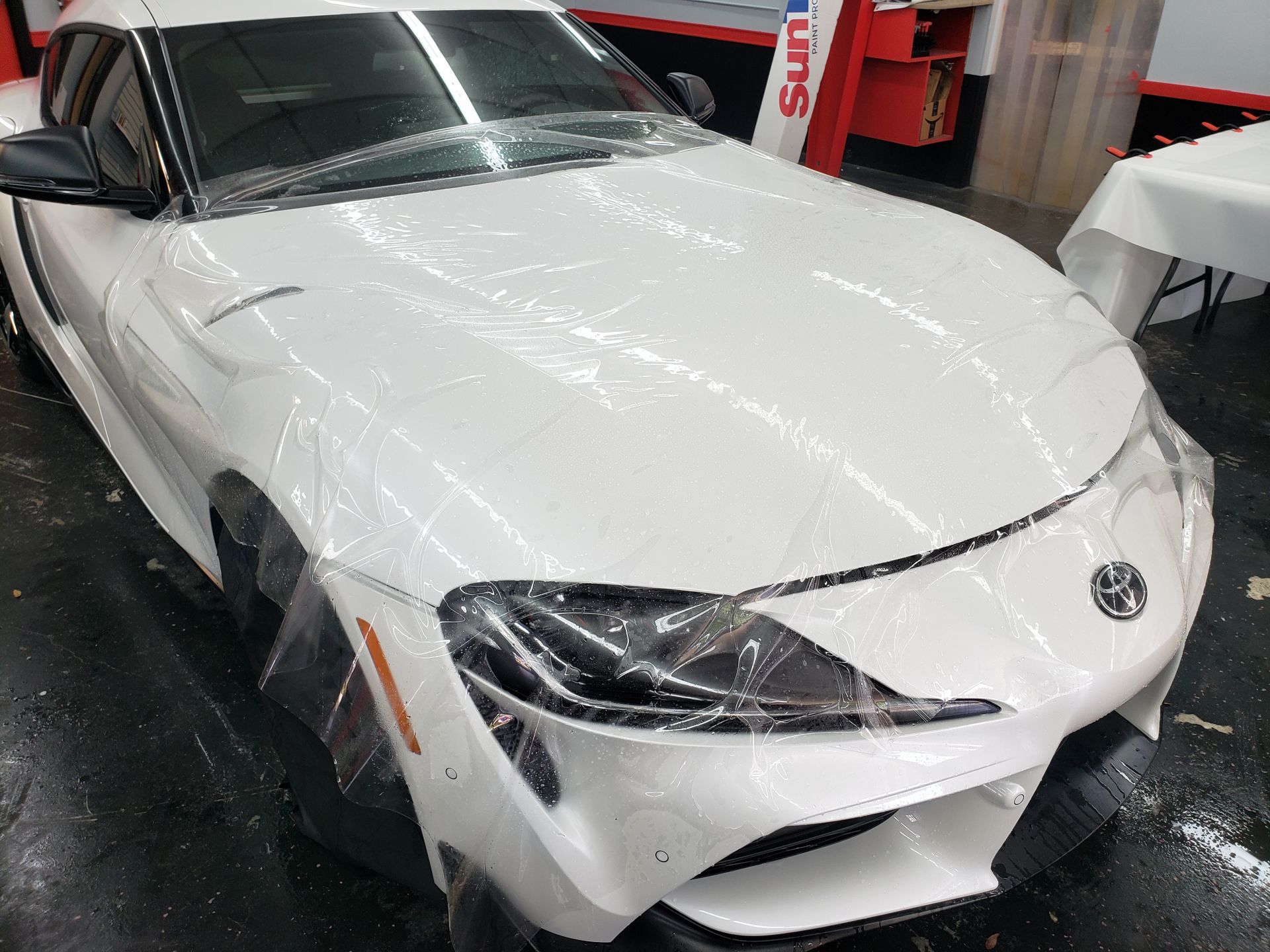
Many installers point to 8 mil as the balanced choice, resilient yet flexible enough to conform over curves. The film's layers matter too: self healing topcoats smooth minor scratches with heat from the sun, and UV inhibitors slow fading. Certified installers like our team at JL's Showroom Auto Salon can match advice to how you drive, plus access to trusted films such as SunTek.
Installation Considerations by Thickness
PPF installation is not a one size fits all process. The thickness you choose strongly influences how complex the job is.
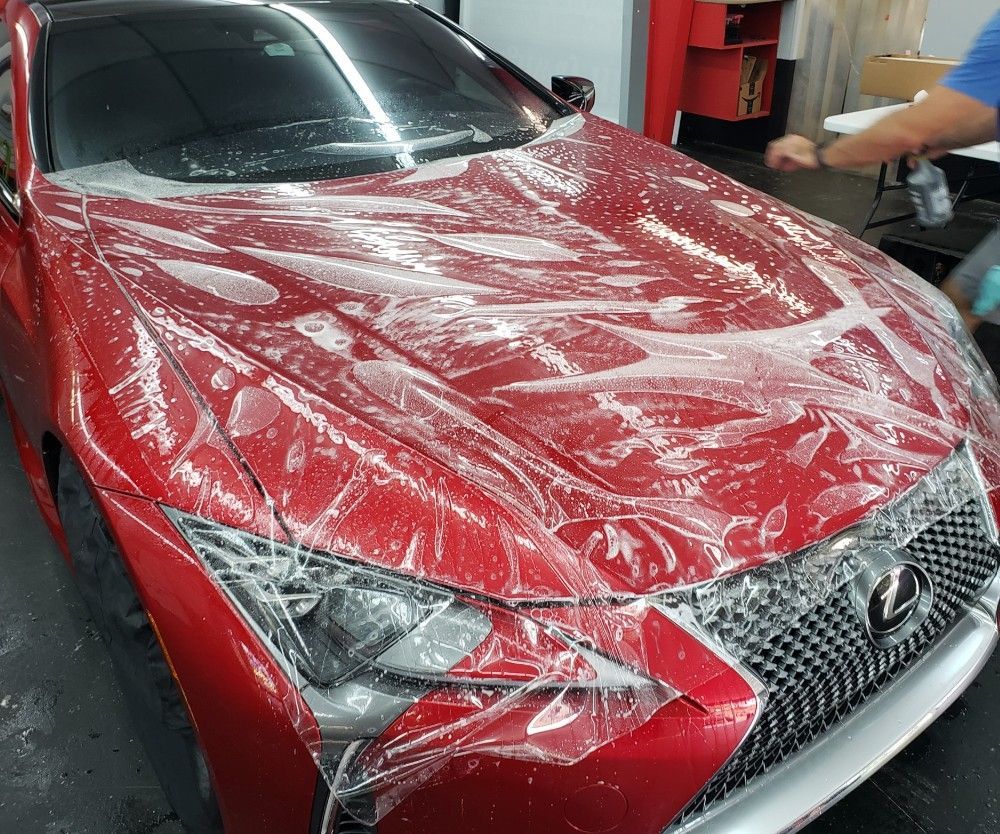
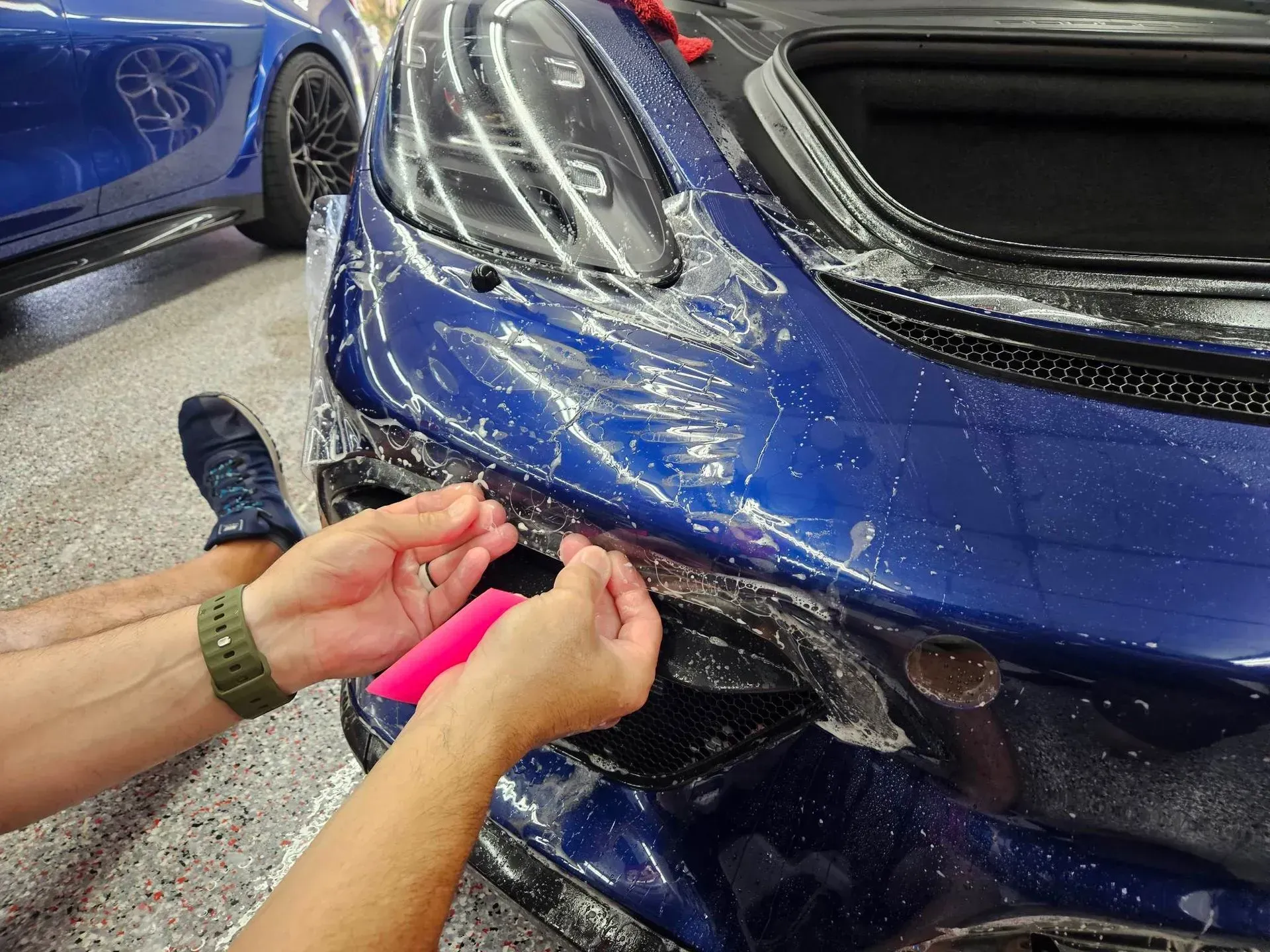
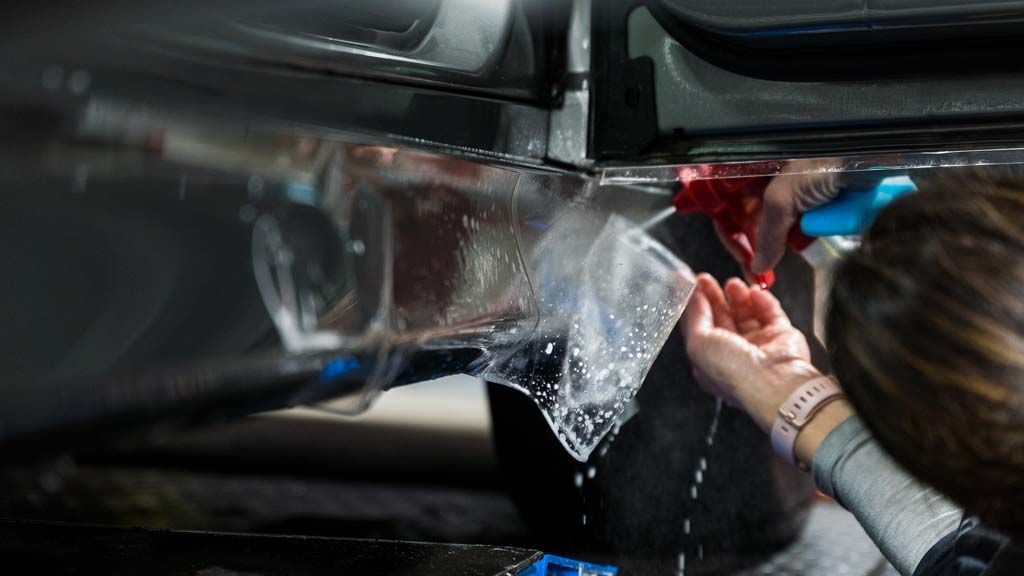
Thinner films like 6 mil are more pliable and easier to shape around tight curves, which lowers the risk of seams or edge lifting and speeds up installation, though they give up some durability. The popular 8 mil standard asks for more precision, offering more protection while staying reasonably flexible. Our installers at JL's Showroom Auto Salon use heat to soften the film and fit complex contours without trapping bubbles, plus lubricant sprays for precise repositioning before squeegeeing.
Heavier 10 mil films bring more challenges. Their rigidity provides strong defense but raises the stakes for careful handling: they need longer to bond, and their reduced stretch means installers must measure and cut each panel precisely, since mistakes are harder to smooth out once the film is down. Edge sealing matters too, since thick edges can catch moisture that leads to peeling. Every install at JL's Showroom Auto Salon starts with detailed surface prep before we use controlled tools and heat to manage each film's properties.
Long Term Durability and Maintenance
Film thickness plays a real role in durability. Thicker films, usually 8 to 10 mil, act as a more resilient shield against chips, abrasion, and fading, helping your car look newer longer and supporting resale value.
The catch is that thicker films can be less forgiving and ask for more attentive upkeep. If maintenance is neglected, or harsh cleaners and abrasive tools are used, the film can bubble or yellow sooner than it should, often when contaminants get trapped along the edges. That is why our team at JL's Showroom Auto Salon recommends a regular, gentle cleaning routine: soft microfiber towels, automotive soaps free of harsh solvents, and no automatic car washes with stiff brushes. Rinsing off road salt and bird droppings promptly also protects the adhesive bond and clarity, which matters here on the Space Coast.
Quality TPU films stay clear and flexible thanks to advanced formulations, and thicker, elastic films resist cracking better in freeze thaw climates. Many topcoats also self heal minor scratches when warmed by the sun, so with consistent care your finish keeps renewing itself. Skipping maintenance risks not only appearance but sometimes warranty coverage.
Tips for Getting the Most from Your PPF
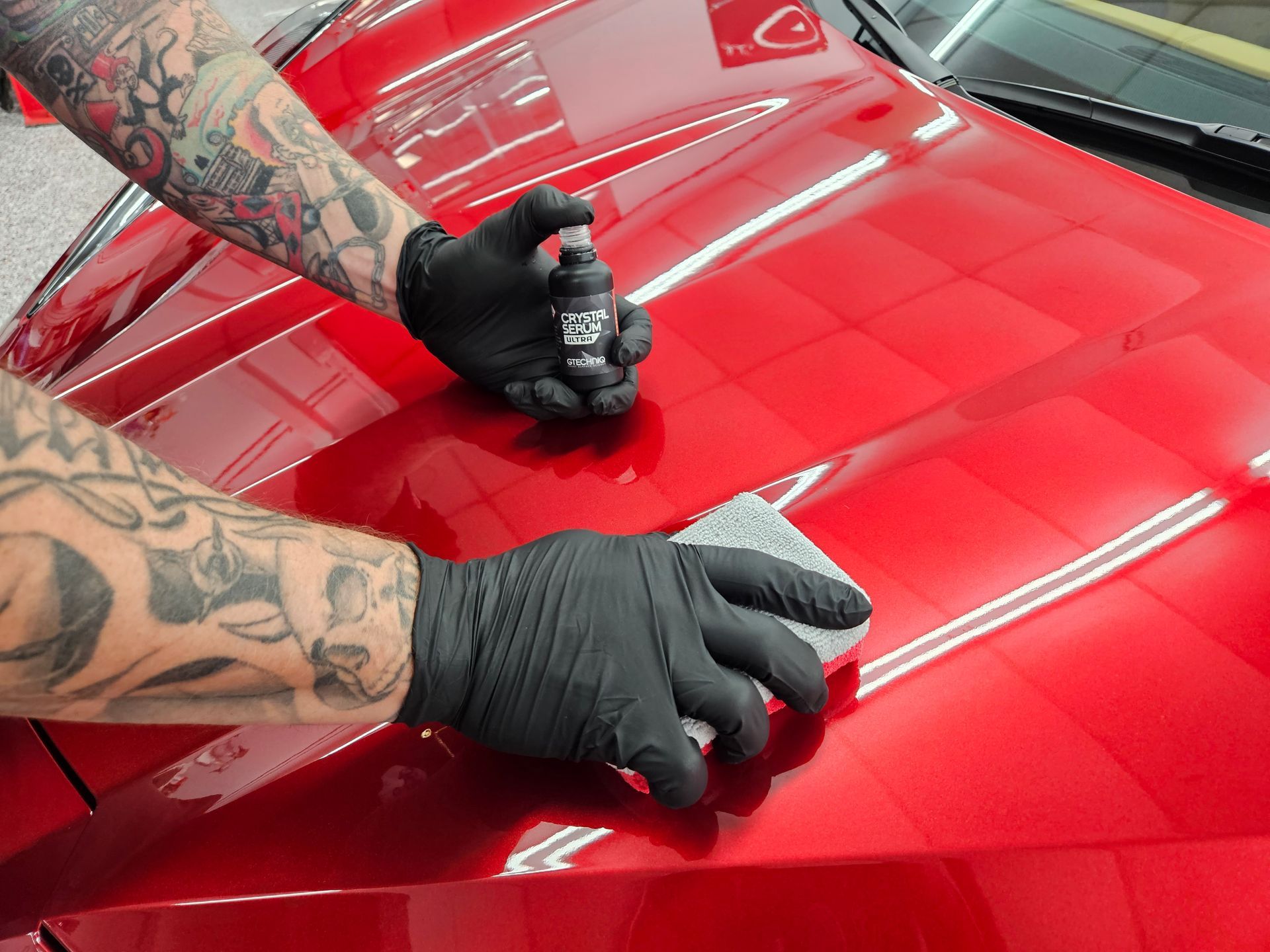
One of the best ways to boost your PPF's performance is to pair it with a quality ceramic coating. Together they create a water and stain resistant surface that makes liquids bead and slide off, cutting contamination buildup so dirt and bird droppings are less likely to cause damage.
Keeping that protection in top shape comes down to gentle washing. Reach for pH neutral soaps, and skip harsh detergents, household cleaners, and abrasive sponges that introduce fine scratches. Use plush microfiber towels or mitts that glide over the surface to preserve clarity and prevent swirl marks.
Regular inspection helps too, catching a tiny nick or lifting edge before it turns into a costly repair. For owners here in Melbourne, where intense sun and sandy conditions are the norm, schedule an inspection every six months or after long drives on gravel. Avoid parking under trees that drip sap, and choose products made for PPF rather than generic cleaners.
Protect Your Vehicle With the Right PPF Thickness
Choosing the right paint protection film is about finding the perfect balance between durability, appearance, and how you drive. Whether you need everyday protection, enhanced defense for highway driving, or maximum coverage for a high-performance vehicle, JL's Showroom Auto Salon can help you select the ideal PPF solution.
Our experienced team provides professional PPF installation using premium films like SunTek, ensuring a seamless finish, long-lasting protection, and a showroom-quality appearance. Schedule your free consultation today and discover the right protection for your vehicle.
Call at (321) 723-6976 or visit to schedule a consultation today to get started.
Relevant FAQs
Does thicker PPF provide better protection?
Thicker PPF generally provides stronger resistance against rock chips, scratches, and road debris because it can absorb more impact. However, the best choice depends on your driving habits, vehicle type, and the quality of the film rather than thickness alone.
What is the ideal PPF thickness for most vehicles?
For most daily drivers and premium vehicles, an 8 to 8.5 mil PPF offers the best balance of protection, flexibility, clarity, and appearance. It provides strong defense against common road hazards while maintaining a smooth, nearly invisible finish.
Is 10 mil PPF worth the extra cost?
A 10 mil PPF can be worthwhile for vehicles exposed to harsh conditions, frequent highway driving, off-road use, or owners who want maximum protection. However, thicker films require more precise installation due to reduced flexibility.
Does thicker PPF make a car look better?
Thicker PPF can enhance the depth and gloss of a vehicle's finish by providing a smoother protective layer and better resistance against minor surface damage. However, premium film quality and installation technique have a major impact on the final appearance.
Can thinner PPF still protect my vehicle?
Yes, thinner PPF around 6 to 7 mil can still protect against light scratches, minor chips, and environmental damage. It is often preferred for vehicles where maintaining maximum clarity and flexibility is the priority.
How long does PPF thickness affect the lifespan of the film?
Thicker, high-quality PPF typically offers better resistance against wear and impact, which can help extend its lifespan. Proper maintenance, installation quality, and environmental exposure also play important roles in how long the film lasts.
Does PPF thickness affect installation quality?
Yes. Thicker films are more rigid and require greater precision during installation, especially around curves and edges. Professional installation helps prevent issues like lifting, bubbling, or uneven coverage.
Can ceramic coating be applied over thicker PPF?
Yes, ceramic coatings can be applied over PPF to add hydrophobic properties, simplify maintenance, and provide additional protection against contaminants while enhancing gloss.