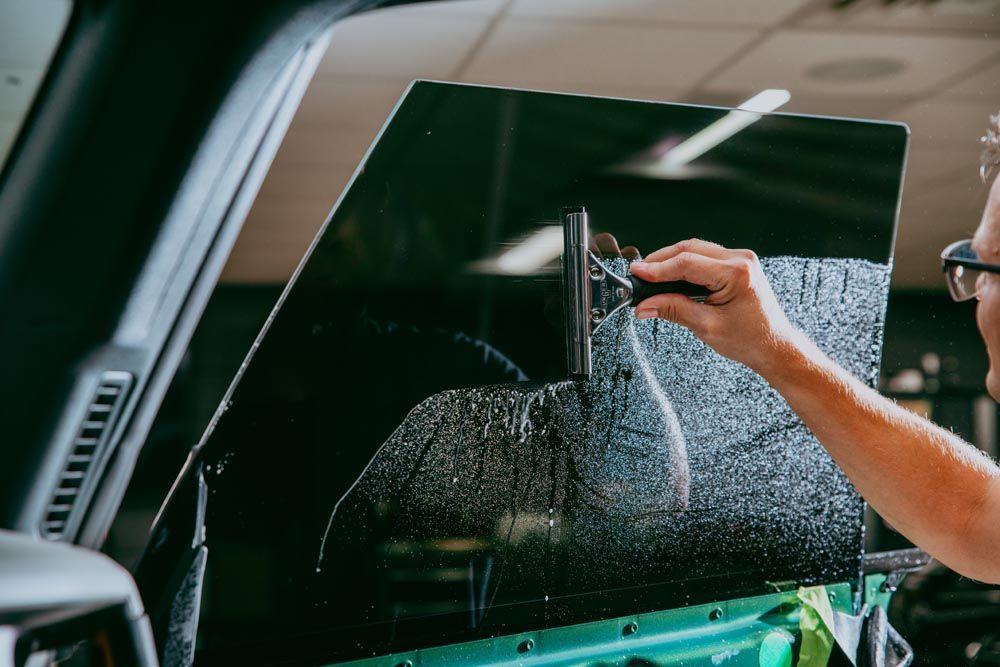
How Often Should You Inspect Your Car’s Protective Layers? Frequency and Care Guide
You should visually inspect your car’s protective layers regularly and give them a closer check whenever you notice changes in appearance, texture, water behavior, or film edges. There is no single inspection interval that works for every ceramic coating, paint protection film, wax, or sealant. How often you need to check these surfaces depends on the type of protection, how frequently you drive, where the vehicle is parked, how it is washed, and the environmental conditions it encounters.
For vehicle owners in Melbourne, Florida, regular inspections can be especially useful because year-round sun, heat, rain, insects, road contamination, and outdoor exposure can affect protected surfaces over time. A quick visual check during routine washing, combined with periodic professional evaluations, can help you identify concerns before they become more difficult to address.
Why Inspecting Your Car’s Protective Layers Matters
Paint protection products are designed to help maintain the appearance of your vehicle, but they are not maintenance-free.
Different products serve different purposes. Wax and sealants can add temporary surface protection and gloss. Ceramic coatings create a durable, hydrophobic surface that can make routine cleaning easier. Paint protection film, or PPF, provides a physical barrier over painted surfaces and can help protect vulnerable areas from road debris and minor surface damage.
JL’s Showroom Auto Salon currently offers Gtechniq ceramic coating packages as well as SunTek paint protection film for vehicle owners in Melbourne and the surrounding Brevard County area.
Whatever protection your vehicle has, regular inspection gives you an opportunity to notice changes such as contamination, reduced water behavior, film edge lifting, staining, unusual texture, or visible damage.
For owners who take pride in keeping a vehicle looking its best, inspections should be viewed as part of routine ownership rather than something reserved for when a major problem appears.
How Often Should You Check Paint Protection?
A practical approach is to perform a simple visual inspection whenever you wash the vehicle. This does not require specialized equipment. Look carefully at the paint, PPF edges, high-impact areas, and surfaces where contaminants tend to collect.
A more detailed inspection can be useful periodically, particularly after unusually demanding driving conditions.
Your vehicle may benefit from more frequent attention if it:
- Is parked outdoors for extended periods
- Is driven frequently on highways
- Accumulates insects, bird droppings, sap, or other contamination
- Is exposed to heavy rain or standing water regularly
- Travels long distances
- Has recently encountered construction debris or rough road conditions
Rather than relying on an arbitrary calendar interval, pay attention to how the protection is performing and whether its appearance or behavior has changed.
Florida Conditions Can Affect Your Maintenance Routine
Vehicle protection in Melbourne, Florida faces a different set of conditions than protection installed on vehicles in colder regions.
Strong sunlight, warm temperatures, humidity, rain, insects, and year-round driving can all contribute to contamination and maintenance demands. Vehicles parked outdoors for much of the day may require closer monitoring than cars stored in a garage.
This does not mean car ceramic coatings or PPF suddenly stop working because of Florida weather. Instead, local conditions make consistent washing and inspection more important.
For example, bug residue and bird droppings should not be allowed to remain on protected surfaces unnecessarily. Contaminants may become more difficult to remove when they remain on a warm surface for an extended period.
Regular care helps give protective products the conditions they need to perform as intended.
How to Inspect Ceramic Coating
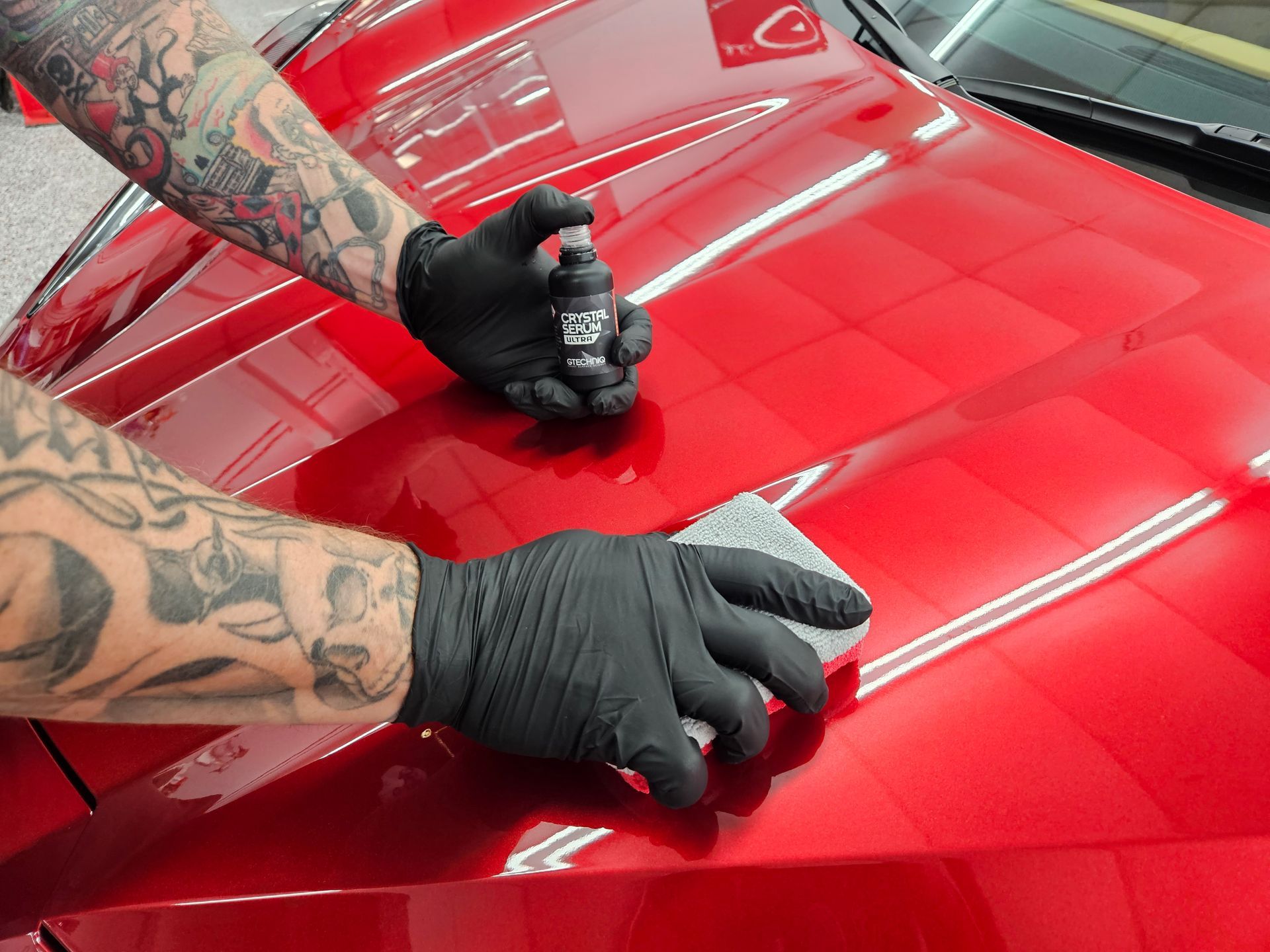
Ceramic coating is not a thick physical shield against rock impacts or scratches. Its strengths are different. A professionally applied coating can improve gloss, create hydrophobic surface characteristics, and help make routine cleaning easier.
JL’s Showroom Auto Salon offers multiple Gtechniq ceramic coating options for customers in Melbourne, including longer-term packages designed for different protection goals.
When inspecting a coated vehicle, pay attention to how the surface looks and behaves.
Look for Changes in Water Behavior
Ceramic coatings are known for hydrophobic properties, so changes in water behavior can be useful indicators that the surface deserves attention.
Reduced beading does not automatically mean the coating has failed. Mineral deposits, traffic film, soap residue, environmental contamination, and other buildup can interfere with surface behavior.
A professional decontamination or maintenance service may restore performance without requiring complete replacement of the coating.
Check for Contamination and Roughness
A coated surface should not necessarily feel permanently glass-smooth, especially after normal driving.
Environmental fallout can accumulate on top of the coating. If the paint begins to feel noticeably rough or becomes difficult to clean, the vehicle may need more thorough decontamination.
Avoid aggressively polishing a coated surface without understanding how the process could affect the coating.
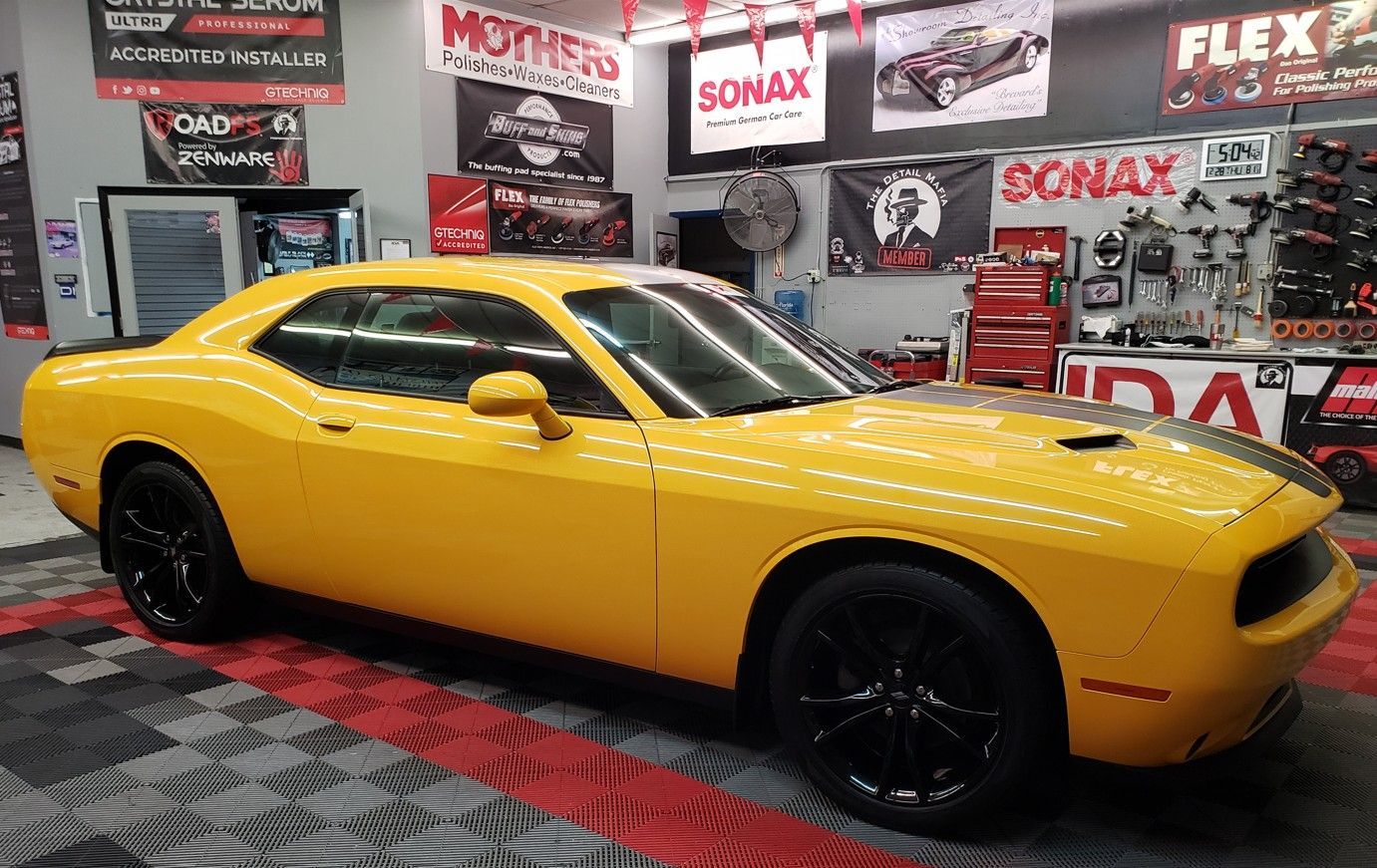
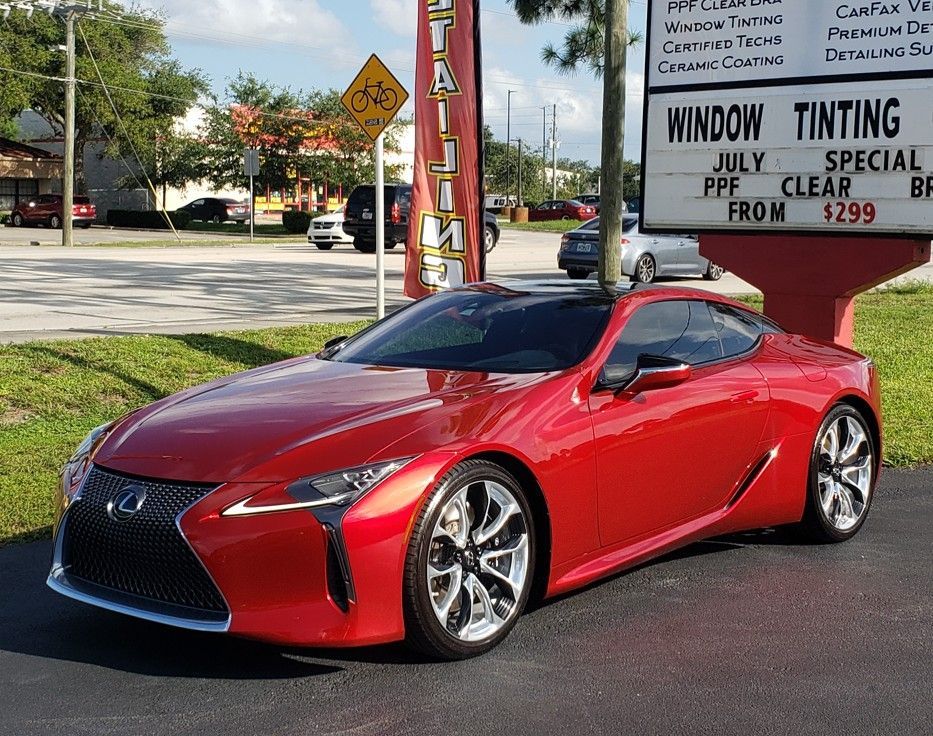
How to Inspect Paint Protection Film
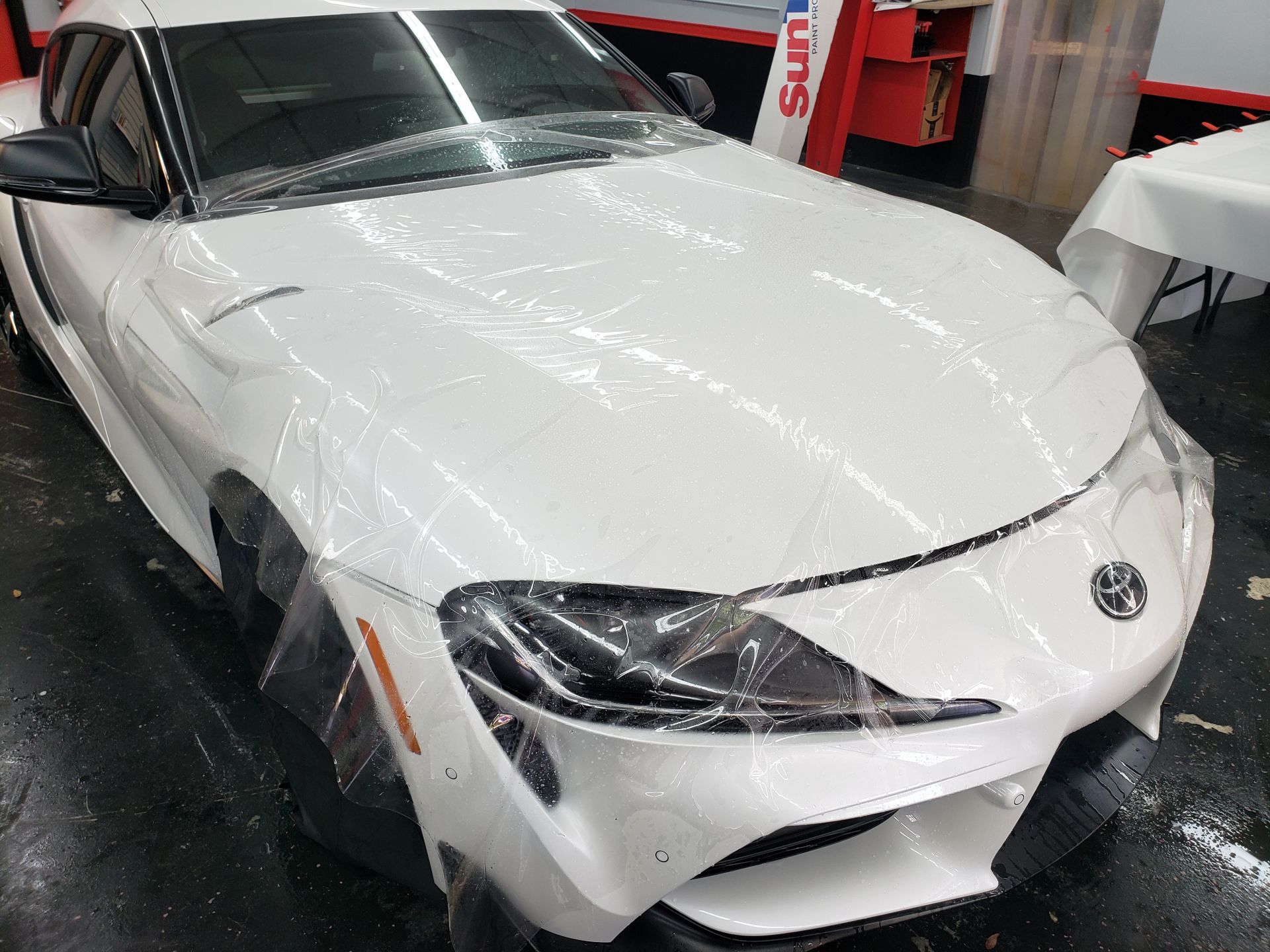
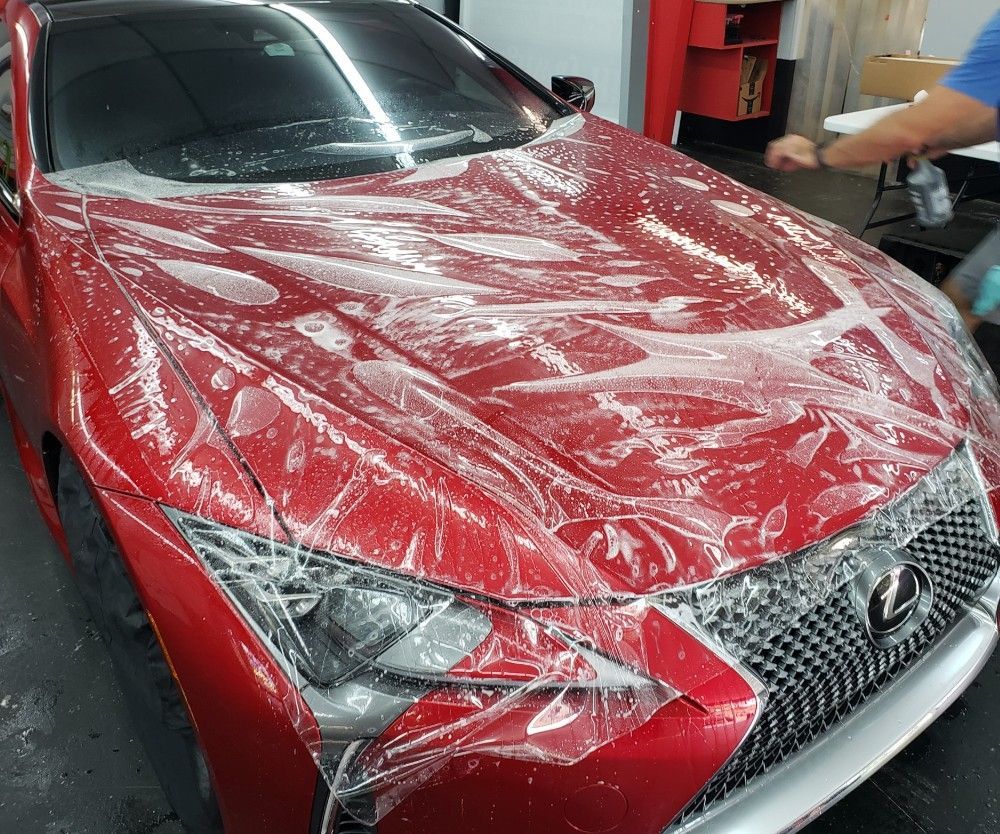
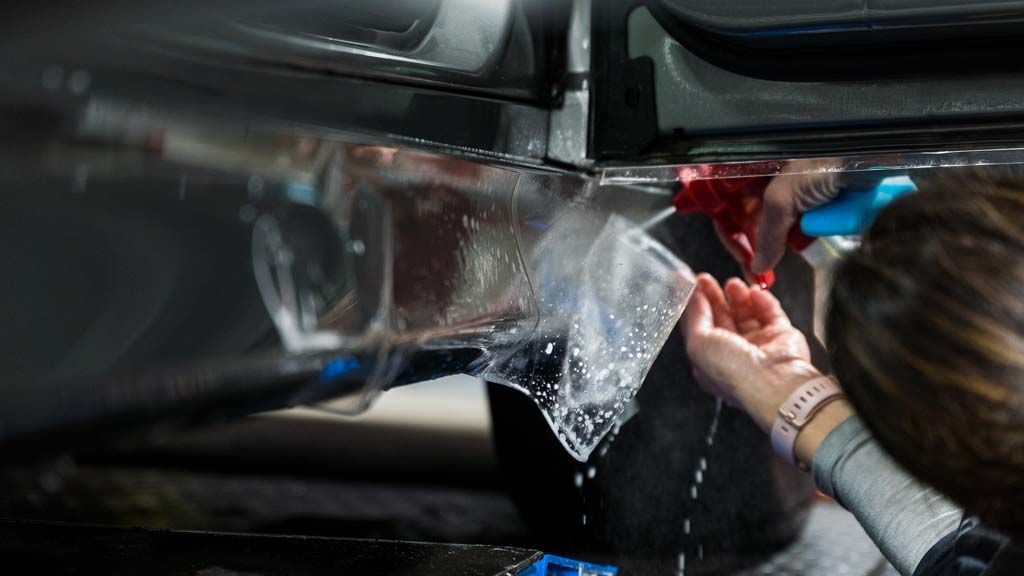
Car PPF requires a slightly different inspection because it is an actual film installed over painted surfaces.
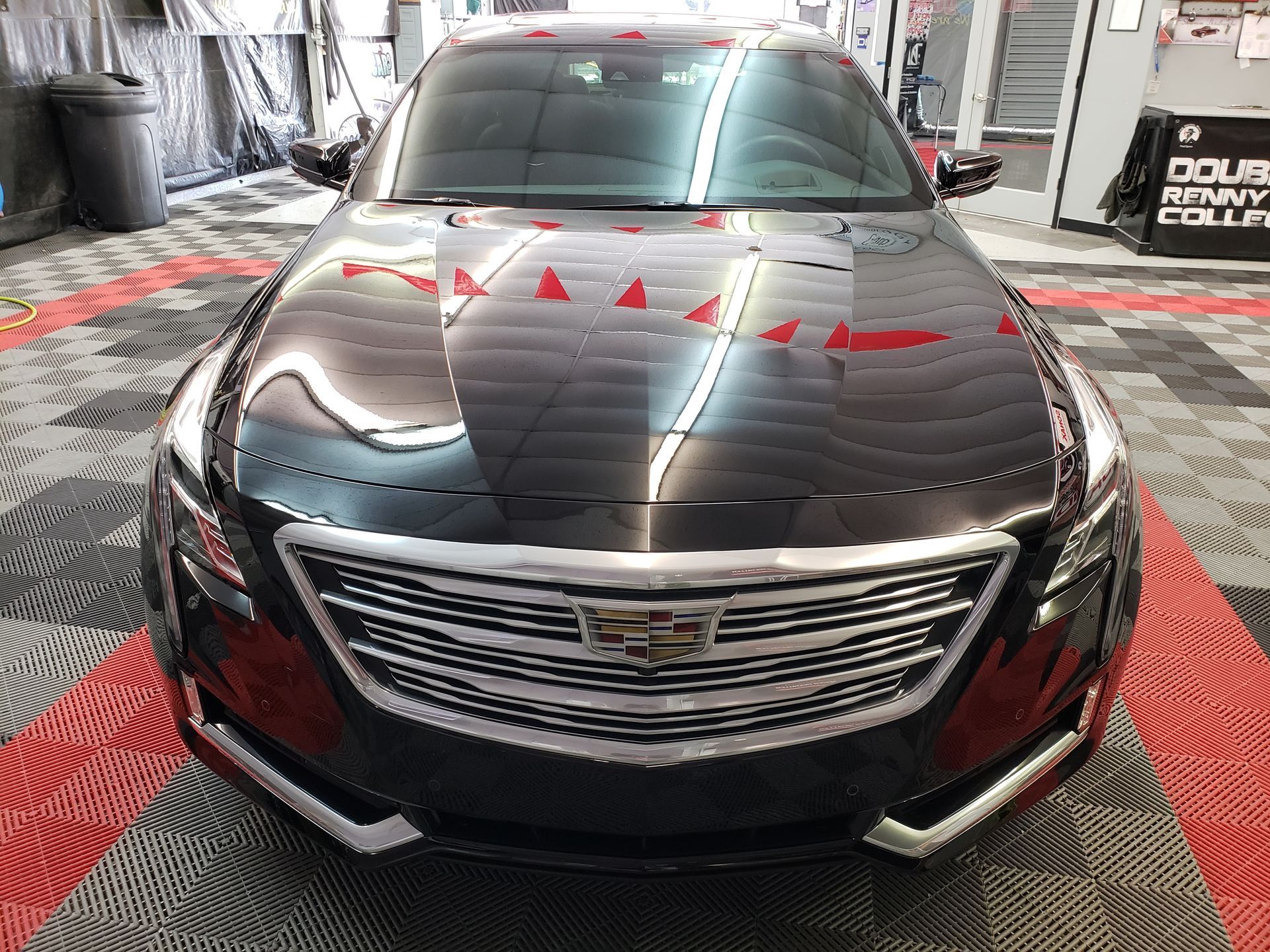
JL’s Showroom Auto Salon installs SunTek PPF packages in Melbourne, including coverage options for areas such as bumpers, mirrors, hoods, and front fenders.
During an inspection, focus on both the surface of the film and its edges.
Check Film Edges
Look for edges that appear to be lifting, collecting unusual amounts of dirt, or separating from the surface.
Avoid picking at an edge or attempting to push it back into place yourself. Manipulating an affected area can make professional correction more difficult.
Look for Cuts or Impact Damage
PPF is intended to act as a barrier between the environment and the painted surface underneath, but it is not indestructible.
Examine high-impact areas such as the front bumper, hood, mirrors, rocker areas, and other sections that regularly encounter road debris. A damaged section should be evaluated to determine whether the film can remain in place or should be replaced.
Pay Attention to Appearance Changes
Persistent staining, unusual discoloration, haziness, or other visible changes deserve attention, particularly when normal washing does not resolve them.
A professional installer can determine whether you are seeing surface contamination or an issue with the film itself.
Your Washing Routine Matters as Much as Inspection
Inspection and maintenance work together. Allowing dirt and contaminants to accumulate for long periods can make cleaning more difficult regardless of whether the vehicle has wax, ceramic coating, or PPF.
Use gentle washing techniques and products appropriate for your vehicle's protective surfaces. Remove loose contamination before physically contacting the paint, use clean wash media, and dry the vehicle carefully.
Automatic washes with aggressive brushes can also introduce unwanted surface contact. Owners who have invested in professional paint protection may prefer careful hand-washing methods that reduce unnecessary abrasion.
If your protection requires specific maintenance products or procedures, follow the guidance provided by your professional installer.
When Should You Schedule a Professional Inspection?
You do not need to visit a detailer every time water stops beading perfectly or you notice a small amount of contamination.
Professional evaluation becomes more valuable when you see persistent or unexplained changes.
Consider having the vehicle inspected when you notice:
- PPF edges beginning to lift
- Cuts, tears, or significant damage to the film
- Persistent staining or discoloration
- Unusual roughness that normal washing does not resolve
- Significant changes in ceramic coating behavior
- Contamination you cannot safely remove
- Damage following a long trip or significant road exposure
Professional inspection is also useful when you simply are not sure whether a surface needs cleaning, maintenance, correction, or replacement.
Protect Your Vehicle With Professional Care in Melbourne, FL
Paint protection performs best when installation, maintenance, and inspection work together.
If you have ceramic coating or paint protection film on your vehicle and are unsure about its current condition, JL’s Showroom Auto Salon can evaluate the protected surfaces and recommend appropriate next steps. The Melbourne facility offers professional ceramic coating, SunTek PPF, exterior detailing, and other vehicle protection services.
Explore professional ceramic coating services if your goal is improved gloss, hydrophobic performance, and easier ongoing maintenance.
If physical paint protection is your priority, learn more about paint protection film installation and available coverage options.
Call us at (321) 723-6976 or schedule a free in-person consultation with JL’s Showroom Auto Salon to have your vehicle evaluated and discuss the right maintenance or protection strategy for your needs. The business currently lists its facility at 515 S. Wickham Road in Melbourne, Florida.
FAQs About Inspecting Vehicle Protection
How often should I inspect ceramic coating on my car?
Check the coated surfaces visually during routine washing and pay attention to changes in gloss, contamination, water behavior, or surface texture. There is no universal inspection schedule because coating condition depends on the product, vehicle use, storage, environment, and maintenance routine.
How often should I inspect paint protection film?
Inspect PPF whenever you wash the vehicle and look closely at the edges and high-impact areas. Additional inspection is sensible after long highway trips, encounters with road debris, or whenever you notice lifting, staining, cuts, or other changes.
Does reduced water beading mean my ceramic coating has failed?
Not necessarily. Contamination, mineral deposits, soap residue, and traffic film can interfere with hydrophobic behavior. Cleaning or professional decontamination may improve performance. Have the coating evaluated before assuming that it needs to be replaced.
What are the signs that PPF should be professionally inspected?
Lifting edges, tears, punctures, persistent staining, unusual discoloration, or visible damage are good reasons to have the film inspected. Avoid trying to peel, trim, heat, or reattach the film yourself.
Can ceramic coating prevent scratches and rock chips?
Ceramic coating should not be treated as a substitute for paint protection film. Ceramic coatings primarily provide surface properties such as hydrophobic behavior, easier cleaning, gloss, and resistance to certain environmental contamination. PPF provides a physical barrier better suited to protecting vulnerable painted areas from road debris and minor surface impacts.
Can I have ceramic coating and PPF on the same vehicle?
Yes. These products can serve complementary purposes when properly selected and professionally installed. PPF can provide a physical protective barrier on vulnerable panels, while ceramic coating can add hydrophobic properties and simplify maintenance. JL’s Showroom Auto Salon offers both types of vehicle protection in Melbourne, Florida.
Should I inspect my vehicle after a long road trip?
Yes. Long trips can expose the vehicle to insects, road grime, debris, rain, and other contaminants. Inspecting the vehicle and washing it appropriately after the trip can help you identify contamination or damage before it remains on the surface for an extended period.
What should I do if I notice an issue with my protective layer?
Avoid aggressive polishing, scraping, heating, peeling, or using unfamiliar chemicals on the affected area. Clean the vehicle using appropriate methods and have persistent problems evaluated by a professional installer or detailer.