Leased vs. Owned Vehicles: Should You Invest in Paint Protection or Repairs?
If you own your car or plan to buy out your lease, paint protection film (PPF) and ceramic coating are usually worth it, because you keep the benefit for years and avoid paying to fix chips and swirls later. If you lease and plan to return the car, a targeted front-end PPF package or a ceramic coating matched to your lease term usually makes more sense than full coverage, and for low-mileage, garage-kept cars, budgeting for small repairs at turn-in can be enough. Your lease contract, commute, and timeline decide which route pays off.
Here is how we help Brevard County drivers weigh protection against repairs at JL's Showroom Auto Salon in Melbourne, whether the car is theirs to keep or due back at the dealership in 36 months.
Leased vs. Owned: Different Paint Protection Priorities
When you own a vehicle, the timeline is yours. You might keep a truck for a decade, drive it through salt air near the beaches and gravel on I-95, and still want it looking sharp when you sell or trade it. Protection is a long game here, with the cost spread across years of use.
Leasing compresses that timeline into 24 to 48 months, and the contract you signed on day one defines what counts as acceptable at turn-in. Many leasing companies measure damage against a credit-card-size template, so scratches and dents larger than a credit card are commonly chargeable, while a small dent with intact paint usually passes. Some contracts also limit how many small dents a single panel can have. Ask what "excess wear" means, in writing, before you sign.
That contract is the most important document in your protection decision, and ignoring it is how drivers end up applying ownership thinking to a lease, or the reverse.
Planning to Buy Out Your Lease?
If there is a real chance you will buy the car at the end of the term, treat it like an owned vehicle. A buyout typically skips the turn-in inspection and the car becomes yours as-is, so every chip the film prevents is one you will not be living with later.
Lease Returns, Paint Damage, and Repair Costs
Lease-end damage charges are often higher than what an independent shop would charge to fix the same issue beforehand, so preparation pays. Start at least two months before your lease ends. Most leasing companies let you schedule a pre-return inspection several weeks ahead. Walk the car with the inspector, get the damage list in writing, and price repairs independently before you hand back the keys.
Not every item on that list needs a body shop. Light scratches and swirls often respond to polishing, and our paint correction packages range from a 1-step enhancement polish that removes up to 50 to 70% of light scratches and swirls to a 2-step correction that removes up to 80% of scratches and defects. Dents and deeper damage are a job for a paintless dent repair or body shop. A thorough interior detail and the original floor mats back in place round out the impression the car makes at inspection.
For a leased car, the question becomes simple: will a front-end PPF package cost less than the damage charges you are likely to face? If you drive 15,000 miles a year on highways with heavy truck traffic, the answer often leans yes. If you garage the car and drive short local routes, small chips usually fall under normal wear, and budgeting for minor repairs may be enough.
You do not need to protect every square inch of a car you are giving back, only the panels most likely to trigger a charge.
| Scenario | Likely End-of-Lease Concern | Protection Approach |
|---|---|---|
| Highway commuter, 15,000+ miles a year | Rock chips on hood and bumper | Partial Front or Full Front PPF |
| Garage-kept, local driving only | Minor door dings, light swirls | Pre-return polish and small repairs |
| Parked outdoors near the coast | Salt residue, sun fading | Front-end PPF plus ceramic coating |
| Short lease (24 months) | Minimal wear expected | Single-layer ceramic coating or sealant |
| Planning to buy out | Long-term chips and wear | Protect it like an owned car |
PPF Costs, Coverage, and Ceramic Coating
Paint Protection Film Pricing and Coverage
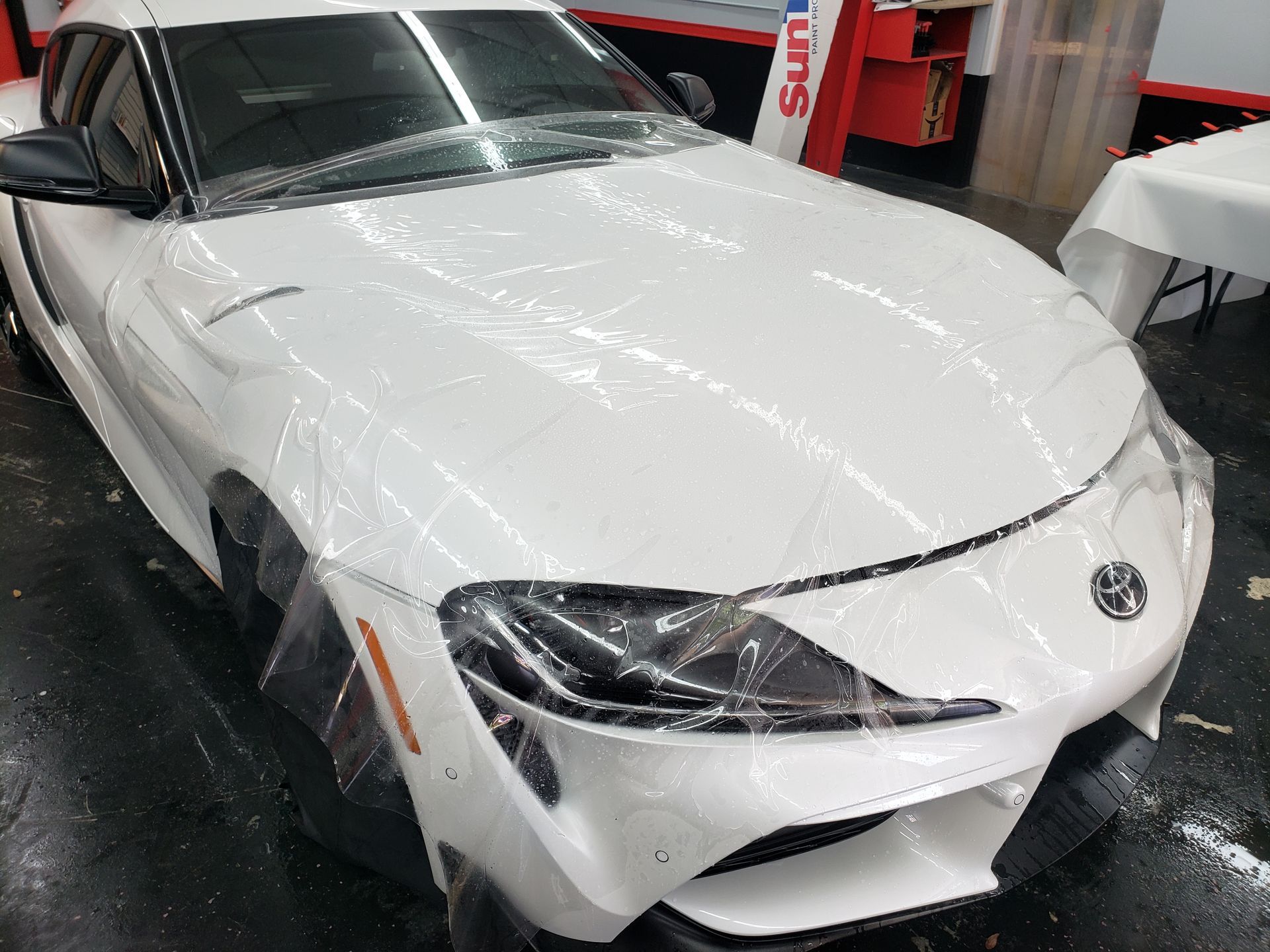
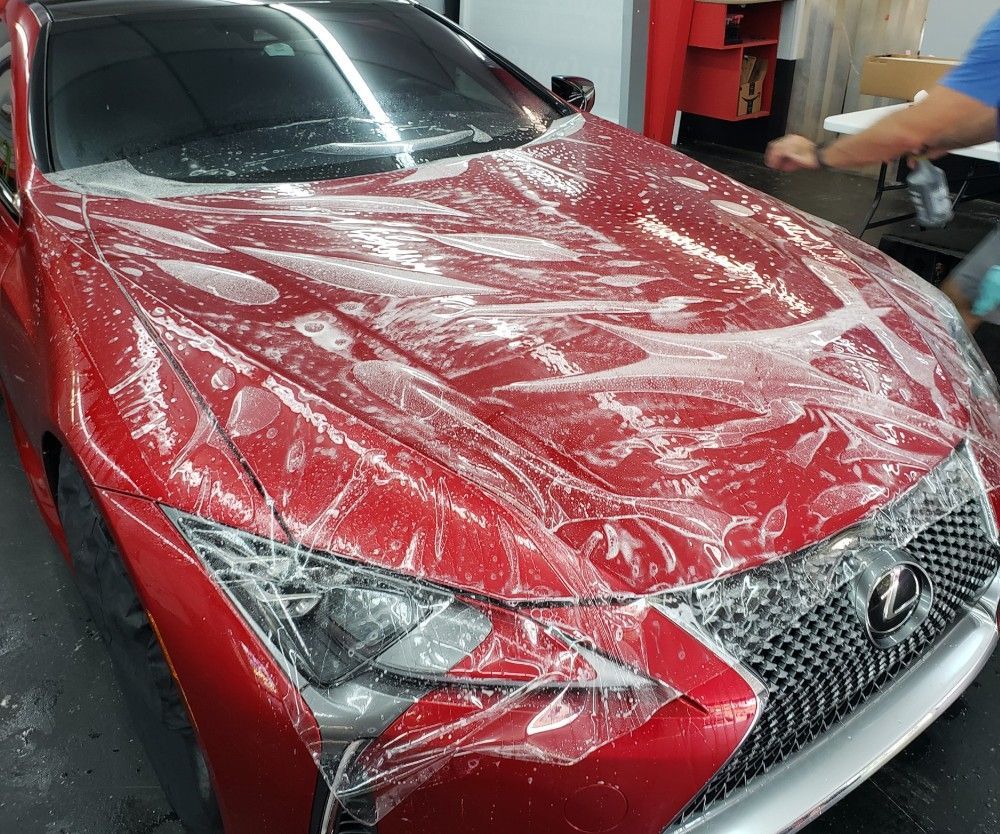
PPF pricing depends on vehicle size, panel complexity, and how much of the car you cover. Our SunTek Reaction PPF packages start at $800 for Basic Road coverage of the front bumper and mirrors. Partial Front adds a partial hood and partial front fenders, and Full Front covers the full hood and full front fenders, with headlights optional on both. Every package carries a 12-year manufacturer's limited warranty, and pricing varies by make and model.
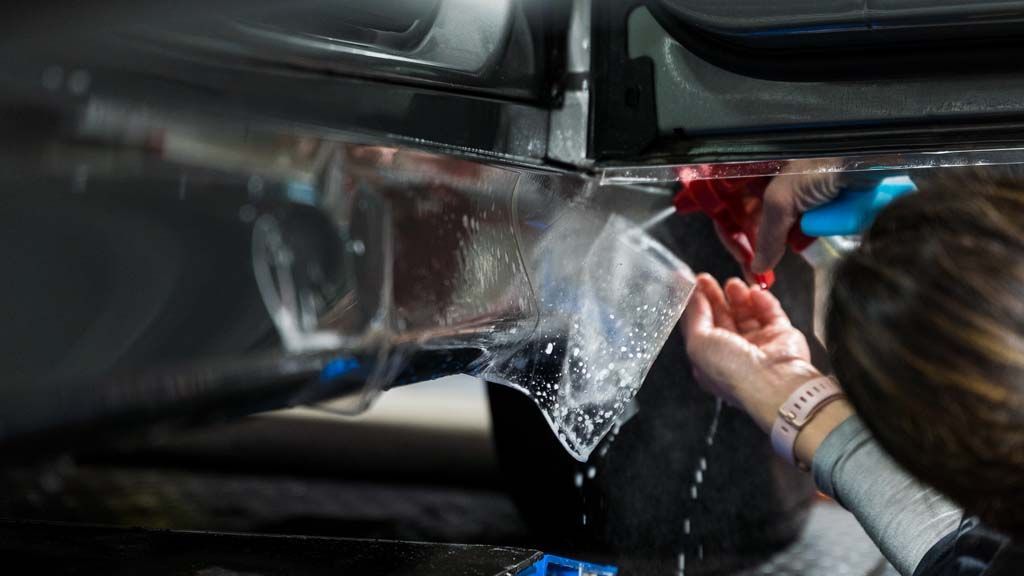
The film is a clear, flexible urethane layer that takes debris impacts instead of your clear coat. SunTek Reaction uses self-healing Tetrashield technology, so light swirls in the film can fade with heat from the sun or the engine, and its water-repelling top layer helps it stay cleaner between washes. Upkeep is regular hand washing with a pH-neutral soap.
Ceramic Coating Pricing and Lifespan
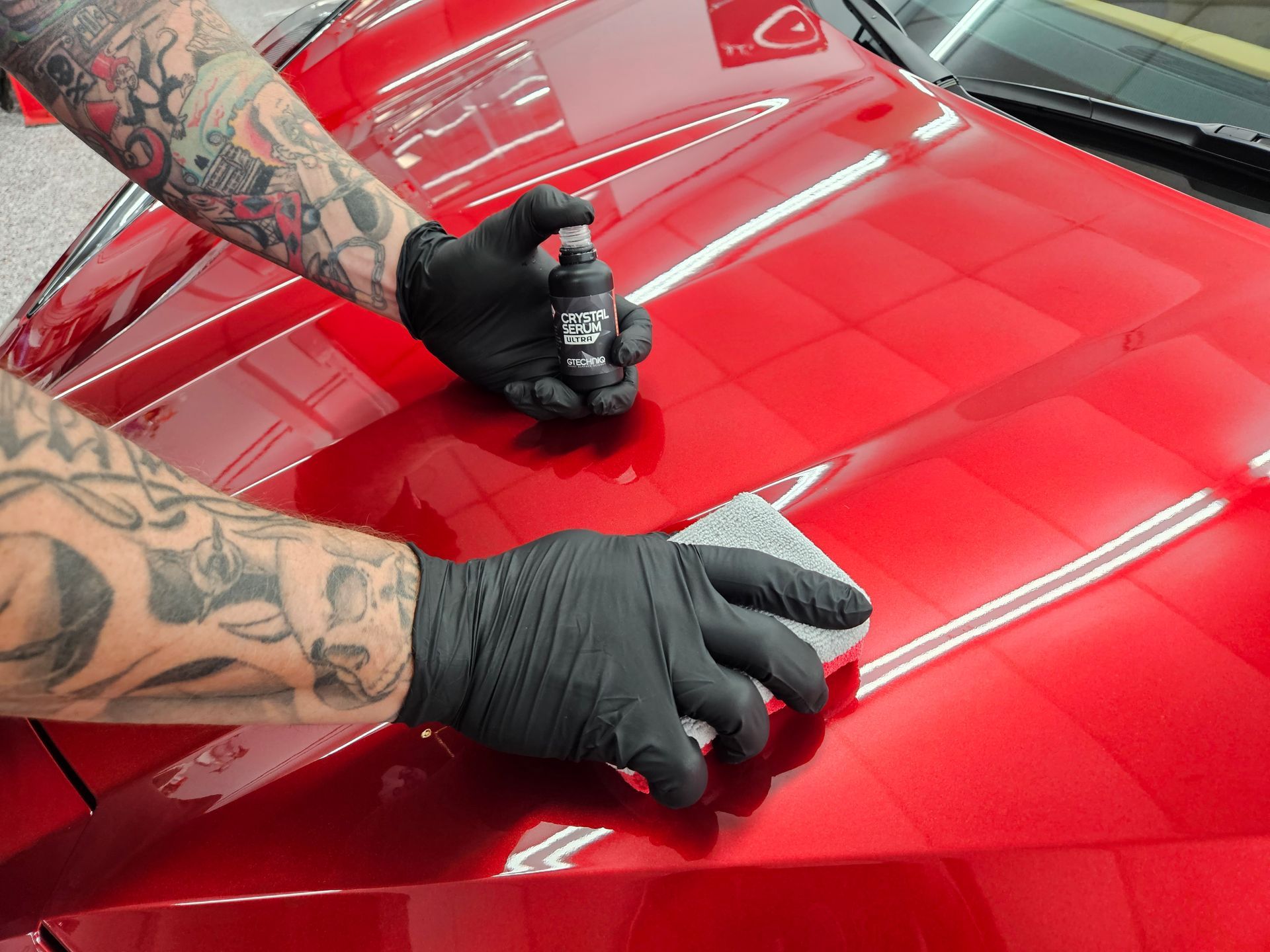
Ceramic coating serves a different purpose. It will not stop a rock chip, but it creates a slick, hydrophobic layer that beads water, keeps paint glossy, and makes washing faster. Our ceramic coatings start at $450 for a single-layer coating rated for 2 to 3 years and run to $1,350 for our 9-year Gtechniq Crystal Serum Ultra and EXO package, with a 4+ year graphene option and a 5-year Gtechniq option in between. A 2 to 3 year coating fits a 36-month lease, while multi-year coatings make more sense on a car you keep.
If you combine the two, order matters. PPF goes on first because its adhesive needs to bond to clean, uncoated paint, and a coating applied underneath can interfere with that bond. The coating then protects the remaining painted surfaces.
Think of PPF as the armor and ceramic coating as the finish on that armor. If you want coverage beyond the front end on a car you plan to keep, bring it up at your consultation.
When Paint Protection May Be Worth It
Not every car needs PPF. If your vehicle lives in a garage, sees a few thousand miles a year, and a few small bumper chips do not bother you, front-end film may not be the best use of that money.
On resale value, the honest answer is that PPF does not add a dramatic, measurable percentage to your trade-in. What it does is keep the paint underneath in better condition, so you avoid the deductions a buyer or dealer makes for visible chips and swirl marks.
Where protection earns its cost is in the daily grind: highway miles behind trucks on I-95, Florida sun baking the clear coat year after year, salt air near the coast, and lovebug seasons that leave residue on the front end. For owners, the return is a car that looks newer for longer, and our transparent Warranties can cover the paint beneath the film against chipping, scratching, and pitting.
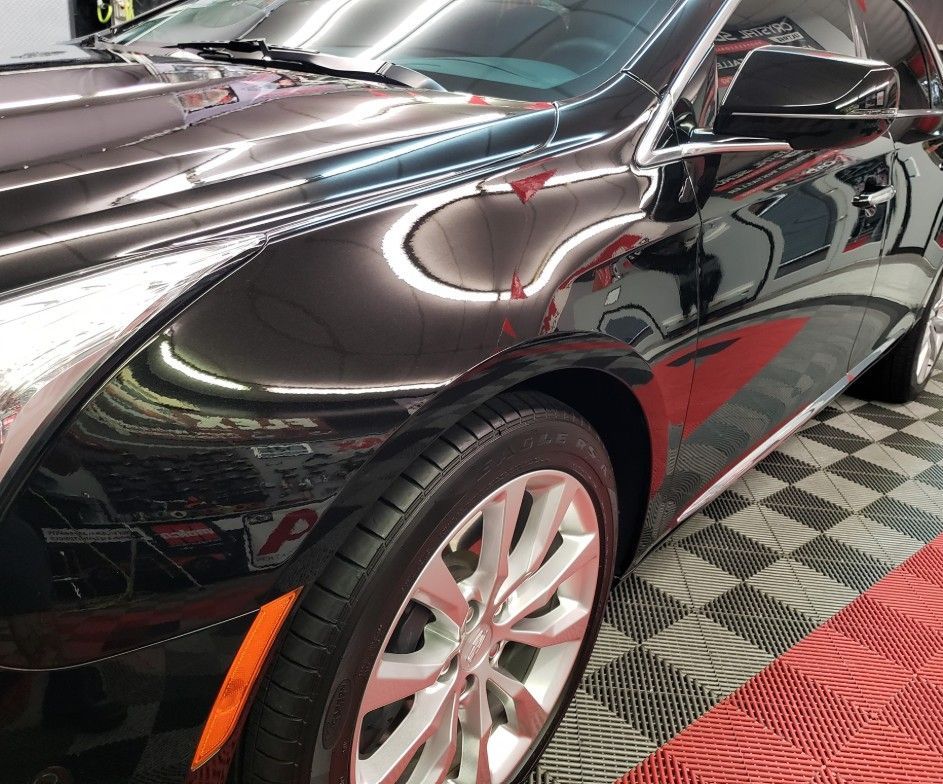
For leased vehicles, you are protecting yourself from a surprise charge at turn-in. If your lease contract is strict, your commute is highway-heavy, and the car is a color that shows every imperfection (black and dark blue are the usual suspects), a front-end PPF package can pay for itself in avoided charges and peace of mind.
Choosing Protection for Your Vehicle
The decision comes down to how long you will keep the car, how you drive it, and what your budget allows. A leased commuter on I-95 benefits from a front-end PPF package and a ceramic coating sized to the lease term. A garaged weekend car with 3,000 miles a year needs little more than a careful wash routine and perhaps a light coating for gloss. An owned vehicle you plan to drive for ten years through sun, rain, and highway debris is a strong candidate for Full Front PPF and a long-term Gtechniq coating. Our guide, Is PPF Worth It in Melbourne, FL?, covers the local case in more detail.
Get a Lease-Smart Protection Plan from JL's Showroom Auto Salon
Whether you are two years into a lease or just signed the title on a car you plan to keep for good, JL's Showroom Auto Salon will help you spend the right amount, not too much and not too little. At your free, in-person consultation, we walk the panels with you, ask about your lease terms, commute, and paint color, and recommend the PPF coverage, ceramic coating, or pre-return polish that fits your situation. Our IDA certified and skills validated technicians have cared for Brevard County vehicles since 2008.
Call (321) 723-6976, stop by 515 S Wickham Rd in Melbourne, or schedule your free consultation online. We serve drivers in Melbourne, Viera, and across Brevard County.
Frequently Asked Questions
Is PPF worth it on a leased car?
It depends on your commute and contract. For highway-heavy driving or strict lease terms, front-end PPF can prevent chargeable damage. For low-mileage, garage-kept leases, budgeting for minor repairs is often enough.
Are rock chips considered normal wear and tear on a lease?
Small chips are often treated as normal wear, but standards vary by leasing company. Many use a credit-card-size template for scratches and dents, so check your contract's excess wear guidelines before turn-in.
Can I put PPF or ceramic coating on a leased car?
Generally, yes. Clear PPF and ceramic coating protect the factory paint without changing it, but review your lease for any language about aftermarket modifications before installation.
What should I do two months before my lease ends?
Schedule the pre-return inspection, get the damage list in writing, and price repairs independently. A polish can often address light scratches and swirls, and a full detail helps the car make a good impression at inspection.
How long does ceramic coating last?
Our coatings range from 2 to 3 years for a single-layer coating to up to 9 years for our top Gtechniq package. Every coating eventually needs to be reapplied, and regular professional decontamination helps it perform.
Which is better for a lease, PPF or ceramic coating?
For impact protection on a highway commuter, PPF. For easier washing and gloss at a lower cost, a ceramic coating matched to your lease term. Highway commuters often get the best value from front-end PPF plus a coating on the rest of the car.