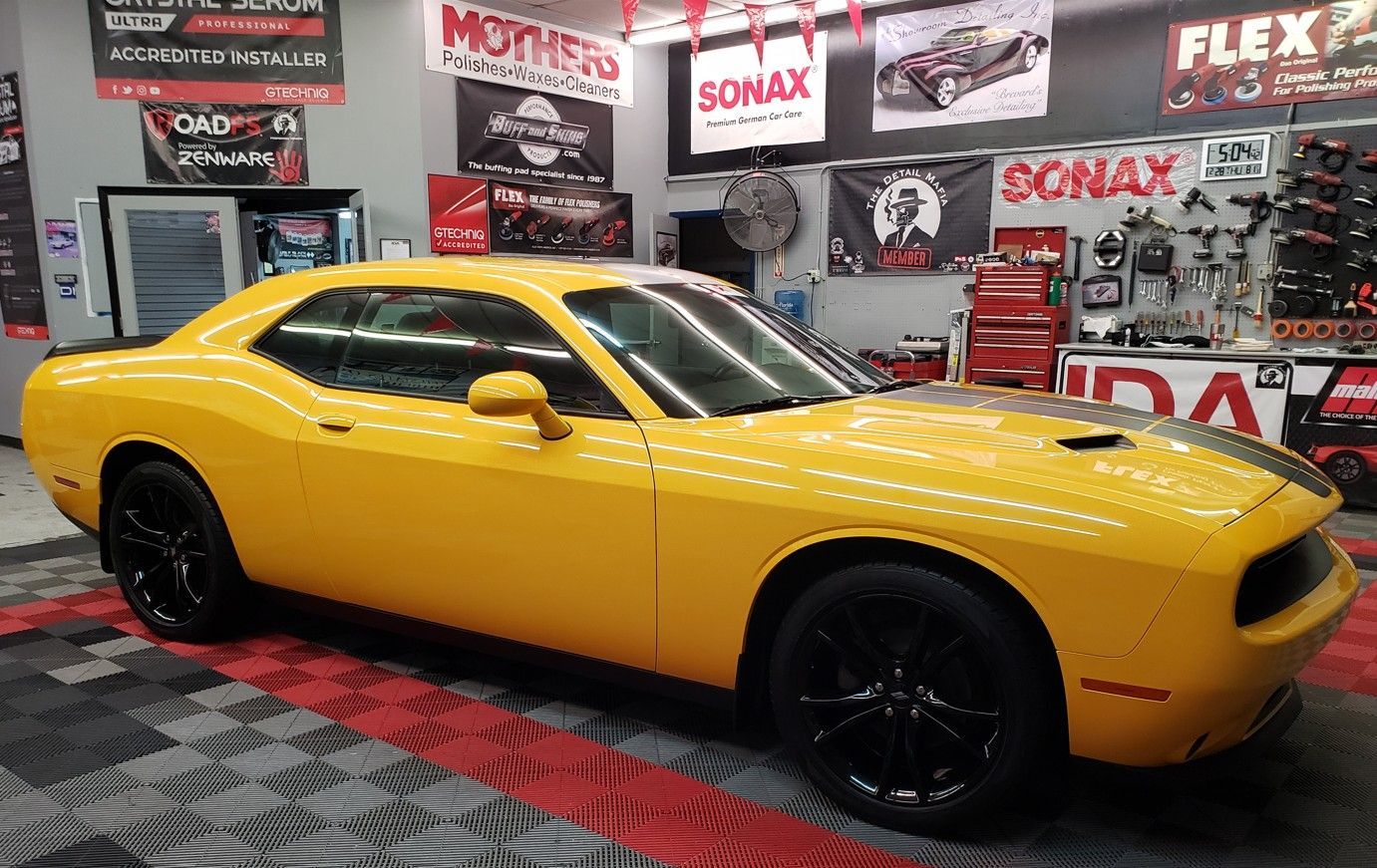
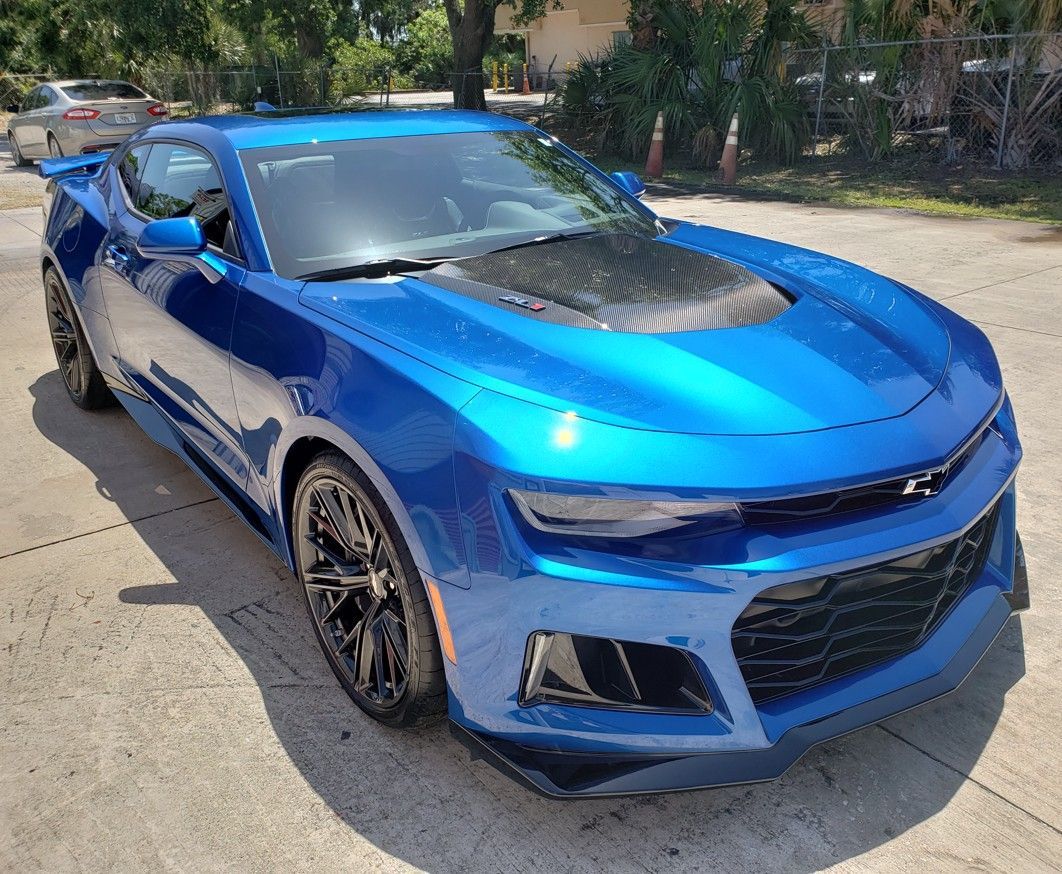
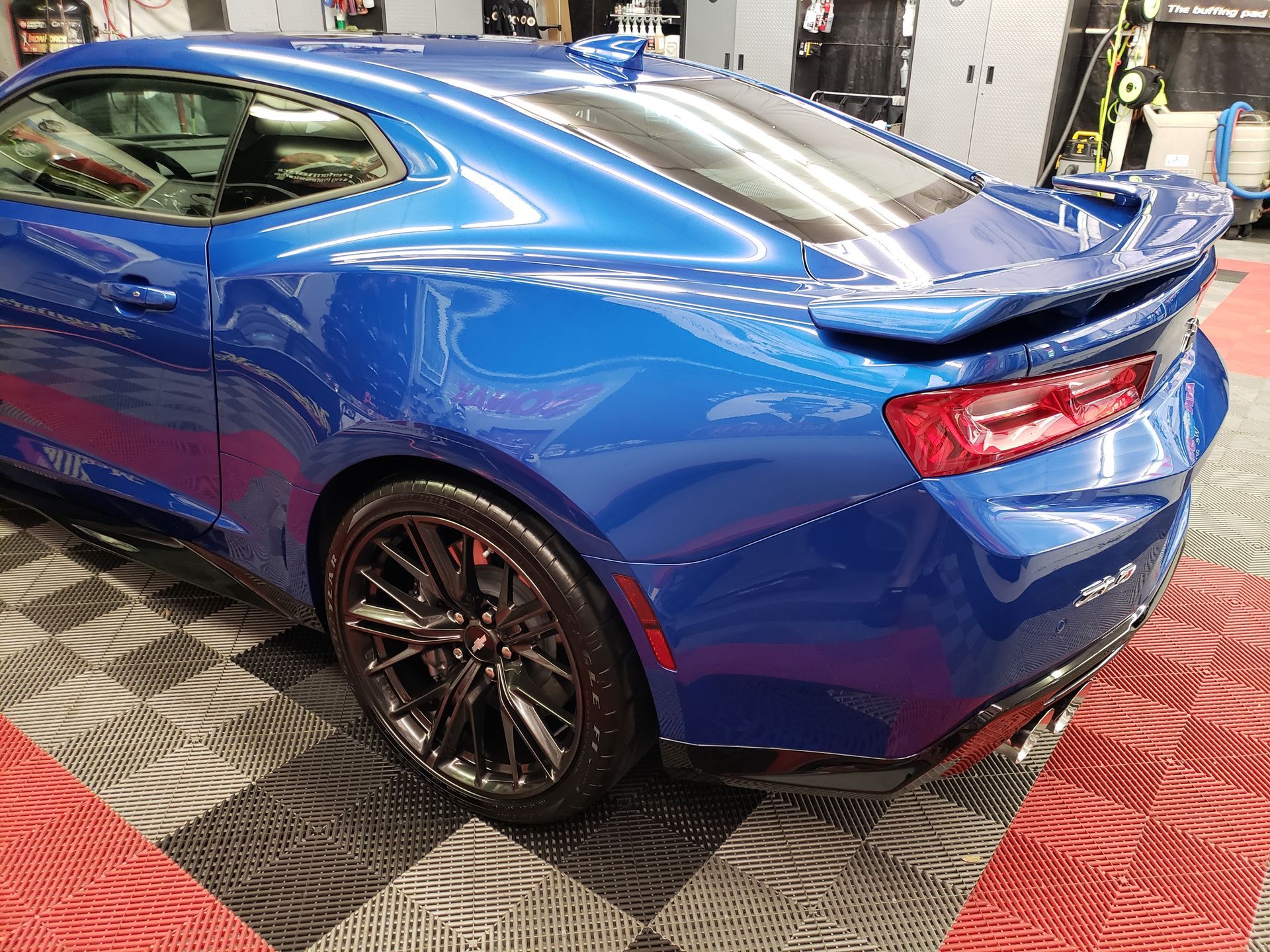
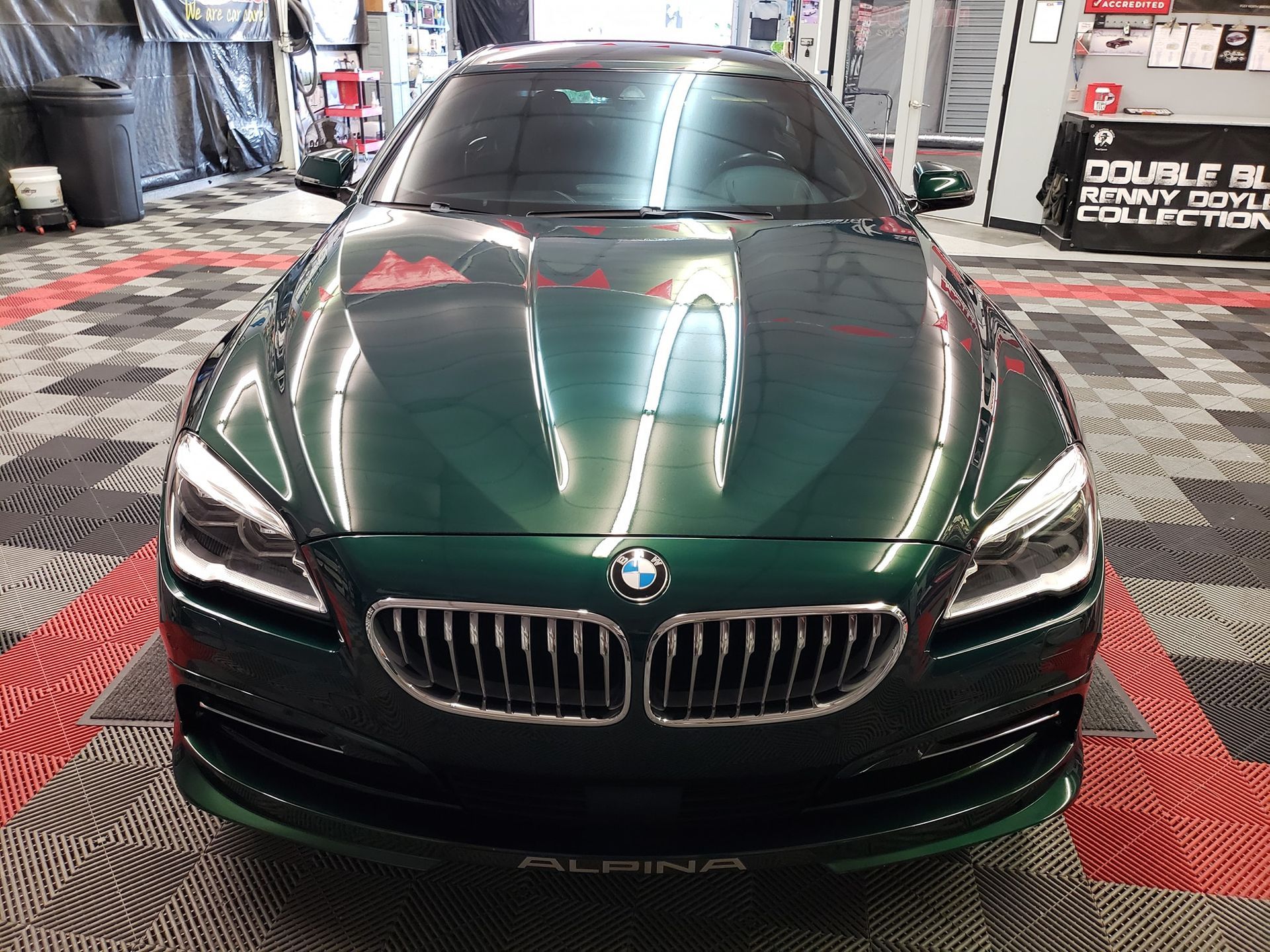
Paint protection film and ceramic coating get most of the attention, but neither product decides how your vehicle turns out. The preparation does. Both bond directly to your clear coat, which means whatever sits on that clear coat when the work begins is either removed first or sealed in permanently. Embedded iron, road tar, old wax, swirl marks from an automatic car wash: each one affects how well the film or coating adheres and how it looks once cured. At JL's Showroom Auto Salon, prep is where most of the labor goes on a protection job, and it is the biggest reason two installations of the same product can look nothing alike a year later.
Before installing PPF or ceramic coating, the vehicle needs a thorough wash, chemical decontamination, a clay treatment to lift bonded contaminants, paint correction to remove swirls and defects, and a final solvent wipe to strip residual oils. All of this happens in a clean, climate controlled space. Skipping any stage reduces adhesion, traps flaws under the protection, and shortens how long the finish holds up.
Why Preparation Determines the Result
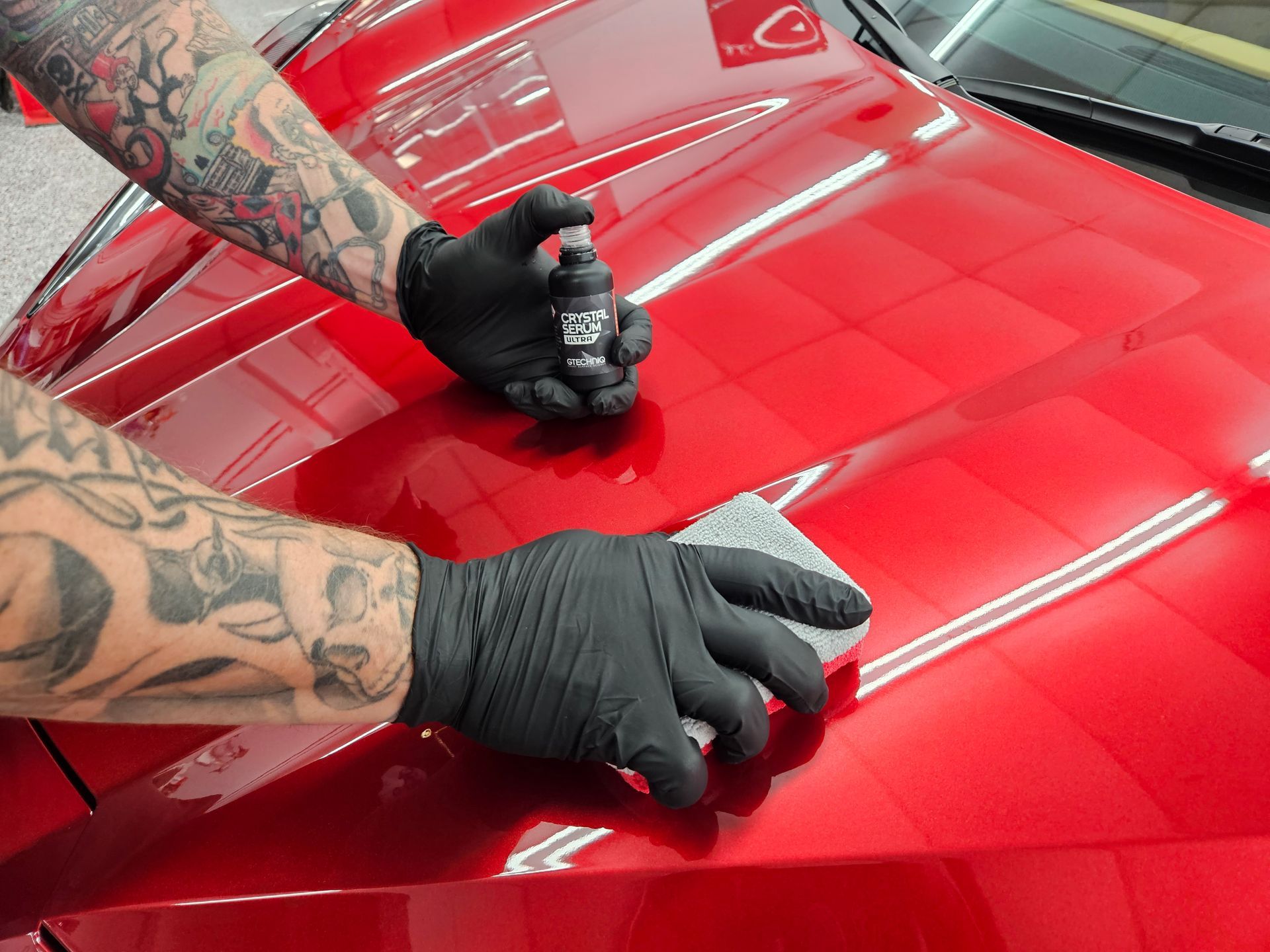
Ceramic coating is optically clear. It bonds at the microscopic level and then hardens. If the paint underneath has swirl marks, water spots, or light oxidation, the coating adds gloss on top of those defects and locks them in place. Removing them afterward means removing the coating first.
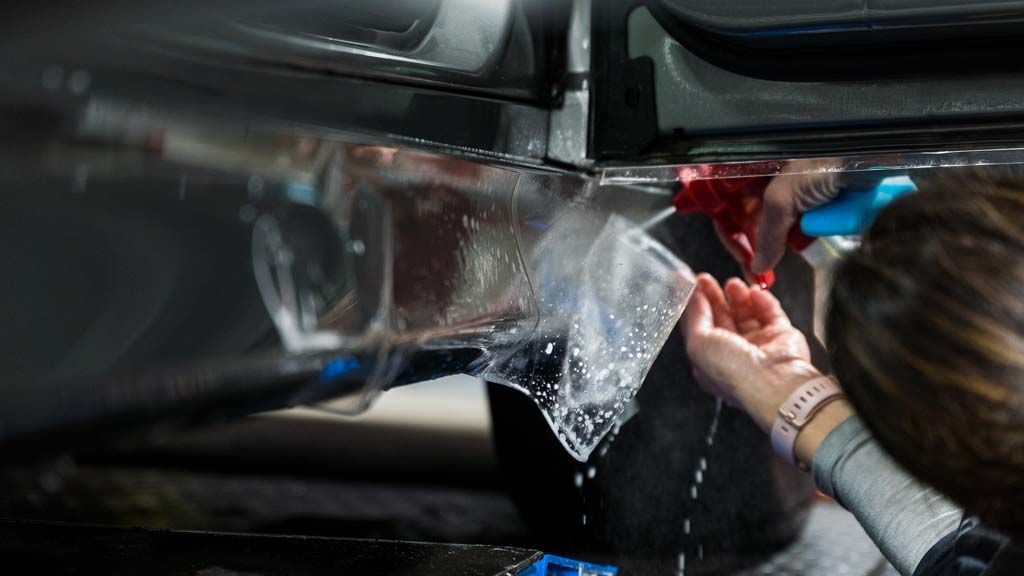
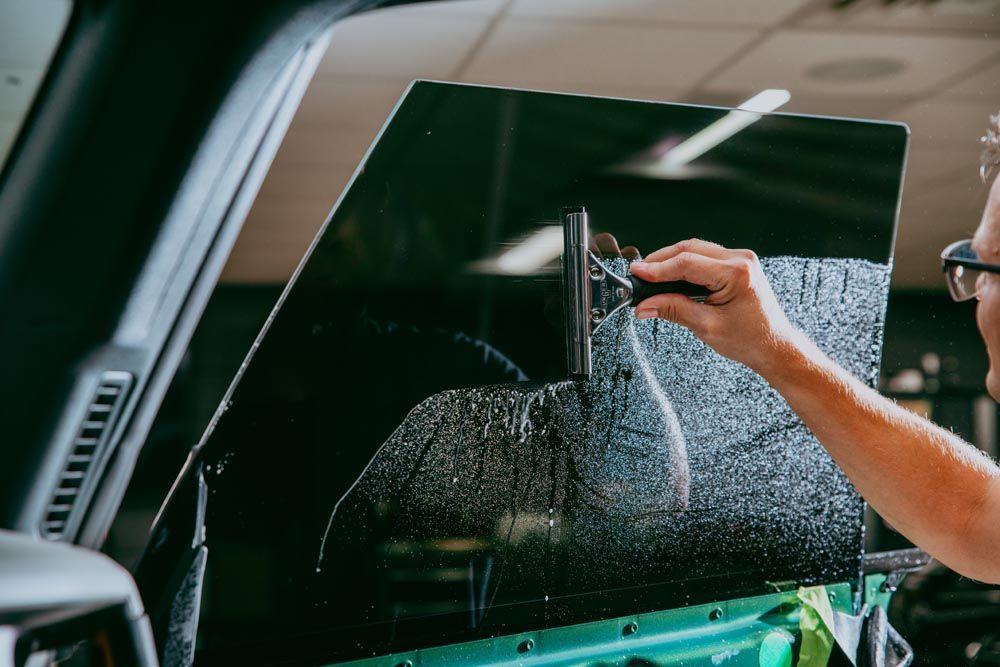
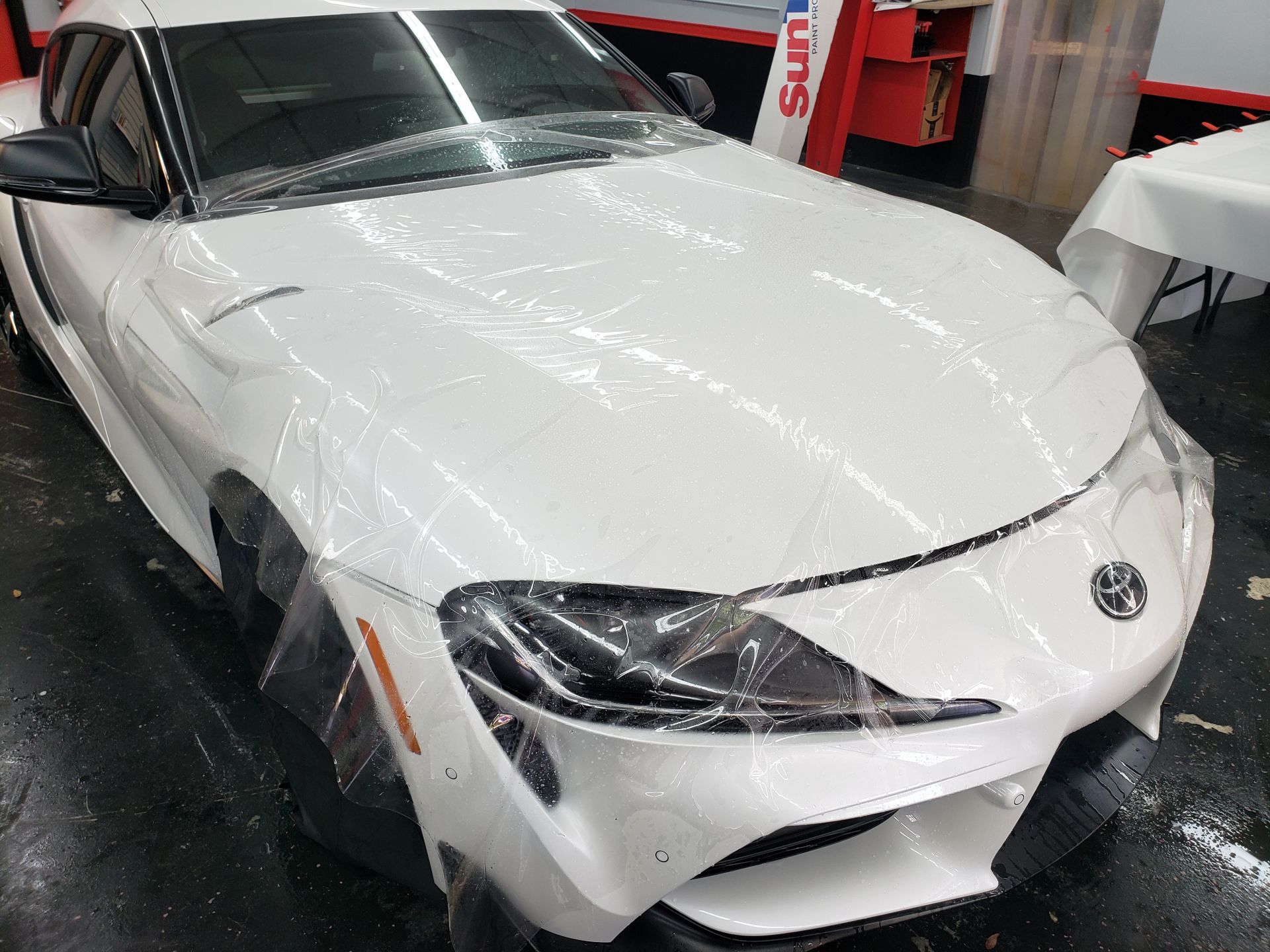
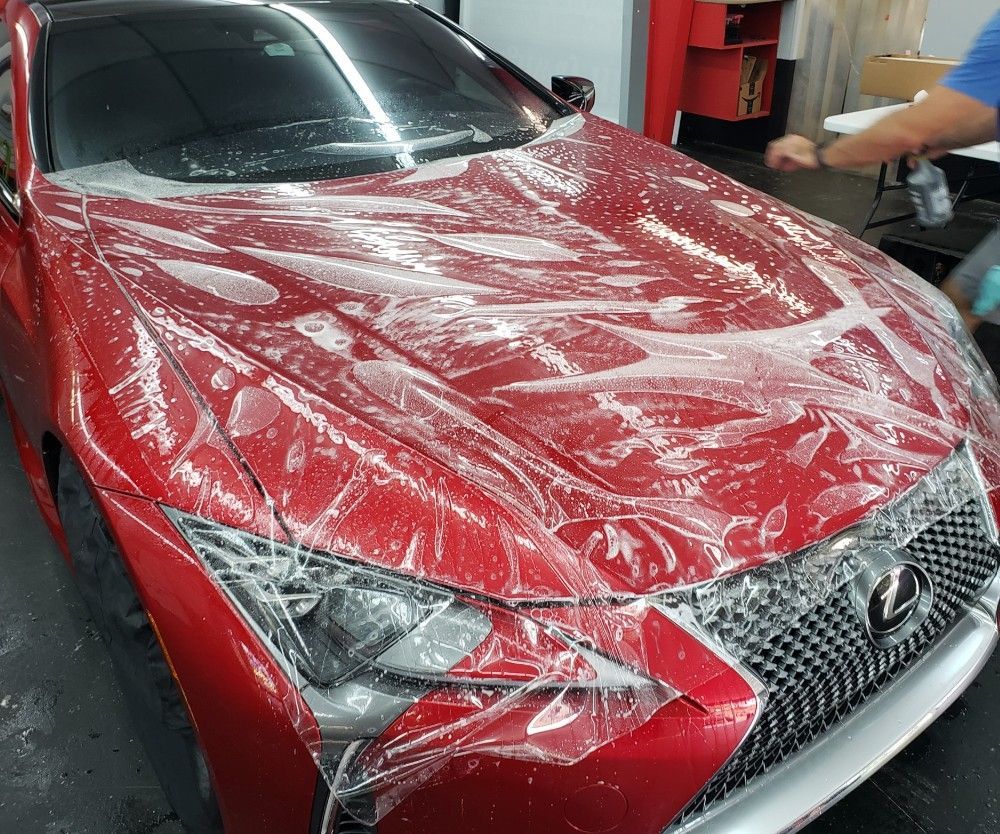
Paint protection film has the same issue plus a physical one. Any contamination left on the panel sits under the film as a visible bump or a starting point for lifting at the edges.
This is why we inspect every vehicle in person before quoting protection work. Paint condition determines the prep required, and the prep determines both the price and the timeline. Nobody can tell you either one over the phone without seeing the car.
Stage One: Wash and Chemical Decontamination
Preparation starts with a wash that removes loose dirt without adding new defects: a pH neutral shampoo, the two bucket method or a foam and rinse approach, and clean media. Dish soap and household cleaners have no place here.
Chemical decontamination then targets what a wash cannot reach. An iron remover dissolves the microscopic iron particles that brake dust and industrial fallout embed into paint, most heavily on lower panels, rockers, and around the wheels. A tar and adhesive solvent handles road tar, overspray, and residue left by badges or dealer decals.
These steps matter more in Brevard County than in a lot of places. Salt air carries inland from the coast and settles on horizontal surfaces, and love bug residue is acidic enough to etch clear coat quickly in Florida sun. Bonded contamination builds faster here than most owners expect.
Stage Two: Clay Treatment
After chemical decontamination, a clay bar or clay mitt lifts what remains mechanically. Run a hand over the paint after washing and you will usually feel a fine grit. That texture is bonded contamination, and clay is what removes it.
Technique matters. The panel stays saturated with lubricant so the clay glides rather than drags, and the clay is folded to a fresh face regularly so it is not pushing collected debris back into the finish. Done carelessly, claying introduces marring that then has to be polished out.
Once the surface goes from gritty to glass smooth, the paint can finally be assessed properly. Contamination masks defects, so this is the first honest look at what the finish needs.
Stage Three: Paint Correction
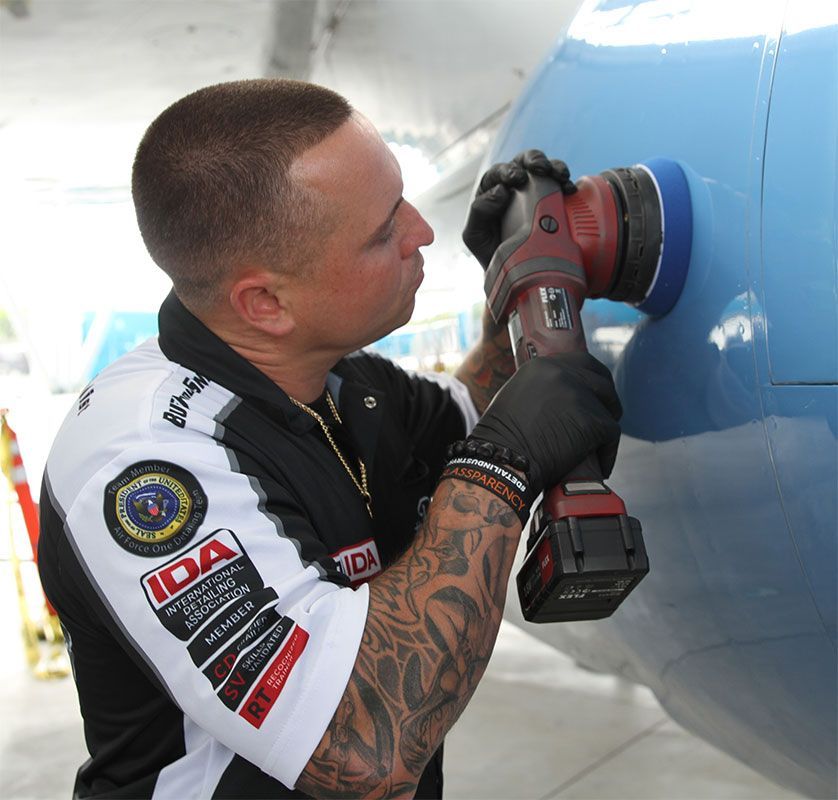
Paint correction is machine polishing that removes defects rather than filling or hiding them. We use light abrasion, buffing, polishing, and jeweling to take out swirl marks, marring, etching, stains, light scratches, and other minor flaws in the clear coat.
How much correction a vehicle needs varies widely, which is why we offer three levels. A one step enhancement polish removes roughly 50 to 70 percent of light scratches and swirls depending on the paint's starting condition, and it suits a newer vehicle or one that has been well cared for. A three step correction removes around 90 percent of defects and is the choice for enthusiast vehicles, collectibles, and paint with heavier damage.
For a brand new vehicle, correction may be minimal, but factory paint can still arrive with transport marring or dealership wash defects, so it gets inspected rather than assumed to be perfect.
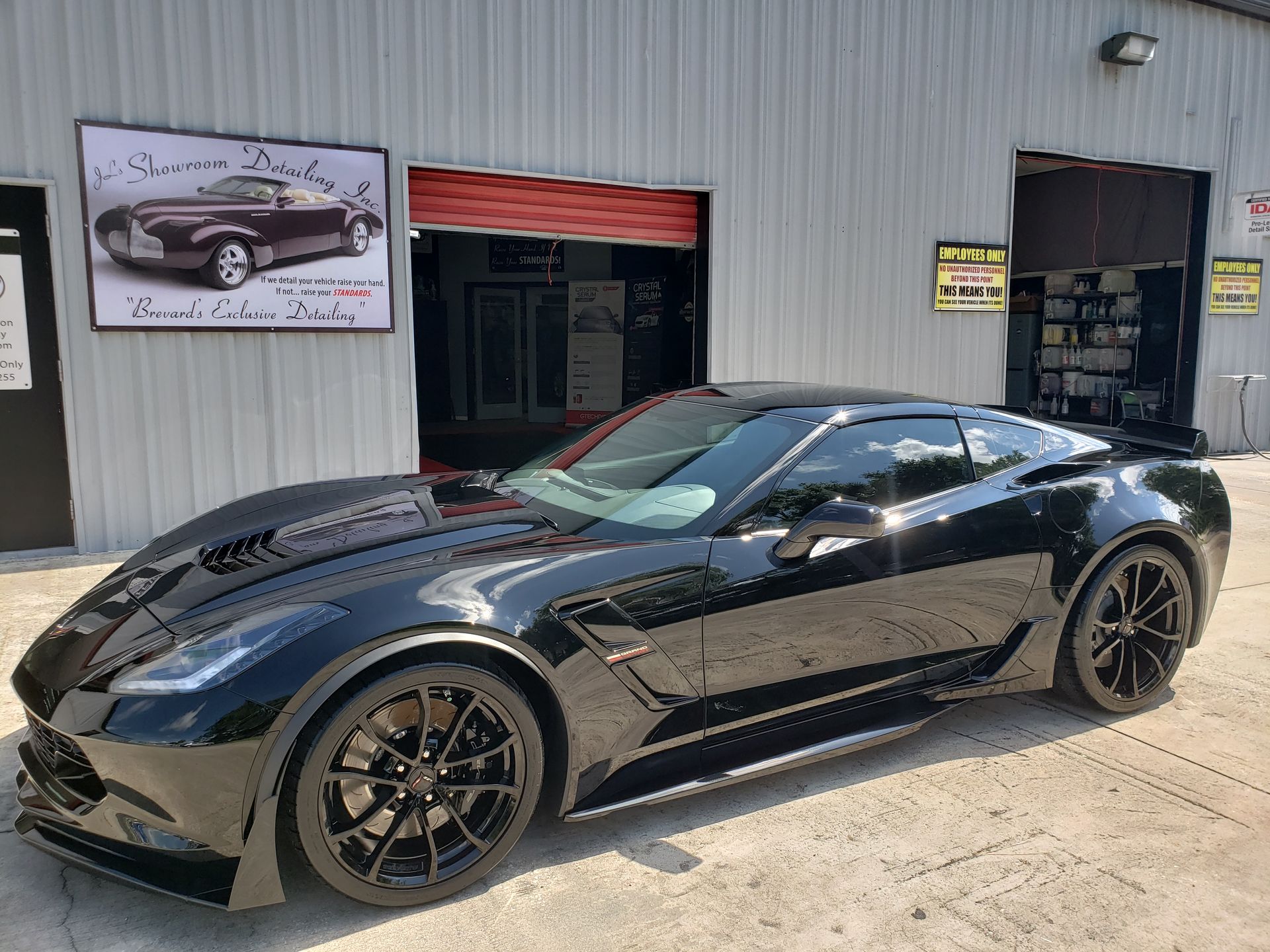
This is the stage most often skipped by shops competing on price, and it separates a coating that looks genuinely deep from one that just looks wet. Our ceramic coating packages carry 9H to 10H surface hardness and our top formula protects for up to nine years. That is a long time to live with defects sealed underneath.
Stage Four: Final Wipe and Controlled Conditions
Polishing compounds contain oils and fillers that sit between the paint and the coating and prevent a proper bond. A diluted isopropyl alcohol panel wipe removes that residue and gives the coating bare clear coat to grab. Nothing goes on the paint after this point: no wax, no sealant, no quick detailer, no spray gloss.
Conditions during installation matter just as much. Film and coating both cure best in a moderate, stable temperature with controlled humidity, and both need air free of dust. This is why we work out of a 7,300 square foot climate controlled facility rather than an open bay. A single dust particle under film is permanent.
What You Can Do Before Your Appointment
Owners often ask how to prepare on their end. The honest answer is that you do not need to do much, and over preparing can create work.
Give the vehicle a basic wash so we can see the paint clearly, and clear personal belongings out if interior work is included. Do not apply wax, sealant, or any spray product in the weeks beforehand, since all of it has to come off again. If a panel has fresh paintwork from body repair, tell us, because new paint needs time to cure before film or coating goes over it.
Bring your questions about which protection fits your driving. Coating handles UV, chemical contamination, and cleaning ease. SunTek film handles physical impact on the front end and other high exposure panels. Many Melbourne drivers end up with both.
Aftercare: The First Week Matters Most
Preparation protects the installation. Aftercare protects the investment.
Give a fresh ceramic coating about a week before its first wash so it reaches full hardness, and avoid parking under trees where sap and droppings can land on a coating that has not finished setting.
After that, wash with a pH neutral shampoo and clean microfiber, dry with a quality towel rather than letting water spot, and stay out of brush style automatic washes entirely. Those brushes put swirl marks into a coating exactly as they would into bare paint, and they catch film edges. Address bird droppings and bug residue within a day or two rather than letting them sit.
We stock the same products we use in the shop in our detailing supply store, and we show customers how to use them. Educating clients on proper care has been part of how we operate since 2008.
Get Your Vehicle Assessed Before You Commit
Every vehicle needs a different amount of preparation, and no honest quote exists without an inspection. That is why we offer a free in person consultation at our Melbourne studio.
Bring your car, truck, or SUV in and we will assess the paint under proper lighting, explain exactly what prep it needs and why, and recommend the protection that fits how and where you drive. If a one step polish is all your paint requires, we will tell you that rather than selling you a three step.
Call JL's Showroom Auto Salon at (321) 723-6976 or visit us at 515 S Wickham Rd, Melbourne, FL 32904. You can also request a quick quote through our contact page and we will follow up to schedule a time.
Frequently Asked Questions
Is paint correction always required before PPF or ceramic coating?
Almost always, though the amount varies. A new vehicle may need only a light enhancement polish, while one with several years of Florida sun and automatic car washes behind it will need more. Because coating and film are transparent, any defect left in the paint stays visible for the life of the product.
Do I need to wash my car before bringing it in?
A basic wash helps us see the paint during the consultation, but it is not required. We perform a full decontamination wash as part of the service regardless of how the vehicle arrives.
Should I apply wax or a sealant before my appointment?
No. Wax, sealants, and spray detailers create a barrier that blocks adhesion, and all of it has to be stripped off during prep. If you have applied something recently, just let us know so we can account for it.
How long does the whole process take?
It depends on vehicle size and how much correction the paint needs. A single stage polish with a coating is considerably faster than a three stage correction with full front end film coverage. We give you a realistic timeline at the consultation.
How soon can I wash the vehicle afterward?
Give a ceramic coating about a week before its first wash so it fully hardens. Film needs a few days as well. We go through aftercare instructions for the exact products installed on your vehicle when you pick it up.
Can ceramic coating be applied over paint protection film?
Yes, and it is a common combination. Coating the film adds gloss and hydrophobic performance and makes the film easier to keep clean. We will explain the recommended sequence and timing for the specific products we install.
Does new paint from body repair need to cure first?
Yes. Fresh paint needs time to fully cure before it is sealed under film or coating. Tell us if any panel has been repainted recently and we will advise on timing.