Garage-Kept vs Daily Driven Cars: Different Coating Needs Explained
When it comes to keeping your car looking great, not all vehicles face the same challenges. A car tucked away in a garage has very different needs from one battling sun, dirt, and grime every day. Understanding these differences is key to choosing the right paint protection so your car stays shiny and safe for years.
Garage-kept cars benefit from protective coatings like Paint Protection Film (PPF) and ceramic coatings primarily to preserve long-term shine and guard against minor environmental effects in a controlled setting. In contrast, daily-driven cars face exposure to bird droppings, tree sap, UV rays, and pollutants, requiring more robust coatings such as PPF combined with high-quality ceramic coatings to provide superior defense against scratches, chips, and environmental damage while enhancing ease of maintenance.
Differences Between Garage-Kept and Daily Driven Cars
Garage-kept cars enjoy a controlled environment where exposure to UV radiation, temperature swings, and contaminants is minimal. Their paint faces fewer assaults from harsh sunlight and pollutants, allowing ceramic coatings to focus more on gloss enhancement and UV protection rather than heavy-duty defense. Because these vehicles typically encounter less dirt and physical abrasion, owners often wash them just once or twice a month, supporting coatings designed for long-term durability lasting 2 to 5 years.
Conversely, daily driven cars face a barrage of challenges that demand more robust protective strategies. Vehicles parked outdoors regularly contend with unpredictable weather, bird droppings, tree sap, road salts in winter, and fine abrasions from dust and road debris. These factors cause paint degradation at rates up to five times higher than garage-kept counterparts. Due to frequent contamination and environmental stressors, daily drivers require coatings that emphasize chemical resistance and abrasion protection, with hybrid ceramic coatings or polymer sealants becoming invaluable for repelling contaminants while standing up to intense wear.
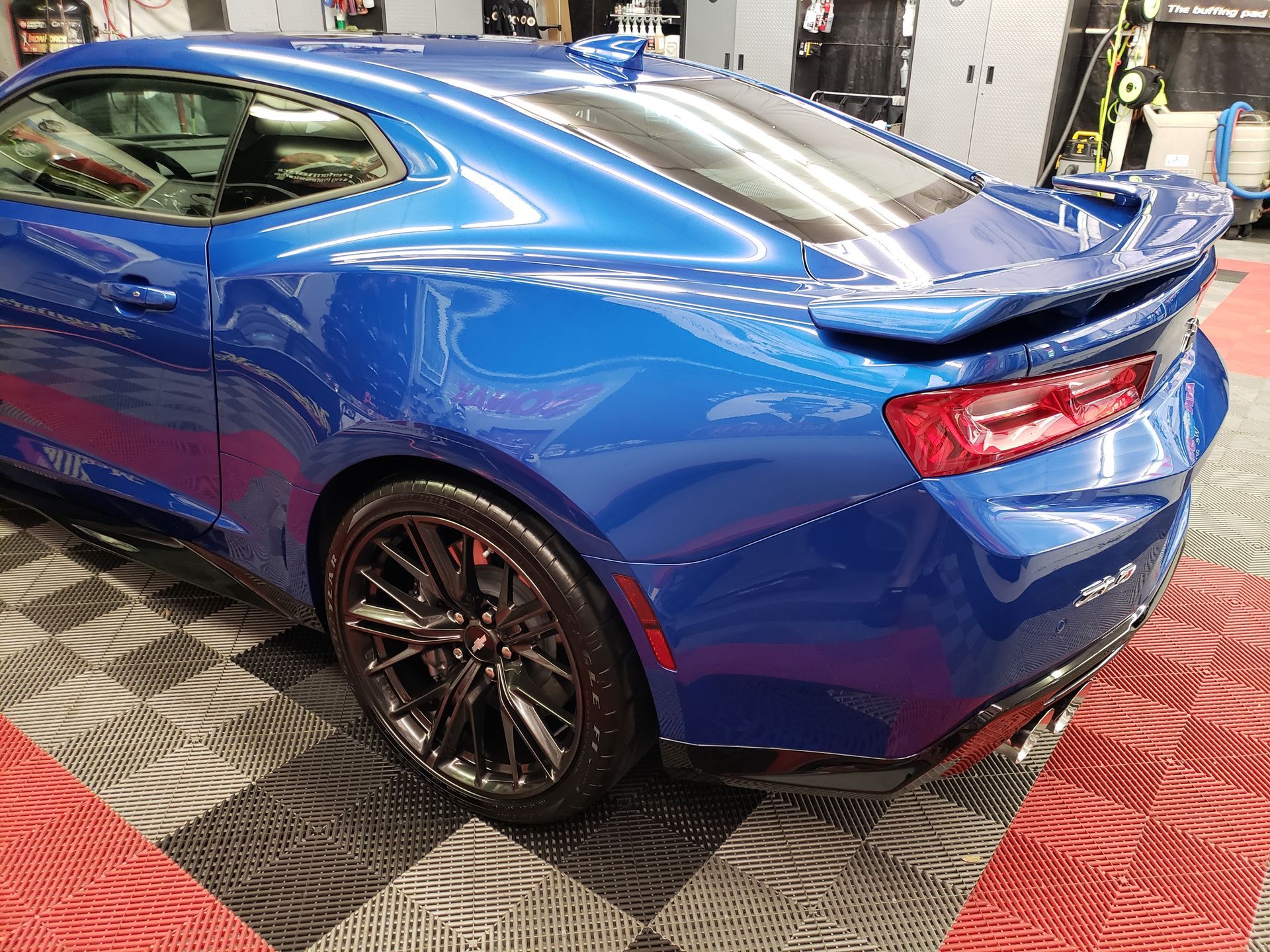
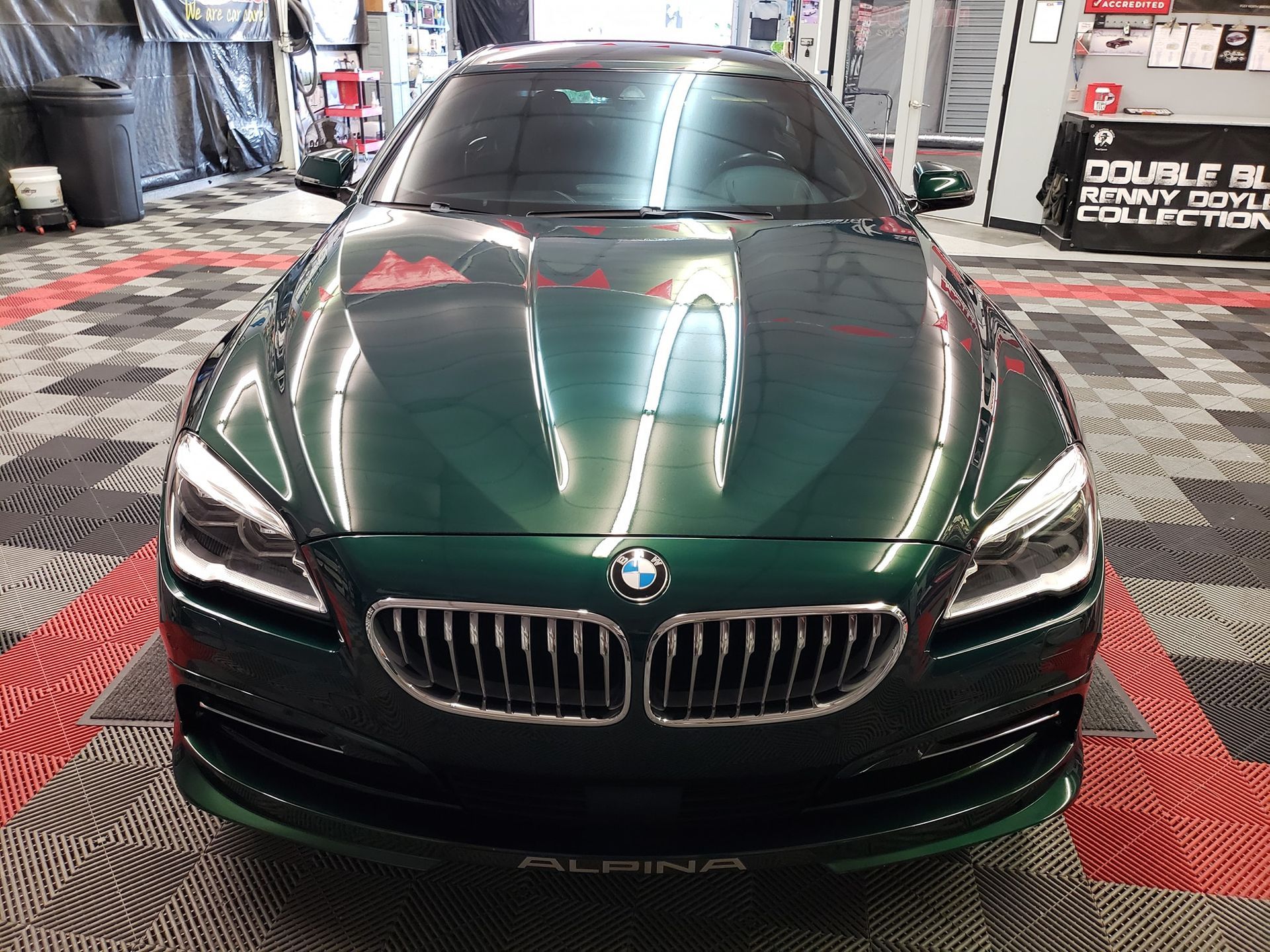
These contrasting circumstances dictate not only how often you should clean your car but also what kind of coatings offer the best value and protection. Paint Protection Film (PPF) aligns well with both types but is particularly recommended for daily drivers who need an aggressive barrier against chips and abrasions. On the other hand, a sophisticated ceramic coating can give garage-kept vehicles vivid, mirror-like gloss and sustained UV defense without demanding intensive upkeep routines.
Environmental Protection for Garage-Kept Vehicles
Many people assume that parking a car inside a garage means it is completely safe from environmental damage. While garages certainly offer significant protection, they do not create a perfect bubble. Garage-kept cars still face subtle threats such as dust accumulation, fluctuating humidity levels, and indirect UV exposure.
Dust inside garages settles on cars at an average rate of about 0.5 to 1 gram per square meter daily. Over weeks and months, this forms a fine layer capable of trapping moisture or contaminants close to the paint, increasing the risk of micro-corrosion. At JL’s Showroom Auto Salon, we emphasize ceramic coatings because they bond chemically to paint surfaces, forming a thin yet durable shield that reduces moisture retention by roughly 60%. This hydrophobic effect helps prevent early signs of dullness, water spots, or corrosion triggered by subtle dampness.
Garages block most direct sunlight, typically reducing UV exposure to less than 10% of outdoor levels, but indirect rays penetrate windows or open doors and reflect off nearby surfaces. While these low-level UV rays do not immediately cause fading, they gradually break down paint chemistry over months, resulting in color shifts or loss of glossiness. Coatings enriched with UV inhibitors offer vital extra defense by absorbing or deflecting harmful rays before they reach the clear coat underneath.
That is why many choose multilayer protection, combining a base of professional-grade ceramic coating with optional PPF on vulnerable areas such as door edges and front bumpers. PPF acts as a resilient physical barrier guarding against minor dings and small scratches, providing a critical shield even indoors. From our experience at JL’s Showroom Auto Salon, a scheduled maintenance program combining professional ceramic coating application with periodic inspections keeps garage-kept vehicles looking flawless for years, supporting both aesthetic appeal and structural integrity.
Challenges of Daily Driving for Car Finishes
Daily driving exposes your car's finish to a relentless barrage of environmental hazards. From the moment you start your engine, your vehicle's exterior faces contamination by road salt during winter months, which studies show increases corrosion risk by roughly 40% compared to garage-kept cars. Salt does not just fade the color; it seeps into microscopic cracks and causes rust underneath the clear coat, slowly eating away at your car's structural integrity.
Beyond salt, urban environments offer a cocktail of pollutants. Fine particulate matter settles on your paint surface and acts as an abrasive agent. According to Environmental Science and Technology (2025), these tiny particles reduce coating lifespan by about 25% over six months due to micro-abrasions. Bird droppings and tree sap are not only unsightly but highly acidic. Left unattended, they chemically etch into the paint layers. Acid rain compounds this problem by lowering surface pH levels to around 4.0 on exposed areas, accelerating clear coat degradation by 15% annually.
The Automotive Paint Research Institute found that average daily driving results in roughly 5 to 7 micro-scratches per 1,000 miles traveled, caused by road debris or careless contact with parking lot obstacles. Temperature swings between freezing and near-boiling in many climates create stress within coatings, causing up to 18% of vehicles to develop micro-cracking within just two years.
This is where choosing the right protective coating becomes essential. PPF acts as a durable shield against chips and abrasions encountered during routine urban navigation, while ceramic coatings enhance gloss and create a hydrophobic layer that repels contaminants like bird droppings and tree sap. The combination of PPF for impact defense and ceramic coatings for environmental repellence forms an ideal strategy for daily-driven vehicles facing harsh conditions.
Best Coatings by Vehicle Type
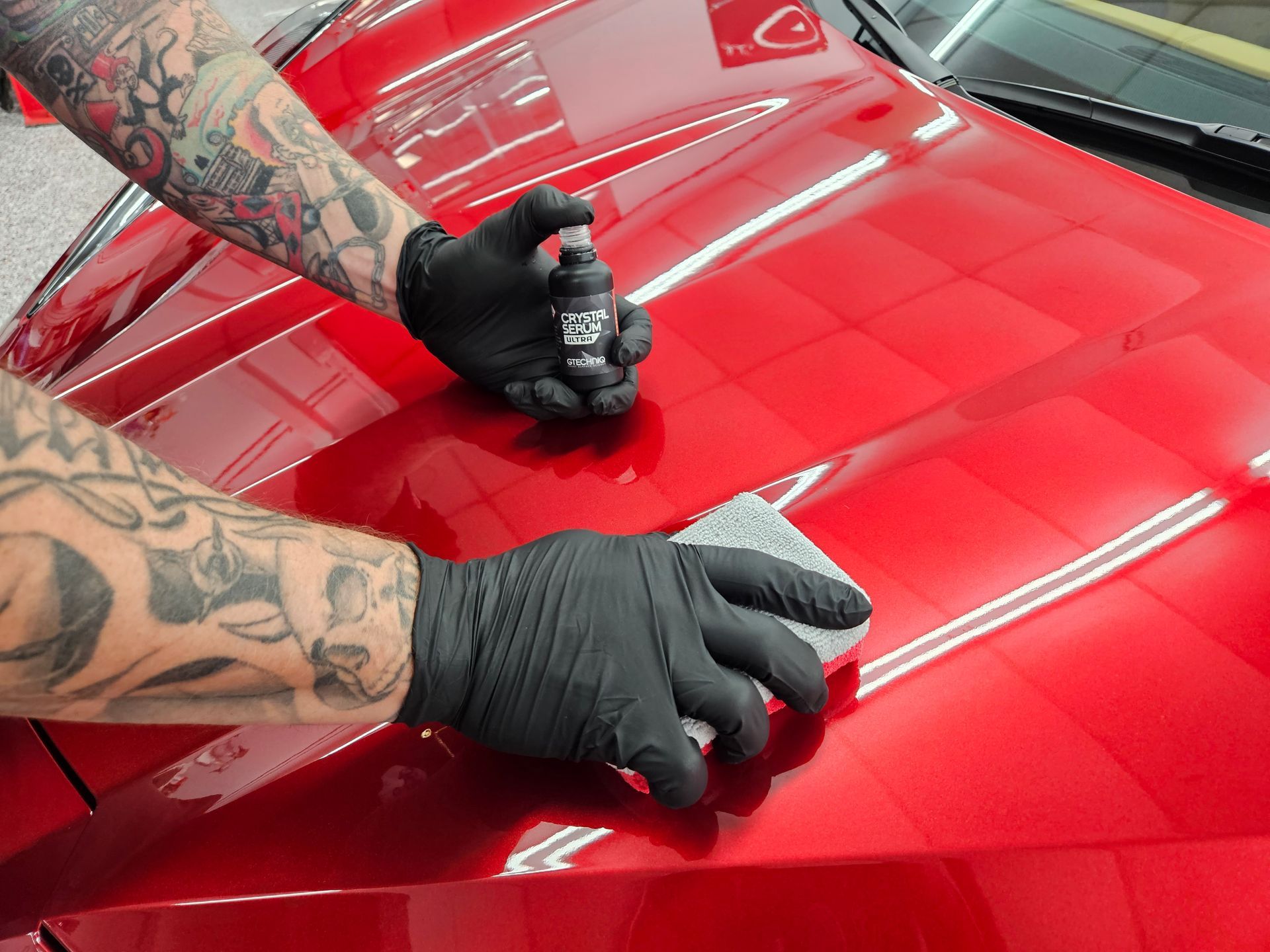
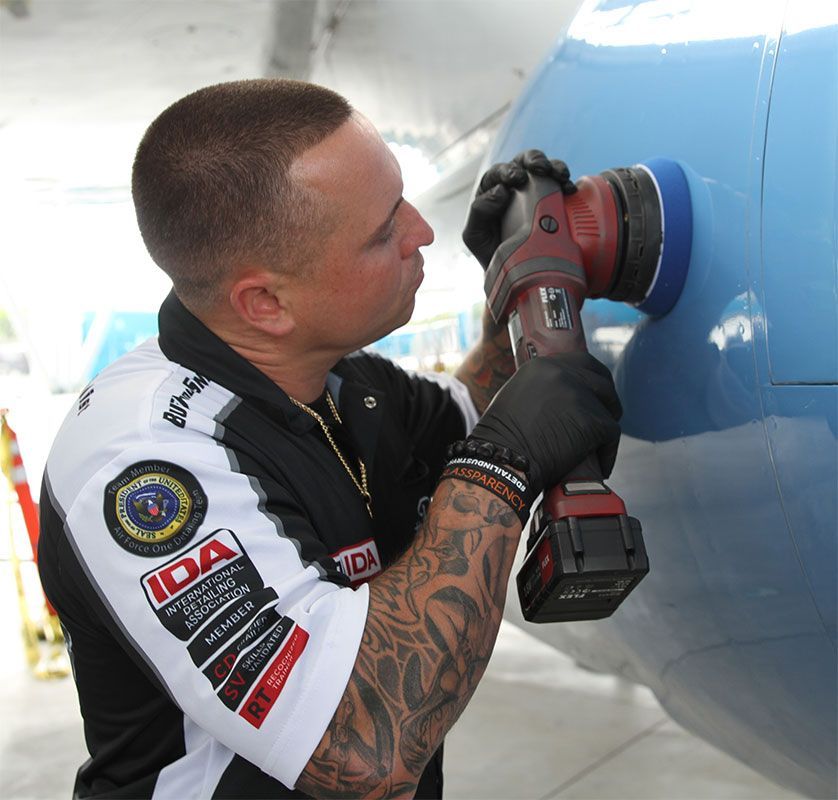
For Garage-Kept Cars: Professional-grade ceramic coatings stand out as the premier choice. These coatings form a durable bond with your vehicle's clear coat, primarily made of silicon dioxide (SiO2). When professionally applied, these coatings can contain over 80% SiO2 concentration, resulting in a thicker, more resilient layer that protects against UV rays and minor scratches while maintaining a deep, mirror-like gloss. Before application, thorough hand washing followed by clay bar treatment removes microscopic debris. Polishing then eliminates swirl marks and imperfections. At JL’s Showroom Auto Salon, we emphasize this meticulous preparation because it directly influences how well the coating bonds and how spectacular the finish will be.
Traditional wax treatments still have their place for owners who prefer an easier routine. Waxes provide a beautiful shine and protect against minor pollutants such as dust or light moisture, though they wear off quickly and typically need reapplication every few months. Combining occasional waxing with periodic ceramic coating applications balances visual brilliance with sustained defense.
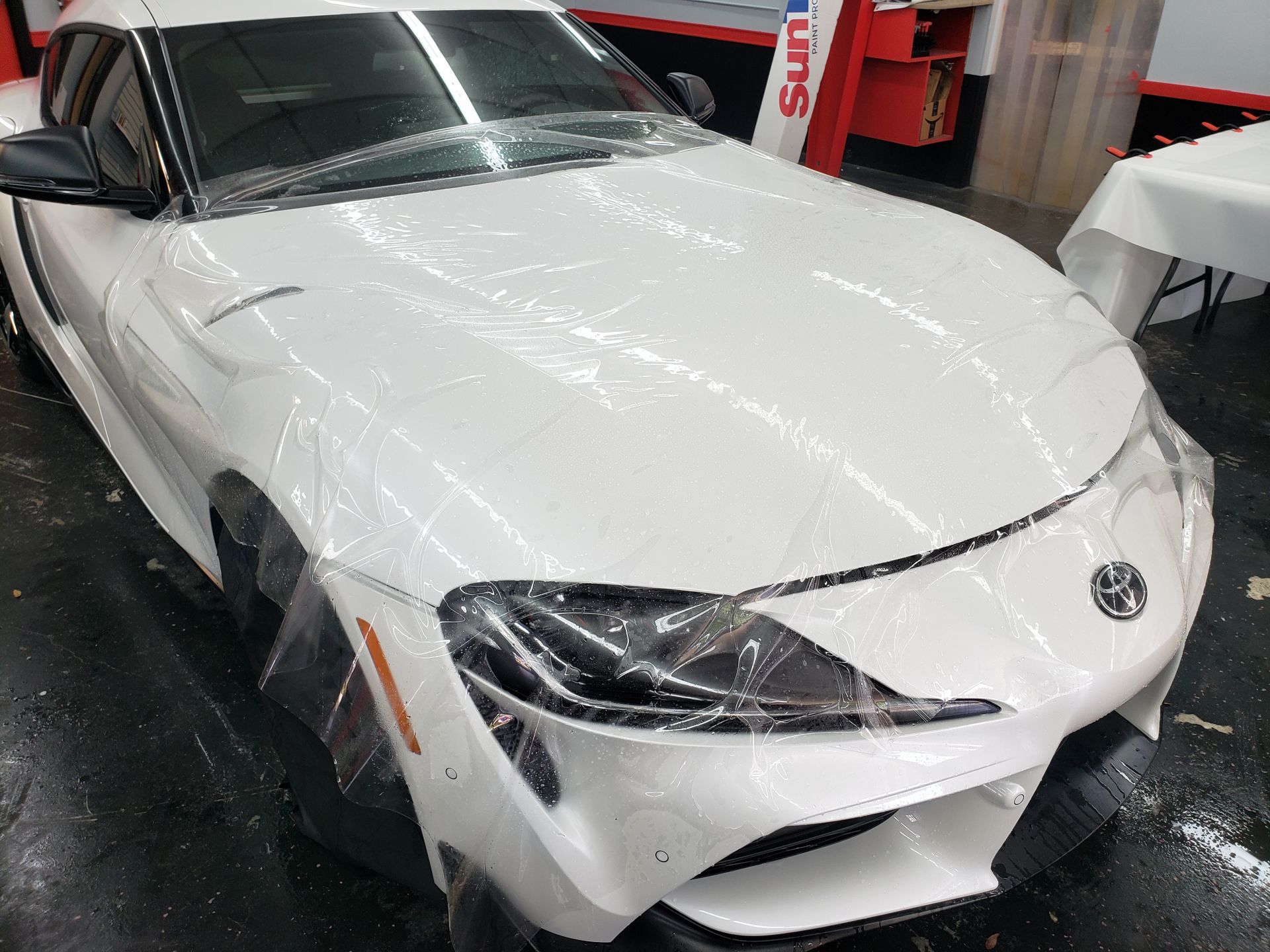
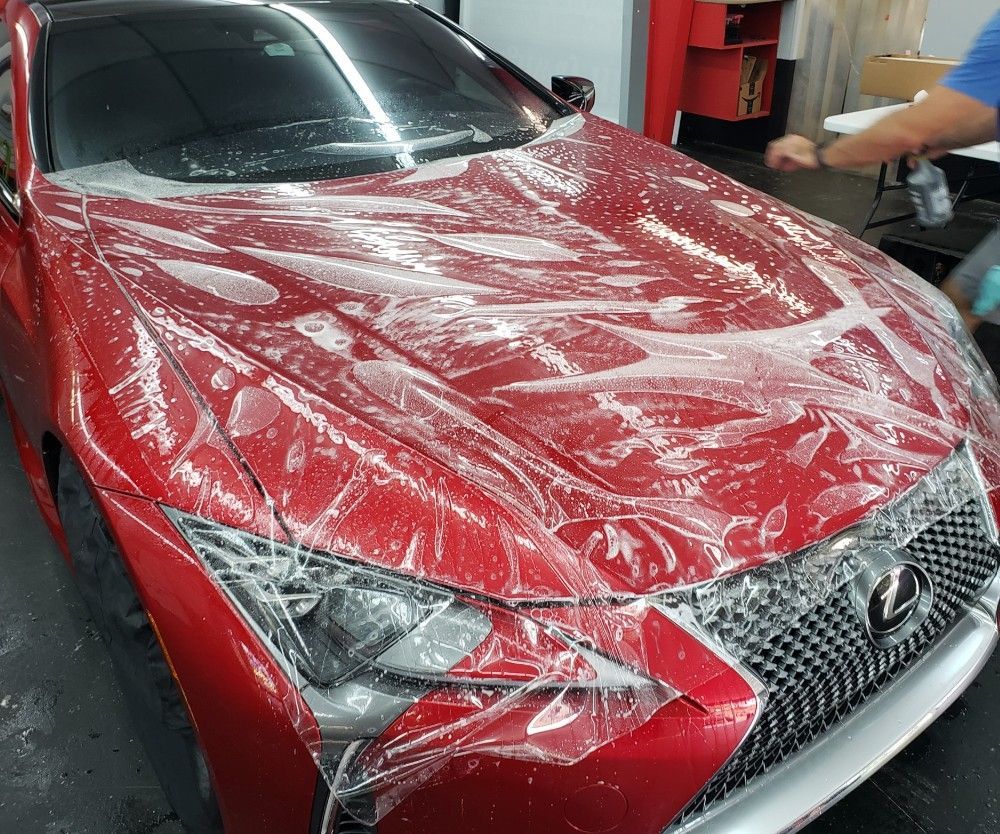
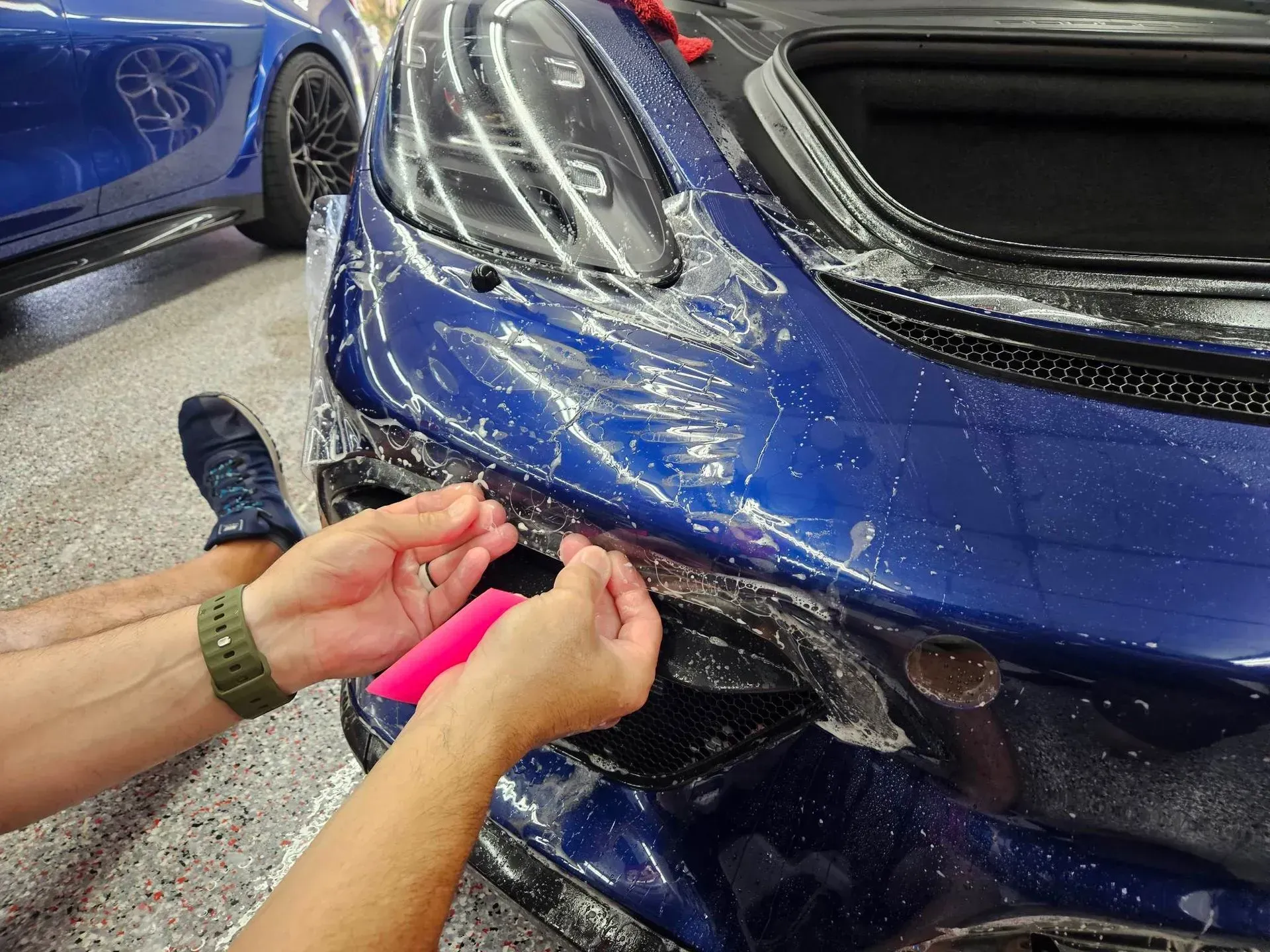
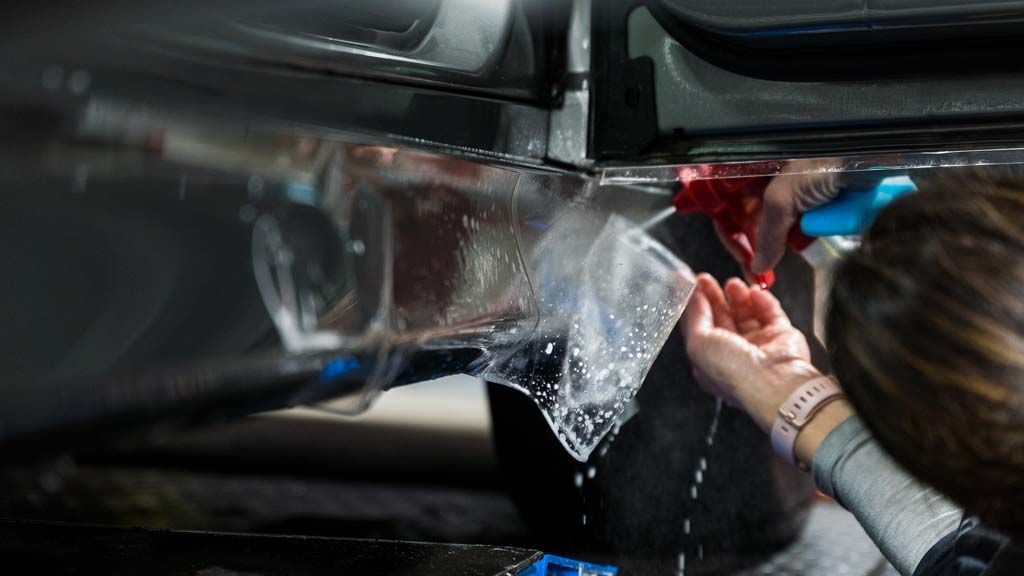
For Daily Drivers: PPF shines as the front-line defense, particularly effective on high-impact zones such as bumpers and hoods where chips and scratches happen most frequently. Unlike coatings that bond chemically to the paint surface, PPF physically absorbs or deflects damage before it ever touches your car's paintwork. A properly installed film can last upwards of five years, making it an excellent investment for those constantly battling gravel roads or city traffic.
Professional-grade ceramic coatings with higher SiO2 concentrations deliver superior durability for daily drivers, forming a bonded layer that resists dirt, water, UV rays, and minor abrasions. Combining PPF on vulnerable spots with a quality ceramic coating on the rest of the body offers an optimal balance, fortifying against chips and harsh contaminants while keeping your car's finish glossy and easy to clean.
Comparing Coating Costs and Durability
Understanding the financial outlay alongside expected longevity is crucial when deciding on a paint protection option. Wax treatments remain popular because of their low initial cost, though this affordability comes with limited durability. For daily drivers exposed to harsh elements, relying solely on wax can become both impractical and costly over time. Standard ceramic coatings offer a compelling balance between investment and protection, ideal for cars kept in garages or driven less extensively.
Advanced ceramic coatings, while costing more, deliver enhanced surface hardness typically around a 9H rating, superior hydrophobic properties, and lasting protection stretching from 5 to 10 years. These benefits offset the higher initial price by extending the vehicle's aesthetics and reducing maintenance frequency dramatically.
It is also important to factor in preparation costs. Vehicles with scratched or oxidized paint require corrective detailing before coating application, which can add anywhere from a hundred dollars to over a thousand dollars depending on severity. As JL’s Showroom Auto Salon advises, always weigh not just the initial outlay but the long-term value based on your driving routine and local environment.
Garage Kept or Daily Driven - Your Car Needs Tailored Protection
Not every vehicle faces the same level of exposure. A garage-kept car may only need long-term gloss preservation, while a daily driver demands stronger defense against UV rays, road debris, salt, and contaminants. The right coating strategy makes all the difference in long-term paint health.
At JL’s Showroom Auto Salon, we design protection plans based on how and where you actually drive. From advanced ceramic coatings to full PPF + ceramic combinations, we help you choose the right solution for lasting shine and durability.
Protection Options Based on Your Driving Style
- Ceramic coating for garage-kept vehicles focused on gloss and UV protection
- PPF for daily drivers exposed to chips, salt, and road debris
- Hybrid protection (PPF + ceramic) for maximum durability
- Professional surface prep for long-lasting bonding and performance
- Maintenance guidance tailored to your driving conditions
Get Expert Guidance for Your Vehicle
Whether your car lives indoors or on the road every day, the right protection system will extend its life and keep it looking new for years.
Call at
(321) 723-6976 or
schedule a consultation online, to get a customized paint protection recommendation today.
FAQs on Garage-Kept vs Daily Driven Car Protection
1. Do garage-kept cars really need ceramic coating or PPF?
Yes, but the focus is different. Garage-kept cars benefit more from ceramic coatings for gloss, UV protection, and easier maintenance, while PPF is optional for high-touch areas like bumpers or door edges.
2. What protection is best for daily driven cars?
Daily driven cars perform best with a combination of PPF and ceramic coating. PPF protects against chips and scratches, while ceramic coating helps repel dirt, water, and chemical contaminants.
3. Is ceramic coating enough for a car parked outside daily?
Ceramic coating helps significantly with UV protection and cleaning ease, but it does not prevent rock chips or deep scratches. For outdoor daily drivers, pairing it with PPF is recommended.
4. How often should I maintain a coated or protected car?
Most vehicles should be washed every 1 to 2 weeks using pH-neutral soap. Regular inspections every 1 to 3 months help detect early wear, especially for daily driven vehicles.
5. Does parking in a garage eliminate the need for paint protection?
No. While garages reduce UV exposure and weather damage, dust, humidity, and minor contaminants still affect paint over time. Protective coatings still help preserve long-term appearance.
6. Which lasts longer: ceramic coating or PPF?
PPF generally lasts longer, around 5 to 10+ years, and provides physical impact protection. Ceramic coatings typically last 2 to 5 years and focus more on gloss, UV resistance, and ease of cleaning.