Is It Better to Protect Your Car Immediately or Wait?
Protecting a new or recently purchased vehicle sooner can reduce the amount of time its paint is exposed to road debris, insect residue, bird droppings, UV exposure, and other environmental contaminants. However, there is no rule that every vehicle must receive ceramic coating or paint protection film immediately after purchase. The right timing depends on the condition of the paint, how you use the vehicle, where it is stored, and the type of protection you want.
For drivers in Melbourne, Florida, deciding early can make sense because vehicles encounter year-round sun, warm weather, rain, insects, road contamination, and regular driving exposure. The important question is not simply, "Should I protect my car today?" It is, "What protection does my vehicle actually need, and when should it be installed?"
Why Protecting a New Car Early Can Make Sense
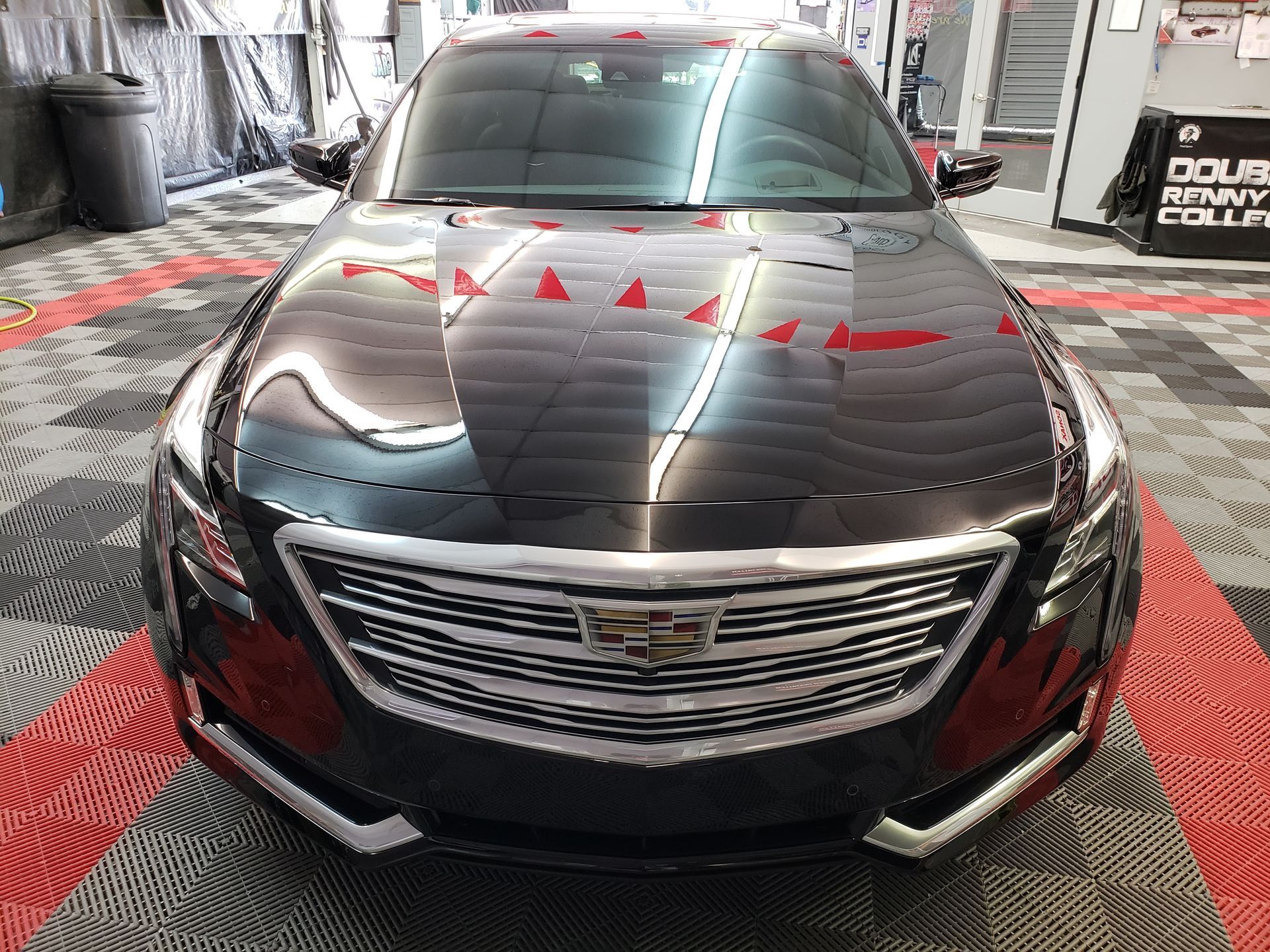
A newer vehicle gives you an opportunity to begin caring for the exterior before years of environmental exposure accumulate.
That does not mean a brand-new vehicle necessarily has flawless paint. Transportation, dealership handling, washing methods, storage, and normal environmental exposure can all affect its condition before you take ownership.
Professional installers should therefore inspect and prepare the surface before applying long-term protection.
JL’s Showroom Auto Salon follows a consultation-based approach to vehicle care. Rather than treating every car exactly the same, the team evaluates the vehicle and recommends services based on what will benefit the owner and the automobile.
For owners who already know they want long-term exterior protection, arranging an inspection soon after purchasing the vehicle can help establish an appropriate protection plan before unnecessary wear accumulates.
What Happens If You Wait to Protect Your Vehicle?
Waiting does not automatically mean your vehicle's paint will be permanently damaged.
A properly maintained vehicle can still be an excellent candidate for ceramic coating, paint protection film, or professional detailing months or even years after purchase.
The difference is that an older or more heavily driven surface may require additional preparation before protection is installed.
Contaminants may need to be removed. Paint imperfections may need to be evaluated. Existing waxes or other products may need to be addressed as part of the preparation process.
This is why "protect immediately or wait" should not be viewed as an all-or-nothing decision.
Early protection can reduce exposure, but professional protection can still be worthwhile later when the paint is properly assessed and prepared.
Ceramic Coating or PPF: What Type of Protection Do You Need?
Ceramic coating and paint protection film are sometimes discussed as though they perform the same job. They do not.
Choosing between them starts with identifying what you actually want to protect against.
When Ceramic Coating Makes Sense
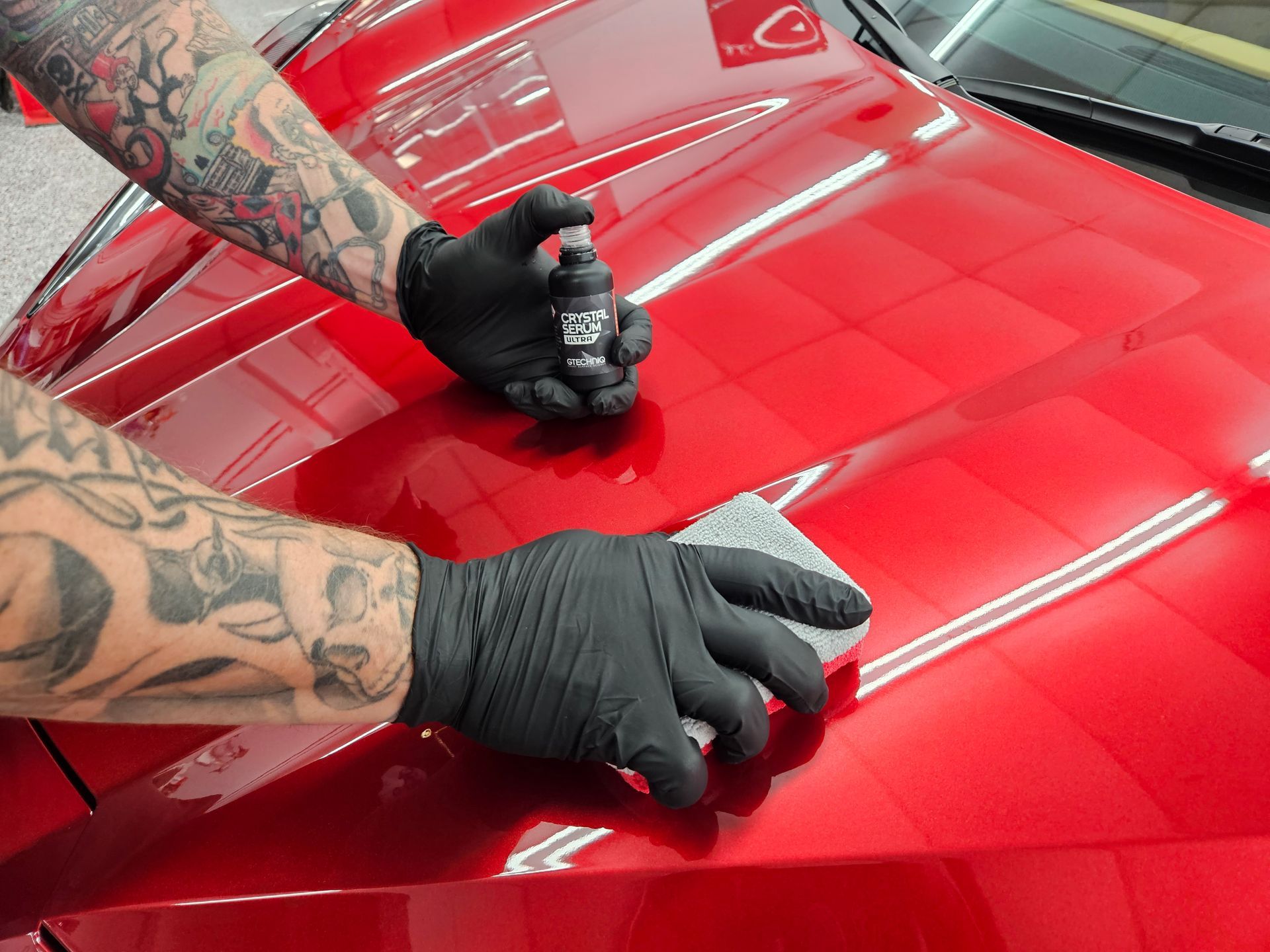
A professionally installed ceramic coating may be appropriate when your priorities include gloss, hydrophobic behavior, easier routine cleaning, and protection against environmental contamination.
JL’s Showroom Auto Salon offers professional ceramic coating services in Melbourne, Florida, including Gtechniq coating options designed for different vehicle-protection goals.
Ceramic coatings can make it easier to maintain a clean, glossy surface because their hydrophobic characteristics help water and some contaminants release more readily during proper washing.
However, ceramic coating should not be described as scratch-proof or as a substitute for PPF.
If rock impacts and physical road debris are your primary concern, paint protection film is the more relevant solution.
When Paint Protection Film Makes Sense
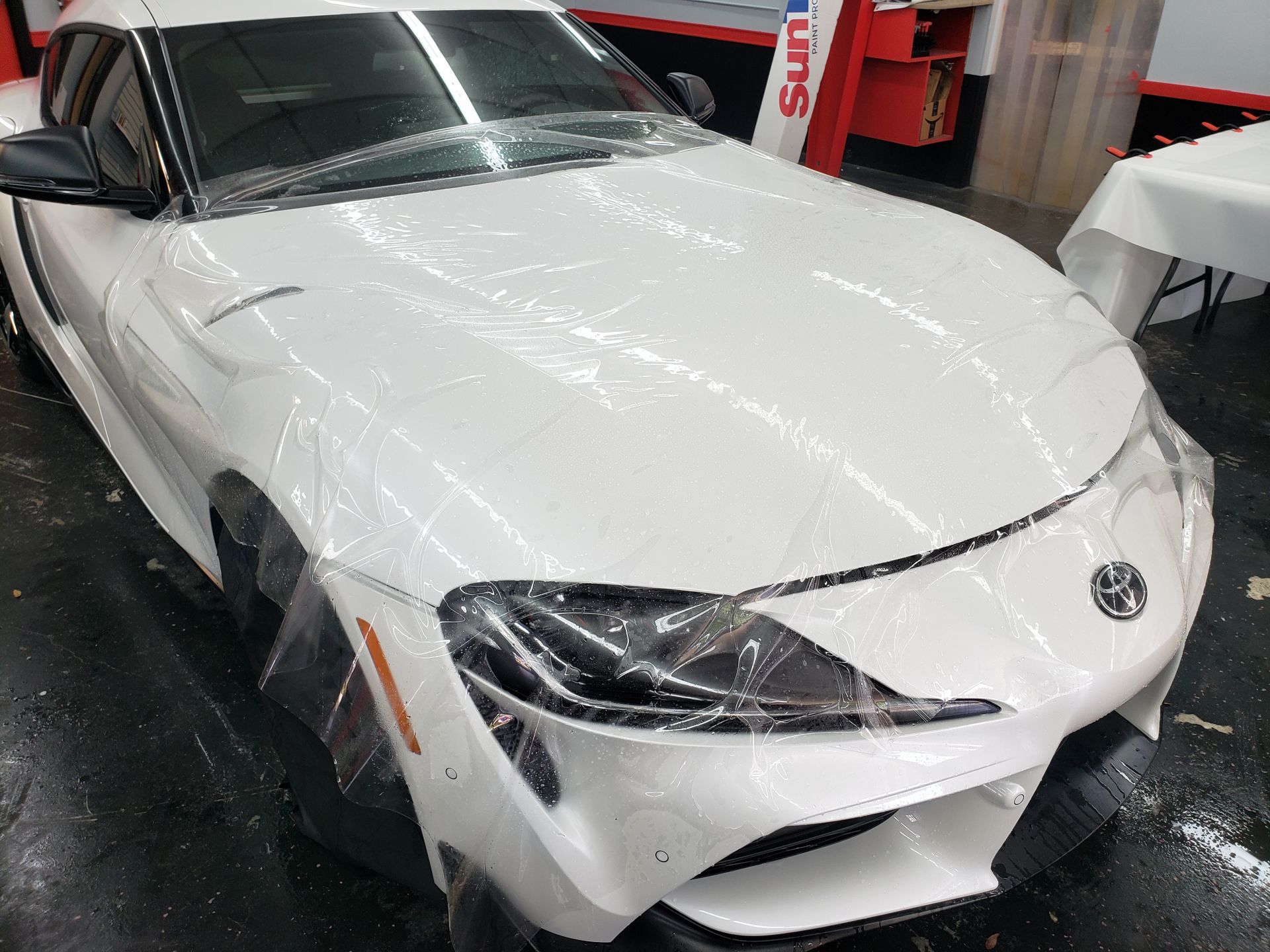
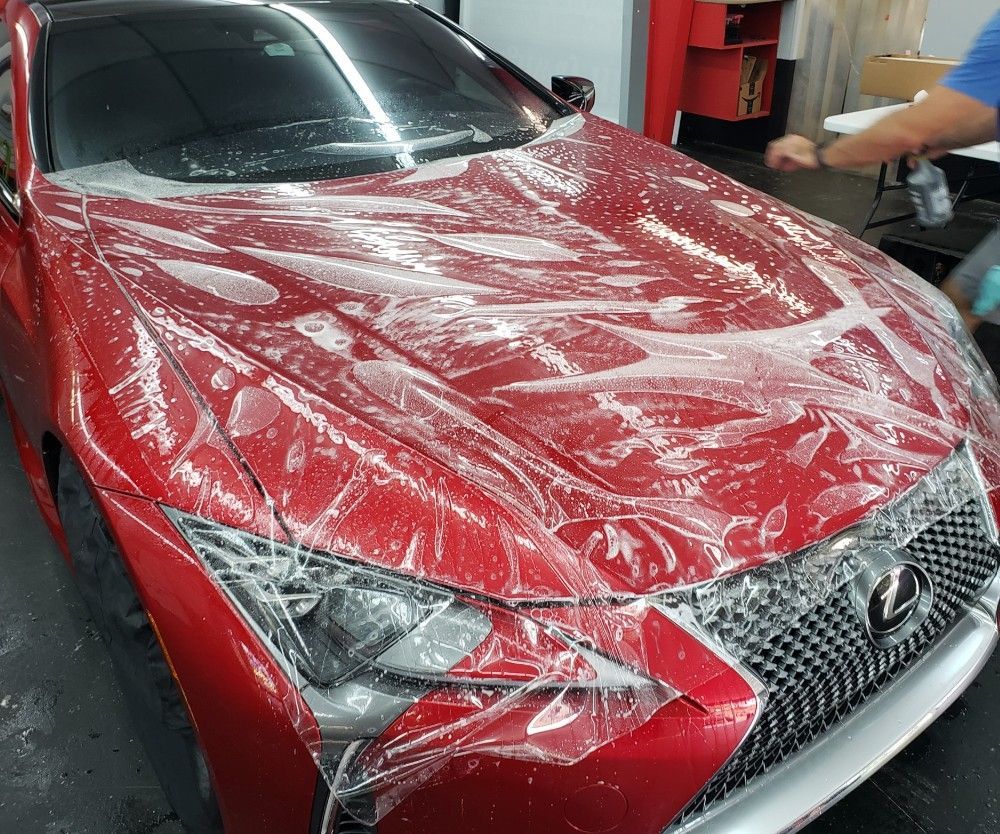
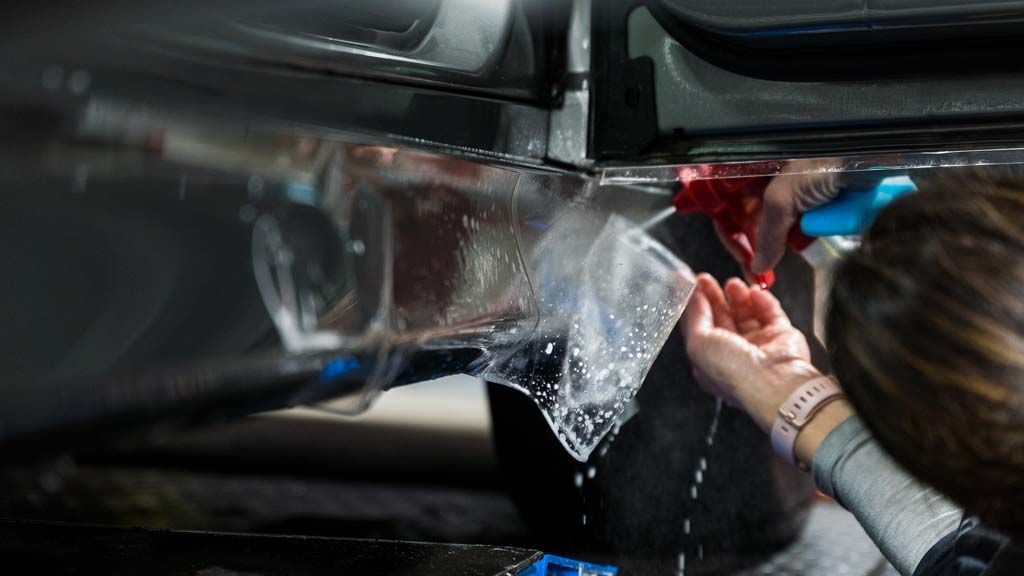
Paint protection film, commonly called PPF or clear bra, is a physical film installed over selected painted surfaces.
JL’s Showroom Auto Salon installs SunTek PPF in Melbourne, with coverage options intended to protect vulnerable painted areas.
Drivers who spend significant time on highways or who are especially concerned about impact-prone surfaces may choose to protect areas such as the:
- Front bumper
- Hood
- Front fenders
- Side mirrors
- Other frequently exposed painted surfaces
Because PPF acts as a physical barrier, it serves a different purpose than ceramic coating.
Modern PPF products can also include self-healing topcoat technology for light surface marks. This does not mean the film is impossible to damage, but it can help the protected surface maintain its appearance through everyday use.
Can You Combine Ceramic Coating and PPF?
Yes. Ceramic coating and paint protection film can be used together because they address different aspects of vehicle protection.
PPF can be installed on vulnerable areas where protection against road debris and physical contact is the priority. Ceramic coating can then support gloss, hydrophobic behavior, and easier maintenance on appropriate surfaces.
The ideal combination depends on the vehicle and the owner's expectations.
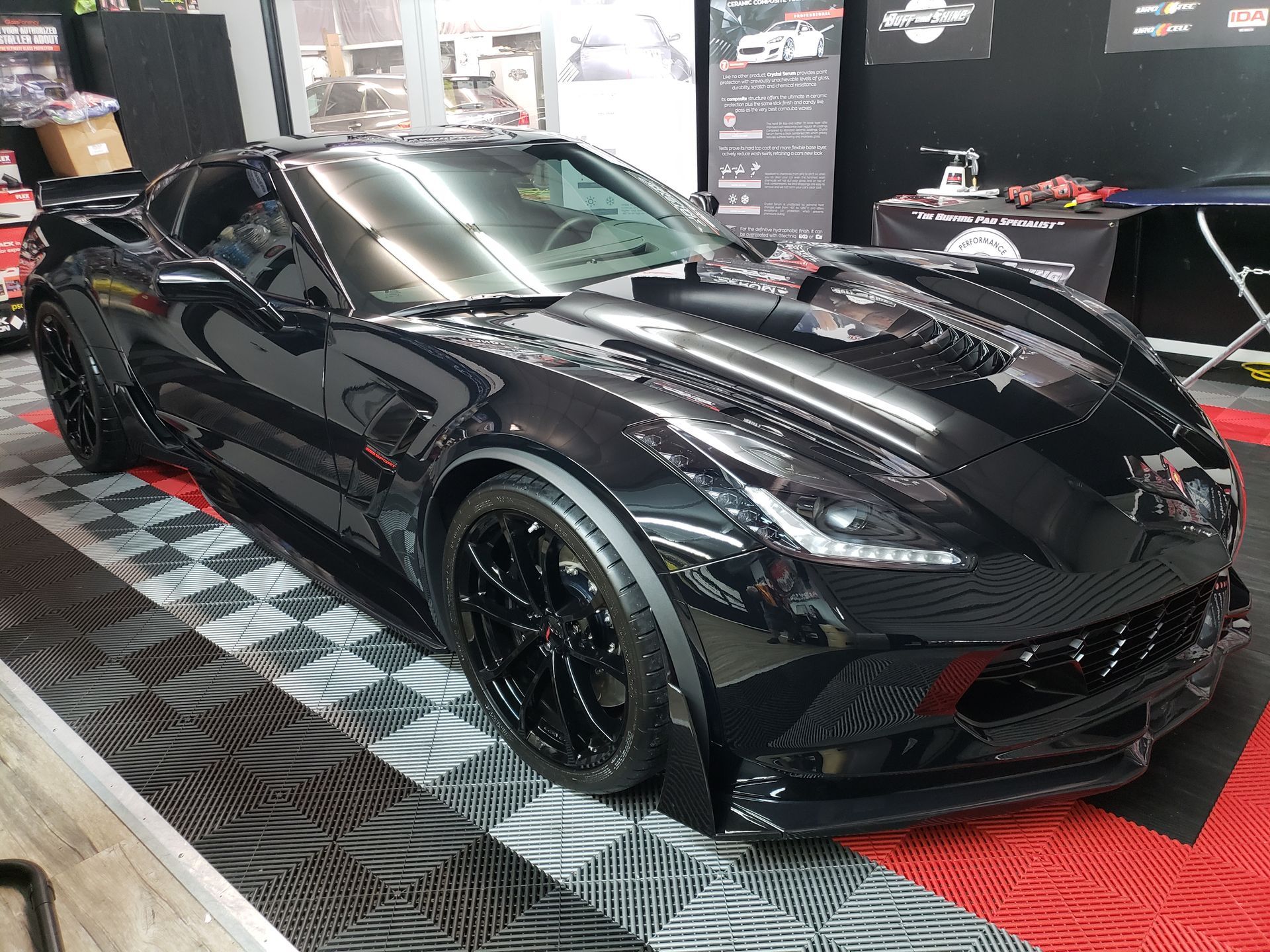
A daily driver that regularly travels at highway speeds may have different priorities from a weekend vehicle that spends most of its time garaged. A luxury or enthusiast vehicle may also justify a different protection strategy from a vehicle whose owner primarily wants easier maintenance.
This is one reason a professional consultation can be more useful than simply selecting the longest or most expensive package.
Does a Brand-New Car Need Paint Correction Before Protection?
Not necessarily, but new paint should still be inspected.
"New" describes the age of the vehicle, not necessarily the condition of every painted surface.
A new car may have minor surface imperfections resulting from transportation, storage, dealership preparation, washing, or handling. Other new vehicles may arrive in excellent condition and require much less correction.
Professional ceramic coating and PPF installation therefore begin with evaluating the actual surface rather than assuming that every new vehicle needs the same preparation.
Paint correction should be recommended according to paint condition and the desired result, not simply because the odometer is low.
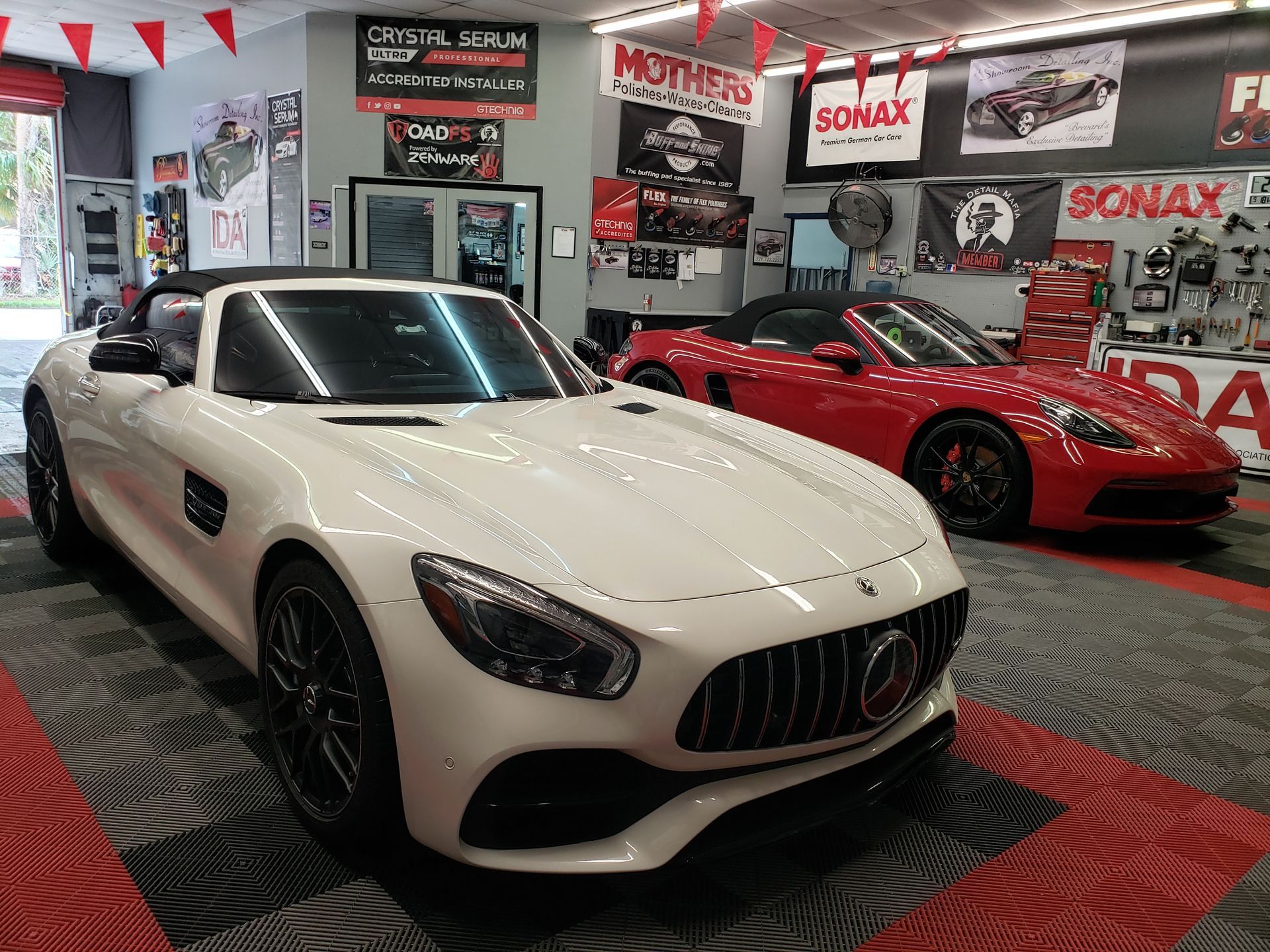
Does Florida Make Early Vehicle Protection More Important?
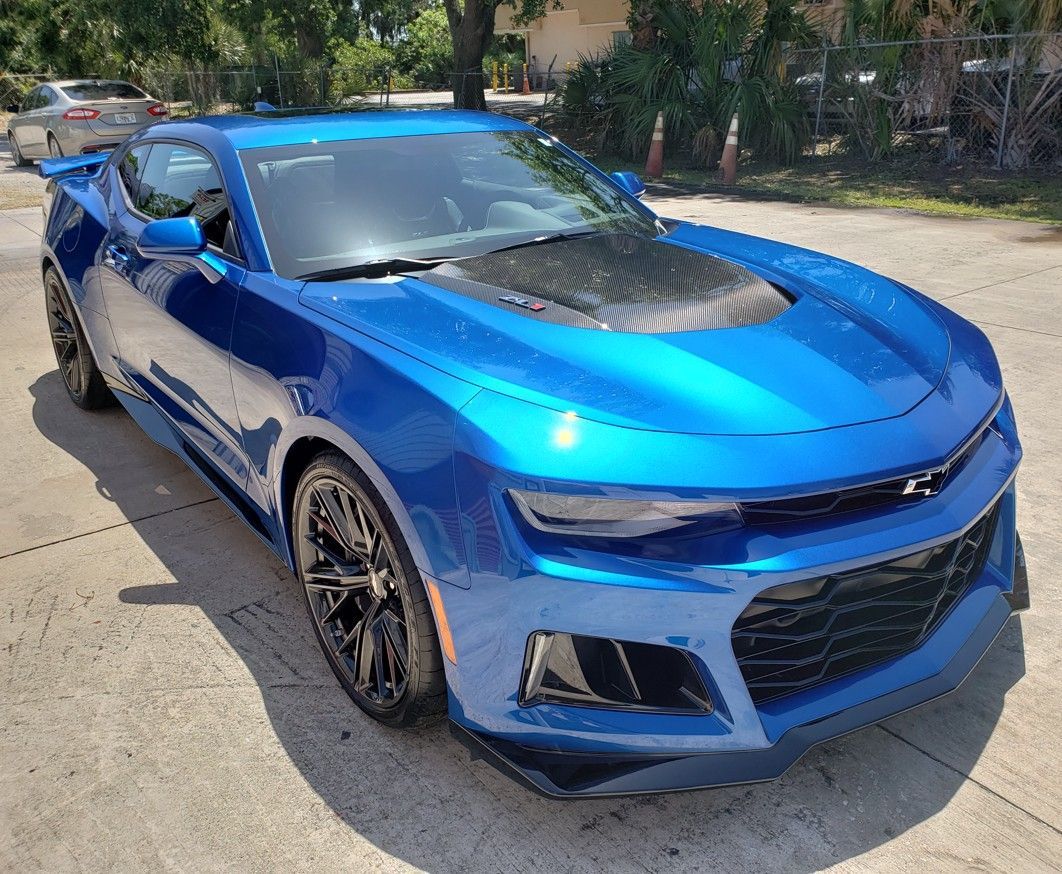
Florida conditions can influence how owners think about exterior maintenance.
Vehicles in Melbourne and throughout Brevard County may encounter intense sunlight, frequent rain, insects, bird droppings, tree contaminants, moisture, and year-round road exposure.
JL’s Showroom Auto Salon specifically identifies UV exposure, bug splatter, bird droppings, and other contaminants as common concerns for vehicles in Melbourne.
These conditions do not mean an uncoated vehicle immediately begins suffering permanent damage. They do mean consistent washing and timely removal of contamination matter.
Owners who park outdoors frequently or drive daily may therefore see more value in establishing a professional protection and maintenance plan early.
Should You Protect a Used Car?
Vehicle protection is not limited to brand-new cars.
A used vehicle can still benefit from ceramic coating or PPF when its existing condition makes the service appropriate.
The process simply begins with a more detailed assessment.
A professional may need to evaluate contamination, oxidation, existing paint imperfections, previous repairs, old protective products, or other conditions before recommending a coating or film.
Professional exterior detailing can also help prepare a vehicle that needs cleaning and decontamination before a longer-term protection service.
JL’s Showroom Auto Salon offers exterior detailing services alongside its ceramic coating and PPF services, allowing the protection strategy to reflect the actual condition of the vehicle rather than just its age.
When Might Waiting Be Reasonable?
Immediate protection is not automatically the right decision for every owner.
Waiting may make sense if you have not yet decided what type of protection you need, if the vehicle requires body or paint work, or if you want a professional assessment before committing to a package.
The better approach is to avoid waiting simply because you assume protection can only be added to flawless new paint.
Likewise, avoid rushing into a service without understanding what the product does.
Ask questions about:
- Which surfaces will be protected
- Whether paint preparation is required
- The differences between ceramic coating and PPF
- Maintenance requirements
- Product and workmanship warranties
- What the product can and cannot protect against
A reputable professional should be able to explain those differences clearly.
How Should You Decide When to Protect Your Car?
Start with how you use your vehicle.
If you drive long distances, spend substantial time on highways, or want physical protection for vulnerable painted areas, PPF may deserve early consideration.
If your priorities are gloss, hydrophobic properties, environmental resistance, and easier washing, ceramic coating may better match your goals.
If you want both kinds of benefits, discuss whether combining PPF and ceramic coating makes sense for your vehicle.
You should also consider where the car spends most of its time. A vehicle parked outside every day experiences different environmental exposure from one stored indoors and driven only occasionally.
The important point is that protection should match your real driving conditions instead of following a generic recommendation.
Protect Your Vehicle With a Plan That Fits Your Needs
The best time to consider vehicle protection is before unnecessary exposure accumulates, but choosing the right protection matters more than rushing into the wrong service.
At JL’s Showroom Auto Salon, vehicle owners in Melbourne and throughout Brevard County can discuss ceramic coatings, SunTek paint protection film, professional detailing, and other surface-protection options with experienced professionals.
The team focuses on evaluating each vehicle and helping clients understand which services will genuinely benefit their automobile rather than treating every vehicle the same.
If you recently purchased a vehicle or want to improve the protection of one you already own, schedule a free in-person consultation online or call us at (321) 723-6976. The team can inspect your vehicle, discuss how you drive and maintain it, and help determine an appropriate protection strategy.
FAQs About When to Protect Your Car
Should I apply ceramic coating immediately after buying a new car?
You do not have to apply ceramic coating within a specific number of days. However, having the vehicle inspected soon after purchase can be useful if you already know you want long-term surface protection. The paint should be properly cleaned, evaluated, and prepared before coating installation.
Is it too late to protect a car that is several years old?
No. Older vehicles can still be candidates for ceramic coating or PPF. The paint condition needs to be evaluated first because additional cleaning, decontamination, or correction may be appropriate before protection is applied.
Does a new car need paint correction before ceramic coating?
Not automatically. Some new vehicles have minor surface imperfections from handling, washing, transportation, or dealership preparation, while others need minimal correction. The appropriate preparation should be based on an inspection of the actual paint.
Is PPF better than ceramic coating for a new car?
Neither product is universally better because they serve different purposes. PPF provides a physical barrier over painted surfaces and is better suited to concerns such as road debris and minor surface impacts. Ceramic coating focuses more on hydrophobic behavior, gloss, environmental resistance, and easier maintenance.
Can I put ceramic coating over PPF?
Ceramic coatings and PPF can be used together when the products and installation process are compatible. PPF can protect vulnerable painted areas while ceramic coating can help support hydrophobic performance and maintenance characteristics.
Will ceramic coating prevent scratches and rock chips?
Ceramic coating should not be considered scratch-proof or a replacement for paint protection film. It can provide useful surface protection and maintenance benefits, but PPF is the more appropriate choice when physical impact protection is the priority.
What should I protect first on a daily driver?
The answer depends on how and where the vehicle is driven. Owners concerned about highway debris often prioritize high-impact painted areas with PPF. Owners primarily interested in easier maintenance and gloss may prioritize ceramic coating. A professional inspection can help identify the most appropriate coverage.
Is waiting a few months before protecting a new car bad?
Not necessarily. Waiting a few months does not automatically damage the vehicle. During that time, proper washing and prompt contaminant removal remain important. If protection is added later, the installer can evaluate and prepare the surface according to its condition.