5 Costly Mistakes To Avoid Before Protecting Your Car
Protecting a vehicle sounds simple until you look at what Florida actually does to paint, glass, and interiors. Between coastal salt air, year round UV, summer storms, and the bug seasons that coat every front end on I-95, a car left unprotected in Brevard County ages faster than the odometer suggests. Most of the damage we see at JL's Showroom Auto Salon was preventable. It came from a decision made too late, a product chosen for the wrong reason, or an installation rushed by someone who was not trained for it. Here are the five mistakes that cost Melbourne drivers the most, and what to do instead.
The five costly mistakes to avoid before protecting your car are: 1) waiting until the paint is already damaged; 2) applying a coating over defects instead of correcting them first; 3) assuming ceramic coating and paint protection film do the same job; 4) choosing an installer on price alone; and 5) treating protection as maintenance free. Avoiding these keeps your finish, glass, and interior in better condition and helps your vehicle hold more of its value at resale.
Mistake 1: Waiting Until the Damage Is Already There
The most expensive mistake is also the most common one. A new vehicle leaves the dealership with the best paint it will ever have, and the clock starts immediately. Love bug residue is acidic. Bird droppings etch clear coat in a matter of hours in direct Florida sun. Salt air carries inland from the beaches and settles on every horizontal surface. Rock chips accumulate on the highway whether you notice them or not.
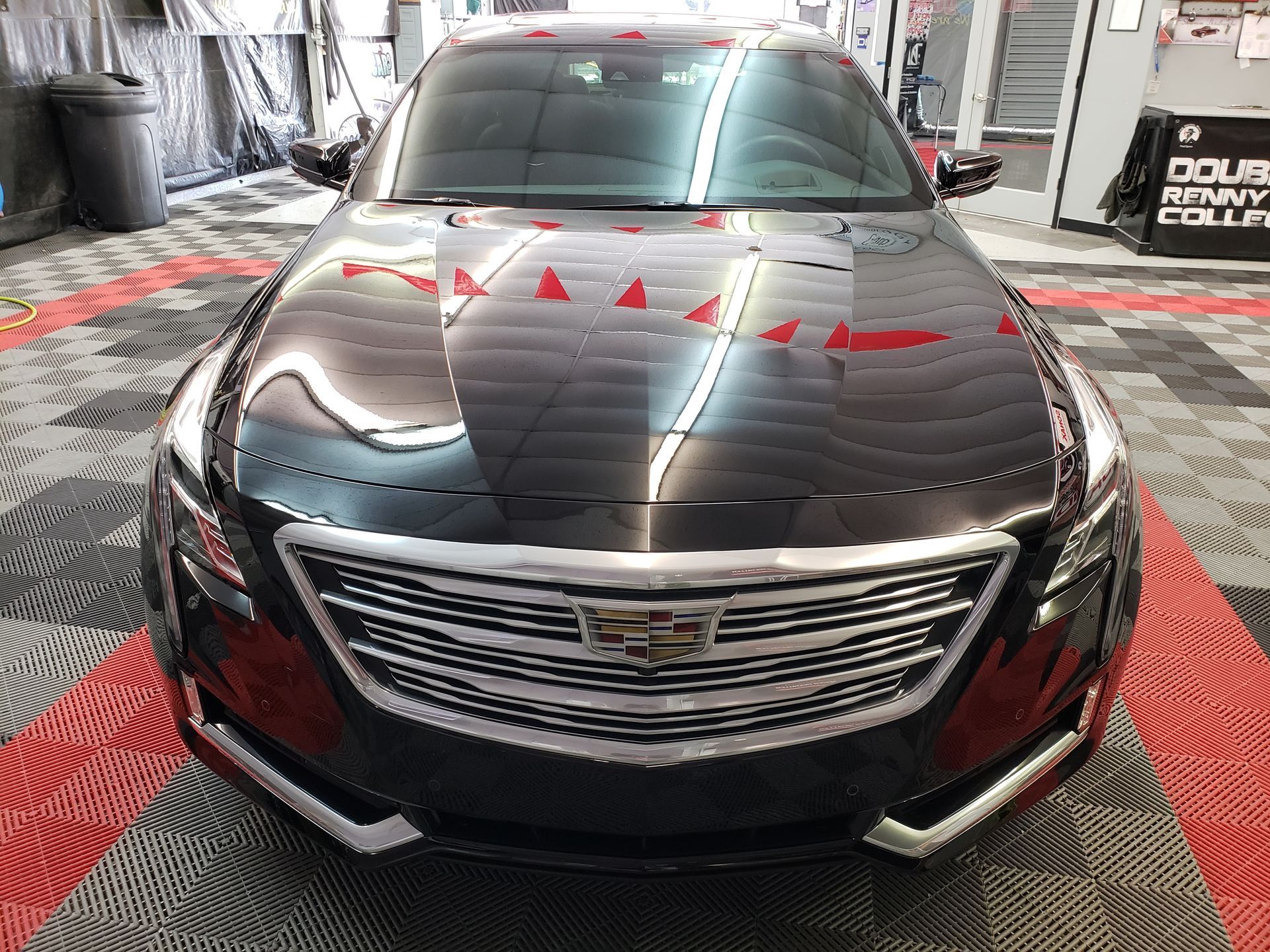
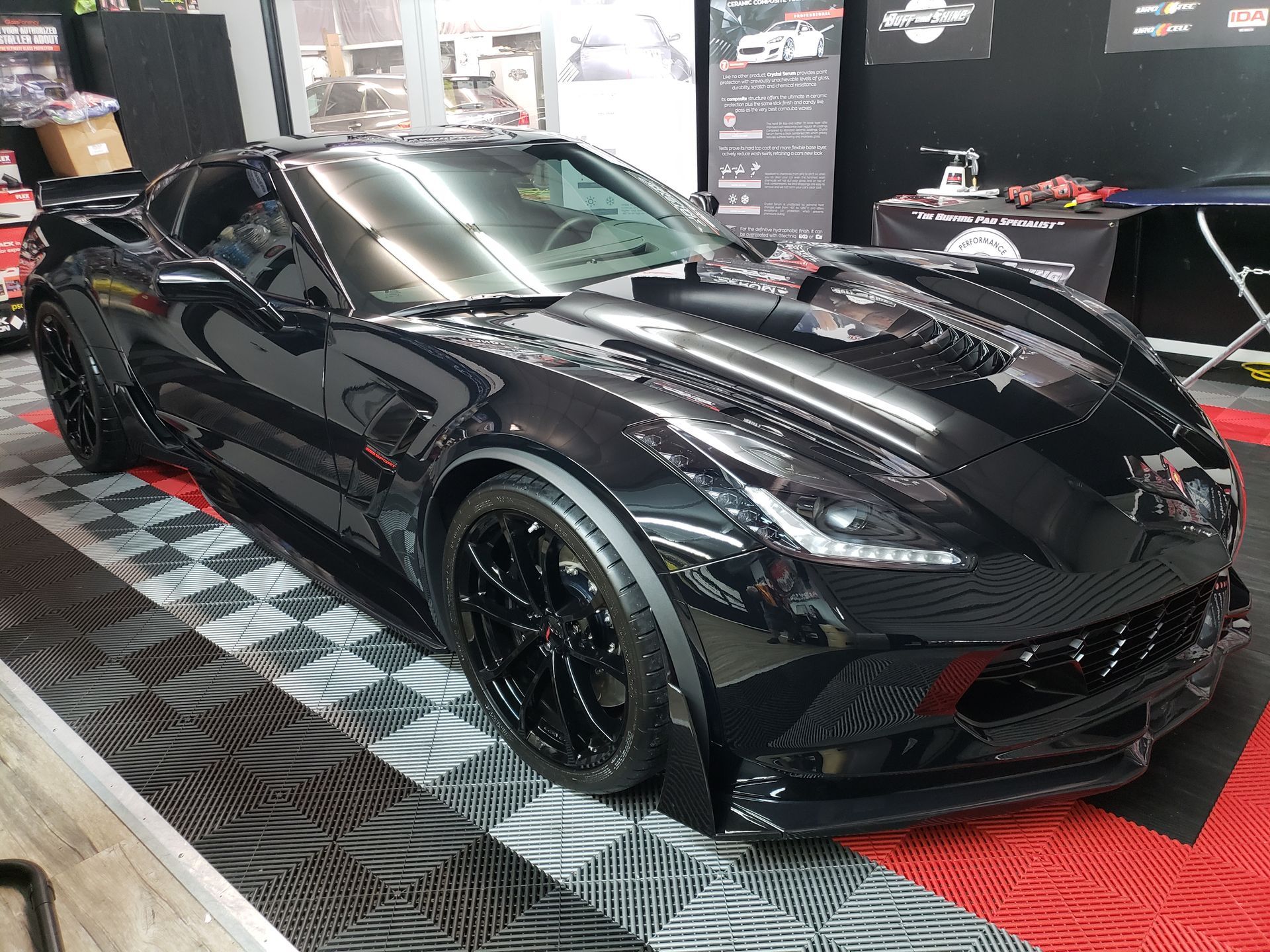
Protection applied to healthy paint preserves a factory finish. Protection applied after two years of exposure is a repair project first and a protection project second, and the correction work is where the cost climbs.
We are not suggesting an older vehicle is beyond help, because it usually is not. We are pointing out that the same result costs far less when the paint is still in good shape. If you have just taken delivery of a new car, truck, or SUV, that is the moment to book a consultation, not a year from now.
Mistake 2: Coating Over Defects Instead of Correcting Them First
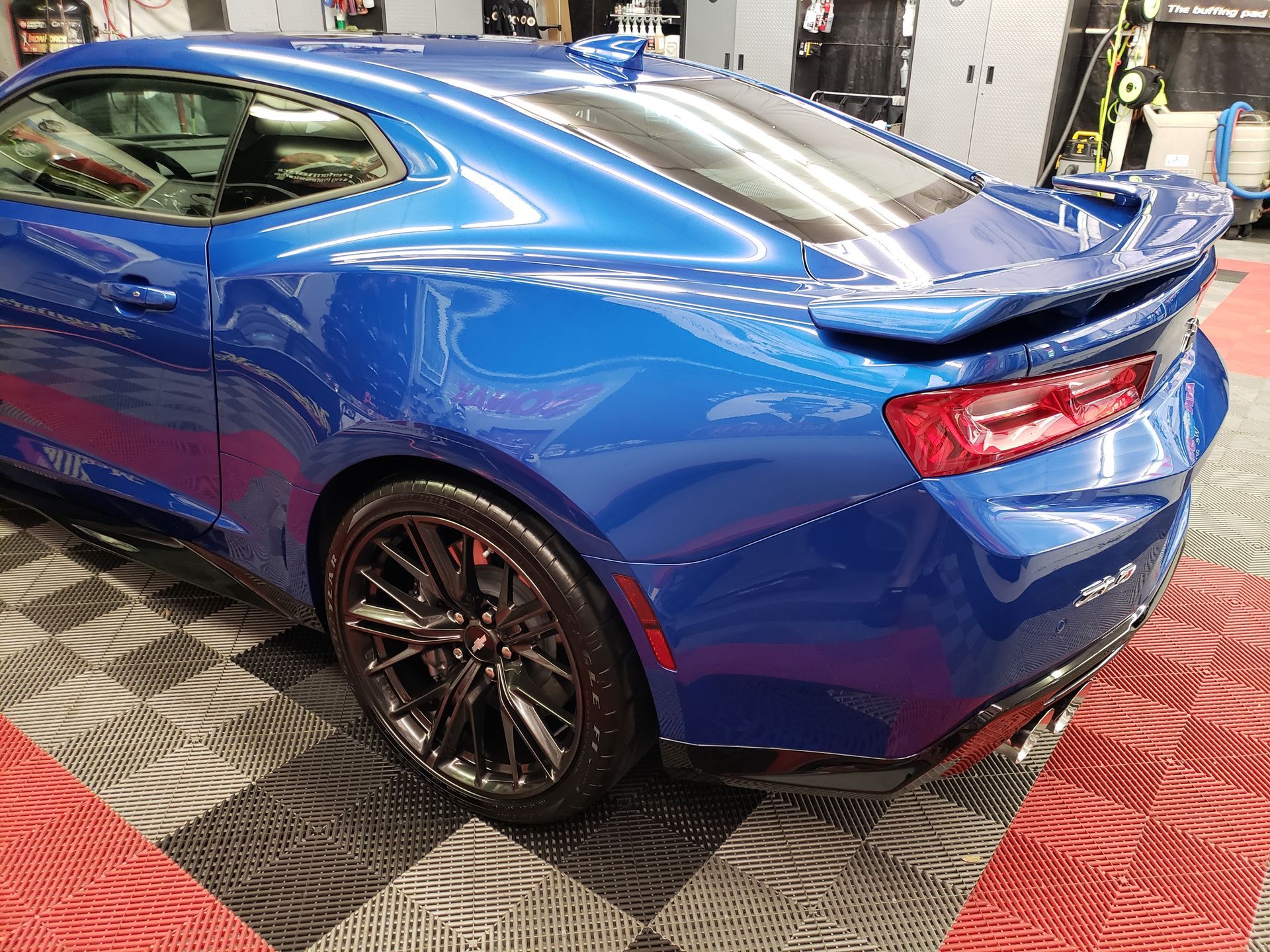
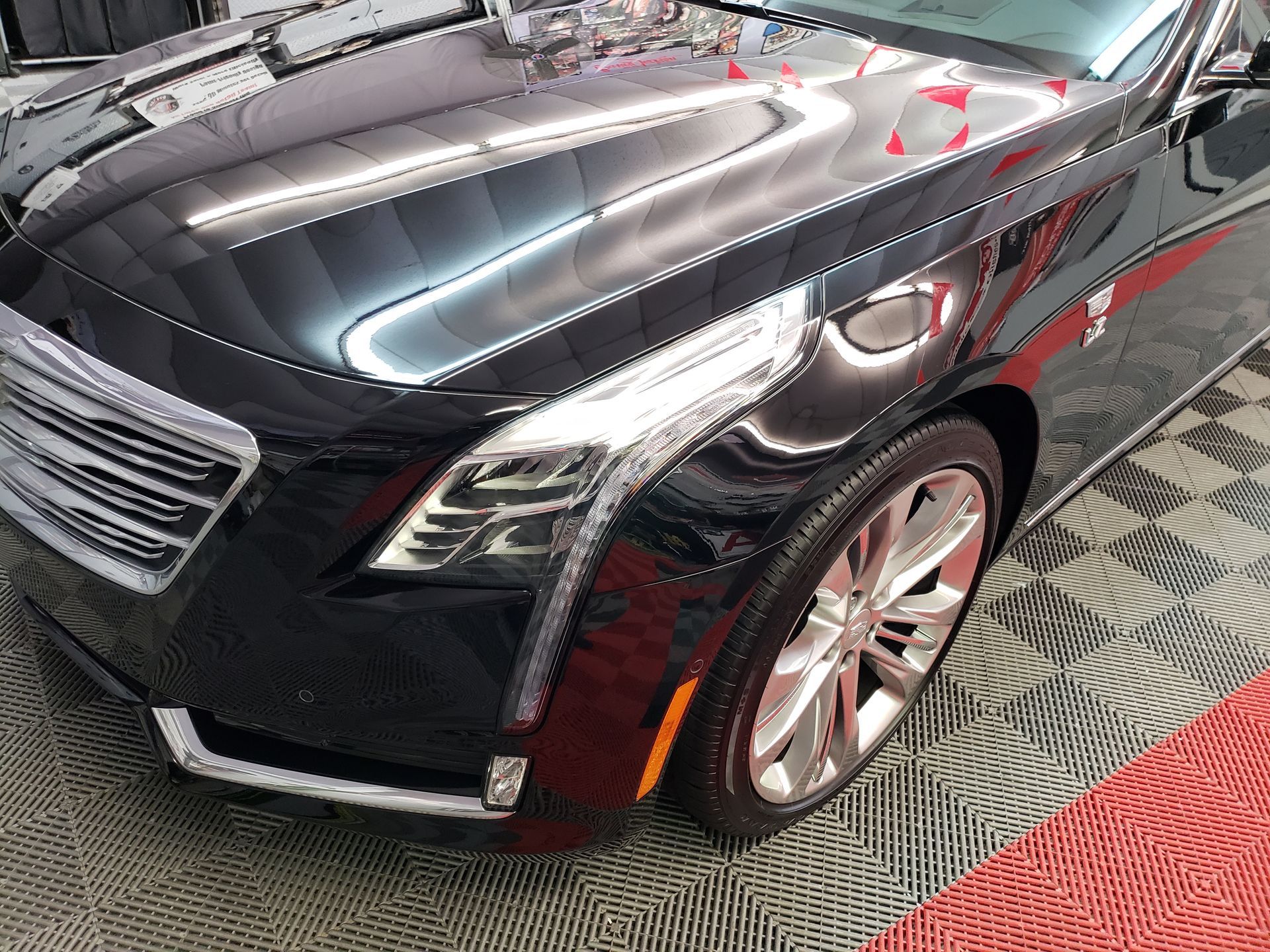
Ceramic coating is transparent and it bonds to whatever is underneath it. If the paint has swirl marks from an automatic car wash, water spots, or light oxidation, the coating locks those defects in and adds gloss on top of them. You end up with shiny flaws that are now sealed under a durable layer.
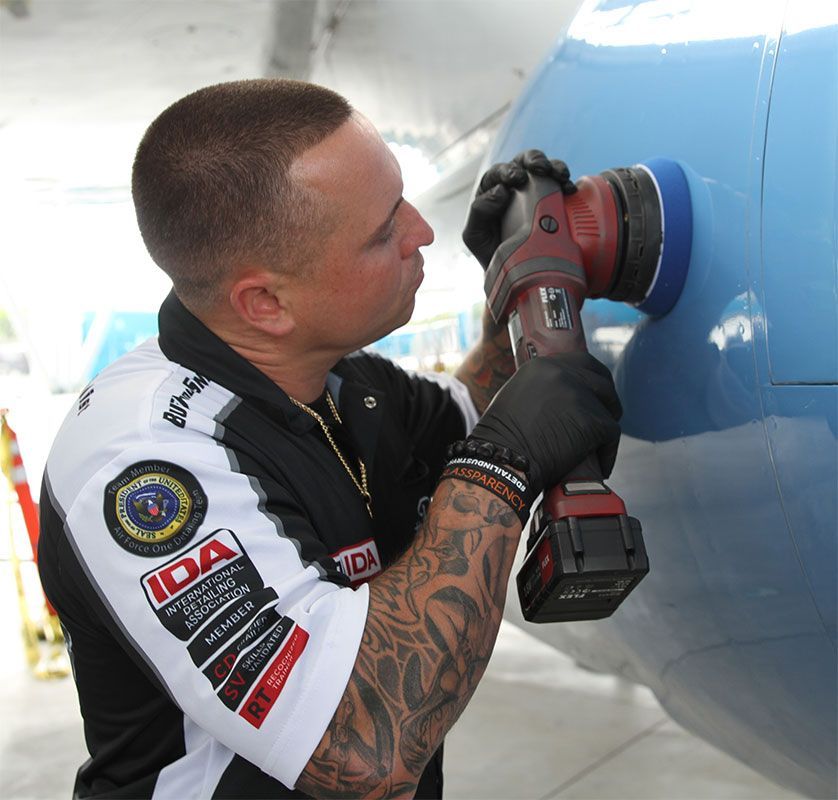
Paint correction is the step that removes those defects before anything goes on top. It is machine polishing done in stages, matched to the condition and hardness of the paint on your specific vehicle.
This is why we do not quote ceramic coating work sight unseen. Every vehicle that comes into our Melbourne studio is inspected in person first, so we can tell you what the paint actually needs rather than guessing. Sometimes it needs very little. Sometimes it needs a multi stage correction. Either way, you should know before the work starts, not after.
A coating installed over corrected paint is what produces the finish people are actually paying for. Skipping the correction step to save money on the front end is how drivers end up disappointed with a product that did exactly what it was supposed to do.
Mistake 3: Assuming Ceramic Coating and PPF Do the Same Job
These two products get talked about interchangeably, and they are not interchangeable at all. Choosing the wrong one for your driving situation is a costly mistake because you are protected against the wrong thing.
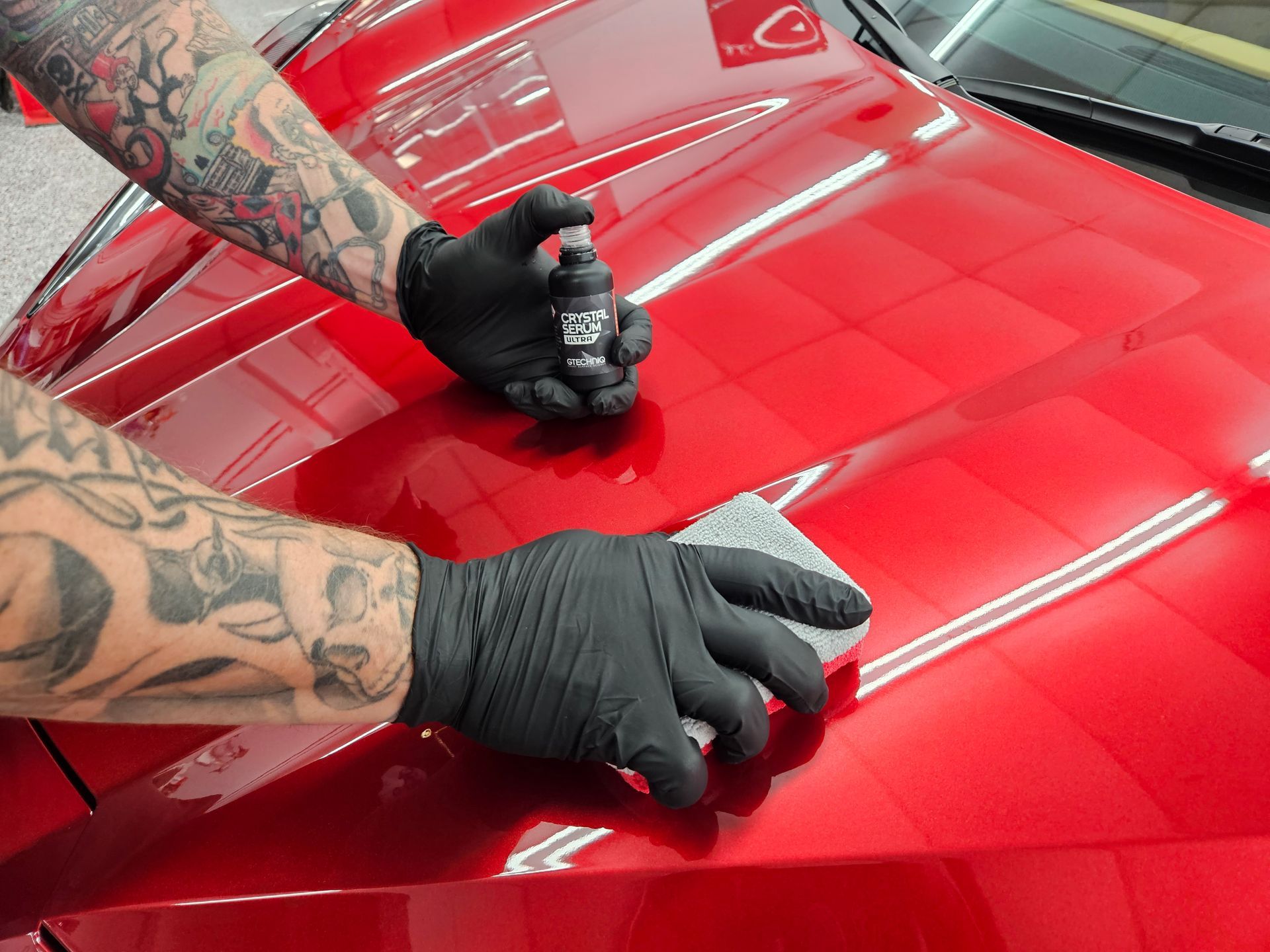
A ceramic coating is a chemical layer that bonds to the clear coat. It adds gloss, makes the surface strongly hydrophobic so water and contamination release more easily, and defends against UV, bug splatter, and bird droppings. It makes the vehicle far easier to keep clean. What it does not do is stop a rock.
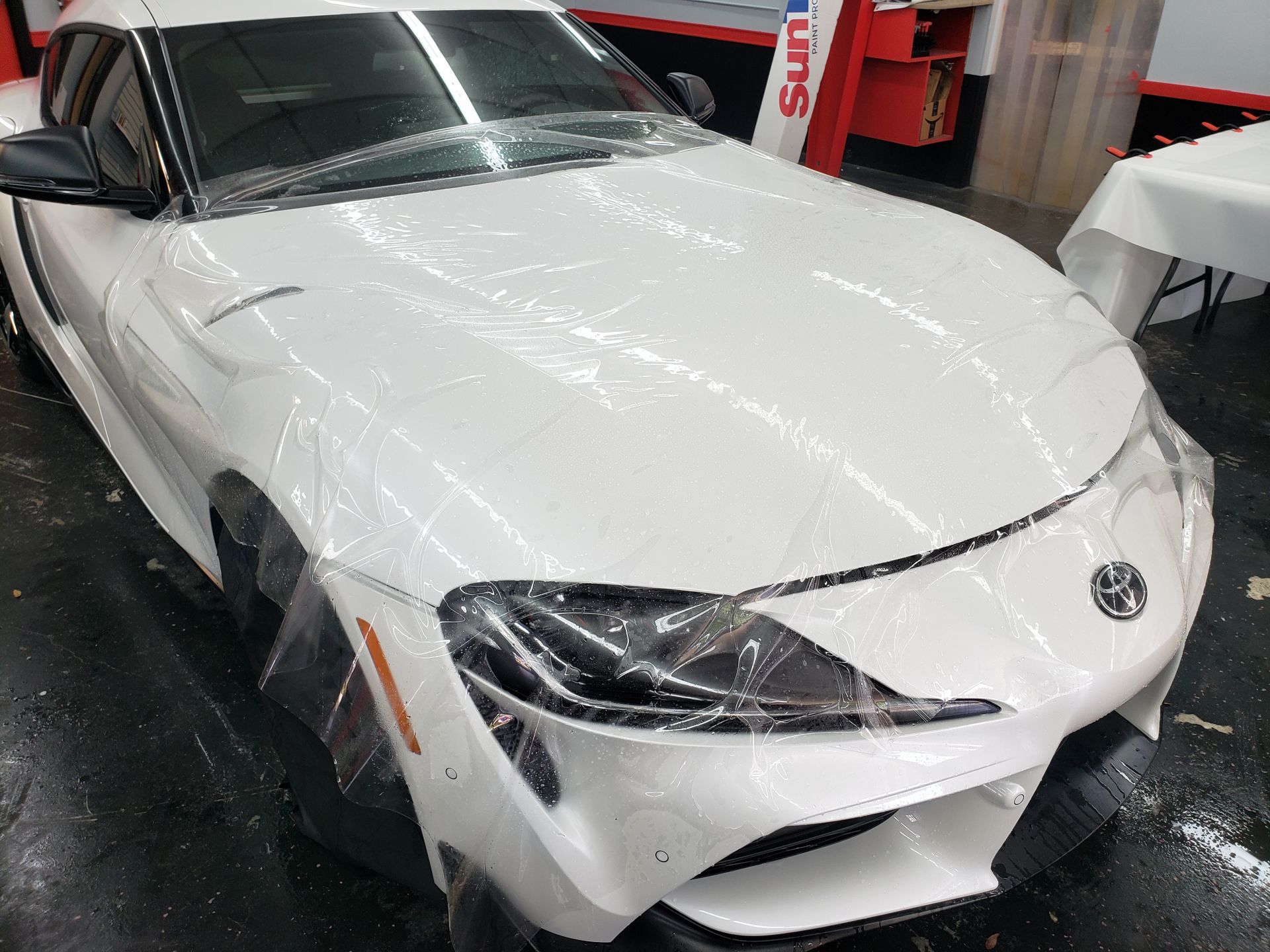
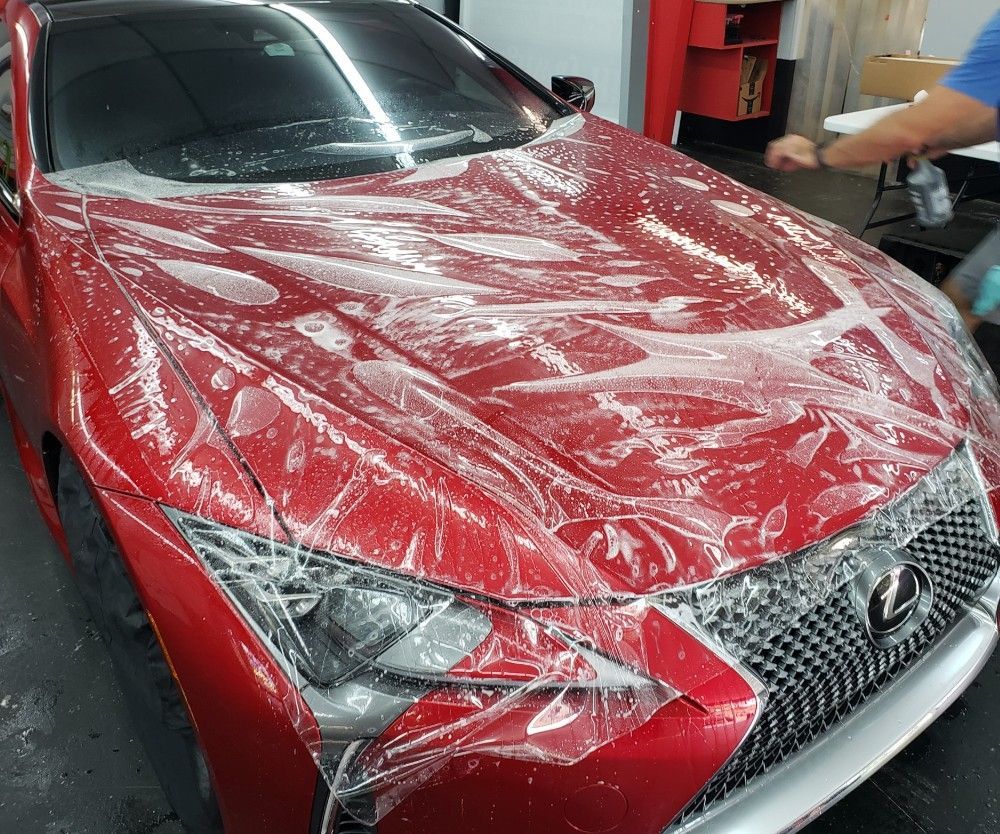
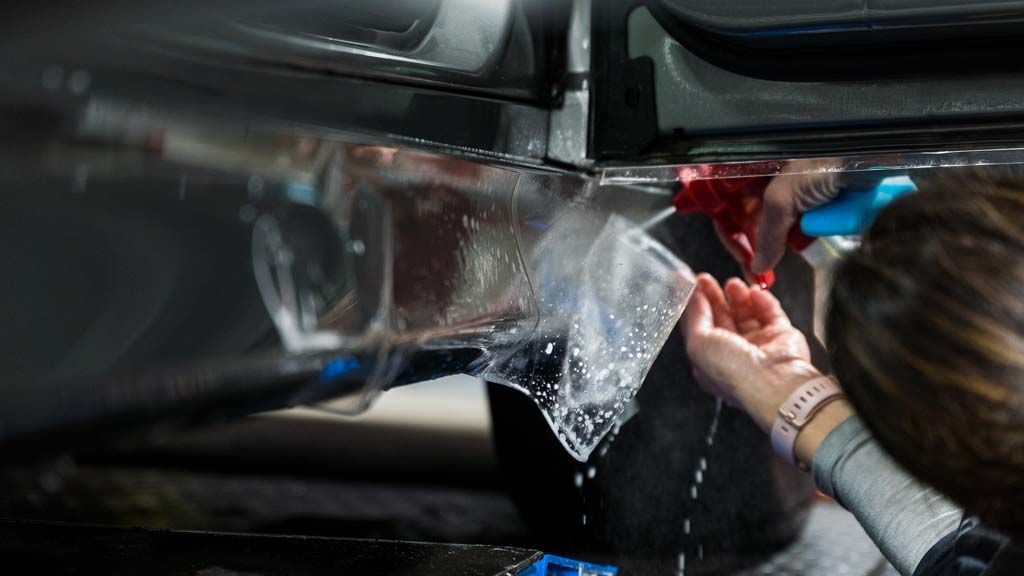
Paint protection film is a physical urethane layer applied over the paint. Our SunTek films are self healing, so light scratches and swirls disappear with heat. Film is what protects a front bumper, hood, and mirrors from highway debris on I-95 and US 1.
For many Brevard County drivers the right answer is both: film on the high impact areas, coating across the rest of the vehicle. That combination handles chemical exposure and physical impact together. The wrong answer is picking one at random and assuming it covers everything.
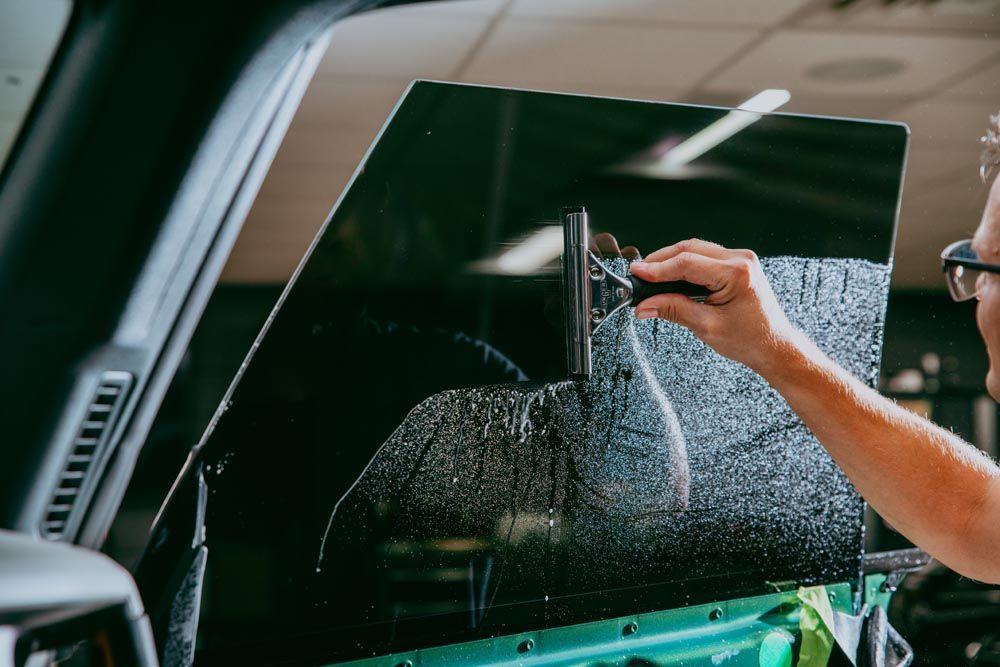
The same logic applies to glass and interiors. LLumar and SunTek window tint film reduces heat and blocks UV that fades and cracks dashboards and upholstery. GlassParency treats the glass itself so rain sheets off during afternoon storms. Each product has a specific job.
Mistake 4: Choosing an Installer on Price Alone
Coatings and films are products, but the result you get is almost entirely about the installation. The same film installed by two different shops can look completely different in six months. Lifted edges, trapped contamination under film, high spots in a coating, and tint with bubbles or peeling are all installation failures, and correcting them costs more than doing it properly the first time.
Ask any shop you are considering three questions. What are your certifications? What warranty covers this product, and who honors it? Can I see vehicles you have finished?
JL's Showroom Auto Salon has been serving Melbourne since 2008 and we are Brevard County's first fully certified and accredited premium auto salon. Our owner, Justin Labato, served as president of the International Detailing Association in 2018 and trains other detailers nationally. We work out of a 7,300 square foot climate controlled facility on South Wickham Road, because film and coating installations are affected by dust, humidity, and temperature.
None of that is decoration. It is the difference between a finish that holds up through Florida summers and one that has to be redone.
Mistake 5: Treating Protection as Maintenance Free
A coated vehicle is much easier to maintain. It is not exempt from maintenance. This misunderstanding undoes more good work than almost anything else.
Automatic car washes with spinning brushes will put swirl marks into a coating just as they will into bare clear coat. Harsh degreasers and household cleaners can strip a coating's performance early. Bug residue and bird droppings left on the surface for a week in August will still cause problems, coating or not.
What protected paint actually asks for is straightforward:
● Wash with a pH neutral shampoo using the two bucket method or a touchless setup
● Rinse the front end after highway driving during bug season
● Address bird droppings within a day or two
● Bring the vehicle in for periodic inspection so we can check coating performance and film edges
We keep the same products we use in the shop stocked in our detailing supply store, and we walk customers through how to use them. Educating clients on proper car care has been part of how we operate since day one.
Protect Your Vehicle Before It Needs Fixing
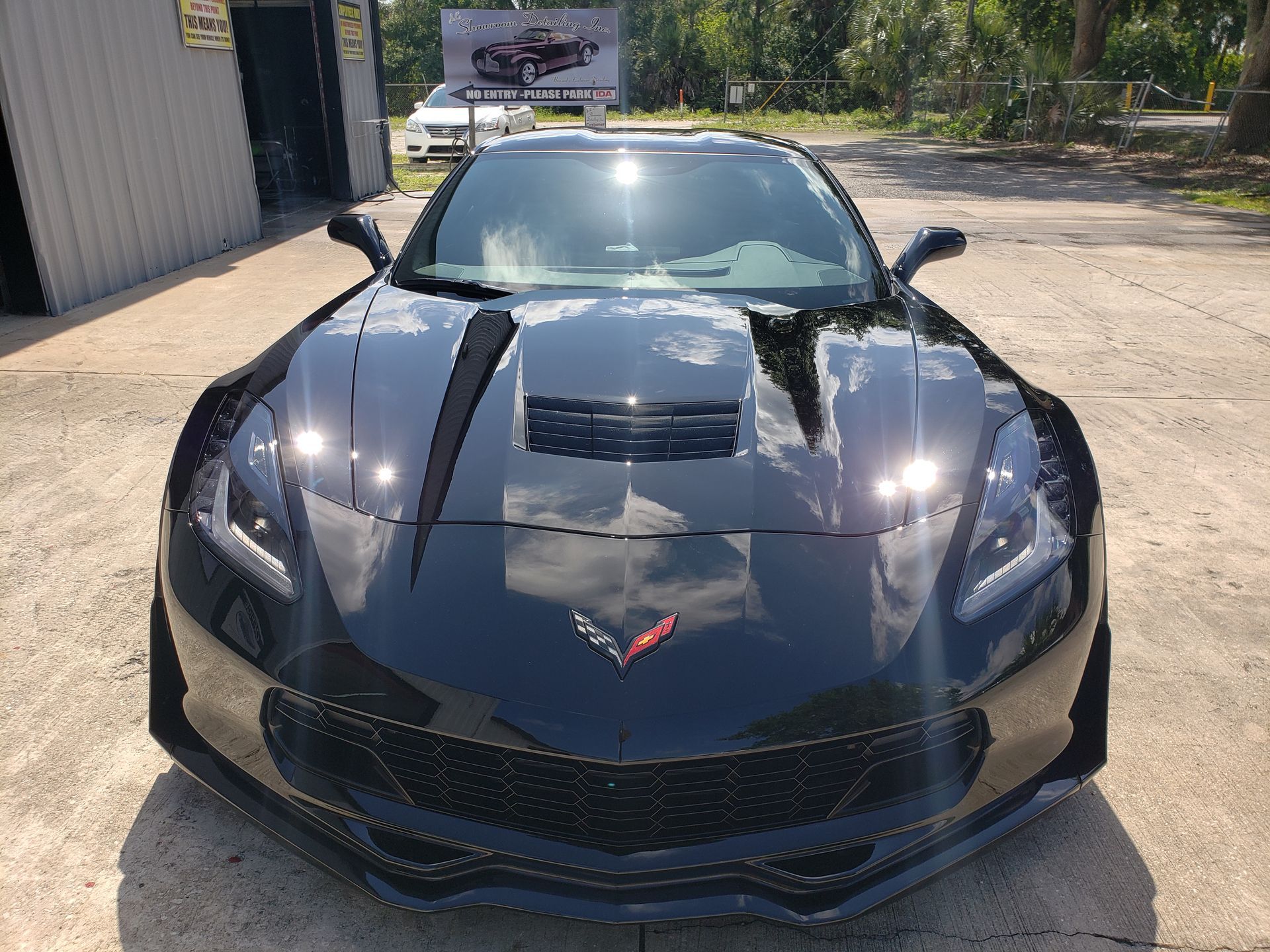
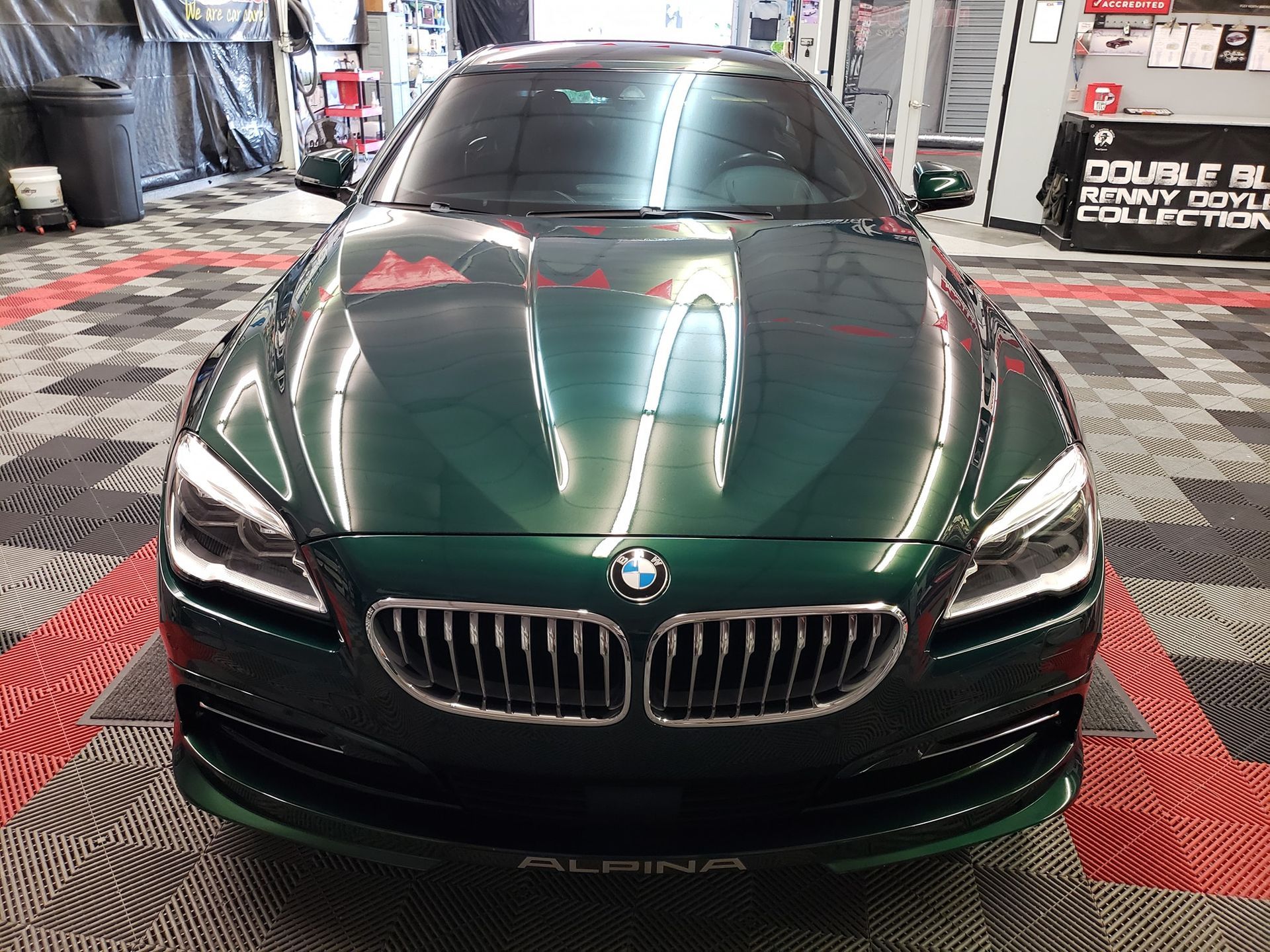
Every mistake on this list gets more expensive the longer it goes unaddressed. The good news is that all five are avoidable with one conversation and an honest look at your vehicle.
We offer a free in person consultation at our Melbourne studio. We will inspect your paint, glass, and interior, tell you what condition they are actually in, and recommend only what makes sense for how and where you drive. No pressure, no packages you do not need.
Call JL's Showroom Auto Salon at (321) 723-6976 or visit us at 515 S Wickham Rd, Melbourne, FL 32904. You can also request a quote online through our contact page and we will follow up to schedule a time that works for you.
Frequently Asked Questions
How soon after buying a new car should I have it protected?
As soon as you can. New paint is in the best condition it will ever be in, and protecting it then means little or no correction work is required. Bring it in before the first bug season or beach trip if possible.
Do I need ceramic coating, paint protection film, or both?
It depends on your vehicle and your driving. Coating handles UV, chemical contamination, and ease of cleaning across the whole vehicle. Film handles physical impact on high exposure panels like the front bumper and hood. Many of our Brevard County customers choose film on the front end and coating everywhere else. We will give you a straight recommendation during your consultation.
Is paint correction always necessary before a ceramic coating?
Not always, but usually. A brand new vehicle may need only a light polish. A vehicle with a few years of Florida sun and automatic car washes behind it will need more. Coating over uncorrected paint seals the defects in, which is why we inspect first.
How long does ceramic coating last in Florida?
Durability depends on the product installed, how the vehicle is stored, and how it is maintained. Coatings are rated in years rather than months, and vehicles that are washed properly and inspected periodically hold their performance considerably longer than those that are not. We will explain the expected life of the specific package we recommend for you.
Can I still take my car through an automatic car wash?
We advise against brush style automatic washes on any protected vehicle. The brushes create swirl marks in the coating surface. Touchless washes are acceptable, and hand washing with a pH neutral shampoo is better still.
Do you work on Teslas and other electric vehicles?
Yes. We install paint protection film, ceramic coating, and window tint on Teslas and other electric vehicles regularly, along with cars, trucks, and SUVs of every kind.
Where are you located and what areas do you serve?
We are at 515 S Wickham Rd in Melbourne, Florida, and we serve drivers throughout Brevard County and the Space Coast, including Viera, Palm Bay, Satellite Beach, and Indialantic.