How Tint Affects Modern Vehicle Sensors and Electronics: What You Should Know
Window tinting has evolved beyond aesthetics and sun protection into a sophisticated technology that must work harmoniously with your vehicle's advanced electronic systems. For discerning auto enthusiasts in Melbourne, Florida, understanding how different tint types interact with modern car technology helps you make informed decisions that preserve both your vehicle's appearance and its high-tech capabilities. This comprehensive guide explores how window tinting affects everything from GPS navigation to advanced safety features, ensuring you maintain your investment's value and performance.
Premium Window Tints and Sensor Compatibility
High-quality, professionally installed window tints are engineered for complete compatibility with modern vehicle sensors and electronic systems, including Advanced Driver Assistance Systems (ADAS). These premium films allow essential signals like GPS, Bluetooth, and sensor transmissions to pass through unimpeded while effectively reducing glare and heat. This ensures both optimal sensor performance and enhanced driving comfort for Melbourne's sunny climate.
Understanding Tint Impact on Modern Vehicle Sensors
When evaluating how window tint affects vehicle sensors, it's crucial to recognize that quality matters significantly. Today's luxury and performance vehicles rely on precise signal transmission through light waves, radar, and infrared pulses for proper functionality.
Premium tint films remain virtually transparent to these critical sensors, while inferior products can block or distort essential signals, causing system malfunctions. For instance, metallized tints may reflect or scatter radar waves, compromising the effectiveness of ADAS features like adaptive cruise control or collision warning systems that protect your investment.
Selecting reputable tint products means choosing films specifically engineered with sensor compatibility as a priority. Industry leaders like 3M and LLumar have invested extensively in developing nano-ceramic films that block harmful ultraviolet and infrared rays without disrupting signals essential for:
- GPS navigation accuracy
- Wireless charging capabilities
- Backup camera clarity
- Bluetooth connectivity
These advanced films prioritize optical clarity, ensuring your vehicle's sensors receive unaltered data for flawless operation.
Professional installation from experienced providers who understand sensor functionality preservation is essential. At JL's Showroom Auto Salon, technicians carefully select films that maintain perfect communication between your vehicle's sophisticated systems and the external environment. This includes verifying that tint materials won't interfere with 5G signals or ADAS components.
Special Considerations for Backup Cameras
Backup cameras deserve particular attention because their effectiveness directly impacts daily safety. Poorly selected or improperly installed tint can reduce image clarity or darken the camera feed, making reversing more challenging in low-light conditions.
Consumer Reports has documented cases where substandard tint films caused visual distortion or reduced display brightness. This creates genuine safety concerns, not merely inconvenience.
To maintain camera effectiveness, advanced nano-ceramic or IR-blocking films preserve clear visibility while delivering benefits like heat rejection and UV protection. Regular maintenance of tinted surfaces also helps maintain sensor accuracy over time.
Critical Factors for Sensor Compatibility
When considering tint's impact on sensors, focus on these key elements:
- Material Composition: Nano-ceramic and graphene-based films offer superior compatibility with modern electronics.
- Film Thickness: Excessively thick layers may weaken signal transmission and compromise system performance.
- Installation Precision: Air bubbles or creases near sensor zones create interference that affects functionality.
- Legal Compliance: Florida regulations on tint darkness indirectly affect sensor performance and must be considered.
Understanding these factors helps protect both your technology investment and personal safety. Window tinting in 2025 has evolved far beyond simple aesthetics into a carefully engineered technology designed to complement your vehicle's intelligent systems.
Effects on Electronic Systems
Modern vehicles rely on uninterrupted electronic communication for navigation, entertainment, and safety features. Low-quality or incompatible tint films can disrupt GPS, Bluetooth, and radio signals by blocking or weakening the radio waves that pass through your windows. This not only causes dropped connections but can also hinder safe navigation around Central Florida.
Premium Low-Emissivity and ceramic films are engineered to avoid this issue, allowing signals to pass clearly while still offering UV and heat rejection. In contrast, some metallic or carbon films block heat well but may interfere with electronic systems due to their reflective properties.
To prevent signal loss, choose tint products that provide clear data on signal permeability. Reputable shops like JL's Showroom Auto Salon offer films tested for compatibility with modern electronics and provide guidance based on your vehicle and driving habits.
Safety Considerations with Tinted Windows
Window tint reduces glare and heat in Florida’s intense sun, making daytime driving safer and more comfortable. But going too dark can backfire, especially at night. Overly dark films restrict visibility and peripheral vision, with NHTSA noting reductions up to 30 percent, which increases the risk of missing road hazards or reacting too slowly in traffic.
Florida’s tint laws set minimum Visible Light Transmission (VLT) levels to maintain safe visibility. Following these standards is essential not just to avoid fines but also to ensure your view of the road and your vehicle’s onboard sensors perform correctly. Modern ADAS systems like lane departure cameras and LiDAR require unobstructed sight lines, so the film’s thickness and shade must be chosen carefully.
Selecting the right tint means balancing comfort, clarity, and technology performance. Reviewing your vehicle manual or consulting experts helps avoid issues. Professionals at JL’s Showroom Auto Salon understand how different films interact with sensors and legal requirements, ensuring you get effective sun protection without compromising safety or electronic functionality.

Tint Materials and Their Properties
Each window tint type offers distinct benefits and considerations that directly affect vehicle sensors, electronics, and overall driving experience. Selecting the appropriate film requires balancing heat rejection, UV protection, durability, and electronic compatibility.
Dyed Film
The most budget-conscious option, dyed film primarily reduces glare and enhances aesthetics. While these tints fade more quickly and offer limited infrared heat protection, their minimal interference with wireless signals makes them suitable when sensor reliability is paramount. However, for robust heat rejection or longevity, dyed films may not meet expectations.
Metalized Films
These incorporate microscopic metal particles to reflect heat effectively, achieving infrared rejection rates up to 70 percent for noticeably cooler interiors during hot Florida summers. However, this reflective capability interferes with electromagnetic signals crucial for radar-based adaptive cruise control and lane-keeping assistance. This interference could reduce sensor efficiency by up to 20 percent, potentially compromising safety features.
Hybrid Films
Manufacturers developed hybrid tints blending dyed layers with metalized particles in careful proportions. These films aim to balance improved heat rejection over dyed films with fewer electronic disruptions than purely metalized options. Some signal attenuation persists, making professional installation critical to avoid sensor areas.
Ceramic Tints
Ceramic tint is widely considered the gold standard because it blocks up to 99 percent of UV rays and significantly reduces infrared heat without using metals that interfere with electronics. These films keep GPS, Bluetooth, and ADAS sensors operating normally, with less than 5 percent signal impact, while offering strong durability and scratch resistance. Many come with long-term warranties for added peace of mind.
For drivers with modern, tech-heavy vehicles, ceramic tint installed by experts is the safest, most dependable choice for protecting both comfort and advanced electronics.
Navigating Florida's Legal Regulations
Florida’s tint laws aim to balance comfort with safety, setting minimum Visible Light Transmission requirements that vary by vehicle type and window location. For example, sedans must keep at least 28 percent VLT on front side windows, ensuring clear visibility during low-light driving. These standards also protect critical sensors like cameras, LiDAR, and proximity detectors that rely on unobstructed light and signal pathways to operate correctly.
Highly reflective or metallic films are prohibited on front windows because they can distort sensor readings and create glare. Instead, nano-ceramic or IR-blocking films offer darker aesthetics without violating state laws or interfering with modern vehicle electronics. Always choose certified tint products that meet Florida regulations and align with your vehicle manufacturer’s guidelines to avoid fines, removal, or compromised safety features.
Florida only allows non-reflective tint on the windshield’s AS-1 line, ensuring sensors for rain detection and driver-assist systems remain fully functional. Working with professionals familiar with state regulations ensures your tint delivers comfort, privacy, and legal compliance while protecting the performance of your vehicle’s advanced technology.
Professional Tint Installation and Best Practices
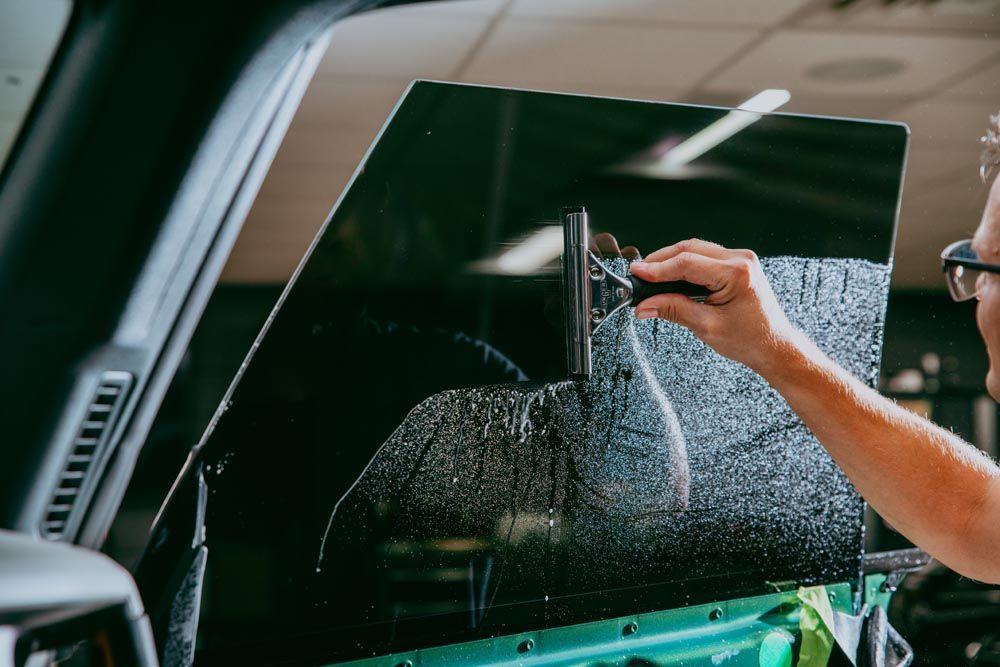
Professional installation represents more than convenience; it's a critical factor determining how well your vehicle's sensors and electronics perform post-installation. Reputable shops like JL's Showroom Auto Salon bring experience and industry standards that protect both your investment and road safety. These professionals carefully assess your vehicle's specific configuration, ensuring tint won't interfere with essential systems like ADAS or communication signals.
Pre-Installation Assessment
Before applying film, experienced technicians inspect all nearby sensors and electronic components. This examination identifies sensitive areas requiring special care, such as rain sensors near the windshield or cameras in side mirrors. This mapping ensures proper installation without obstruction.
Quality Film Selection
Professional installers use high-quality films meeting rigorous standards. Premium brands undergo strict testing for ISO compliance, ensuring optimal light transmission (typically minimum 35 percent VLT for sensor compatibility) and minimal reflectivity (under 15 percent) to maintain camera and sensor functionality.
Precision Installation Techniques
Professionals maintain appropriate clearance (typically 2 millimeters minimum) between tint edges and sensor housings to prevent signal attenuation. They carefully apply films near sensitive zones to avoid liquid damage that could affect electronics. This attention to detail minimizes the higher incidence of sensor malfunctions associated with DIY installations.
Professional shops often provide warranties covering sensor interference issues for up to five years, demonstrating confidence in their workmanship and materials. This contrasts with DIY attempts that risk bubbling, peeling, reduced clarity, and impaired safety features.
Choose trusted professionals like JL's Showroom Auto Salon who combine comprehensive vehicle technology knowledge with premium products and expert application techniques. Knowing your sensors remain undisturbed allows confident driving while enjoying cooler interiors, reduced glare, and UV protection without compromising safety.
Balancing Aesthetics and Functionality
Window tinting can enhance your vehicle's appearance, but it must also work with modern systems like LiDAR, radar, and cameras. Improper tinting can disrupt these signals and reduce ADAS performance.
Premium films now offer both style and safety, with 20 to 35 percent VLT options that maintain a sleek look without blocking GPS, Bluetooth, or sensor accuracy. Ceramic and infrared-reflective coatings reduce heat and glare while keeping sensors reliable.
Very dark films around 5 percent VLT can interfere with LiDAR, while lighter 35 percent tints have minimal impact. Choosing the right shade ensures your vehicle looks great and functions properly. JL's Showroom Auto Salon installs modern, low-impact films and ensures tint placement does not obstruct critical sensor zones, preserving both aesthetics and technology.
Quick Reference: Tint Levels and Sensor Impact
- 5% VLT (Limo): High heat rejection, significant sensor interference possible
- 20% VLT (Dark): Good heat rejection, moderate sensor compatibility
- 35% VLT (Medium): Balanced heat rejection, excellent sensor compatibility
- 50% VLT (Light): Moderate heat rejection, no sensor interference
Ultimately, optical clarity, sensor compatibility, legal compliance, and heat management all factor into informed tinting decisions. Best results come from partnering with knowledgeable professionals and discerning drivers who value both form and function equally.
The Smarter Way to Enhance Style, Safety, and Comfort
By choosing the right tint film installed by professionals who understand modern vehicle technology, you protect your investment while enhancing comfort and style. The experts at JL's Showroom Auto Salon combine technical expertise with premium materials to deliver solutions that complement your vehicle's sophisticated systems while meeting Florida's legal requirements.
Ready to upgrade your vehicle with confidence? Contact JL's Showroom Auto Salon today to discover the perfect tint solution that preserves your car's value, maintains its advanced features, and reflects your personal style.

Frequently Asked Questions
What types of window tint are safest for modern vehicle electronics?
Ceramic and other non-metallized window films are the safest choices for today’s sensor-heavy vehicles. They don’t disrupt radar, GPS, Bluetooth, or ADAS systems the way metallic tints often do. Ceramic films still provide strong UV and heat rejection - often cutting cabin heat by up to 50 percent - while keeping all safety features like adaptive cruise control and lane-keeping assist fully functional. This makes them the best option for drivers who want protection without compromising technology performance.
Do vehicle manufacturers recommend against certain tints?
Yes. Many manufacturers advise against metallic or highly reflective tint films because they can interfere with LiDAR, radar, and camera-based ADAS systems. These disruptions may affect safety features and can even impact warranty coverage. Studies also show that a significant portion of ADAS issues stem from aftermarket tint installations that block or distort sensor signals, reinforcing why non-metallized tints are the safer choice.
How do darkness and material affect vehicle electronics?
Both tint darkness and material directly influence how well your vehicle’s electronics perform. Very dark films combined with metallic or conductive materials can weaken GPS, Bluetooth, and keyless entry signals by blocking or reflecting radio waves. In some cases, metallic tints reduce signal strength by up to 30 percent, which may affect sensor accuracy. Non-metallic options - especially ceramic or high-quality dyed films - provide heat and UV protection without disrupting wireless communication or ADAS functions.
Can window tint interfere with rain, light, or collision sensors?
Yes. Dark or metallic window tints can block or distort the signals used by rain sensors, light sensors, and collision-detection systems. This may cause delayed responses or incorrect readings - with some studies showing up to a 30 percent drop in sensor accuracy when improper tint is applied. Using non-metallic, sensor-safe films and having them professionally installed helps ensure all automatic safety features continue to operate correctly.
How can you verify sensor functionality after tint installation?
After your tint is installed, test features such as parking assist, rain sensing, and lane departure in a safe, controlled setting to ensure they activate normally. Watch for delayed responses or irregular alerts. Many manufacturers also recommend a post-installation diagnostic scan to confirm everything is working correctly. If anything feels off, JL's Showroom Auto Salon can evaluate the issue and perform recalibration to restore full sensor accuracy.
Ready to Upgrade Your Vehicle Safely and Professionally?
Enhance comfort, protect your interior, and keep every sensor performing flawlessly with expert tint installation from JL's Showroom Auto Salon. Our team uses premium, sensor-safe films and precise installation techniques to ensure full compliance with Florida laws and optimal ADAS functionality.
Schedule your appointment
today and get the perfect balance of style, safety, and performance.