Partial Front vs Full Body PPF: Which Paint Protection Option Is Best for Your Car?
When it comes to protecting your car's paint, choosing the right level of coverage can feel overwhelming. Should you shield just the front, where most damage happens, or wrap the whole vehicle for added peace of mind? This article breaks down the differences between partial front and full body Paint Protection Film (PPF), helping you figure out which option fits your needs, budget, and daily driving habits. Think of it as giving your car either a smart front-line defense or full armor, each with its own perks to keep your ride looking sharp for years to come.
Partial front PPF typically covers high-impact areas like the front bumper, hood, and front fenders, offering excellent protection against rock chips and debris at a more affordable cost. Full body PPF provides comprehensive coverage for your entire vehicle, safeguarding all panels from scratches, chips, and environmental damage, making it ideal for high-value or frequently driven cars where maximum protection is desired.
Explaining Paint Protection Film (PPF)
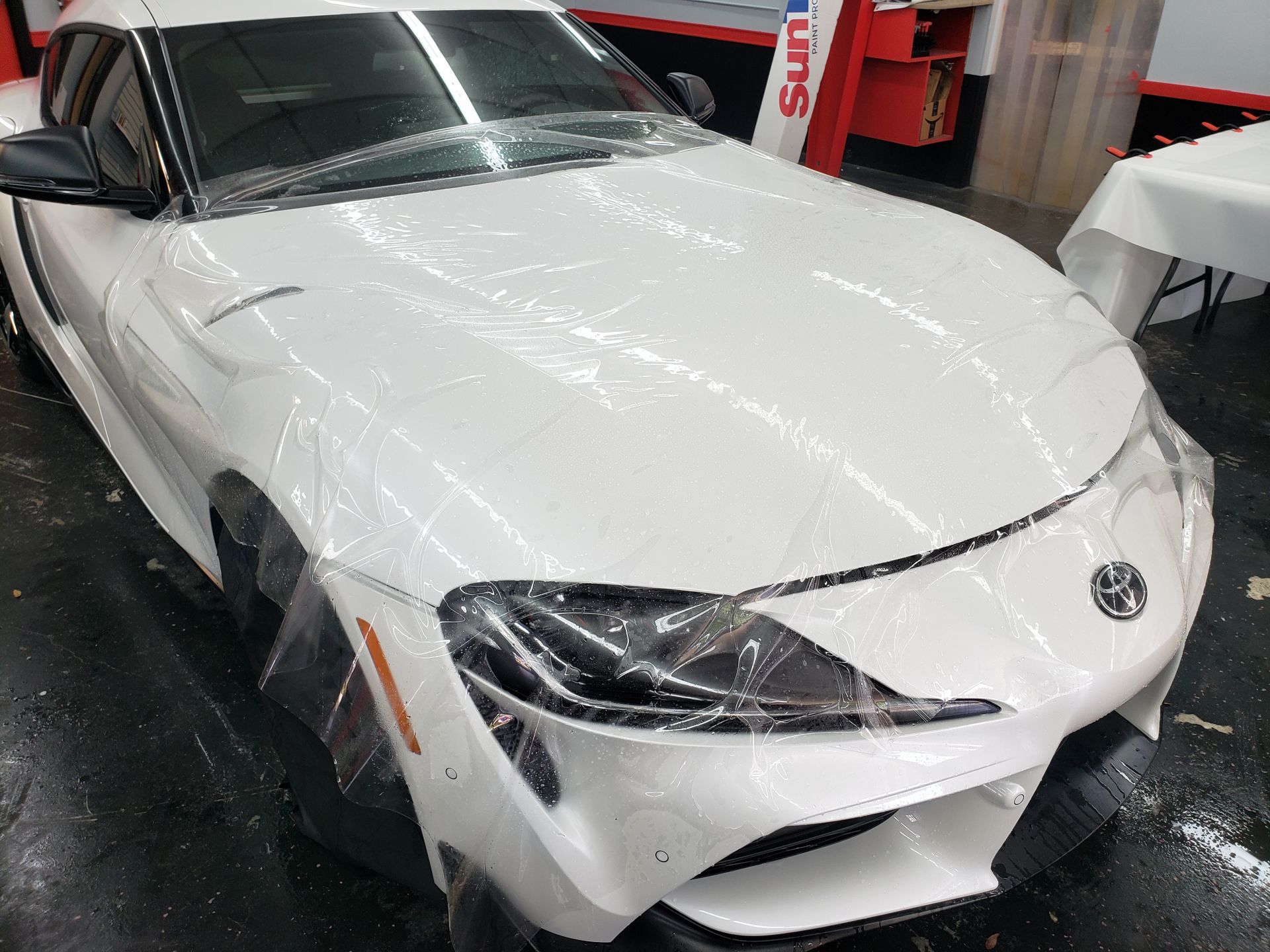
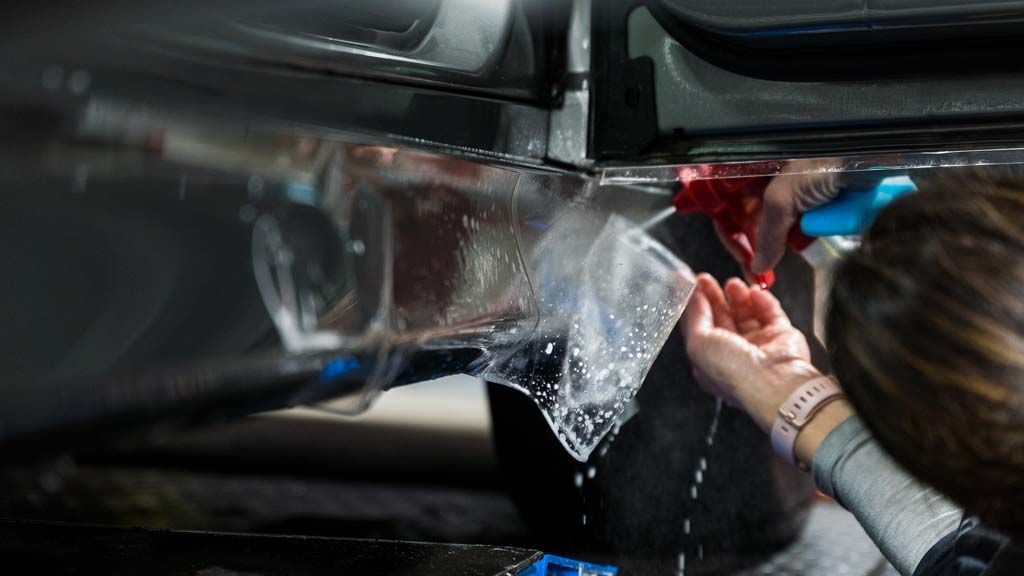
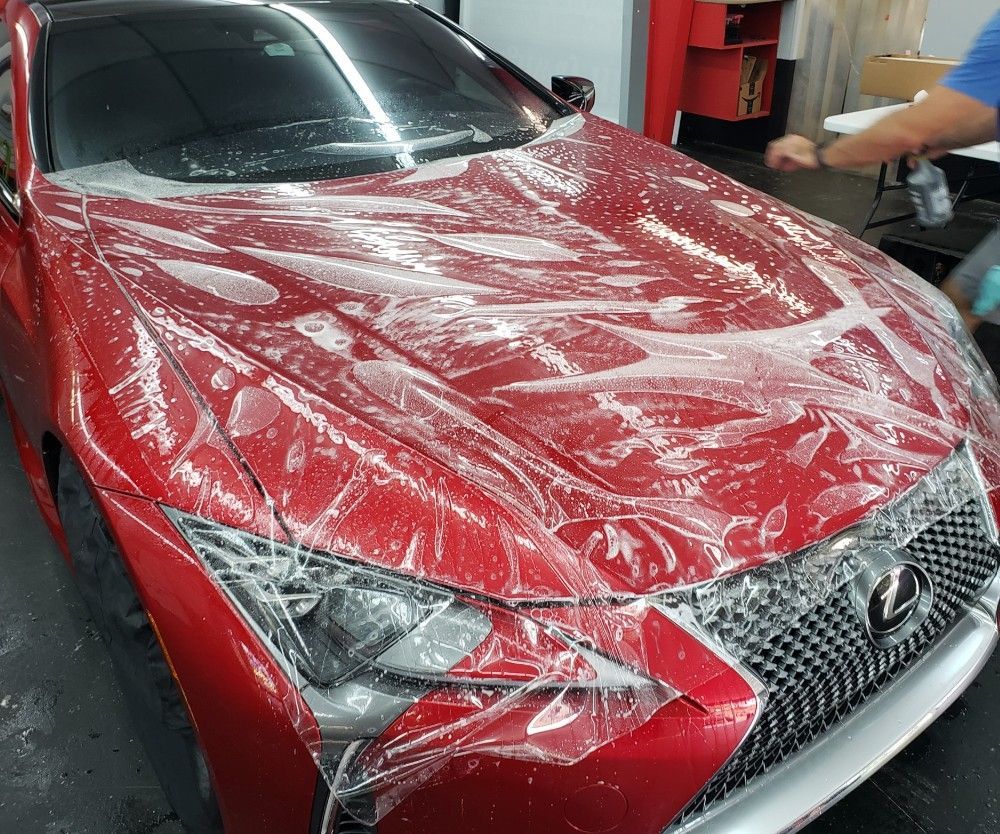
At its core, Car Paint Protection Film is a clear, resilient layer crafted from thermoplastic urethane. This material acts as an invisible armor for your car's paint, defending it against everyday hazards, including rocks kicked up on the highway, bug splatter, bird droppings that can corrode paint, and minor scratches from parking lot dings. Unlike wax or ceramic coatings that sit atop paint and wear away more quickly, PPF physically absorbs impact damage, preserving the original surface beneath.
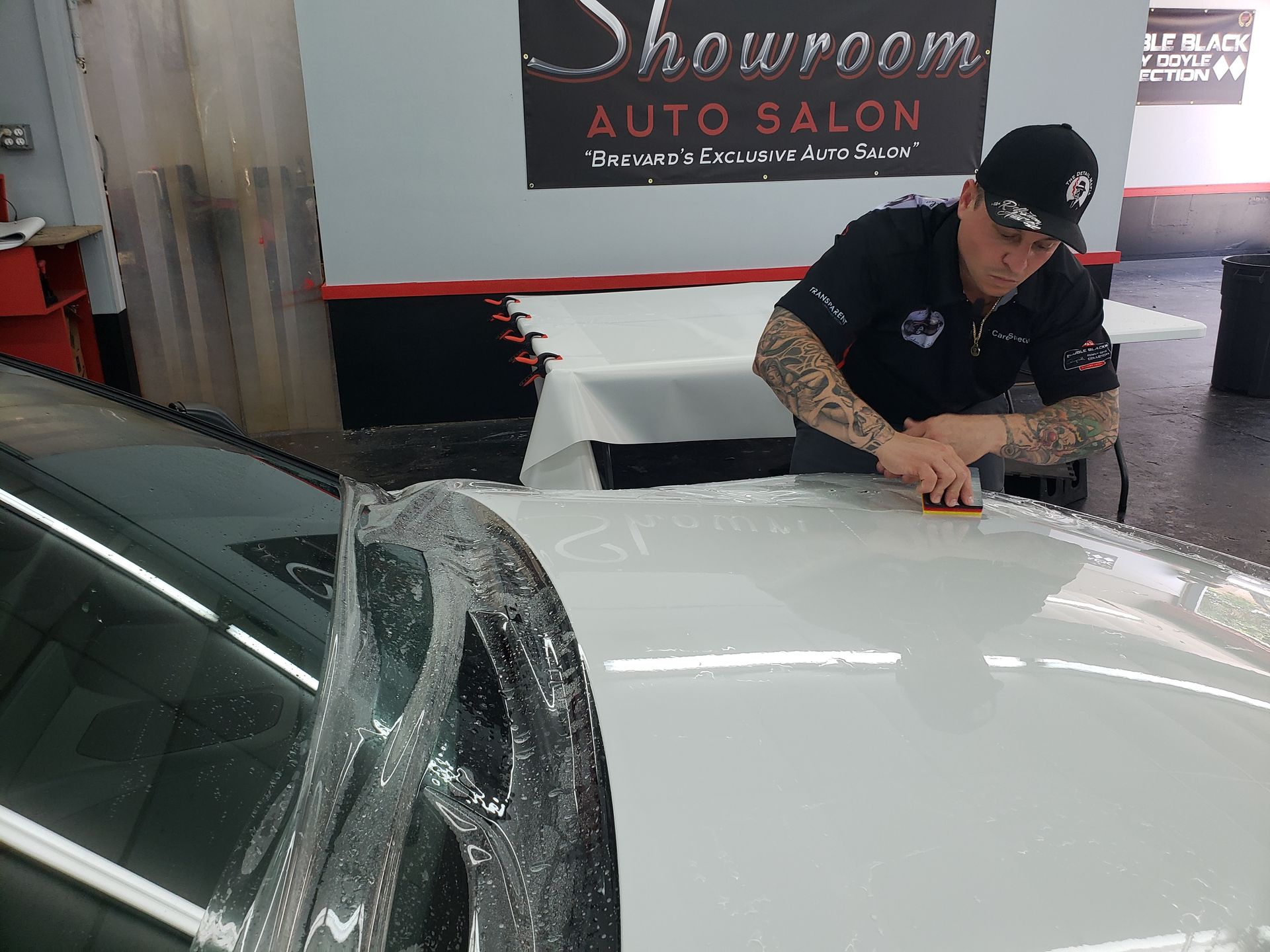
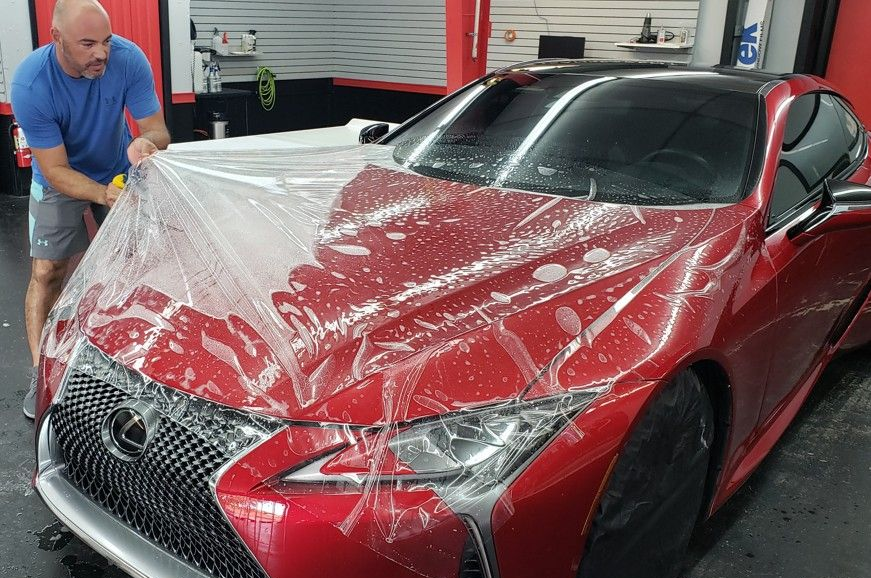
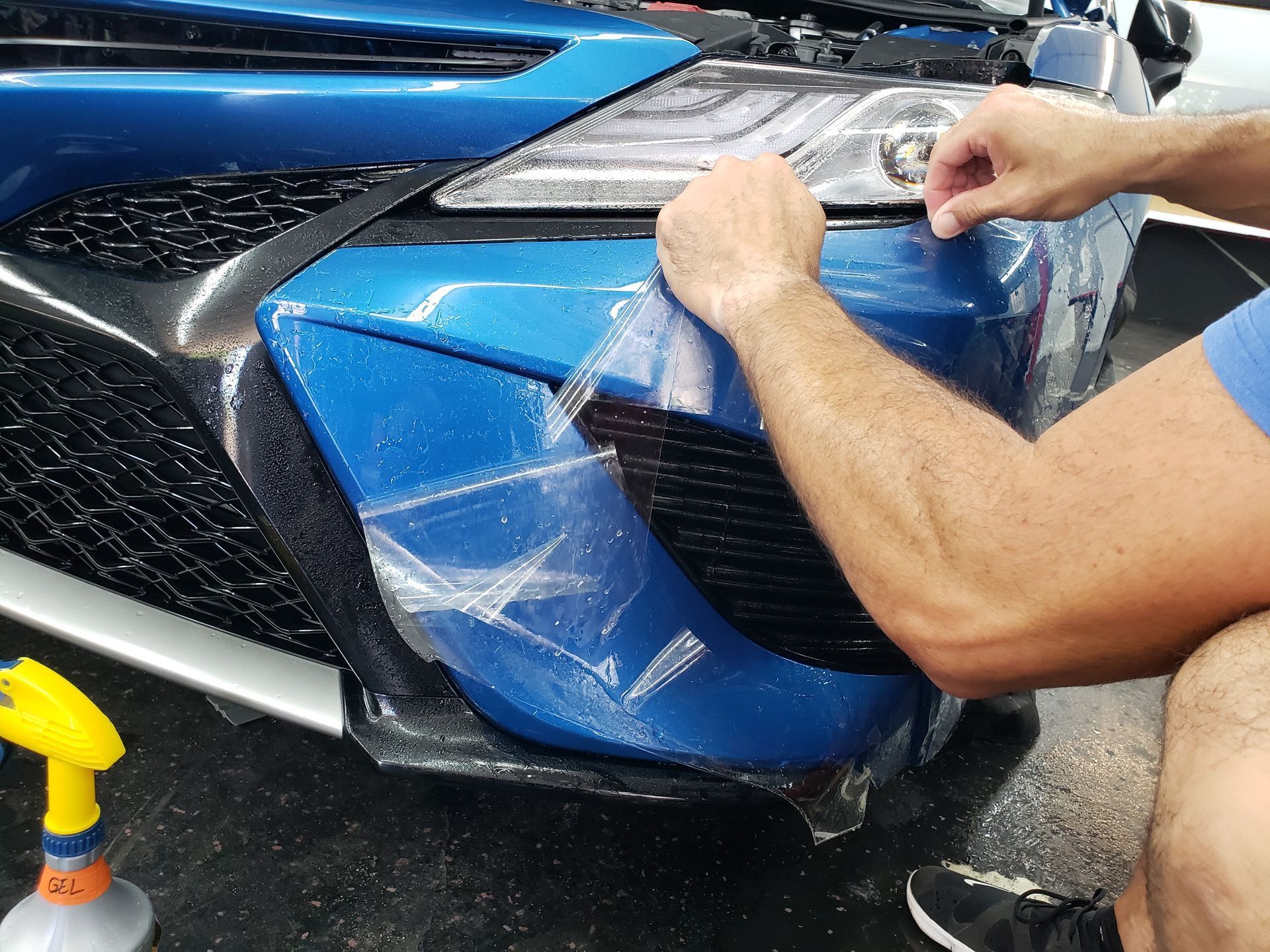
What sets modern PPF apart is its self-healing ability. Thanks to advanced polymer technology, small abrasions or swirl marks in the film can vanish when exposed to heat, whether from the sun's rays or warm water during washing. Beyond protecting from scratches, PPF also blocks up to 99% of harmful UV rays, helping prevent color fading and extending your paint's vibrancy longer than conventional protective methods. High-quality films have light transmission rates exceeding 90%, ensuring they do not alter the color or gloss of your paint. Skilled installers at JL’s Showroom Auto Salon hide edges under panel gaps or inside hood lines so the protection is seamless and practically undetectable.
Partial Front vs Full Body: Coverage Compared
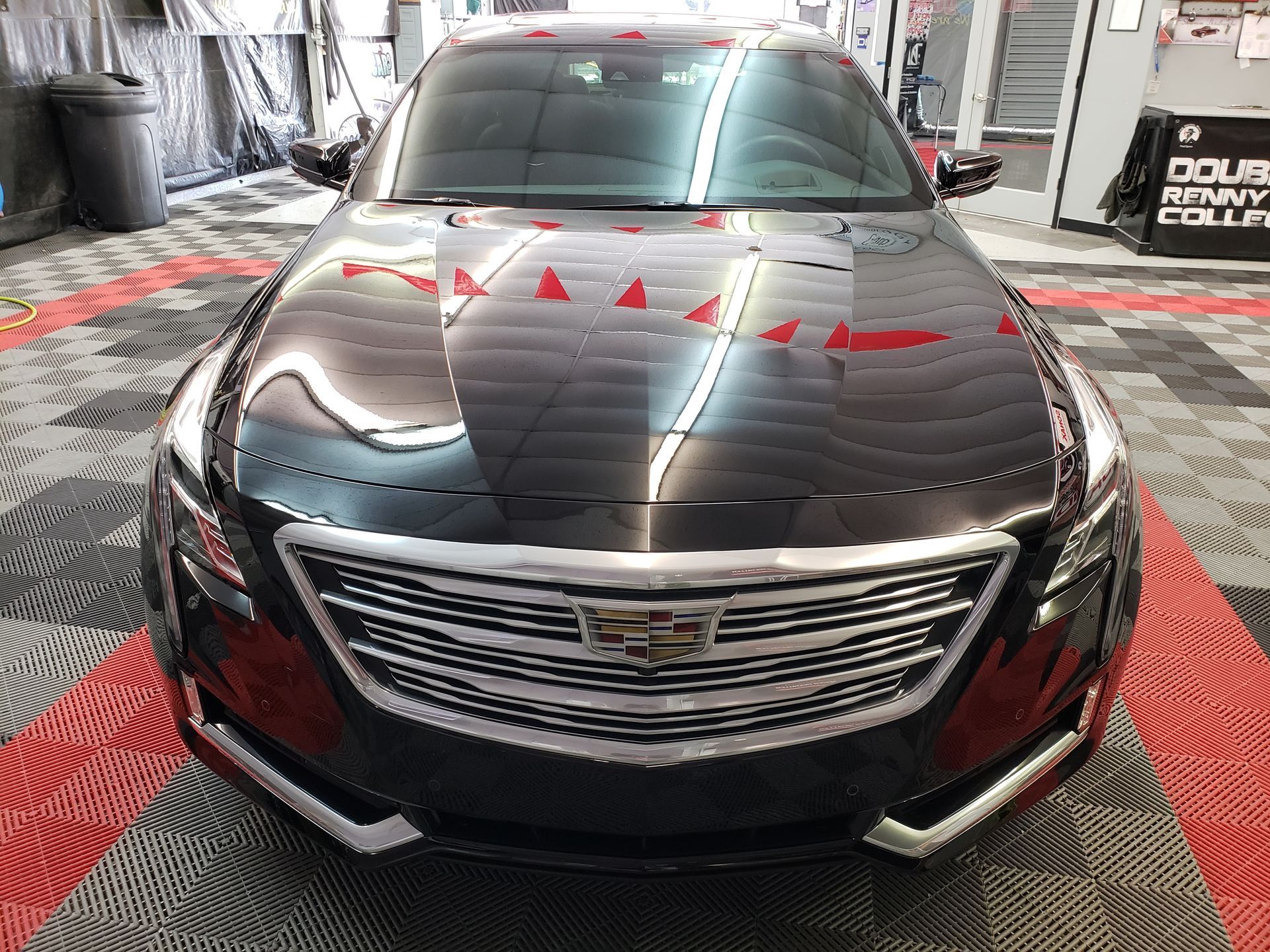
Partial front PPF zeroes in on the areas of your vehicle that encounter the majority of damage from everyday driving hazards: the front bumper, partial hood, front fenders, and side mirrors. These are the zones where rock chips, bug splatter, and scratches happen most frequently. This focused coverage strikes a balance, offering strong protection right where it's needed without the expense of wrapping the entire vehicle. It accounts for roughly 25–35% of your vehicle's surface area and is typically completed within one or two days.
Full body PPF, by contrast, is an all-encompassing shield for every painted inch of your vehicle. Coverage extends to the roof, all four doors, rear fenders, both bumpers, side mirrors, rocker panels, rear quarter panels, and trunk lid. No painted surface is left unprotected against road debris, harsh weather, or everyday wear and tear. Full body installations typically involve applying film across 150 to 180 square feet of surface area on a mid-sized sedan, with warranties spanning five to ten years depending on the manufacturer and installer.
Comparing Installation Costs
At JL’s Showroom Auto Salon, we often see clients surprised by how deeply the following variables affect the final bill.
Partial front coverage typically sits in the $500 to $1,500 range. This includes protection for high-impact areas like bumpers, hoods, and side mirrors. This range can stretch depending on vehicle size and complexity, as well as the brand of film chosen. A compact sedan's partial package demands less film and installation time than an SUV with complex curves.
Full body PPF covers every painted panel, from fenders to rear bumpers and rocker panels. The total cost easily reaches between $4,000 and $7,000 for many cars and can climb past $10,000 for luxury or exotic vehicles with intricate designs and sensitive sensors requiring meticulous fitment. Labor frequently outweighs the cost of the material itself, and paying more for a skilled technician upfront often saves money down the road by reducing risks of bubbles or peeling. Adding paint correction before installation may increase cost modestly but significantly enhances the final result.
| Cost Factor | Partial Front | Full Body |
|---|---|---|
| Typical Price | $500–$1,500 | $4,000–$7,000+ |
| Labor Intensity | Moderate | High |
| Film Quality | Standard to premium | Premium common |
| Paint Correction | Optional | Often recommended |
Evaluating the Benefits of Each Option
Partial front PPF is extremely cost-effective because it focuses resources where wear is most severe. Installation is quicker, often completed in just a few hours. The trade-off is that doors, roof, rear panels, and other painted surfaces remain exposed to chips and scratches over time. Central Florida's coastal air, carrying salt and humidity, can slowly erode unprotected areas. What looks like a minor scratch today can lead to costly repainting or restoration tomorrow.
Full body PPF offers complete coverage, maintaining that fresh-out-of-showroom gloss and greatly extending the lifespan of your vehicle's paint job. Drivers who park near salty beaches or log significant highway miles benefit most from this level of protection. The investment is higher in both cost and installation time, but the payoff includes stronger resale value and reduced long-term maintenance. Full body PPF does require proper upkeep: use mild pH-balanced shampoos and soft microfiber cloths to preserve the film's clarity and self-healing properties.
| Benefit Category | Partial Front PPF | Full Body PPF |
|---|---|---|
| Cost | More affordable | Higher upfront investment |
| Scope of Protection | High-impact front sections | Entire painted surface |
| Installation Time | Few hours | 2–4 days |
| Resale Value Impact | Limited | Strong positive effect |
Choosing the Right PPF for Your Vehicle
The ideal choice hinges on your vehicle's value, daily use, and the environment it faces. Drivers with luxury or high-performance vehicles, or those planning to keep their car for many years, often lean toward full body PPF for comprehensive protection and resale value preservation. Daily commuters or budget-conscious drivers who primarily navigate paved city roads will often find that partial front PPF delivers strong value by covering the areas that matter most.
Your driving environment is a key factor. If you frequently encounter gravel roads, construction zones, or Florida's coastal salt and UV exposure, full body PPF delivers broader defense that partial coverage simply cannot match. If your daily drives stay within urban settings with limited road hazard exposure, quality partial front coverage paired with a ceramic coating on the remaining panels may offer sufficient protection at a fraction of the full wrap cost.
Regardless of which direction you go, collaborating with a skilled installer ensures the film is applied correctly, edges are hidden cleanly, and the result looks seamless for years to come.
Protect Your Vehicle with the Right Level of PPF Coverage
Whether you're looking for targeted protection on high-impact areas or complete coverage for your entire vehicle, the right paint potection film installation package can help preserve your car's appearance and value for years to come. The team at JL’s Showroom Auto Salon can help you compare options and choose a solution that fits your driving habits, vehicle type, and budget.
Call us at
(321) 723-6976 today or
schedule a consultation and discover the best PPF protection for your car.
FAQs on Partial Front vs Full Body PPF
Which vehicles or usage scenarios favor one option over the other?
City commuters and budget-conscious drivers generally find strong value in partial front PPF, which guards the highest-impact zones at a manageable cost. Full body PPF is the better fit for luxury vehicles, off-road use, or any car regularly exposed to gravel roads, coastal conditions, or construction zones where comprehensive protection is essential.
How does the installation process differ?
Partial front PPF is typically completed in a few hours, covering only the high-impact zones with less material and labor. Full body PPF requires two to four days, with precision application across every panel to ensure seamless protection and a consistent finish throughout.
What areas does each option cover?
Partial front PPF covers the hood, front bumper, front fenders, and side mirrors, focusing on the zones most prone to road debris damage. Full body PPF shields every painted surface, including doors, roof, rear bumper, quarter panels, rocker panels, and trunk lid, eliminating exposure across the entire exterior.
How do the costs compare?
Partial front PPF generally ranges from $500 to $1,500, while full body PPF typically runs from $4,000 to $7,000 or more depending on vehicle size and complexity. Partial coverage delivers strong value for drivers primarily concerned with front-end protection, while full body coverage is a larger investment that pays off in long-term paint preservation and resale value.
Can you upgrade from partial front PPF to full body PPF later?
Yes. Many vehicle owners start with partial front coverage and later expand protection to additional panels or a full body wrap. A professional installer can assess the existing film and recommend the best approach for upgrading coverage.
Will PPF change the appearance of my vehicle's paint?
High-quality PPF is designed to be virtually invisible once installed. It maintains your vehicle's original color and gloss while providing an added layer of protection. Matte PPF options are also available for drivers seeking a different finish.
Is full body PPF worth it for a daily driver?
For drivers who spend a lot of time on highways, park outdoors, or plan to keep their vehicle for many years, full body PPF can be a worthwhile investment. It helps reduce paint damage and can preserve resale value over time.
Can PPF be applied to a new or used vehicle?
PPF can be installed on both new and used vehicles. For used cars, paint correction may be recommended before installation to remove imperfections and ensure the best possible finish beneath the film.
How long should I wait before washing my car after PPF installation?
Most installers recommend waiting at least 5 to 7 days after installation before washing your vehicle. This allows the film and adhesive to fully cure and bond to the paint surface.
Does PPF protect against door dings and major impacts?
PPF helps absorb minor impacts, scratches, and road debris, but it is not designed to prevent damage from significant collisions or severe door dings. Its primary purpose is to protect the paint from everyday wear and tear.
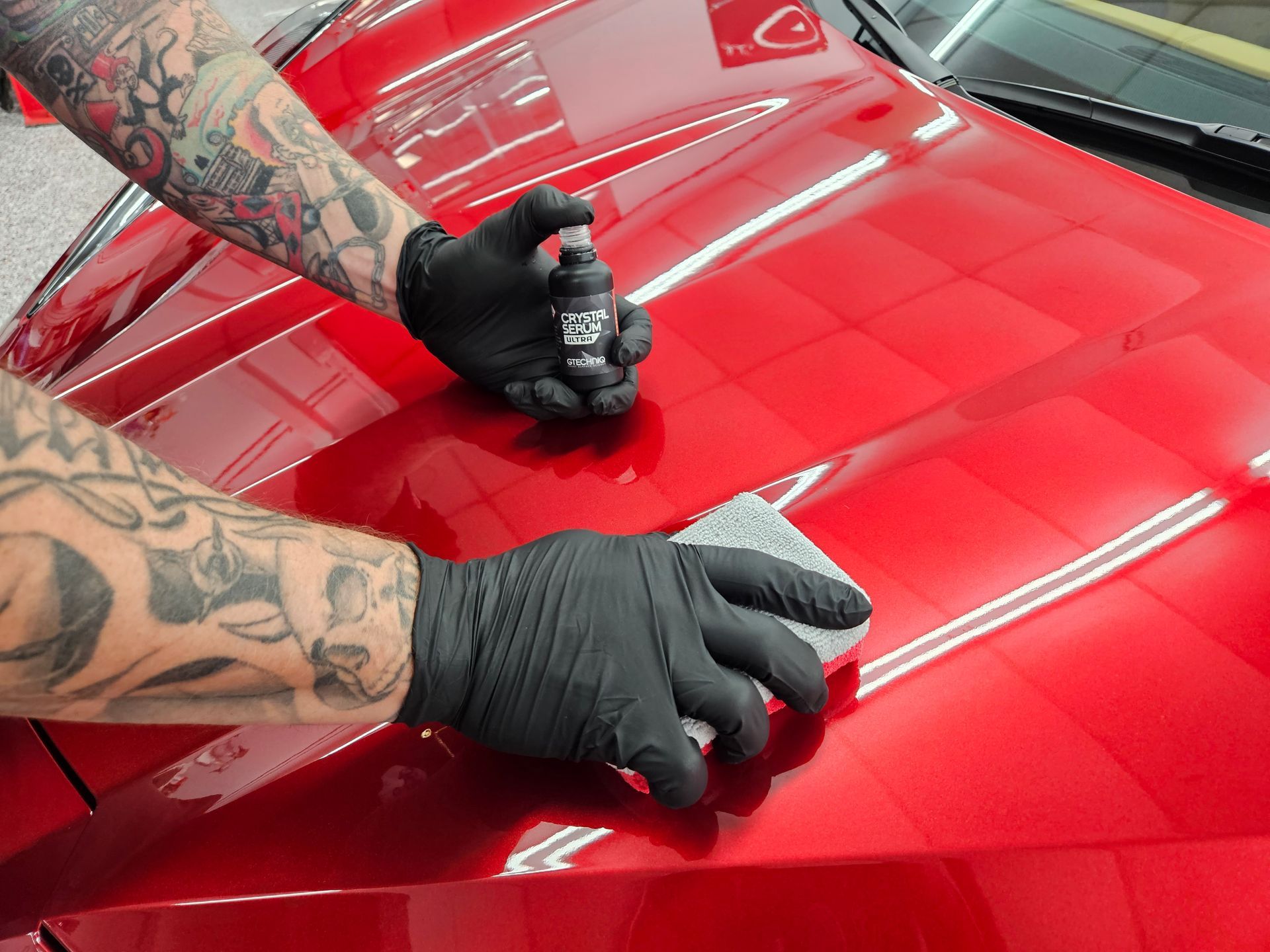
Can ceramic coating be applied over PPF?
Yes. Many vehicle owners choose to apply a ceramic coating over PPF to enhance water repellency, make cleaning easier, and add another layer of protection against environmental contaminants.
What maintenance does PPF require?
PPF requires minimal maintenance. Regular washing with pH-neutral car shampoo and avoiding abrasive cleaning tools will help keep the film looking clear and performing as intended for years.
Does PPF help maintain vehicle resale value?
Yes. By protecting the original paint from chips, scratches, and fading, PPF can help keep a vehicle in better cosmetic condition, which may positively influence resale or trade-in value.
Can PPF be removed without damaging the paint?
When professionally installed and removed, high-quality PPF can typically be removed without harming the factory paint underneath. In fact, the film often helps preserve the paint's original condition throughout its lifespan.