Can Ceramic Coating Be Layered? A Complete Guide on Its Worth and Durability
Ceramic coatings have become a popular way to protect car paint, but many people wonder if just one layer is enough or if adding more layers really makes a difference. It turns out, layering ceramic coatings isn't just possible; it can actually boost how long the protection lasts and how well your car resists dirt, scratches, and water spotting. At JL’s Showroom Auto Salon, we've found that applying two layers is often the sweet spot for balancing cost, durability, and that slick "just detailed" look without going overboard. Let's dive into what makes layering work and when it's worth the effort.
Yes, ceramic coating can be applied in multiple layers, and applying two layers is generally recommended to ensure more consistent coverage and enhanced durability. While a single layer provides most hydrophobic benefits, layering improves protection longevity and smoothness, making the additional investment worthwhile, especially when professionally applied according to product instructions.
Can Ceramic Coating Be Layered?
Ceramic coatings are designed as thin, protective layers that bond chemically to your car's paint. While a single application offers solid hydrophobic properties and scratch resistance, applying additional layers can build up this protection. Many enthusiasts and professional detailers agree that layering two coats is not just possible but often recommended.
Industry consensus holds that beyond two or three layers, the bond strength between coats begins to weaken and the protective gains plateau. Going over four layers risks coating delamination, where the protective film starts peeling off prematurely, defeating the whole purpose.
| Number of Layers | Durability Estimate | Hydrophobic Performance | Risks |
|---|---|---|---|
| 1 | Moderate (baseline) | Standard water beading | Minimal |
| 2 | Noticeably extended | Improved water beading and sheeting | Slight bond strength reduction |
| 3 | Further extended | Additional improvement, though diminishing | More bond weakening possible |
| 4+ | Variable | Marginal gains | Higher risk of delamination |
From practical experience at JL’s Showroom Auto Salon, two layers strike the optimal balance between lasting protection and cost effectiveness. Proper curing time between coats is equally critical; most premium coatings benefit from an indoor, temperature-stable environment for at least eight hours before applying the next layer. It's also worth noting that while multiple layers improve durability, car ceramic coating do not entirely stop water spots or eliminate all scratches. They protect the underlying paint from damage, but the coating itself can still bear light swirl marks.
Benefits of Multiple Layers
Applying more than one layer of ceramic coating isn't just about adding extra product; it's about building a sturdier, more effective shield for your vehicle's paint. Each additional layer increases the coating's ability to defend against UV rays, dirt, and acidic contaminants.
Durability is the most notable benefit. A single-layer ceramic coat typically lasts around one to two years under normal driving conditions, but with multiple layers applied correctly and given proper curing time between each, the lifespan can extend well beyond that baseline. This means fewer visits to your detailer and more time enjoying your car looking pristine.
Hydrophobicity also improves meaningfully with a second coat. The enhanced beading effect helps keep your car cleaner between washes by allowing water to carry away dirt particles rather than letting them dry as spots. Scratch resistance sees a similar boost. The thicker the ceramic barrier, the more it absorbs minor abrasions from everyday driving, from dust being wiped off to light contact in parking lots, helping preserve that showroom shine over time.
Potential Drawbacks
Layering ceramic coatings isn't without trade-offs. Each additional coat means more product, more labor, and higher cost. Adding a second layer, particularly when covering delicate areas like the windshield and wheels, increases the overall investment. Weigh that value against the enhanced protection it delivers.
Time is another factor. Each coat requires an overnight cure indoors away from dust and humidity. What might be a one-day job for a single layer can stretch into two or three days for multiple layers. Owners who rely heavily on their vehicles need to plan ahead before scheduling treatment.
Layering also demands precision. When done incorrectly, multiple layers can produce uneven finishes with blotchy spots or surface hazing, undermining both visual appeal and hydrophobic performance. Some experienced detailers caution that the risks of misapplication can outweigh the incremental gains from additional layers, particularly for those attempting a DIY approach. A well-applied single coat combined with routine maintenance may deliver comparable results for drivers who aren't willing to invest the time and cost of a proper two-coat process.
Impact on Paint Protection and UV Resistance
When you think of auto ceramic coating as a shield for your car's paint, layering essentially means stacking more shields on top. Minor abrasions such as light scratches or swirl marks typically affect only the outermost coat rather than the paint underneath, preserving your original finish beneath the protective barrier.
UV resistance is an often-overlooked benefit that improves with additional layers. Ultraviolet rays are a leading cause of paint fading and oxidation over time. While a single coat reduces this damage substantially, stacking layers increases the barrier's effectiveness, slowing oxidation and helping maintain vibrant color longer. This is especially relevant for drivers along Florida's Space Coast, where intense sunlight is a year-round factor. By reducing oxidative stress, multiple ceramic layers help extend the life of your paint's fresh appearance and cut down on costly restoration work later.
Most professional detailers recommend two coats as the sweet spot: enough thickness to maximize performance without risking adhesion problems or uneven appearance. The first layer provides foundational protection, while the second thickens coverage and enhances overall performance. Further layers add only marginal gains while increasing the risk of unevenness.
Practical Application Tips
Strong results begin with thorough surface preparation. Every speck of dirt, grease, or previous residue must be eliminated before any coating goes on. This means not just washing but using decontamination products like clay bars and iron removers to strip away contaminants embedded in the clear coat. Skipping this step is the most common cause of premature peeling or uneven curing.
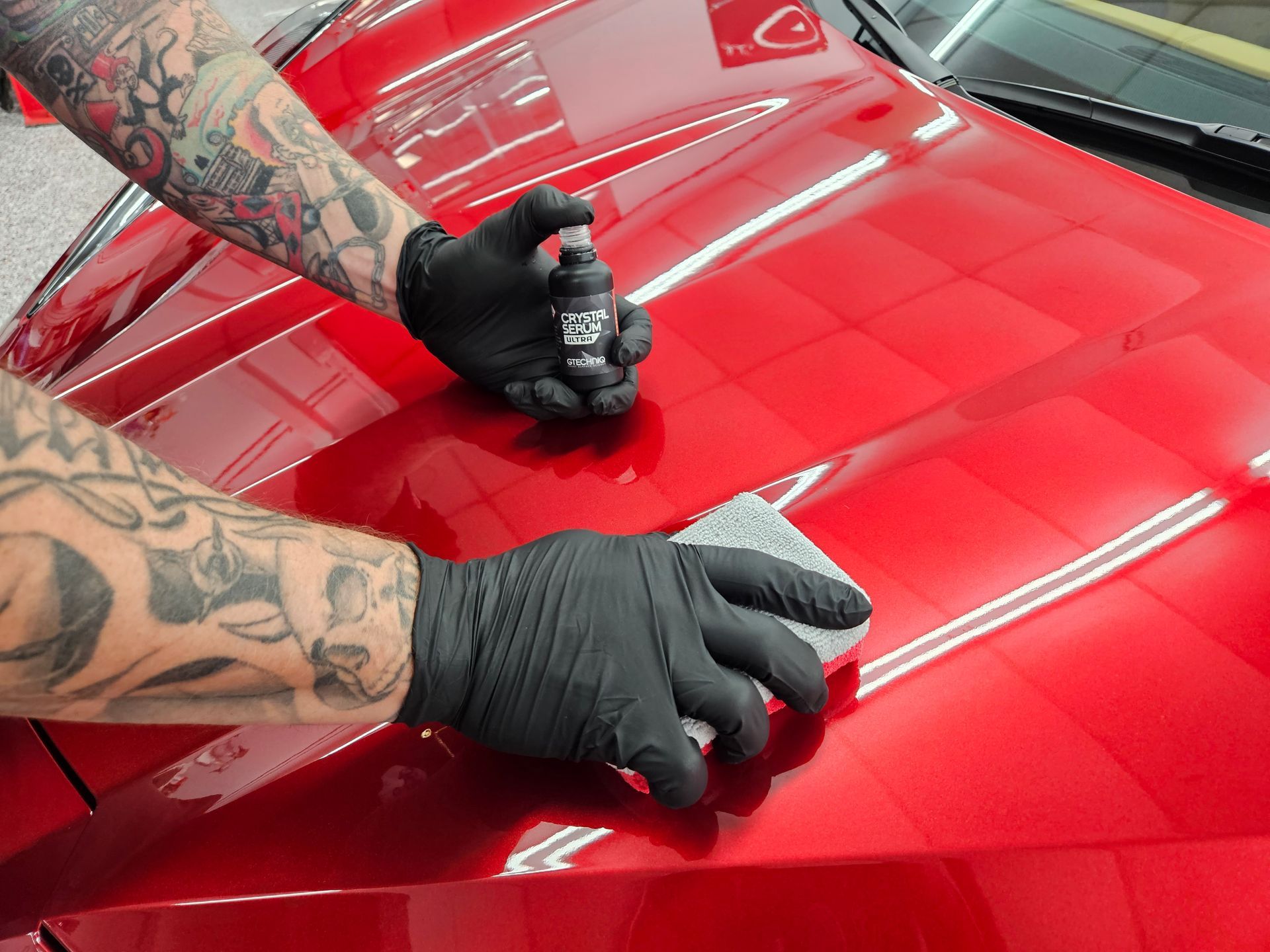
When applying the first layer, use a foam applicator pad and work in thin, even passes rather than thick globs. This allows proper chemical bonding to the paint beneath. Allow the coating to cure at least overnight in a clean environment free from dust or moisture before applying the second coat. Layering on an uncured base leads to diminished adhesion and can cause blotchy spots or reduced protection. Always follow the manufacturer's instructions for temperature, humidity, and cure time, as these vary between products.
Ongoing maintenance matters too. Washing with pH-neutral shampoos designed for coated surfaces and avoiding harsh chemicals keeps the coating performing as intended. While layering boosts strength and gloss initially, neglecting upkeep can shorten lifespan significantly.
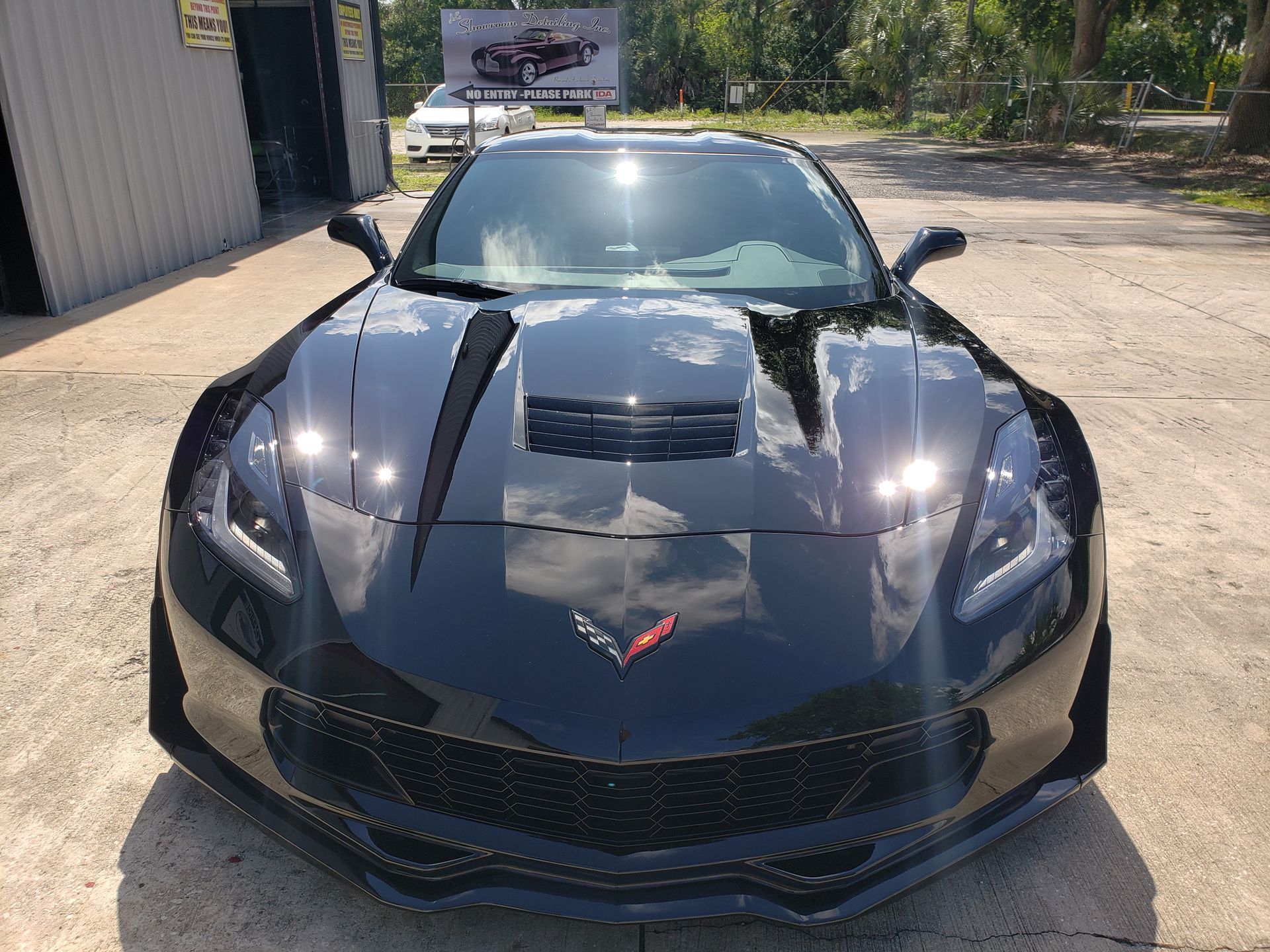
Professional installations at JL’s Showroom Auto Salon include thorough paint correction and controlled-environment curing that are difficult to replicate at home, which is why professionally applied coatings consistently outperform DIY applications in both appearance and longevity.
Ready for Longer-Lasting Ceramic Coating Protection?
Whether you're considering a single ceramic coating application or exploring the benefits of a professionally layered system, choosing the right approach can make a significant difference in your vehicle's appearance and long-term protection.
At JL's Showroom Auto Salon, our experienced team can recommend the ideal coating solution based on your vehicle, driving habits, and protection goals. Contact us today to schedule a consultation and discover how a professionally applied ceramic coating can keep your car looking its best for years to come.
To explore tailored PPF options for your vehicle, reach out to Showroom Detailing Inc. today by calling us at
(321) 723-6976 or
schedule a consultation to keep your car looking showroom fresh for years to come.
FAQs on Ceramic Coating Layering
How many layers of ceramic coating can safely be applied?
Two to three layers is generally the safe and effective range. Most manufacturers recommend this window because it provides meaningful gains in coverage, durability, and hydrophobic performance. Beyond three layers, the risk of uneven curing and diminished adhesion increases, which is why proper curing time between each coat matters as much as the number of layers applied.
Are there risks associated with layering ceramic coatings?
Overdoing it risks creating buildup that leads to uneven texture or weakened adhesion, potentially causing premature failure. Optimal durability is typically achieved with two to three layers; beyond that, benefits plateau or decline. Moderation and proper technique consistently matter more than sheer quantity.
What does a second layer actually add?
A second coat strengthens the protective barrier, improves hydrophobic performance, and extends the coating's functional lifespan. The gloss and depth of finish also improve noticeably, creating a richer, more mirror-like appearance. Gains from each successive coat beyond the second become less pronounced, which is why two coats is the professional standard.
How does layering affect long-term durability?
Each additional layer adds thickness to the protective barrier, helping the coating withstand UV exposure, chemical contaminants, and minor abrasions over a longer period. A properly applied two-coat system meaningfully outlasts a single application under comparable driving conditions. Beyond three layers, diminishing returns and adhesion concerns mean that more is not necessarily better.
Can different ceramic coating products be layered together?
In some cases, yes, but only if the products are designed to be compatible. Mixing coatings from different manufacturers without confirming compatibility can lead to bonding issues, reduced performance, or premature coating failure.
Will multiple layers make my car look glossier?
Yes. A second layer can enhance depth, gloss, and overall paint clarity, giving the vehicle a richer and more reflective appearance. However, the condition of the paint before coating plays a major role in the final result.
How long should I wait between ceramic coating layers?
The recommended wait time varies by product, but many manufacturers suggest allowing the first layer to cure for several hours or overnight before applying a second coat. Always follow the coating manufacturer's instructions.
Is a second layer of ceramic coating worth the extra cost?
For many vehicle owners, yes. A second layer can improve durability, water repellency, and overall coverage, helping the coating perform better over a longer period and potentially reducing maintenance needs.
Can layered ceramic coatings prevent swirl marks completely?
No. While multiple layers provide additional resistance to minor scratches and swirl marks, they do not make the surface scratch-proof. Proper washing and drying techniques remain essential.
Does layering ceramic coating require paint correction first?
Paint correction is not always required, but it is strongly recommended if the paint has visible scratches, swirl marks, or oxidation. Coatings lock in the existing condition of the paint, so correcting imperfections beforehand produces the best results.
Can ceramic coatings be layered on top of PPF?
Yes. Many vehicle owners apply ceramic coatings over Paint Protection Film to improve hydrophobic performance, simplify maintenance, and add protection against environmental contaminants.
Will layering ceramic coating reduce the need for car washes?
Not entirely, but it can make washing less frequent and much easier. Dirt, dust, and water are less likely to stick to a properly coated surface, helping the vehicle stay cleaner for longer.
How can I tell when my ceramic coating needs to be refreshed?
Reduced water beading, slower water sheeting, and increased difficulty cleaning the surface can indicate that the coating is beginning to wear and may benefit from maintenance or reapplication.
Is professional application better than a DIY layered coating?
Professional installation typically delivers more consistent results because technicians use proper surface preparation, controlled curing conditions, and precise application techniques. This often leads to better durability and appearance compared to DIY installations.