How Environmental Factors Affect Ceramic Coating in Florida: How Weather Influences Durability
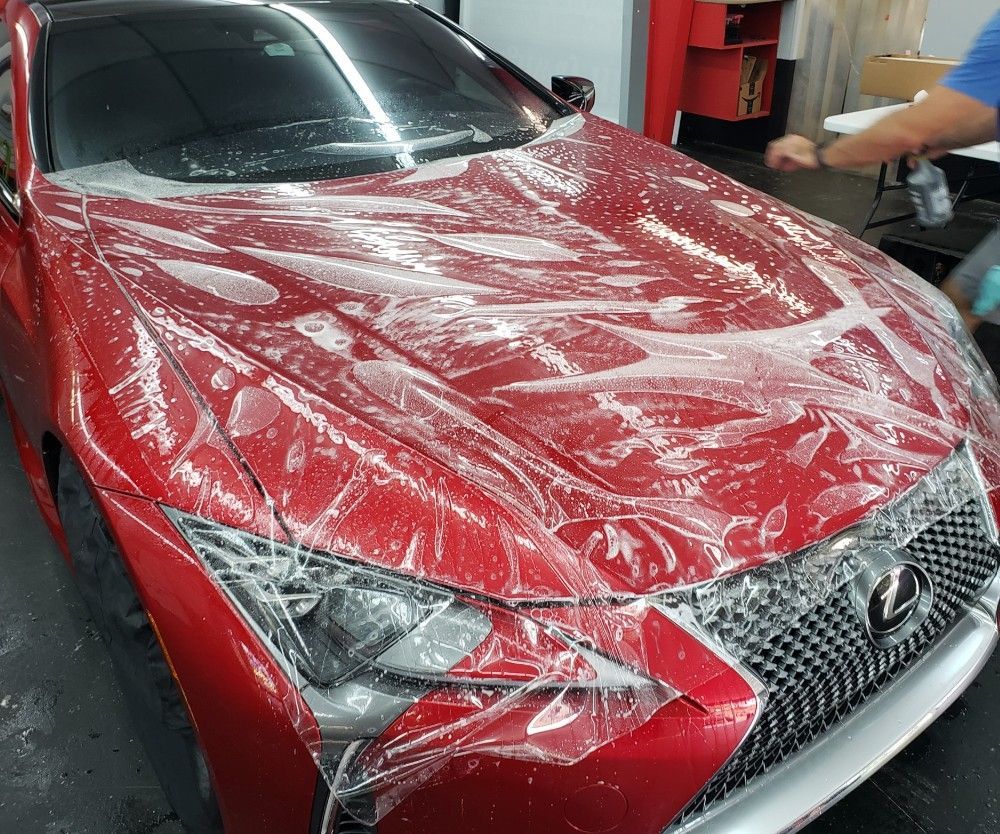
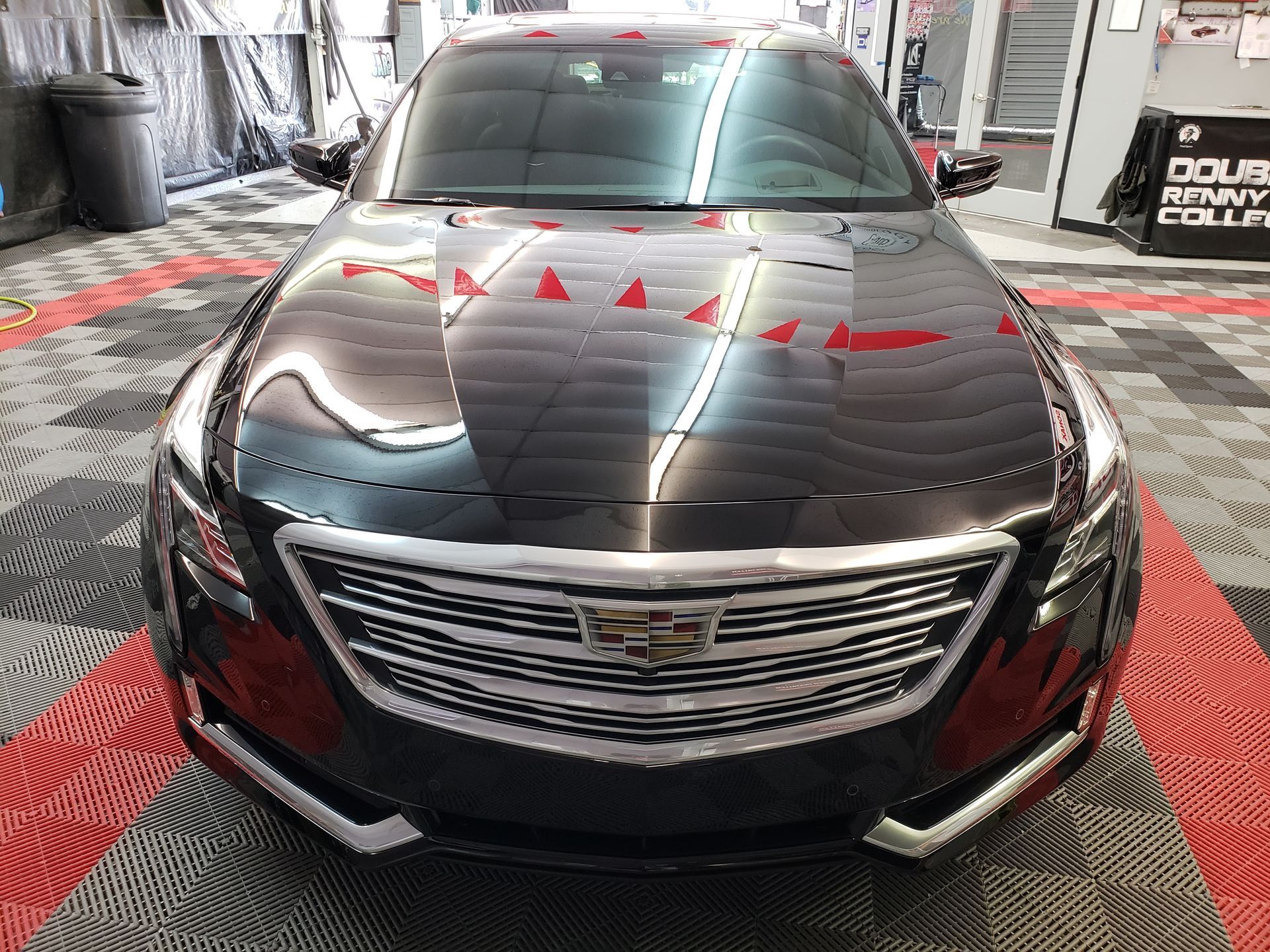
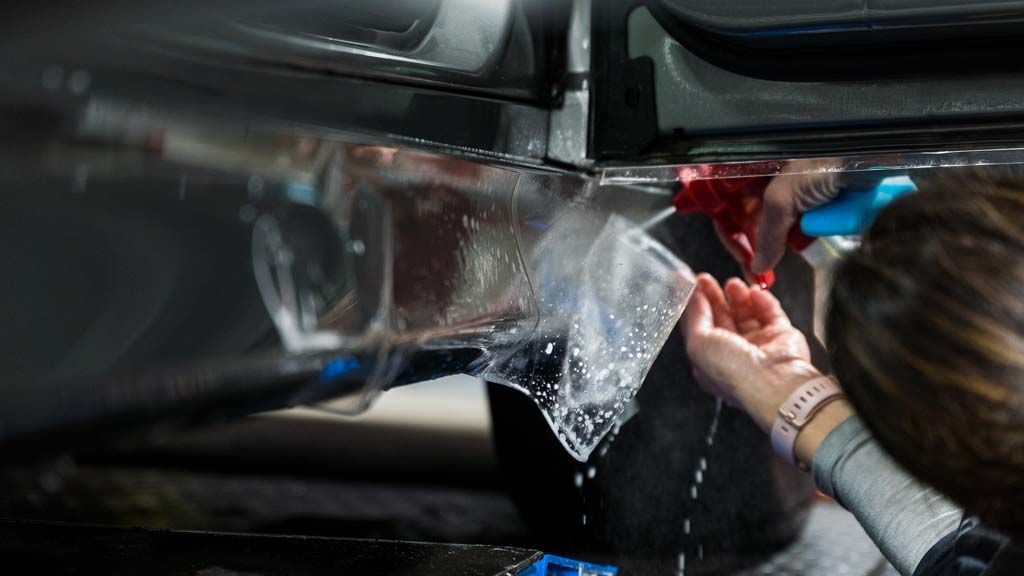
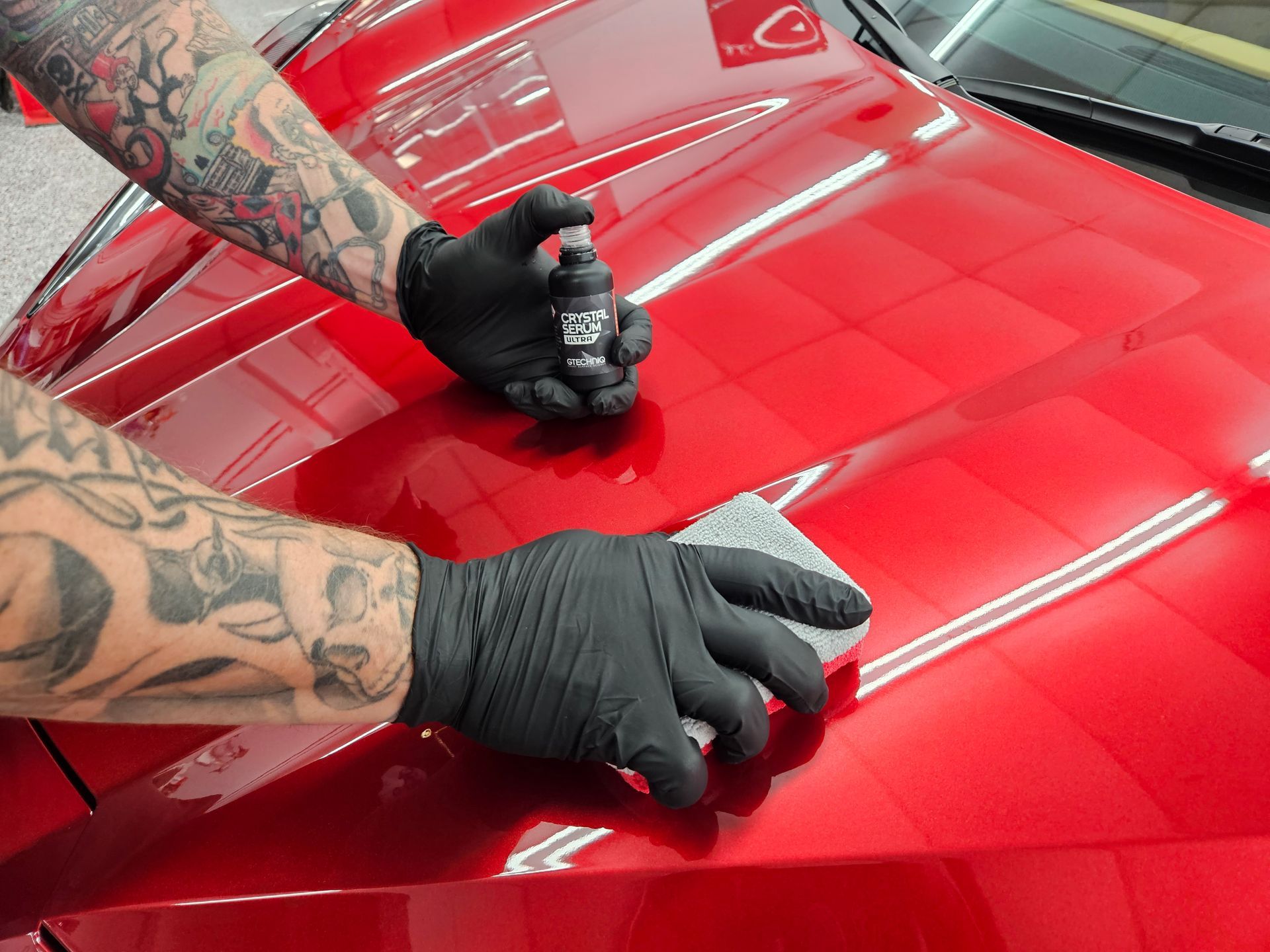
Florida’s climate greatly affects ceramic coating longevity. Strong UV rays, humidity, frequent rain, and coastal salt all speed up paint wear and contamination. Ceramic coatings bond to the clear coat to create a durable, hydrophobic layer that protects against UV damage, water spots, pollutants, and corrosion far better than wax.
Heat is one of the biggest threats. Vehicle surfaces can reach over 160°F, causing expansion and contraction that leads to micro-cracks in the coating and reduced water beading. Many Florida vehicles lose up to 20 percent hydrophobic performance within six months unless the coating is formulated for high temperature durability.
For long-lasting results, choose a ceramic coating tested for heat and UV resistance and have it professionally applied. Proper decontamination and polishing ensure strong bonding and make the coating more capable of handling Florida’s extreme conditions.
Key tips for mitigating heat-related damage to ceramic coatings include:
- Parking in shaded areas or using car covers during peak sun hours
- Scheduling regular maintenance washes with pH-neutral products that preserve coating integrity
- Applying booster sprays or maintenance products like D156 during wash routines to restore slickness and water beading
- Avoiding harsh chemicals or abrasive cleaning methods that accelerate breakdown
Keeping these practices in mind helps prolong the life of your ceramic coating despite Florida's punishing heat cycles. After all, maintaining a glossy, protective finish is about combining durable materials with mindful care tailored to the environment, a strategy embraced by professional detailers like those at JL’s Showroom Auto Salon, who specialize in coating services designed precisely for Orlando's unique challenges.
Beyond just heat, Florida's intense sunlight brings another formidable challenge worth examining: the relentless impact of ultraviolet radiation on your vehicle's protective layers.
Battling Humidity: Effects on Performance
With Florida’s humidity averaging around 74% year-round, constant moisture makes it harder for ceramic coatings to maintain peak performance. High humidity encourages dirt, pollen, and organic contaminants to cling to the surface, and over time this buildup reduces the coating’s hydrophobic behavior and overall slickness.
Ceramic coatings also cure best in controlled environments below 70% humidity. When levels rise above 80%, bonding can weaken, leading to reduced hardness, tacky surfaces, and shorter coating lifespan, issues many Florida owners notice when maintenance isn’t adapted to the climate.
To keep protection strong, regular upkeep is essential. Frequent rinsing, careful drying, and the use of hydrophobic booster sprays help restore water beading and remove stubborn contaminants common in humid weather. Professional detailers recommend periodic spray sealants and annual inspections to ensure the coating continues performing well despite Florida’s persistent moisture.
Effective steps to battle humidity effects on ceramic coatings:
- Apply hydrophobic sprays monthly or after every few washes
- Avoid washing cars in direct sunlight when humidity is high to prevent water spots
- Use microfiber towels for careful drying to minimize surface abrasion
- Schedule professional inspections yearly for assessment and touch-up
- Store vehicles in garages or covered areas when not in use to reduce constant exposure
By understanding that ceramic coatings are not invincible but responsive materials sensitive to environmental stressors like humidity, car owners empower themselves to make informed care decisions. This approach extends protective benefits beyond initial application and ultimately preserves showroom shine much longer despite Florida's climate battles.
Recognizing how humidity challenges impact coating performance naturally brings us to another critical factor: how relentless sun exposure influences paint protection and longevity.
Understanding this interplay is essential for maintaining your vehicle's flawless finish under Florida's intense sunlight.
UV Exposure: Sunlight and Surface Damage
Florida’s climate delivers more than 230 sunny days each year, which means constant exposure to UV radiation that gradually weakens your vehicle’s clear coat. Without protection, paint starts to fade, oxidize, and lose depth, much like sunscreen left in the sun eventually loses its effectiveness. This is why Florida vehicles tend to age faster visually, even when regularly washed.
A professional ceramic coating acts like long-lasting sunscreen for your car, using UV-resistant additives that absorb and deflect harmful rays before they penetrate the paint. With a typical 9H hardness rating, ceramic coatings also protect against micro-scratches that become more noticeable when UV damage weakens paint clarity.
While coatings naturally lose a small amount of hydrophobic and UV-blocking efficiency over time, consistent maintenance washes and periodic inspections keep protection at its peak. Choosing a high-quality product with strong UV inhibitors and having it professionally applied ensures uniform coverage, critical for defending your vehicle from Florida’s intense sun year-round.
Seasonal Variations and Ceramic Coating
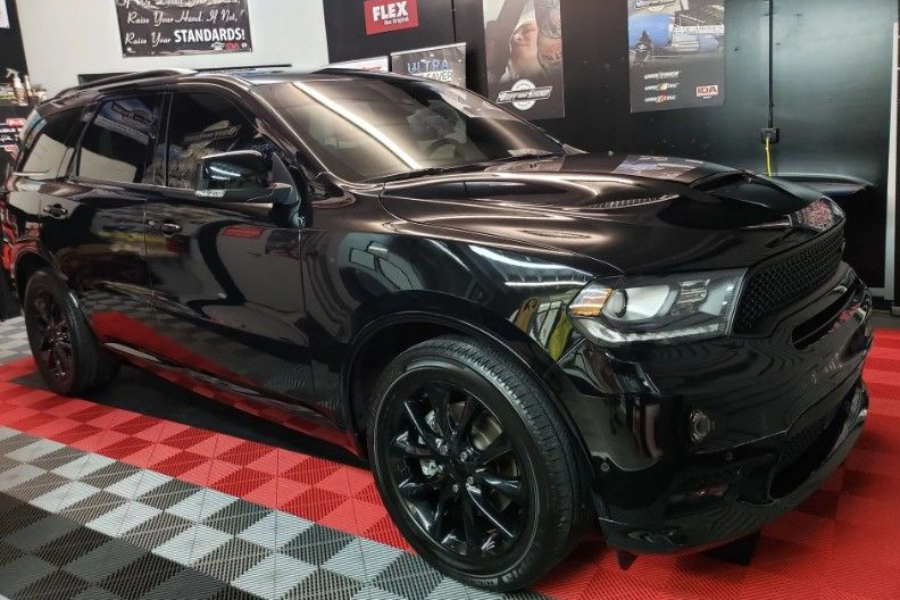
Florida’s shifting seasons put ceramic coatings through very different stress tests. Summers bring extreme humidity and heavy rainfall, much of which becomes mildly acidic when mixed with airborne pollutants. This acid rain can slowly etch unprotected paint, which is why a high-quality ceramic coating is so valuable, it creates a barrier that resists chemical damage. Still, even the best coating can wear prematurely if contaminants are left sitting on the surface too long, making prompt, routine washing essential.
When the weather turns dry, the challenge shifts to dust, pollen, and fine debris filling Florida’s air. Ceramic coatings help by offering antistatic properties that make it harder for these particles to cling to your vehicle, keeping the surface cleaner between washes. However, buildup can still dull the finish over time, so consistent maintenance remains key to preserving that glossy, freshly detailed look.
Understanding how each season affects your coating allows you to adjust your care routine, more frequent washes during the wet months, gentle cleanings during dusty periods, so your ceramic protection stays strong and your vehicle continues to look its best year-round.
Wet Season (May-Oct)
- Environmental Stress: Acidic rainfall & high humidity
- Impact on Coating: Potential acid etching
- Recommended Care: Frequent rinsing; wash soon after storms
Dry Season (Nov-Apr)
- Environmental Stress: Dust, pollen, lower humidity
- Impact on Coating: Accumulation of airborne particles
- Recommended Care: Regular gentle washing; use soft microfiber cloths
Winter Cold Snaps
- Environmental Stress: Sudden temperature drops
- Impact on Coating: Thermal stress causing microfractures
- Recommended Care: Avoid rapid heating/cooling; protect from freeze-thaw cycles
Understanding how Florida’s climate affects your ceramic coating helps you adjust your maintenance instead of relying on the coating alone. Light, frequent washes in wet months remove acidic residue, while dry periods call for dust control and gentle cleaning to prevent micro-abrasion. Seasonal inspections for small chips or cracks help you address issues before they become costly.
For the best results, many Florida drivers work with professionals like JL’s Showroom Auto Salon, who understand how local weather affects coating performance. Recognizing the climate challenges is important, but applying the right care strategies is what truly maximizes protection.
Best Practices for Ceramic Coating in Florida
To truly maximize the benefits of ceramic coating under Florida's relentless sun and humidity, preparation before application is key. It starts with a meticulous decontamination process. Think of it like preparing soil before planting; the surface must be perfectly clean to allow the coating to bond firmly.
At JL’s Showroom Auto Salon, we emphasize thorough washing followed by clay barring to remove embedded contaminants that no ordinary wash can tackle. This step ensures there are no particles left that could create unevenness or trap moisture beneath the coating, accelerating degradation.
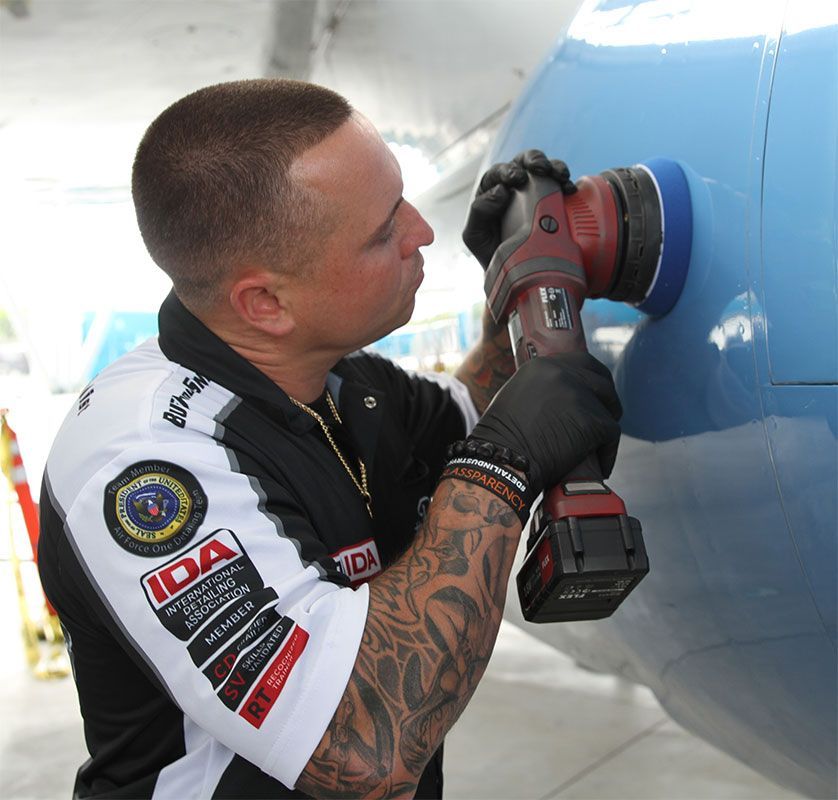
Following decontamination, polishing is crucial. Though it might be tempting to skip this if your car looks fine at a glance, polishing smooths out microscopic imperfections and oxidation, common issues thanks to Florida's intense UV rays and salty air.
Without this step, your ceramic coating would be trying to stick onto a rough surface, compromising its durability and gloss. This attention to detail during prep forms the foundation of long-lasting protection and that rich, glossy finish every car owner hopes for.
After the initial application, maintenance plays a pivotal role in sustaining your ceramic coating's performance over time.
Regular Maintenance of Ceramic Coating
Florida's environment (especially its high humidity and frequent rain) means your vehicle constantly collects road grime, salt residue, bug splatter, and airborne pollutants. These can degrade your ceramic layer if neglected.
- The secret lies in scheduled inspections and gentle maintenance washes. Using only pH-neutral shampoos is essential because harsh detergents can wear away or dull the coating prematurely.
- Routine washing, ideally every two weeks or after heavy exposure events like coastal drives or storms, keeps contaminants from bonding with the surface.
- Inspections don't have to require professional tools every time; simply observing water behavior on your paint can give clues. Water should bead strongly and sheet off quickly when the coating is healthy.
- If those beads start looking flat or disappear altogether, it's a sign that dirt buildup or chemical residues are wearing down your protective layer.
- Besides washing, periodic decontamination treatments at a detailing studio like JL’s Showroom Auto Salon (using safe iron removers and clay treatments) can rejuvenate the coating.
- These treatments remove stubborn bonded contaminants that normal washes miss, extending the life of the ceramic barrier significantly.
- For added confidence against Florida's harsh conditions, consider applying an extra sacrificial top coat on top of your base ceramic layer.
A sacrificial top coat adds an extra defensive layer over your ceramic coating, helping absorb light scratches, resist bug and bird-dropping etching, and improve hydrophobic performance. It won’t replace routine washing, but it provides Florida drivers added peace of mind against UV, humidity, and contaminants. Many modern top coats are designed for Florida’s climate, offering strong water repellency and UV protection.
Professionals like JL’s Showroom Auto Salon first check coating compatibility, then apply the top coat for optimal durability. Long-lasting protection ultimately comes from proper prep, regular pH-neutral washes, periodic decontamination, and strategic layering so your ceramic coating stays healthier for years in Florida’s harsh conditions.
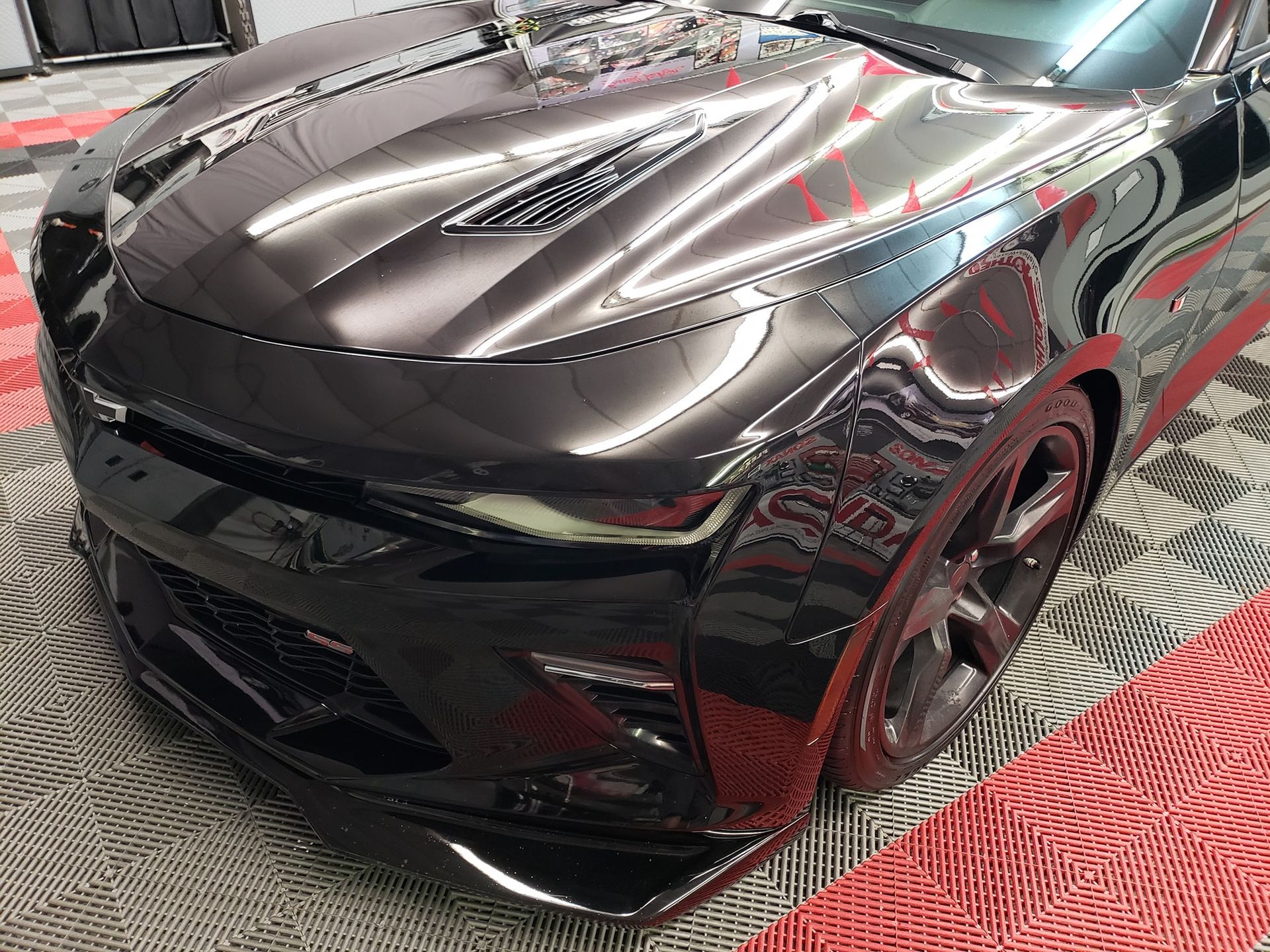
Maximizing Protective Layers Against Harsh Elements
Maximizing protection in Florida requires a layered defense, not just a single coating. A premium ceramic base coat bonds to the paint to resist UV, heat, and oxidation, helping preserve gloss and color under Florida’s intense sun. Above that, a hydrophobic topper adds essential moisture and contaminant resistance, allowing water to bead off, reducing spots, and keeping the vehicle cleaner in humid or coastal environments. Routine gentle washes help maintain this top layer.
Precision is crucial: poor prep or curing weakens the system, and skipping the topper leaves paint exposed to Florida’s moisture. Professional installers like JL’s Showroom Auto Salon ensure both layers work together as a cohesive shield for long-term durability and year-round protection.
Surrounding Environmental Properties
Your vehicle’s environment greatly affects ceramic coating performance, especially in Orlando. Coastal areas introduce heavy salt exposure that speeds up corrosion, and while a ceramic coating offers stronger protection than wax, routine washing is still necessary to prevent buildup. Industrial or high-traffic zones add soot, chemicals, and fine particulates that coatings help keep on the surface instead of embedding, but consistent washing and occasional professional care are still vital.
Florida’s humidity also causes pollen, sap, and bird droppings to bond quickly. Ceramic coatings repel much of this thanks to their hydrophobic behavior, though they still need periodic rejuvenation. Simple habits like using a quality car cover during long idle periods add extra defense against UV rays, dust, and acid rain, helping your coating last longer in Florida’s challenging conditions.
Coastal Salt Air
- Challenge: Accelerates metal corrosion and paint degradation
- Ceramic Coating Benefit: Strong chemical bond resists saltwater damage
- Additional Tips: Frequent washes with fresh water
Industrial Pollution
- Challenge: Deposits chemicals and particulates causing dullness
- Ceramic Coating Benefit: Prevents contaminant adhesion
- Additional Tips: Use pH-balanced cleaners
High Humidity
- Challenge: Promotes stubborn contaminant buildup and etching
- Ceramic Coating Benefit: Hydrophobic surface repels water and debris
- Additional Tips: Regular slickness restoration products
UV Radiation
- Challenge: Breaks down clear coat causing fading
- Ceramic Coating Benefit: Reflective ceramic layer acts as sunscreen
- Additional Tips: Use car covers when parked outdoors
Acid Rain from Storms
- Challenge: Causes etching and surface damage
- Ceramic Coating Benefit: Creates barrier reducing pollutant impact
- Additional Tips: Wash shortly after storms
By understanding these environmental pressures (salt air, pollution, humidity, UV rays) and how they assault your vehicle's finish daily, you gain insight into why a one-size-fits-all approach won't do here in Florida. Instead, pairing a high-performance ceramic coating with smart protective habits tailored to your location offers the best defense against accelerated wear.
For Orlando's climate specifically, working with regional experts like those at JL’s Showroom Auto Salon ensures your ceramic coating is properly prepared and maintained to meet these challenges head-on. Their experience with local conditions means they can recommend personalized maintenance schedules and top-tier products proven to extend protection well beyond standard expectations.
With an informed understanding of how surrounding environmental factors attack your vehicle, you can now focus on combating them through appropriate care strategies, which we'll explore next in-depth.
Protect Your Vehicle With Florida-Proof Ceramic Coating
Ready to safeguard your car from Florida’s heat, humidity, and harsh environmental stress? Our expert team at JL’s Showroom Auto Salon applies premium, heat-resistant ceramic coatings engineered to withstand everything this climate throws at your vehicle. From flawless surface prep to precision application, we deliver long-lasting protection and a showroom shine you can rely on.
Contact us today to schedule your consultation for ceramic coating service and keep your vehicle protected year-round.