5 Signs Your Paint Protection Film Needs Attention or Replacement
Your vehicle's Paint Protection Film (PPF) serves as an invisible shield, preserving your car's pristine finish and protecting your investment. But even the highest-quality PPF requires vigilance. As automotive enthusiasts know, catching issues early can mean the difference between a simple repair and an expensive paint restoration. This comprehensive guide reveals the five critical signs that indicate your PPF needs professional attention—from subtle discoloration to obvious peeling. Understanding these warning signals will help you maintain your vehicle's showroom-quality appearance and protect its long-term value.
The five essential indicators that your Paint Protection Film requires attention include visible discoloration or yellowing, bubbling and air pocket formation, cracks or tears in the film, peeling edges or corner lifting, and accumulation of deep scratches. Regular professional inspections can preserve your vehicle's pristine appearance and prevent costly paint damage beneath the protective layer.
Why Paint Protection Film Excellence Matters
For discerning vehicle owners in Melbourne, FL, Paint Protection Film represents more than just surface protection—it's an investment in preserving your vehicle's value and appearance. Understanding when your PPF requires professional attention ensures you're maximizing this investment while maintaining the mirror-like finish you expect.
1. Discoloration: The Silent Warning
When your PPF begins showing yellow or brown tinting, it's signaling more than an aesthetic concern. This discoloration indicates UV degradation that compromises the film's protective capabilities. Quality PPF should maintain crystal clarity for 5-7 years, but Florida's intense sun can accelerate this timeline.
2. Bubbling: Adhesive Integrity at Risk
Bubbles forming beneath your PPF represent adhesive failure—a critical issue that demands immediate attention. These air pockets create vulnerable points where moisture and contaminants can penetrate, potentially damaging your vehicle's paint. Professional inspection becomes essential when bubbles exceed a quarter-inch diameter or when multiple bubbles appear on a single panel.
3. Cracking: Structural Compromise
Visible cracks in your PPF aren't merely cosmetic flaws—they're breaches in your vehicle's defense system. These fractures allow environmental hazards direct access to your paint, accelerating deterioration. Florida's temperature fluctuations and occasional road debris impacts make crack monitoring particularly crucial for maintaining comprehensive protection.
4. Deep Scratches and Surface Marks
While self-healing PPF technology addresses minor abrasions, deeper scratches require professional evaluation. Regular inspection under bright, natural lighting reveals damage patterns that might otherwise go unnoticed. High-impact areas—front bumpers, hood edges, and mirror caps—deserve particular attention during these assessments.
5. Lifting Edges: Installation Integrity
Edge lifting signals either installation issues or environmental degradation. Florida's humidity and heat cycles can stress adhesive bonds, particularly at film edges and seams. Early intervention through professional heat treatment can sometimes restore adhesion, but persistent lifting typically necessitates replacement.
Detecting and Addressing Visible Surface Damage
Surface damage assessment requires both expertise and attention to detail. Professional detailers utilize specialized lighting and inspection techniques to identify issues invisible to untrained eyes.
Understanding Damage Classifications
Scratches: Linear marks that may initially appear superficial but can deepen over time, eventually penetrating the film's protective layers.
Scuffs: Impact marks from contact with objects, creating textured areas that trap contaminants and accelerate degradation.
Micro-cracks: Hairline fractures often caused by thermal stress or minor impacts, which can expand into significant breaches if left unaddressed.
Professional Inspection Protocol
Expert evaluation involves:
- Multi-angle lighting assessment to reveal hidden damage
- Depth gauge measurements ensuring film thickness remains above 6 mils
- UV lamp analysis detecting subsurface deterioration
- Edge integrity verification at all transition points

Why Paint Protection Film Bubbles Form
Bubble formation represents more than an installation defect—it's often a complex interaction between adhesive chemistry, surface preparation, and environmental factors. Professional installers understand that Florida's unique climate demands specific application protocols.
Large bubbles (exceeding quarter-inch diameter) typically indicate immediate adhesive failure requiring prompt replacement. Smaller, distributed bubbles might suggest environmental stress or gradual adhesive degradation. Professional assessment determines whether targeted repair or complete replacement serves your best interests.
Recognizing Critical Peeling and Crack Patterns
Peeling: Beyond Cosmetic Concerns
Edge peeling exposes your vehicle's paint to Florida's harsh elements—intense UV radiation, salt air, and frequent rain. While DIY heat gun applications might temporarily re-adhere lifting edges, professional intervention ensures proper adhesion and identifies underlying causes preventing recurrence.
Crack Analysis and Implications
Professional detailers classify cracks by:
- Stress cracks: Originating from installation tension or thermal cycling
- Impact cracks: Resulting from road debris or minor collisions
- Fatigue cracks: Developing from repeated flexing and environmental exposure
Each type requires specific remediation strategies that only experienced professionals can properly execute.
Exposure Causes PPF Discoloration: What to Watch For
Florida's UV index regularly exceeds 10 during summer months, accelerating PPF degradation. Professional-grade films incorporate UV inhibitors, but even premium products eventually succumb to relentless sun exposure.
Discoloration Indicators:
- Yellow tinting, particularly on horizontal surfaces
- Brown patches indicating severe UV damage
- Cloudy or hazy appearance reducing paint visibility
- Uneven coloration across panels
Research indicates 30% of PPF installations show noticeable discoloration within three years under high UV exposure. Professional maintenance and timely replacement prevent this degradation from affecting your vehicle's paint.
Professional Inspection: Your Defense Strategy
Advanced Diagnostic Tools
Professional facilities employ:
- UV Fluorescence Testing: Reveals molecular degradation invisible to standard inspection
- Digital Thickness Gauges: Ensures consistent film coverage and identifies wear patterns
- Adhesion Testing Equipment: Quantifies bond strength at critical points
- Thermal Imaging: Detects moisture intrusion and adhesive inconsistencies
Recommended Inspection Schedule
- Months 1-6: Initial settling inspection
- Year 1: Comprehensive annual evaluation
- Years 2-4: Bi-annual professional assessments
- Year 5+: Quarterly inspections with replacement consideration
Maintenance Excellence and Strategic Replacement
Professional Maintenance Protocol
Preserving PPF integrity requires:
- pH-neutral automotive soaps preventing chemical degradation
- Microfiber wash media avoiding surface abrasion
- Professional-grade sealants enhancing hydrophobic properties
- Ceramic coating applications extending film longevity
Professional replacement at appropriate intervals protects your automotive investment while maintaining showroom aesthetics.
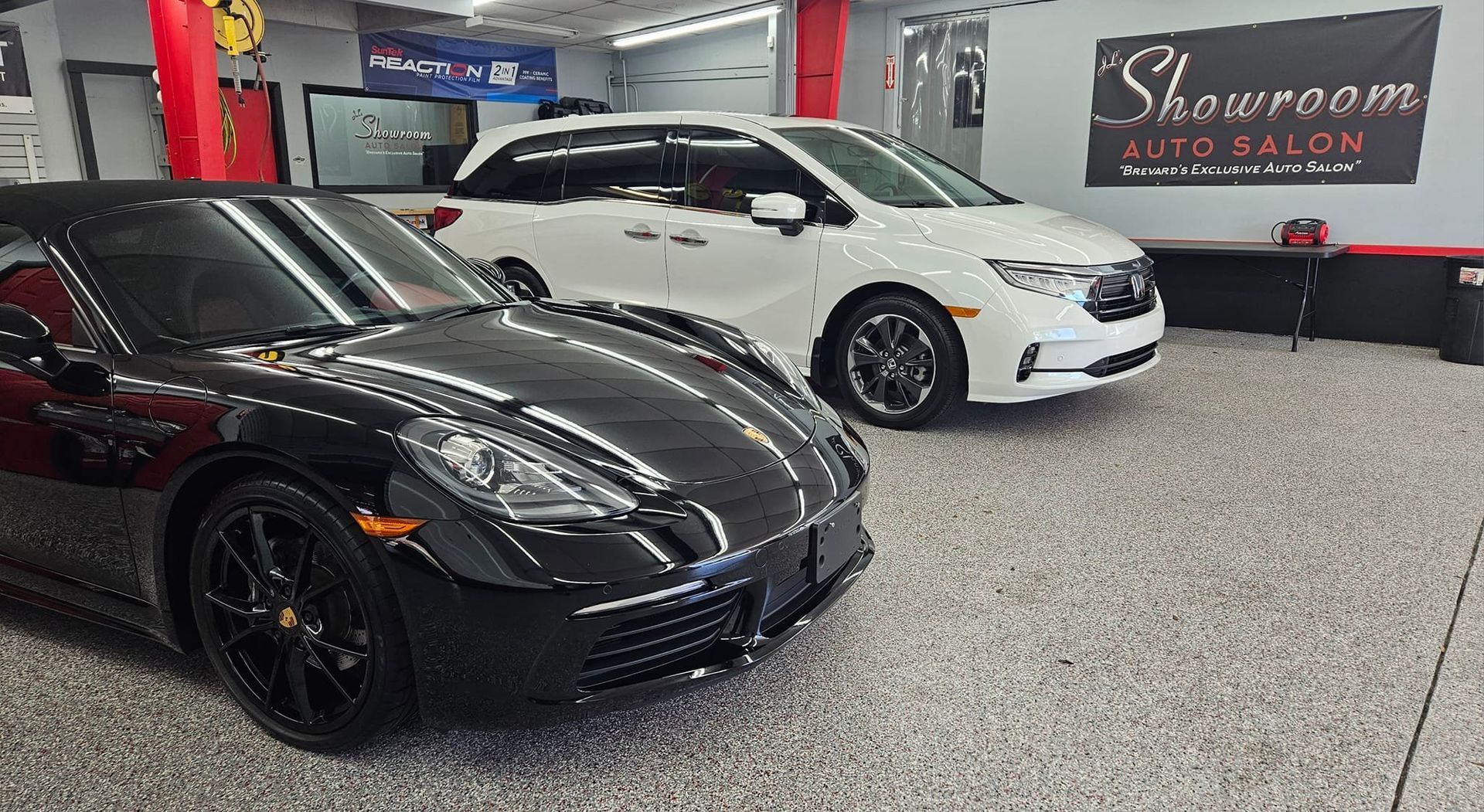
How JL’s Showroom Auto Salon Delivers Unmatched PPF Performance
At JL's Showroom Auto Salon, we understand that your vehicle represents more than transportation—it's a reflection of your passion for automotive excellence. Our certified technicians combine cutting-edge diagnostic tools with decades of combined experience, ensuring your PPF performs at peak efficiency.
Our Professional Process:
- Comprehensive multi-point inspection
- Digital documentation of existing conditions
- Detailed consultation explaining findings
- Customized maintenance or replacement recommendations
- Professional installation using premium XPEL products
- Lifetime support and maintenance guidance
Preserve Your Vehicle’s Finish with Professional PPF Care Today
Don’t wait for fading, bubbling, or discoloration to reduce your car’s value. Professional PPF evaluation identifies issues before they become expensive problems. Melbourne's unique environmental challenges—from intense UV exposure to coastal humidity—demand proactive protection strategies.
Schedule your professional PPF inspection at JL's Showroom Auto Salon today. Our expert team provides the honest assessments and superior service discriminating automotive enthusiasts expect. Your vehicle deserves professional care that matches your passion for automotive excellence.
Contact us now to discover why Melbourne's most discerning car owners trust JL's Showroom Auto Salon with their prized vehicles. Experience the difference professional expertise makes in preserving your automotive investment.