Does PPF Affect Car Paint Color or Finish Over Time? Expert Insights on Durability
If you’ve ever wondered whether adding Paint Protection Film (PPF) to your car might change its paint color or dull its shine over time, you’re not alone. Many vehicle owners worry that wrapping their car in this clear layer could alter how the paint looks as months and years go by. The good news is that with the right film and careful installation, PPF actually helps keep your car’s finish looking fresh and vibrant. Let’s explore how PPF works to protect your car’s paint without changing its original beauty.
High-quality Paint Protection Film (PPF) does not negatively affect your car’s paint color or finish; in fact, it often enhances the paint’s gloss and vibrancy by adding a protective, reflective layer. Proper professional installation and maintenance ensure that PPF blocks harmful UV rays, prevents fading, and preserves the factory finish for 5 to 10 years without yellowing or dulling.
How PPF Protects Your Vehicle
Paint Protection Film acts like an invisible shield over your car’s paint, serving as the first line of defense against everyday hazards. When you drive, tiny stones, salt, bugs, and road grime constantly bombard your car’s surface. Left unprotected, these elements chip away at that fresh-from-the-factory finish. PPF absorbs and deflects this damage, preserving the underlying paint beneath.
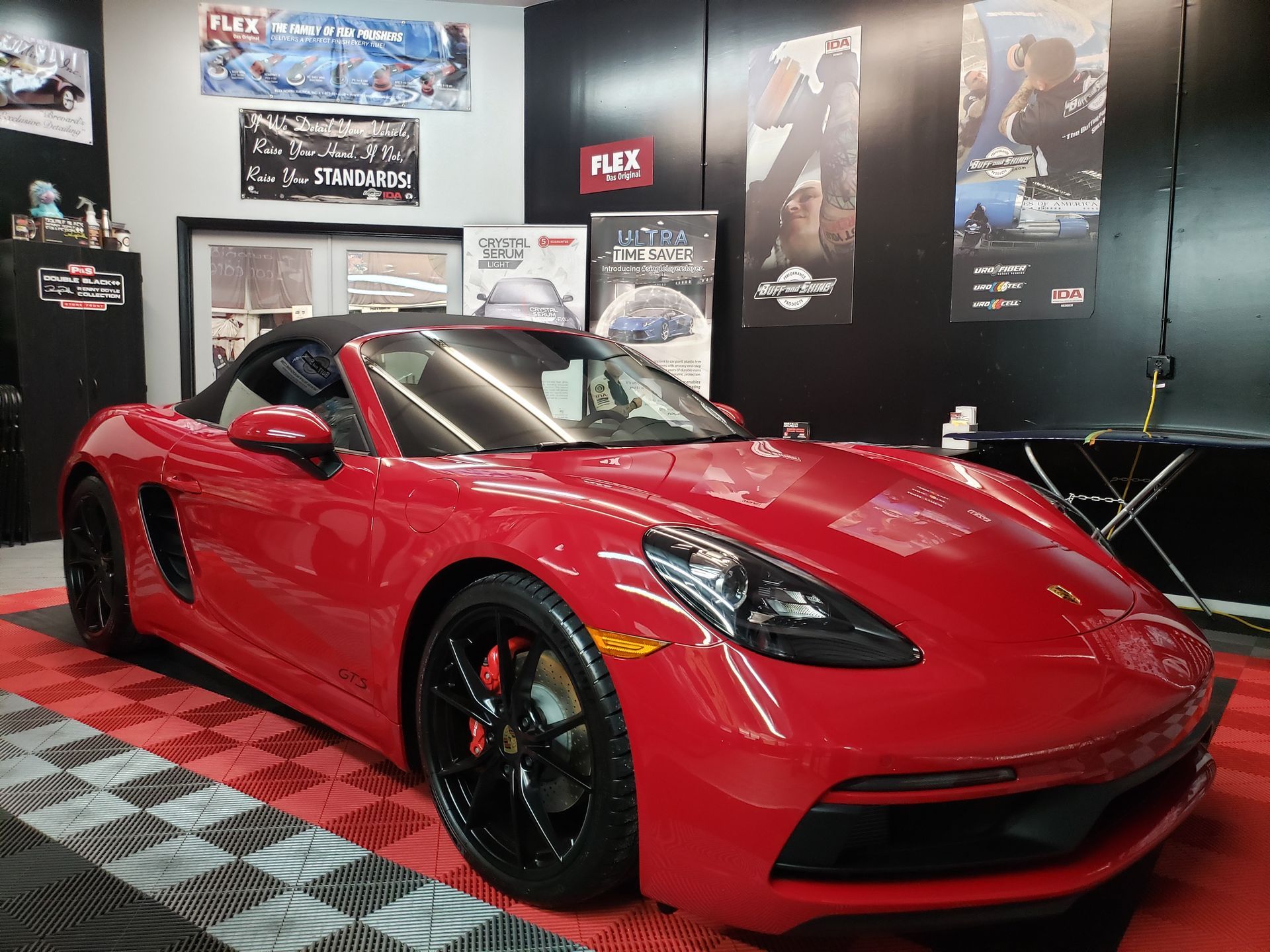
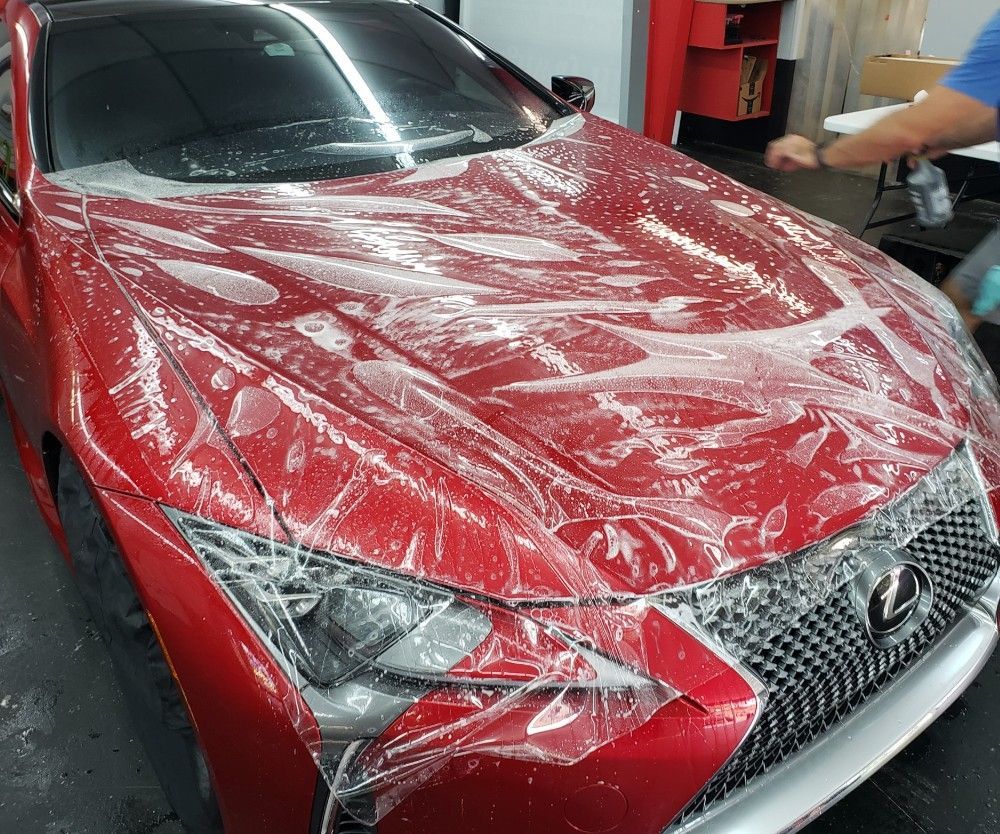
This protective barrier is made from a tough yet flexible urethane material that stretches and conforms to every curve of your car without compromising clarity or gloss. Because it’s designed to be transparent, it doesn’t mute or alter your vehicle’s original color. Your shiny red sedan stays vibrant and true to its factory shade, all while wearing this nearly invisible armor.
Many premium films also feature self-healing properties. Minor scratches or swirl marks almost magically disappear after a warm day in the sun or a brief touch-up with a heat source. This means the film actively repairs itself from small abrasions that would otherwise dull the paint or require costly polishing.
Another critical function is ultraviolet (UV) resistance. Over time, UV rays from sunlight break down paint molecules, causing colors to fade. High-quality PPF blocks up to 99% of these harmful UV rays, acting as a sunscreen for your vehicle. This protection is especially valuable for darker-colored cars that show fading more rapidly under intense sunlight.
Chemical resistance also plays a significant role. Bird droppings, tree sap, road salts, and other pollutants are notorious for eating away at clear coats when left untreated. The film creates a barrier preventing these substances from making direct contact with the paint, preventing long-term damage like staining or etching that can compromise your vehicle’s value.
Why Professional Installation Matters
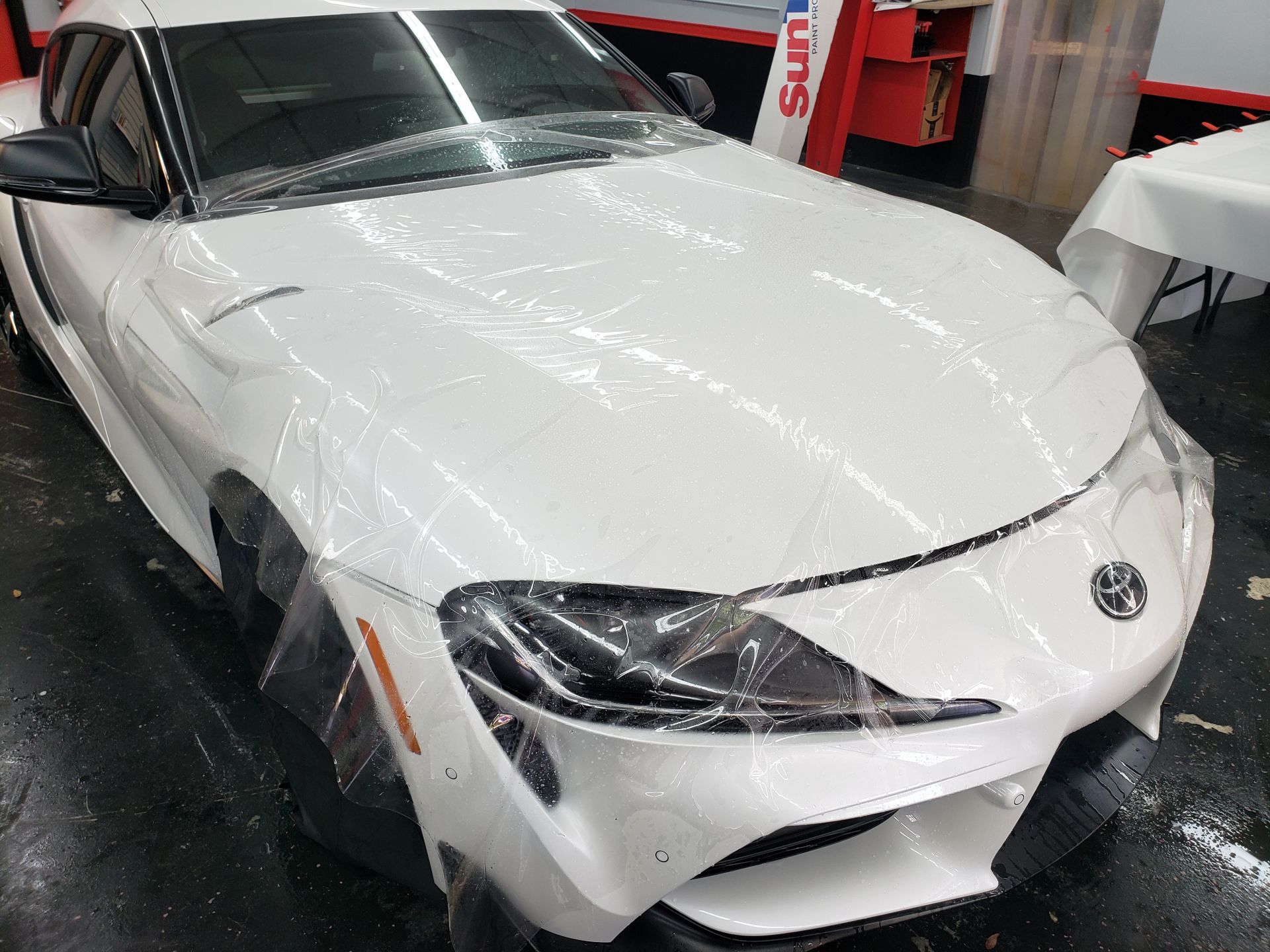
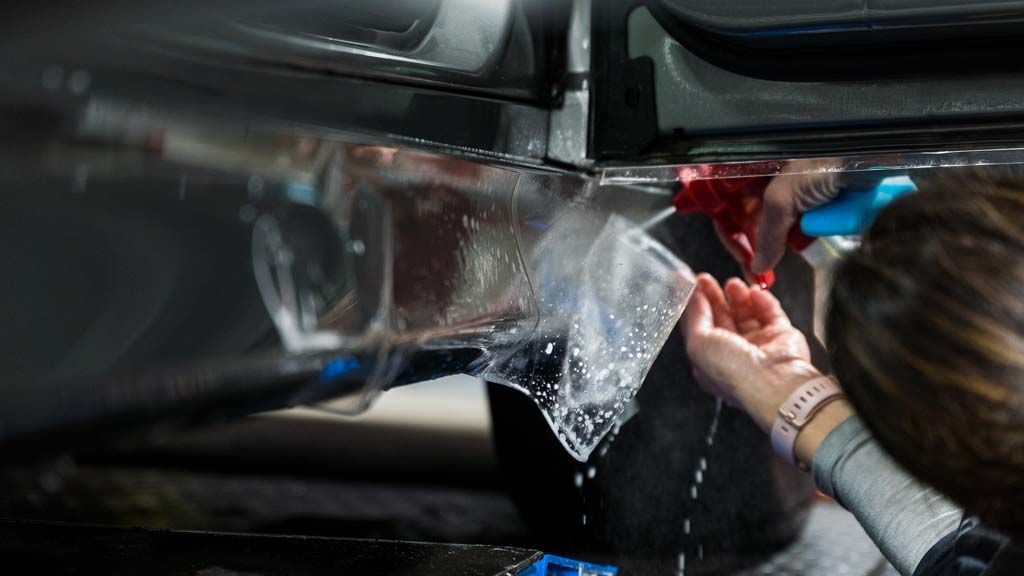
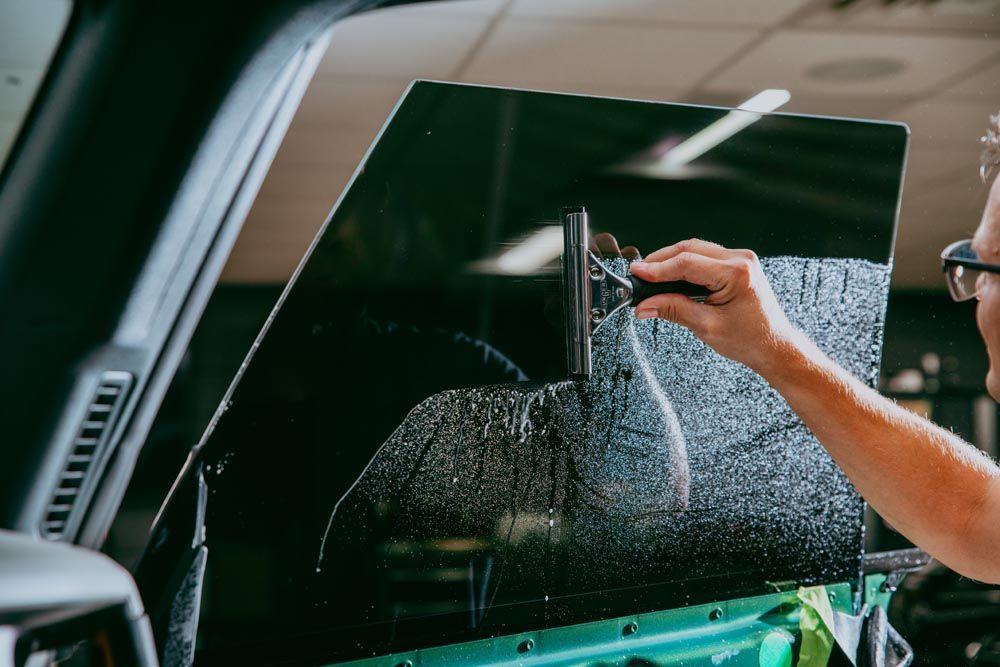
While PPF sounds like magic, it requires expert application to realize its full potential. Poorly installed film can trap dirt, create bubbles, or eventually peel away, compromising appearance and protection alike. Skilled installers use precision-cut templates tailored for each vehicle model to ensure a perfect fit that hugs every edge seamlessly.
Choosing trusted brands such as SunTek guarantees cutting-edge materials tested for durability and optical clarity. These films feature advanced technologies engineered to resist yellowing and degradation years down the road, a problem more common with cheaper products.
“PPF isn’t just a shield; it’s an investment in keeping your vehicle looking truly showroom-ready for years to come.”
Impact on Paint Color Over Time
One of the biggest concerns when considering PPF is whether it will change or dull your car’s original paint color. Fortunately, with high-quality PPF, this worry is largely unfounded. Brands like SunTek design films with advanced optical clarity, meaning the film remains virtually invisible and doesn’t shift the hue or saturation of your car’s paint.
That said, not all PPF options are created equal. Budget films often lack sophisticated UV inhibitors and optical quality found in premium products. Over time, typically within two to three years, these cheaper films may begin to yellow or develop a slight amber tint due to prolonged UV exposure. This discoloration acts like a filter over your paint, subtly altering its shade, particularly noticeable on white or lighter-colored cars.
The takeaway? Investing in well-known, reputable PPF brands combined with professional installation ensures longevity without sacrificing color fidelity. Many JL’s Showroom Auto Salon clients appreciate how our use of top-tier materials preserves their car’s showroom finish without compromise.
Effect on Car’s Gloss and Shine
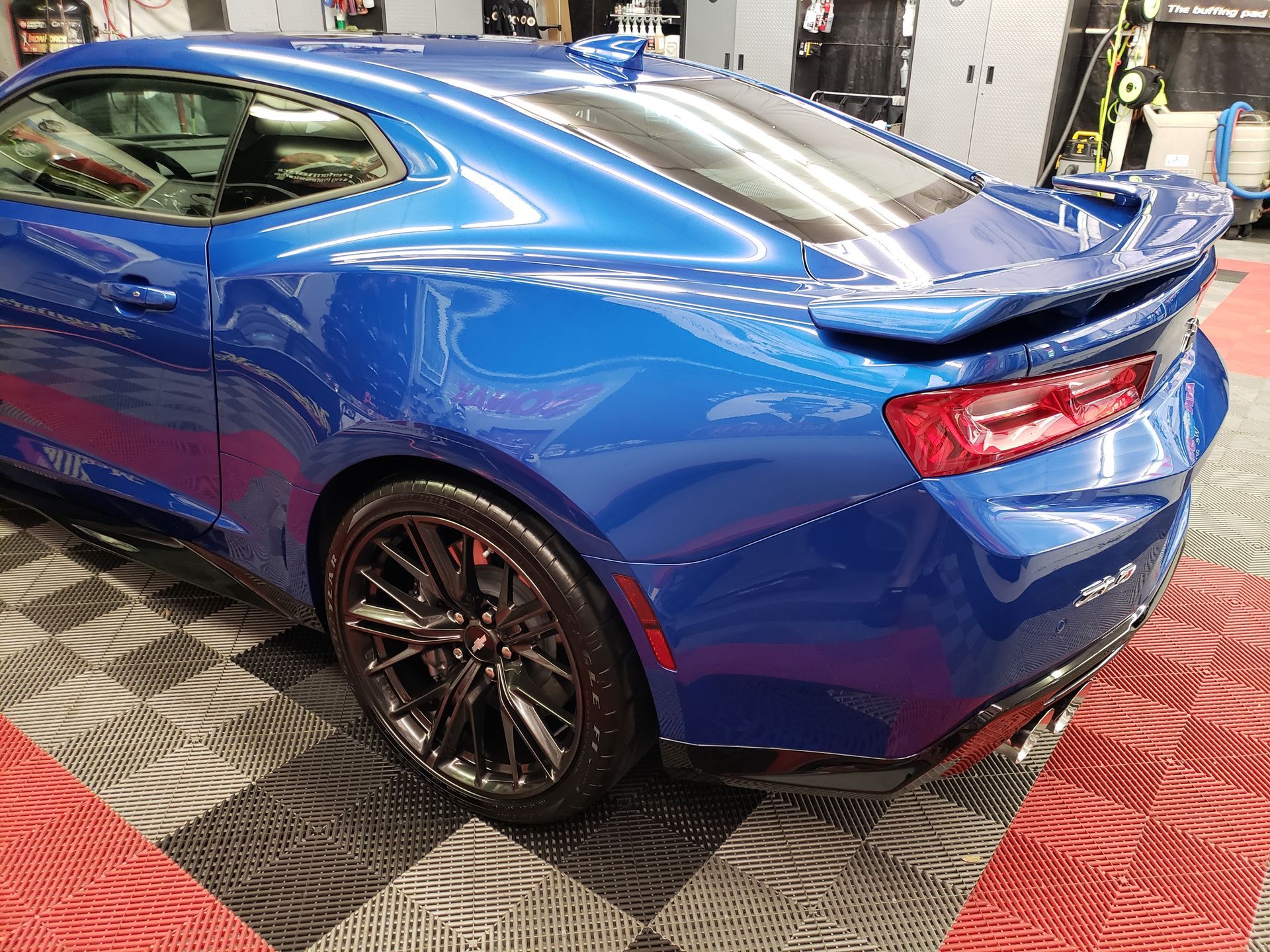
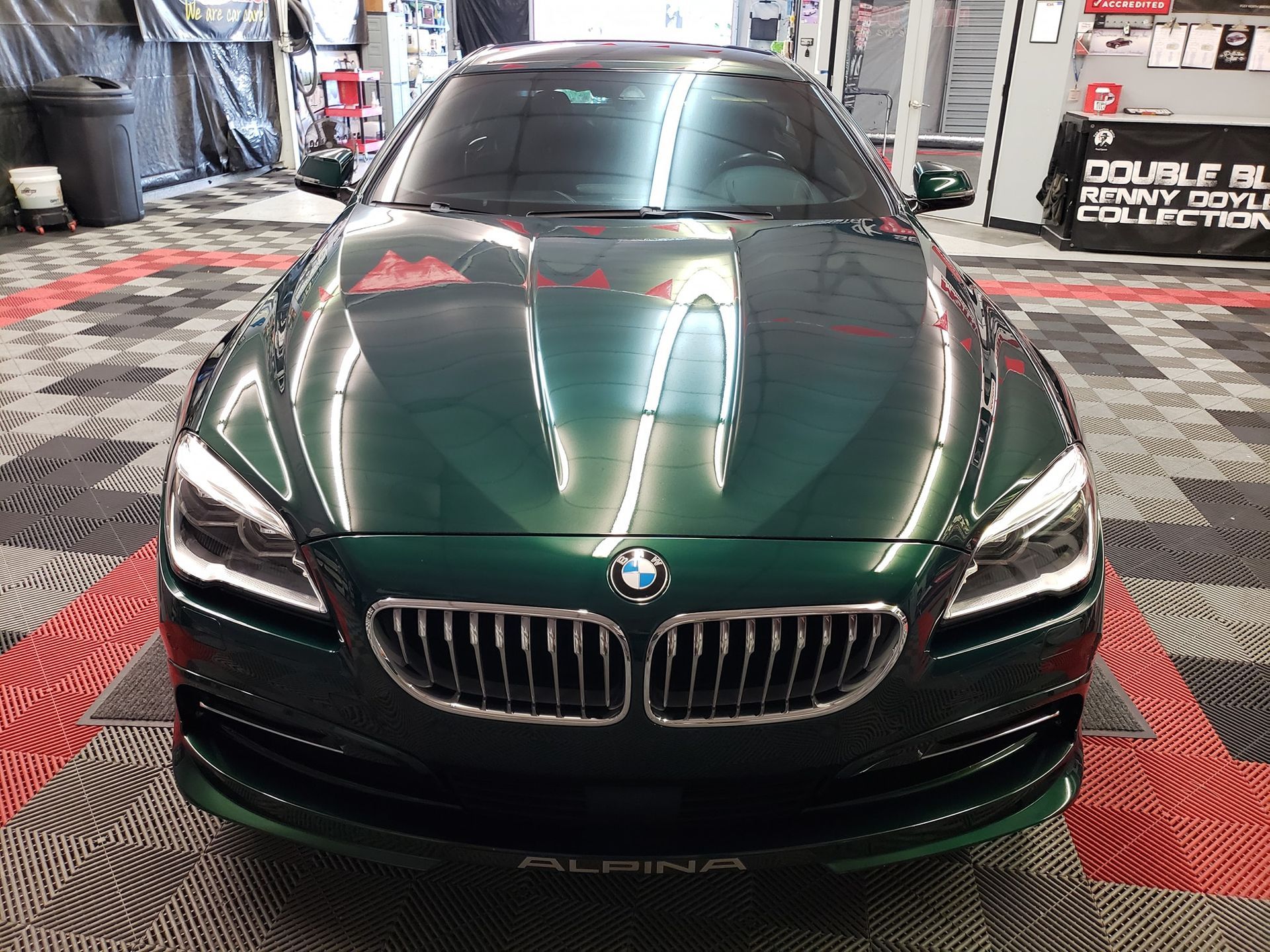
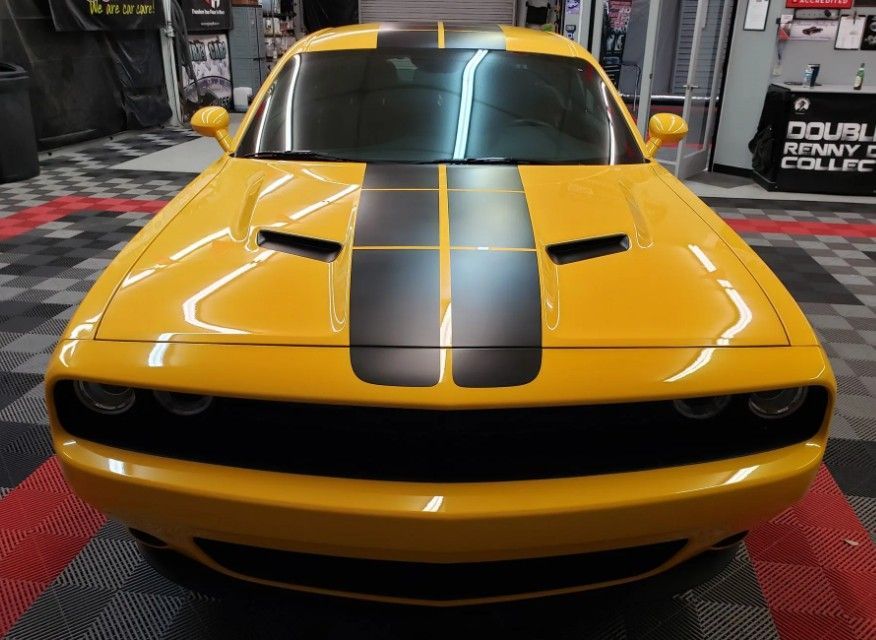
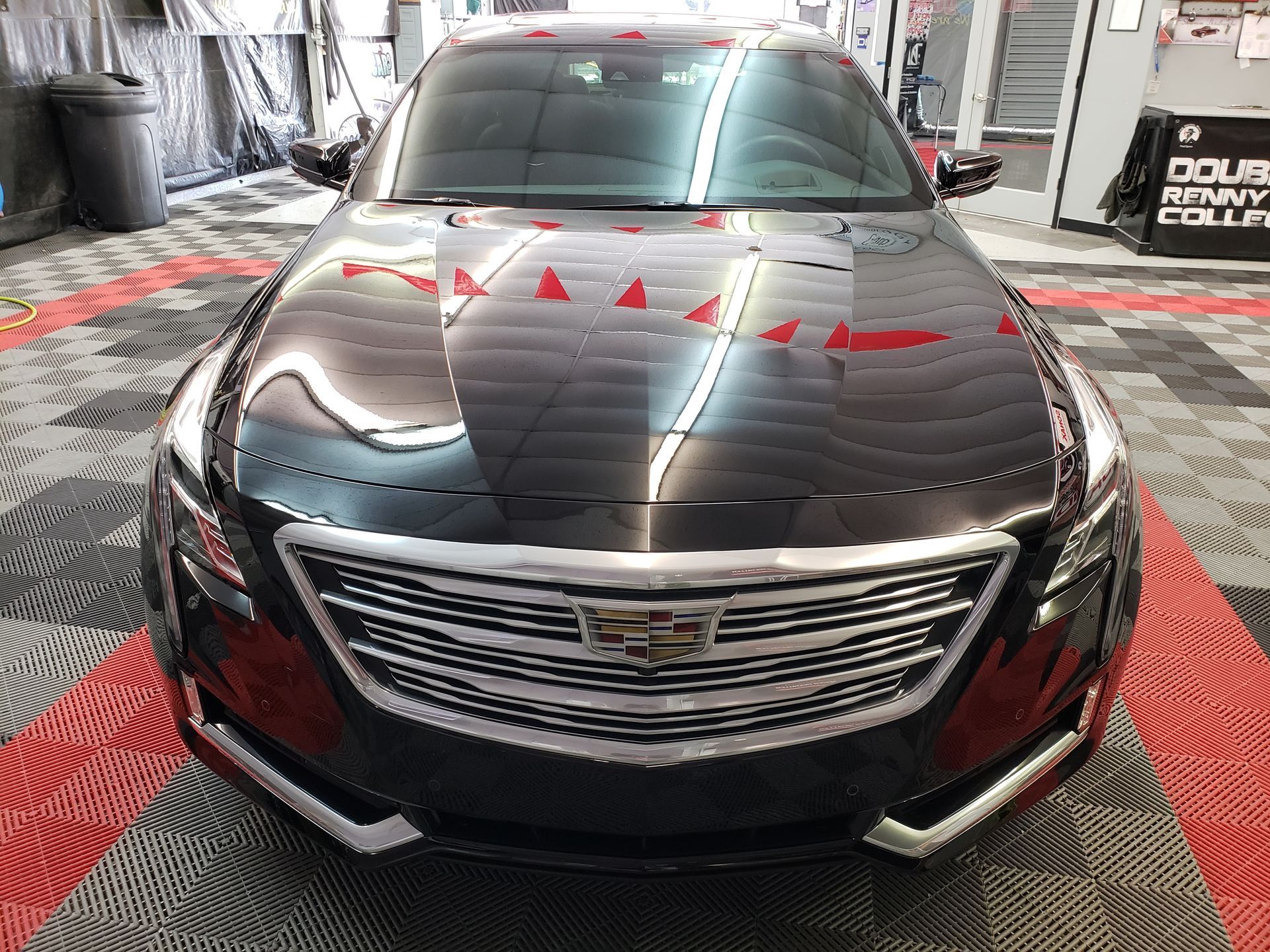
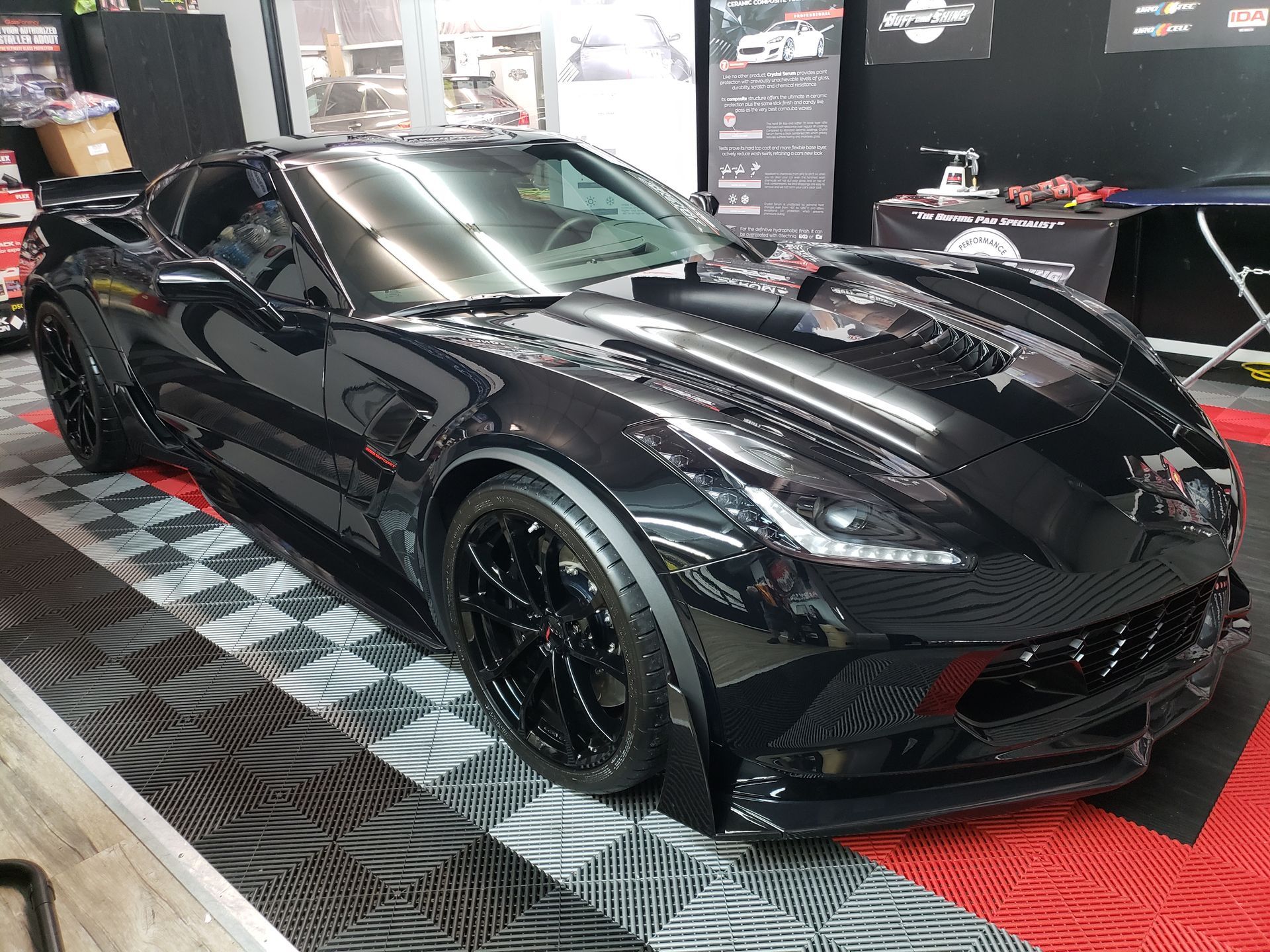
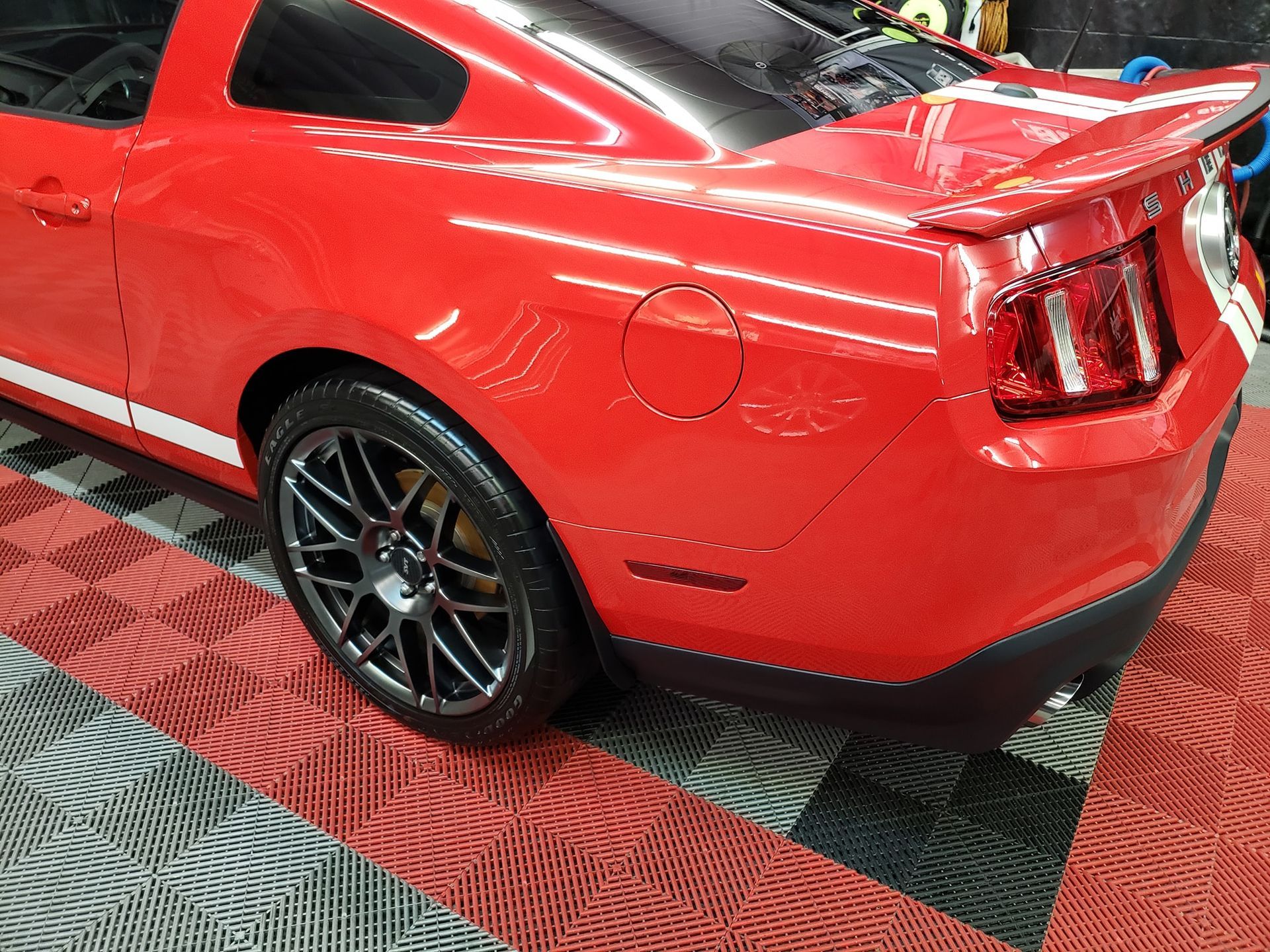
Car Paint Protection Film isn’t simply an invisible shield. It actually enhances the way your car looks, especially when you choose the right finish. Among PPF options, glossy films stand out by creating a deep, glass-like reflectivity that makes paint colors pop with vivid brightness. It’s like giving your car a permanent coat of liquid glass that gently intensifies its natural shine rather than covering it up.
The film’s smooth surface reflects sunlight uniformly, reducing haze and diffusing harsh reflections. This optical clarity keeps your paintwork vibrant and alive, essentially amplifying the color saturation while maintaining perfect transparency.
However, not everyone wants their car to dazzle with high gloss. Matte films mute shine entirely for an elegant, understated look that feels modern and deliberate. Satin finishes provide a balanced alternative, offering a soft glow that neither gleams aggressively nor appears dull. These alternative finishes also offer practical benefits: matte PPF allows drivers to enjoy a unique texture without expensive repainting, while satin films minimize fingerprints and swirl marks better than high gloss.
Vulnerability to Chemicals and UV Exposure
Despite PPF’s robust surface, exposing it to harsh cleaners or solvents (think industrial-strength degreasers or acidic wheel cleaners) can cause the film to lose its clarity and protective strength. A seemingly routine car wash using aggressive products can slowly degrade the film. Using gentle, pH-neutral soaps and avoiding abrasive polishes preserves both the film’s integrity and your car’s showroom appearance.
At JL’s Showroom Auto Salon, we emphasize cleaning techniques and product choices that maintain the film’s longevity without risking chemical damage.
High-quality PPF products serve as “SPF 1000” for your car’s paint, blocking nearly all harmful UV rays that cause fading and clear coat deterioration. According to recent industry studies, premium PPF reduces UV-related paint damage by around 30% compared to vehicles without this protection. Lower-cost products may offer only partial UV resistance, leading to yellowing that signals polymer breakdown and compromises durability.
Longevity and Durability Insights
How long will PPF really last? The answer depends on quality, environment, and care. High-grade PPF from industry leaders like XPEL and 3M can protect your car’s paint for 7 to 10 years, backed by solid warranties. These films absorb scratches, minor abrasions, and environmental assaults your vehicle faces daily.
Durability results from science and mindful maintenance. Premium PPF’s topcoat has remarkable self-healing capabilities where microscopic scratches disappear with heat. Yet, skipping routine care can reduce longevity by roughly 15%. Environmental factors also matter: vehicles exposed to harsh sun, salt air, or dusty roads face accelerated wear.
Professional installation ensures the film adheres smoothly without bubbles or edge lifts that allow moisture and dirt accumulation, both silent enemies of durability.
Best Practices for PPF Maintenance
The foundation of proper care starts with regular washing, ideally every one to two weeks, using a gentle, pH-neutral automotive shampoo and a soft microfiber cloth. This prevents dirt from settling into the surface where it could cause micro-abrasions or dull the glossy finish.
Avoid harsh chemicals that might degrade the film’s adhesive or topcoat layers. Many bug and tar removers contain solvents that weaken PPF’s urethane layers. Instead, seek products specifically designed for PPF, such as water-based cleaners or detail sprays formulated to be gentle yet effective.
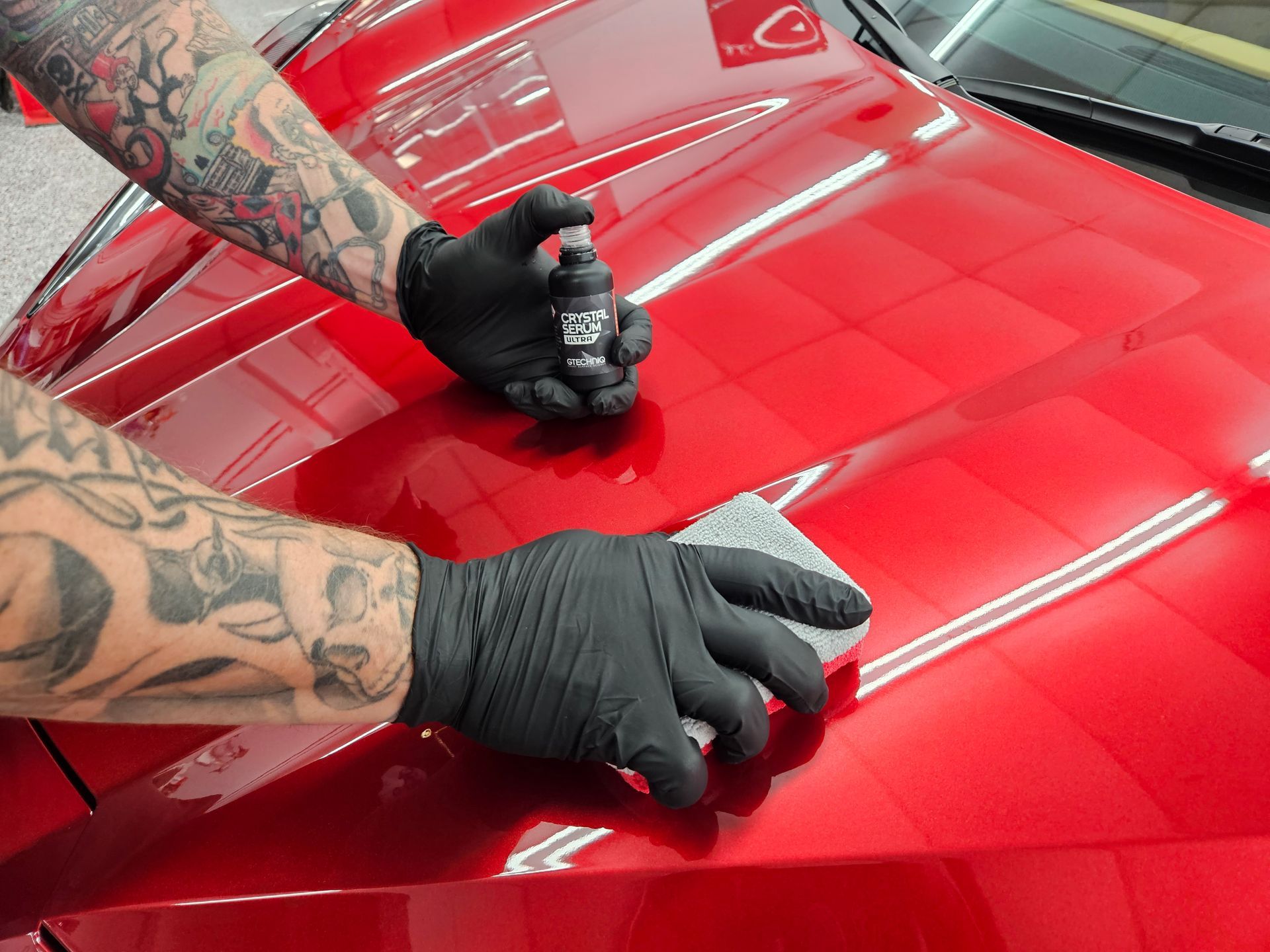
Adding a sealant or ceramic coating made expressly for PPF gives your film extra defense against environmental contaminants while enhancing hydrophobic properties.
“A well-applied ceramic coating over quality PPF not only amplifies shine but also slows UV degradation, effectively extending the lifespan of both paint and film,” notes specialists at JL’s Showroom Auto Salon.
Seasonal care matters too. In winter, pre-rinse to remove salt and road grime. In summer, use protectants with UV inhibitors to fend off yellowing and cloudiness. Routine inspections for edge lifting or dirt accumulation provide early warning signs before issues become costly repairs.
At JL’s Showroom Auto Salon, we advise consistent care paired with expert attention because protecting your investment in PPF means combining daily diligence with wise product choices for unmatched durability and beauty.
Ready to Protect Your Paint the Right Way?
If you want long-lasting protection without altering your car’s color or finish, professional PPF installation makes all the difference. JL’s Showroom Auto Salon uses premium films and precise techniques to keep your paint looking factory-fresh year after year.
Schedule your consultation today by calling (321) 723-6976 or visiting our contact page. Your paint deserves protection that lasts.