Is Full Body PPF Worth It in Florida? Protection and Benefits for Harsh Climate
If you live in Florida and care about your car's look and value, you've probably wondered whether full body Paint Protection Film (PPF) is really worth the cost. After all, Florida's weather can be tough on vehicles. Constant sun, salty air, and storms all take their toll. This article breaks down how PPF helps protect your car from these challenges, why it might be a smart investment, and what benefits you can expect. Let's dig into what makes PPF a strong shield against Florida's tricky climate.
Yes, full body PPF is highly worth it in Florida's harsh climate as it provides robust protection against UV rays, saltwater exposure, and environmental contaminants that can damage your vehicle's paint. Investing in PPF helps preserve your car's appearance and resale value by preventing fading, staining, and minor abrasions caused by Florida's intense sun and coastal conditions.
The Challenge of Florida's Harsh Climate
Living in Florida means your vehicle faces relentless exposure to intense sunlight, salty air, and unpredictable storms. The state boasts around 230 sunny days each year, which means almost daily bombardment by ultraviolet (UV) rays that break down paint molecules, causing colors to dull and clear coats to crack over time.
Coastal living adds further complexity. Salt carried by ocean breezes settles on vehicle surfaces and seeps into tiny crevices, accelerating the chemical reactions that lead to rust and corrosion. Even covered parking can't fully protect against salt-laden air.
Florida's hurricanes and tropical storms pose yet another risk. High winds toss sand, small rocks, and debris with surprising force, leaving scratches and dents across your car's exterior. Studies show that paint degradation from UV exposure occurs up to three times faster in sunny climates like Florida's compared to temperate regions, while salt exposure increases rust formation likelihood by over 50% in coastal zones within just a few years.
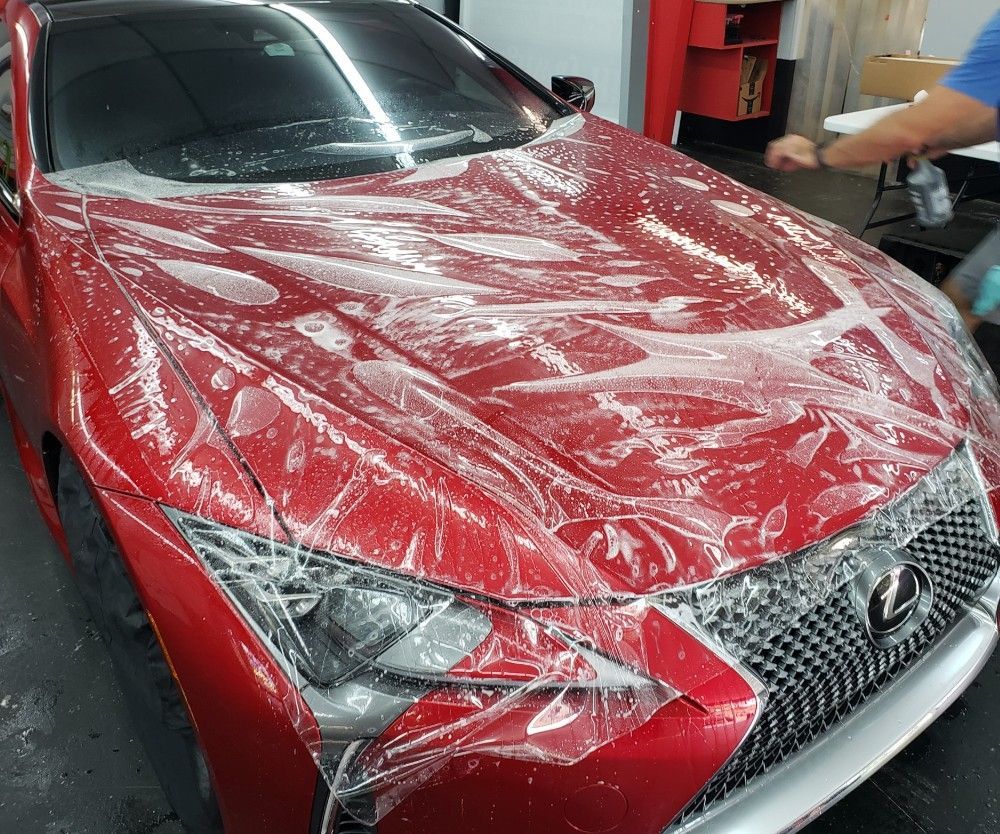
Given these factors, investing in full body PPF becomes more than an aesthetic choice. It's a strategic defense. PPF acts as a durable shield absorbing impacts from airborne debris, repels saltwater deposits to maintain structural integrity, and contains UV inhibitors that help maintain color vibrancy much longer than untreated surfaces.
Benefits of Full Body PPF Protection
Full body PPF fundamentally extends the life and look of your car in ways that are especially critical under Florida's conditions. High-quality PPF blocks harmful ultraviolet rays that cause fading, discoloration, and premature aging of your paint. Without this layer, even daily driving chips away at your vehicle's appearance.
When paint degrades, it exposes underlying metal to weather elements. PPF's role in preventing corrosion is crucial for those living near Florida's coasts where salt accelerates rust on metal surfaces. By acting as an invisible barrier, PPF stalls the onset of rust and corrosion, helping maintain both safety and resale value over time.
One of PPF's most innovative features is its self-healing capability. Minor scratches from road debris, parking lot mishaps, or errant branches during storm season can fade away as heat activates the film's elastic properties. This resilience offers real peace of mind during hurricane season when flying debris threatens your car's exterior.
Full body PPF also protects against chips from stones or gravel kicked up on busy highways. Combined with UV-blocking and anti-corrosion benefits, PPF forms comprehensive armor that reduces day-to-day damage while preserving showroom shine.
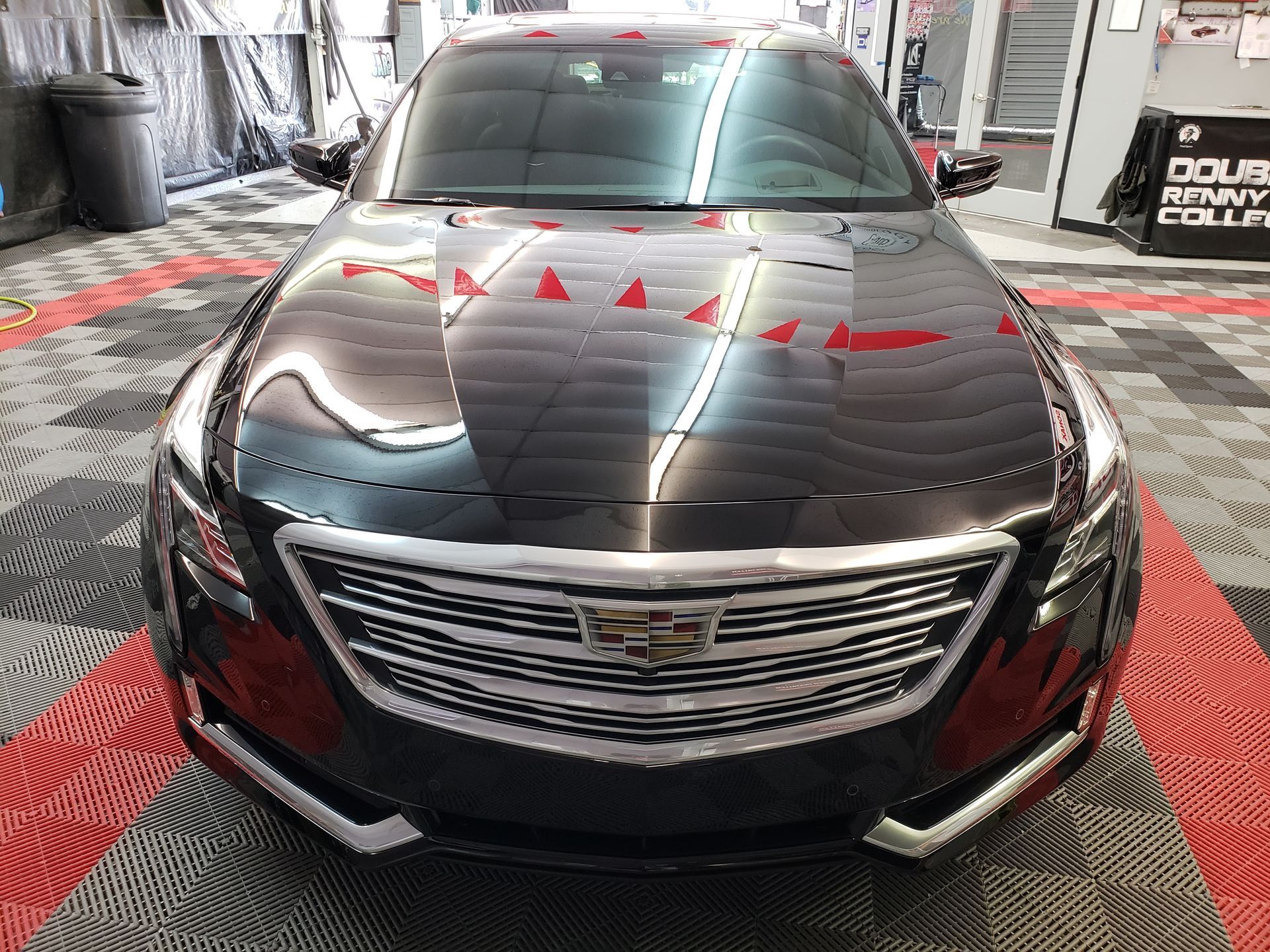
For anyone serious about keeping their car pristine in Florida's harsh environment, professional installation from a trusted team like JL’s Showroom Auto Salon ensures maximum protection tailored for local conditions.
Cost vs. Value Analysis
The average range of $5,000 to $8,000 for full body PPF installation is significant, but context matters. Without PPF, Florida's sun, salty air, and road debris cause scratches, chips, and fading that deteriorate appearance and resale value quickly. Repainting alone can run between $3,000 and $6,000 depending on vehicle size and finish, with rust repair costs compounding year after year.
| Expense Category | Typical Cost Range | Frequency | Email Address |
|---|---|---|---|
| Full PPF Installation | $5,000 - $8,000 | One-time upfront | High initial |
| Annual Maintenance | $100 - $500 | Yearly | Relatively low |
| Repainting/Touch-ups | $3,000 - $6,000 | Every 3-5 years (if no PPF) | High recurring |
| Rust Repairs | Varies ($500+) | As damage occurs | Can escalate rapidly |
You're essentially paying once to avoid multiple costly interventions later. Annual PPF maintenance is comparatively minimal when handled by the team at JL’s Showroom Auto Salon, and proper upkeep enhances clarity and gloss over time.
Cars with well-maintained factory paint jobs typically command higher resale prices. By investing in full body PPF now, you could recoup a substantial portion of your cost when it comes time to sell or trade in.
Alternatives to PPF for Vehicle Protection
Ceramic Coating forms a hard layer that resists UV rays, road salts, and chemical stains while maintaining a glossy finish with minimal effort. However, it doesn't provide impact resistance, so it won't stop rocks from leaving chips or scratches. Professional-grade application is essential for proper results.
Traditional Waxing remains the most budget-friendly barrier against environmental elements but is temporary, wearing off after several weeks or washing cycles. Florida drivers must reapply frequently to fend off oxidation.
Vinyl Wraps offer cosmetic customization and some protection from minor abrasions and UV exposure but lack the self-healing properties and durability of PPF. They degrade faster under Florida's intense sun without regular specialized maintenance.
Your choice depends on priorities: long-term impact protection points toward PPF, chemical resistance leans toward ceramic, budget-conscious refreshes favor waxing, and style combined with mild protection suits vinyl wraps. A professional detailer familiar with Florida's climate, such as JL’s Showroom Auto Salon, can help you select the right solution.
Maintenance and Care Tips for PPF
Wash your vehicle regularly using mild car wash soap with a soft cloth or microfiber mitt. Avoid car washes with harsh brushes, as their abrasive action wears down the protective layer faster than expected. Steer clear of rough sponges, stiff brushes, and abrasive towels that cause micro-abrasions.
Apply a PPF-safe sealant every few months to add a hydrophobic layer that repels water, dust, and oils while enhancing UV protection. Conduct periodic visual inspections to catch tiny tears, lifting edges, or discoloration early before they escalate into costly repairs. When parking in Florida's sun-soaked environment, choose shaded areas whenever possible to reduce UV exposure and heat buildup under the film.
For tailored advice and professional maintenance services, consider partnering with the team at JL’s Showroom Auto Salon, who are known for advanced paint protection strategies designed for Florida drivers.
Recommendations for Florida Car Owners
The team at
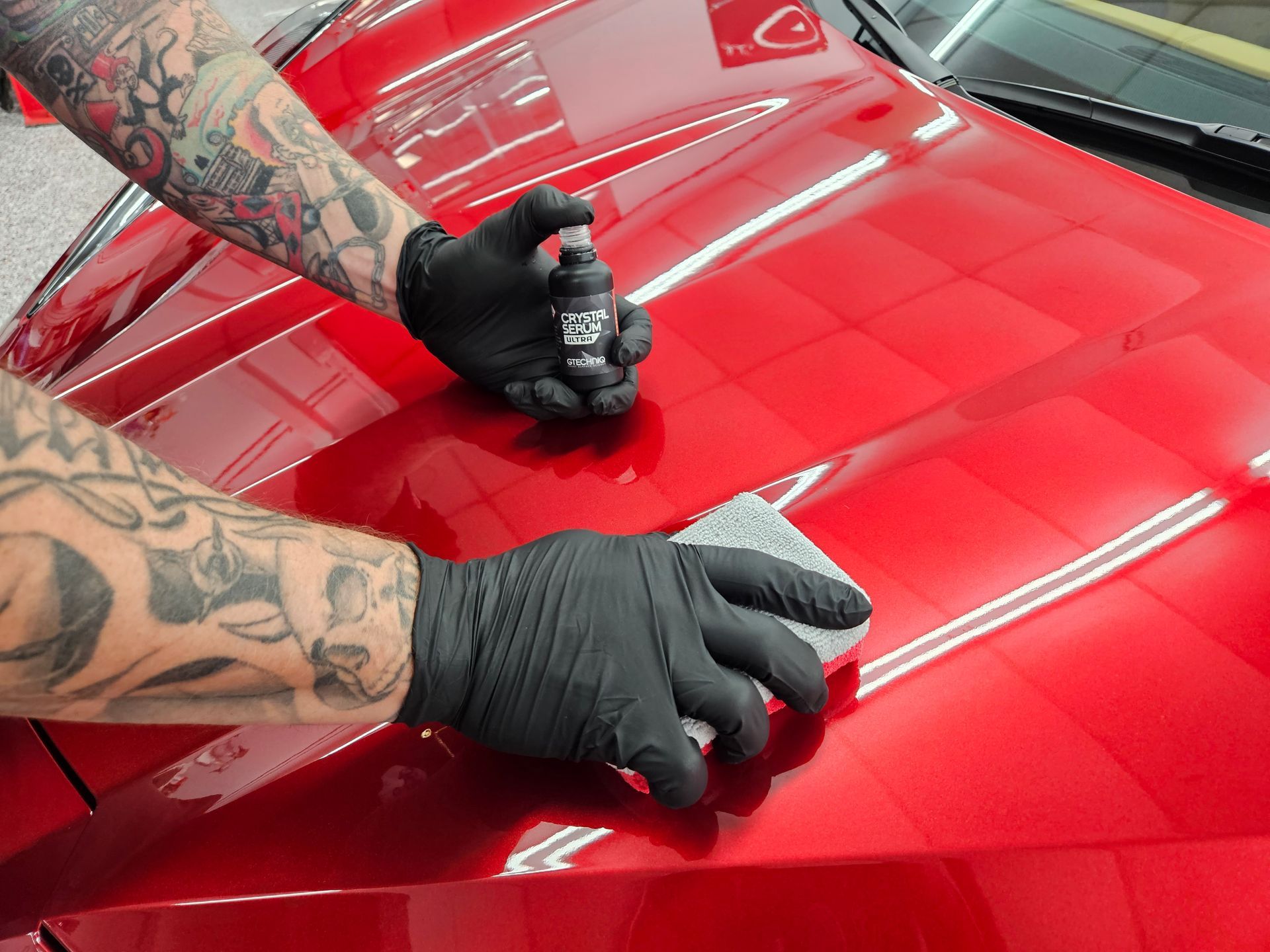
JL’s Showroom Auto Salon emphasizes that full body PPF isn't just about aesthetics. It's a proactive defense against elements that wear down your car over time. Maintaining that protection requires consistent attention, including frequent washes with pH-neutral soaps, soft microfiber towels, and avoiding automatic car washes with harsh brushes. Applying a high-quality ceramic coating over the PPF surface enhances hydrophobic properties and shields against coastal contaminants.
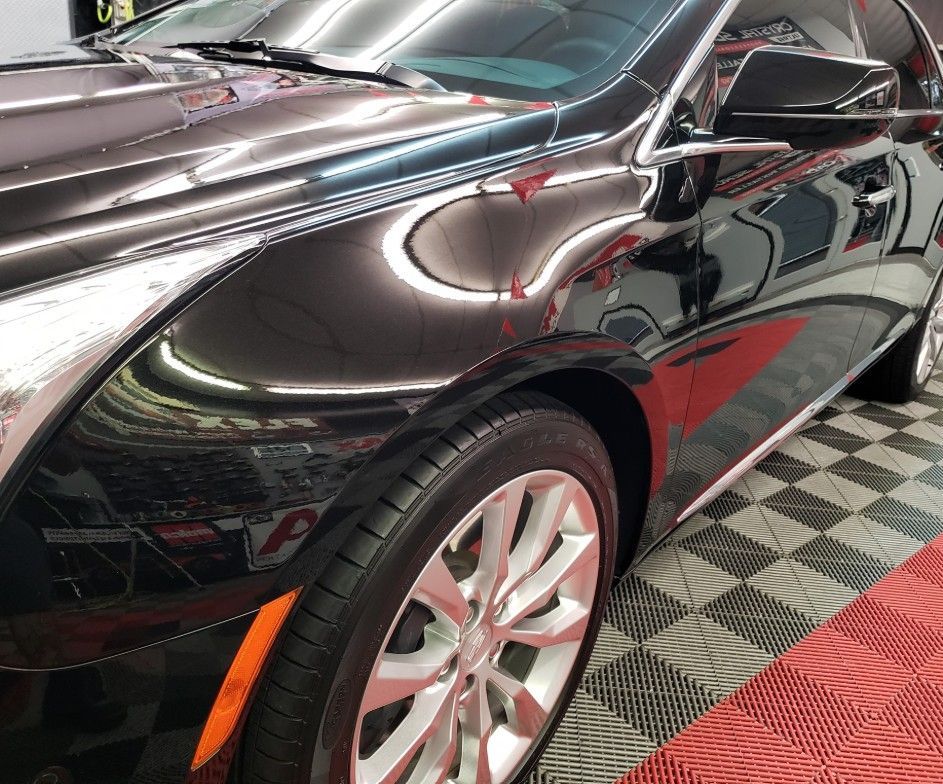
Protect Your Car From Florida’s Harsh Climate Today
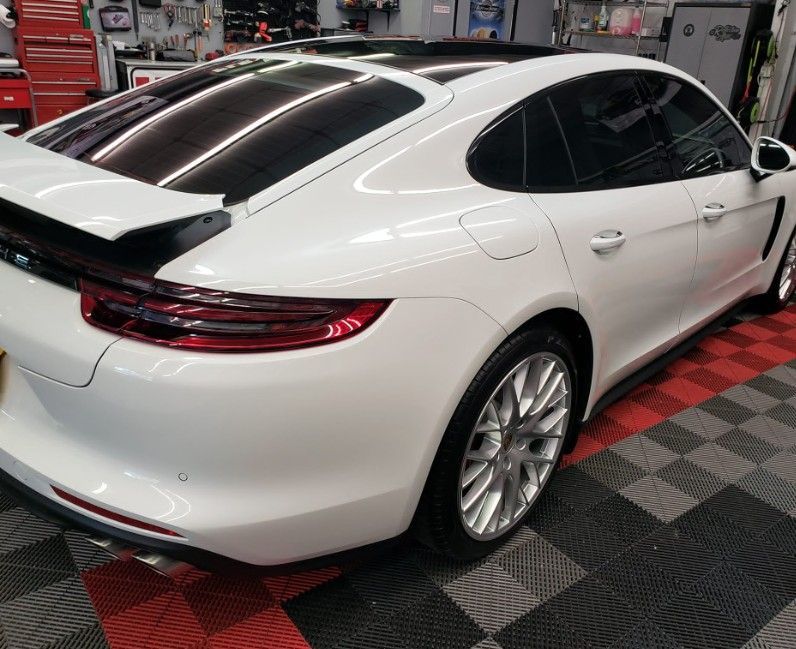
Full body PPF isn’t just about aesthetics - it’s a proactive shield against UV rays, salt air, storms, and daily road debris. With professional installation, your vehicle stays pristine, maintains resale value, and requires fewer costly repairs over time.
The experts at JL’s Showroom Auto Salon specialize in premium full body PPF installation tailored for Florida drivers. From self-healing films to advanced UV-blocking layers, their team ensures your car is protected against the state’s tough climate.
Call us at (321) 723-6976 today or visit their website to schedule your consultation and keep your car looking showroom-ready all year.
Frequently Asked Questions
1. Is full body PPF worth it for Florida cars?
Yes. Florida’s intense sun, salty air, and frequent storms make full body PPF a smart investment. It protects paint, prevents rust, and preserves resale value.
2. How long does full body PPF last in Florida?
With proper maintenance, high-quality PPF can last 5–10 years, even under constant sun and coastal exposure.
3. Can PPF withstand hurricane debris and road chips?
Yes. Full body PPF acts as a physical shield, absorbing impacts from stones, sand, and other flying debris, while self-healing minor scratches over time.
4. Does PPF protect against UV damage?
Absolutely. PPF blocks up to 99% of UV rays, preventing fading, discoloration, and clear coat cracking caused by Florida’s harsh sunlight.
5. How does PPF compare to ceramic coating in Florida?
PPF provides physical impact protection, while ceramic coatings mainly repel water, dust, and minor scratches. For full coverage against chips, debris, and UV, PPF is superior.
6. How should I maintain PPF in Florida?
Wash regularly with pH-neutral soap, avoid abrasive brushes, remove bird droppings or tree sap promptly, and schedule periodic professional inspections.
7. Can PPF prevent rust in coastal areas?
Yes. By forming an invisible barrier against salt air and moisture, PPF slows corrosion and helps protect metal surfaces in Florida’s coastal regions.
8. Is professional installation necessary for full body PPF?
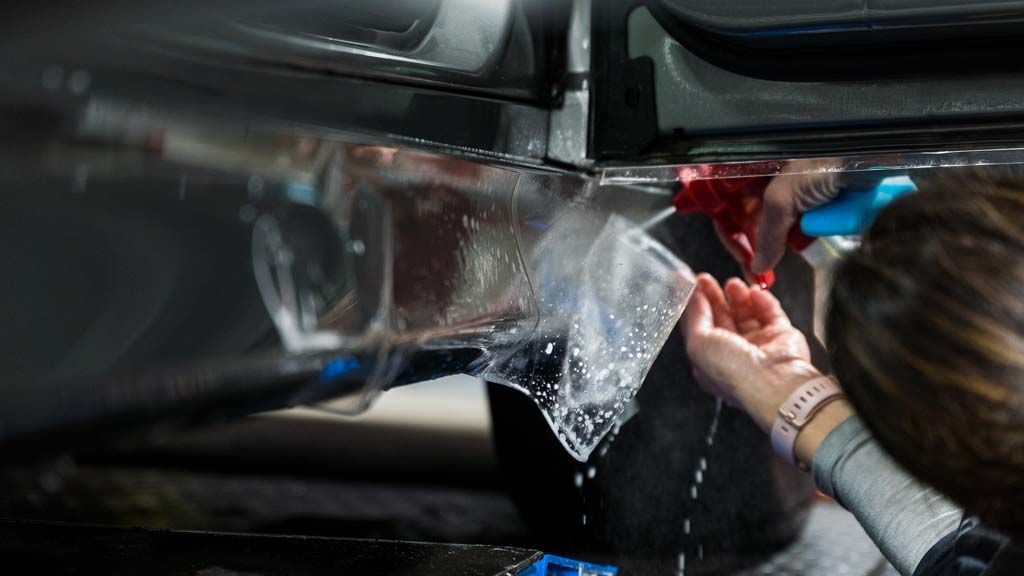
Yes. Professional installers ensure proper adhesion, bubble-free finish, optimal coverage, and compliance with vehicle warranties.