When it comes to window tinting in Florida, savvy car enthusiasts know it's about more than just aesthetics—it's about protecting your investment while staying within the law. That sleek, mirror-like appearance you're after needs to balance style with safety and compliance. Florida's intense sunshine makes quality window tinting essential for preserving your vehicle's interior and maintaining its value, but understanding the legal limits ensures you avoid costly fines and maintain optimal visibility on the road.
In this comprehensive guide, we'll break down Florida's window tint laws, explain what they mean for your prized vehicle, and show you how professional installation keeps you compliant while maximizing the benefits of premium window tinting. Ready to discover the perfect tint solution for your vehicle? Let's dive in.
In Florida, front side windows must allow at least 28% visible light transmission (VLT). Rear side windows and the back windshield can be tinted darker—15% VLT for sedans and 6% VLT for SUVs and trucks. The windshield may only have non-reflective tint above the manufacturer’s AS-1 line. For more detail about tinting laws in Florida, visit here.
Overview of Florida Window Tint Laws
Florida's window tint regulations, established in 1991 and refined over the years, strike a careful balance between driver comfort and road safety. For discerning vehicle owners who invest in professional detailing services, understanding these laws is crucial for maintaining both compliance and the pristine appearance of their vehicles.
The cornerstone of these regulations is the Visible Light Transmission (VLT) percentage—a measurement that determines how much visible light passes through your tinted windows. Think of it as the difference between a subtle enhancement and a transformation that might attract unwanted attention from law enforcement.
Key VLT Requirements by Window Type:
· Front Side Windows: Minimum 28% VLT
· Rear Side Windows (Sedans): Minimum 15% VLT
· Rear Side Windows (SUVs/Trucks/Other Multi-Purpose Vehicles): Minimum 6% VLT
· Windshield: Non-reflective tint allowed only above the manufacturer’s AS-1 line.
These specifications aren't arbitrary—they're designed to ensure drivers maintain crucial visibility while still enjoying the benefits of professional-grade tinting. For the detail-oriented car owner, this means you can achieve that sophisticated look without compromising safety or risking violations.
Medical Exemptions: When Health Requires Additional Protection
Florida law recognizes that some individuals require enhanced UV protection due to medical conditions. Conditions such as lupus, porphyria, or severe photosensitivity may qualify for medical exemptions, allowing darker tints than standard regulations permit. To obtain an exemption, you'll need:
1. Documentation from a licensed physician
2. An official exemption certificate
3. The certificate must remain in your vehicle at all times.
This accommodation ensures that everyone can enjoy the protective benefits of window tinting while maintaining their health and comfort.
Understanding Legal Tint Percentages
For the automotive enthusiast who appreciates precision, knowing the exact requirements for each window is essential. Let's break down the specifics:
Front Side Windows
At 28% VLT minimum, these windows maintain the critical visibility needed for safe lane changes and turns. Professional installers understand how to achieve the perfect balance—dark enough for comfort and UV protection, yet compliant with state regulations.
Rear Windows: Where Flexibility Meets Function
Here's where vehicle type makes a difference:
· Sedans: 15% VLT minimum for rear and back side windows
· SUVs and Trucks: 6% VLT minimum, offering enhanced privacy and protection
Many of our clients appreciate this flexibility, especially those who transport valuable equipment or simply prefer additional privacy. However, remember that darker doesn't always mean better—professional consultation ensures you choose the right level for your specific needs.
Reflectivity Limits: The Technical Details Matter
Beyond darkness, Florida law addresses reflectivity—a crucial factor that affects both aesthetics and safety:
· Front Side Windows: Maximum 25% reflectivity
· Back Side Windows: Maximum 35% reflectivity
High-quality ceramic tints, like those applied by certified professionals, provide excellent heat rejection without excessive reflectivity. This means you get superior performance without the mirror-like appearance that can create dangerous glare for other drivers.
The Professional Advantage: Why Expert Installation Matters
When investing in window tinting for your vehicle, professional installation isn't just recommended—it's essential.
Here's why discerning car owners choose expert service:
Precision Application
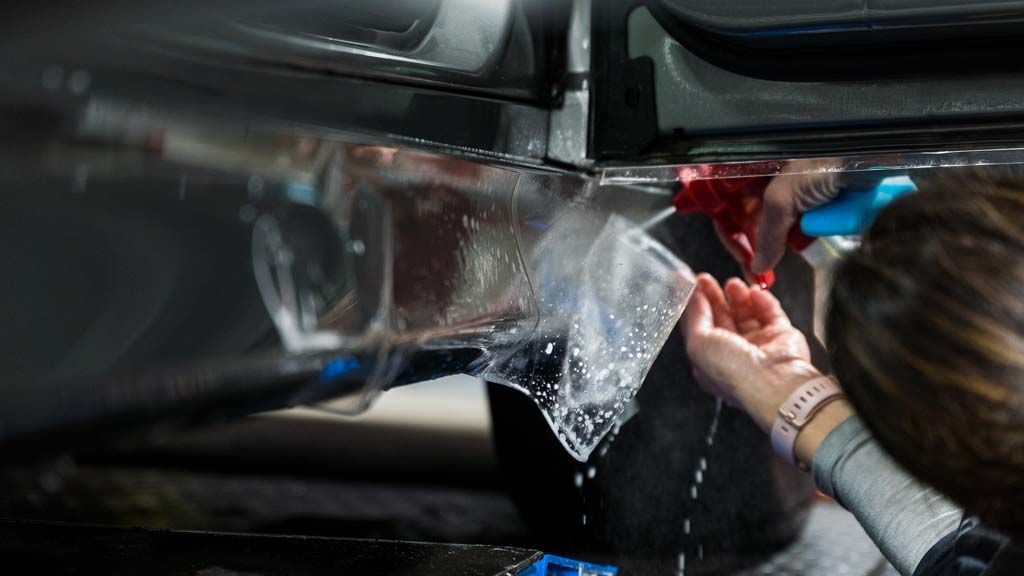
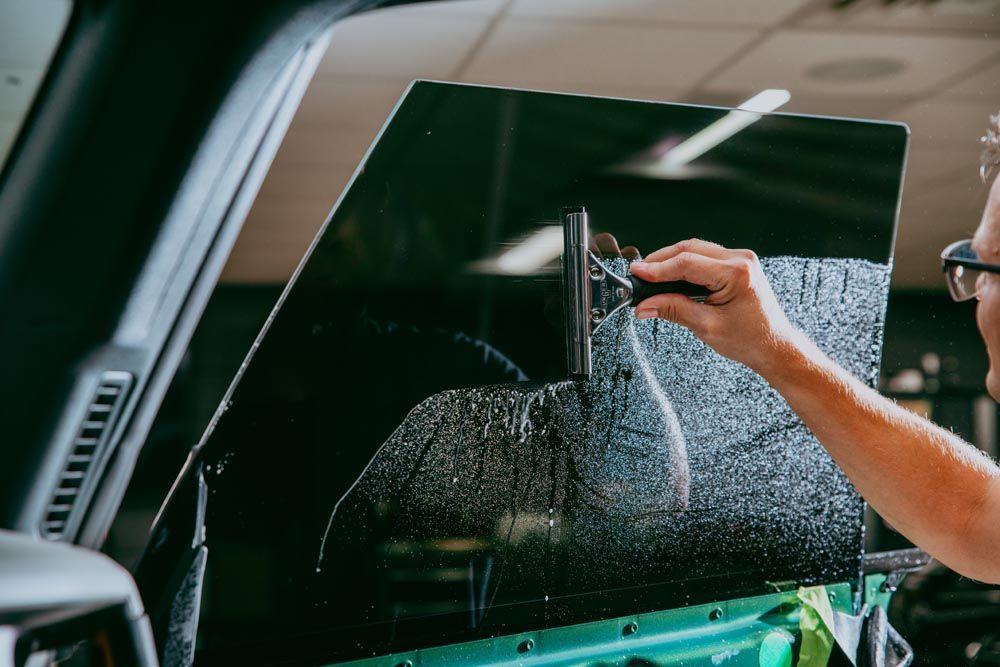
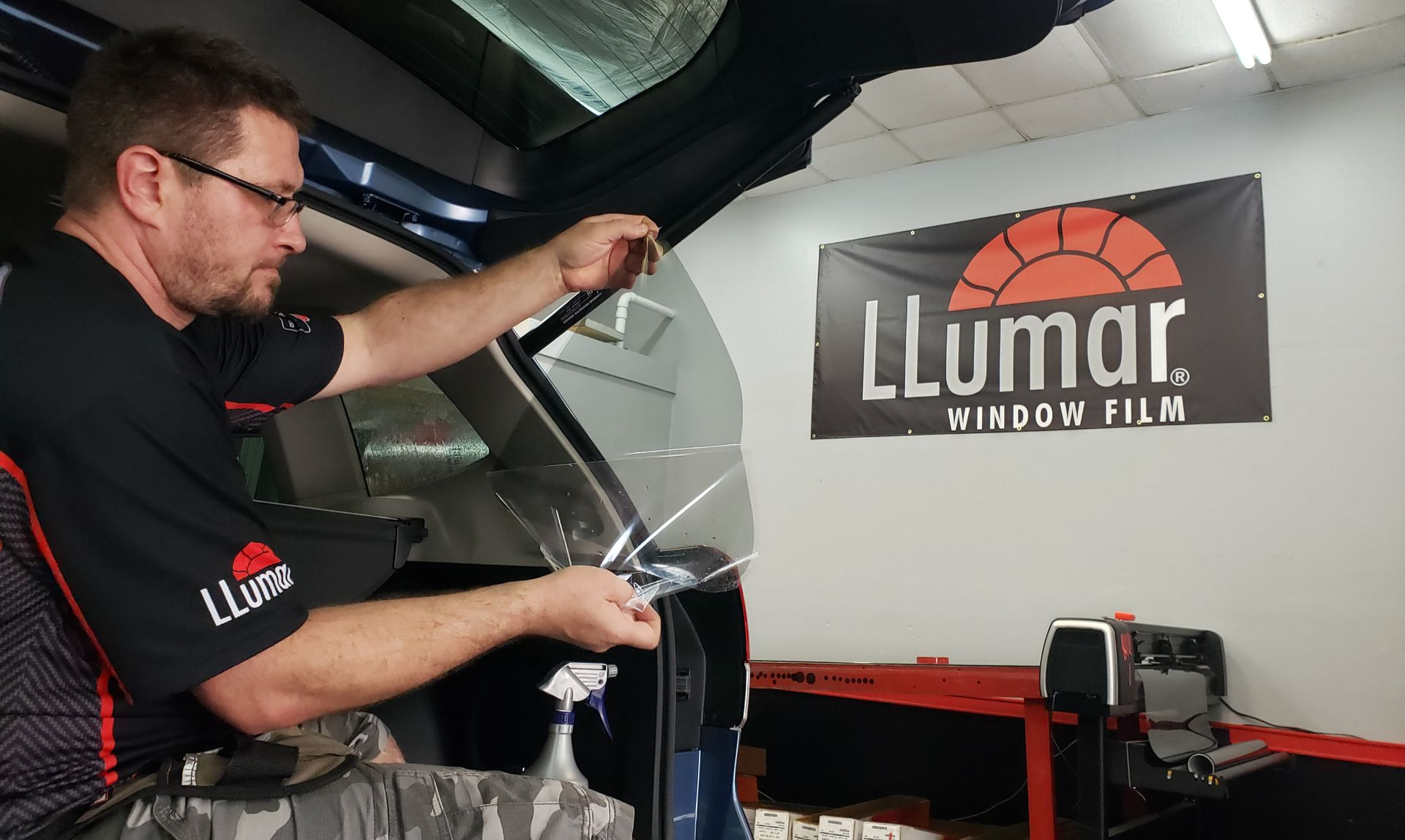
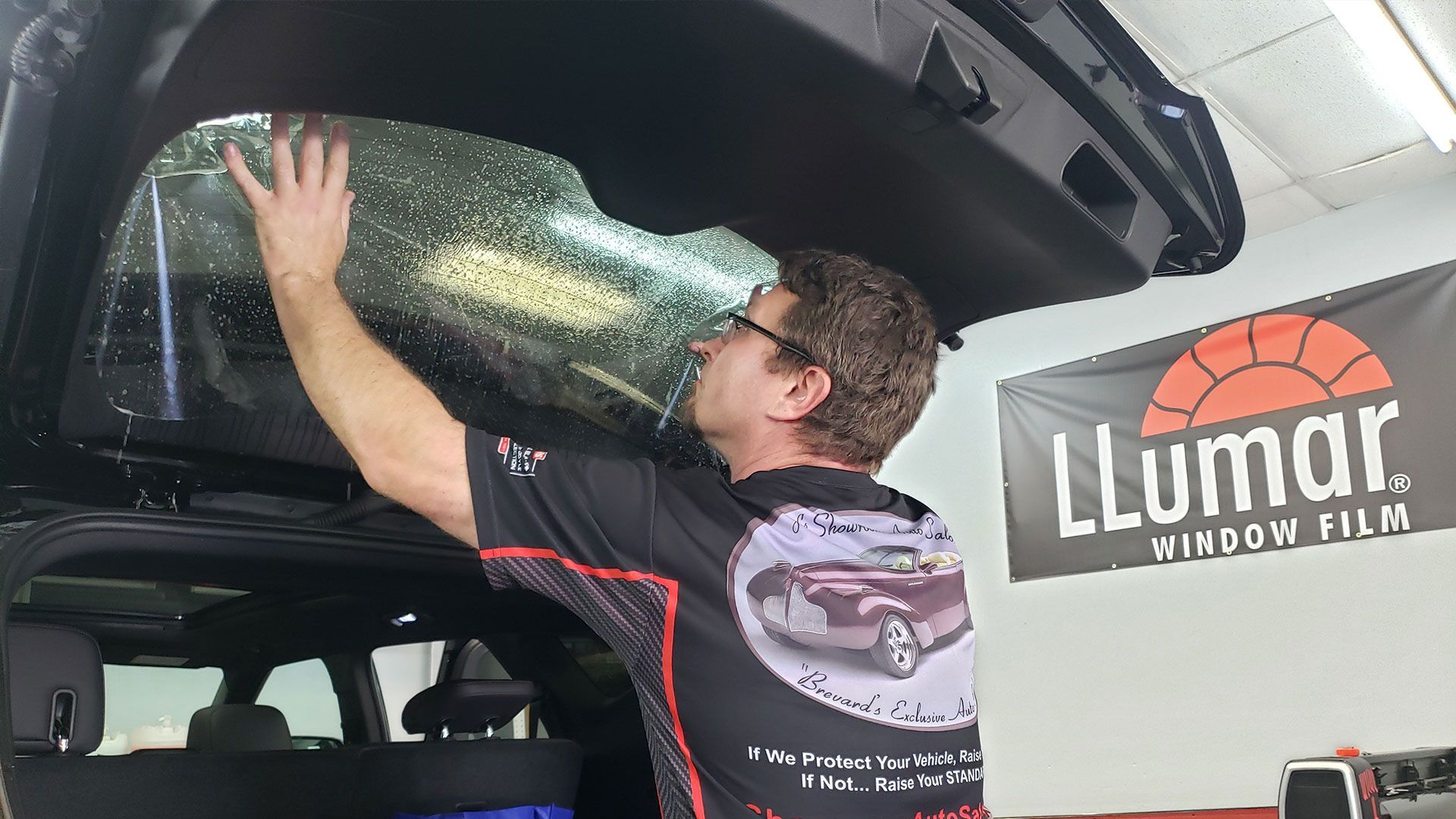
Professional installers use specialized tools and techniques to ensure bubble-free, perfectly aligned tint that enhances your vehicle's appearance while maintaining full compliance with Florida law.
Quality Materials
Premium ceramic tints block up to 99% of harmful UV rays and reduce interior heat by up to 60%—protecting your investment in leather seats, dashboard materials, and interior components.
Warranty Protection
Professional installation typically includes comprehensive warranties that protect your investment and ensure long-lasting performance.
Compliance Assurance
Certified installers understand the nuances of Florida law and use calibrated equipment to verify VLT percentages, giving you peace of mind that your vehicle meets all legal requirements.
The Benefits of Legal, Professional Window Tinting
When applied by certified professionals, legal window tinting delivers impressive benefits:
Protection and Preservation
· Blocks 99% of harmful UV rays
· Reduces interior fading and cracking
· Maintains your vehicle's resale value
Comfort and Efficiency
· Reduces interior temperature by up to 60%
· Decreases air conditioning usage
· Enhances driving comfort year-round
Safety and Security
· Reduces dangerous glare
· Holds glass together in case of impact
· Deters theft by obscuring valuables
Aesthetic Excellence
· Achieves that coveted mirror-like gloss
· Complements professional detailing services
· Enhances your vehicle's overall appearance
Making the Right Choice for Your Vehicle
As a car enthusiast who takes pride in your vehicle's appearance and performance, choosing the right window tinting solution requires expertise and precision. Professional installers not only ensure compliance with Florida's regulations but also maximize the benefits of premium tinting materials.
Consider scheduling a consultation with certified professionals who understand both the technical requirements and the aesthetic goals of discerning vehicle owners. They can recommend the optimal VLT percentages for your specific vehicle type and personal preferences while ensuring full compliance with state law.
Frequently Asked Questions
Can I get darker tints if I have a medical condition?
Yes, Florida provides medical exemptions for individuals with qualifying conditions. You'll need proper documentation from a licensed physician and must keep the exemption certificate in your vehicle.
How do I know if my current tint is legal?
Professional detailers use specialized meters to measure VLT percentages accurately. If you're unsure about your current tint, a quick inspection can determine compliance.
Will window tinting affect my vehicle's warranty?
Professional installation by certified technicians typically won't affect your vehicle's warranty. Always choose reputable installers who use high-quality materials and proper techniques.
How long does professional window tinting last?
Quality ceramic tints installed by professionals can last 10+ years with proper care, making them an excellent long-term investment in your vehicle's protection and comfort.
Take Action: Protect Your Investment Today
Don’t leave your vehicle’s appearance and protection to chance. At JL's Showroom Auto Salon, our professional window tinting services are an investment in your vehicle’s longevity, your comfort, and your compliance with Florida law. Whether you want to enhance privacy, reduce heat, or simply achieve that perfect aesthetic, our expert installation ensures you enjoy maximum benefits without legal complications.
Ready to transform your vehicle with compliant, professional-grade window tinting? Contact the trusted experts who understand the unique needs of Florida's car enthusiasts. Book your appointment today for window tinting consultation in Melbourne, FL today and get expert installation that keeps you legal and protected.
For expert window tinting and professional auto detailing services that meet the highest standards of quality and compliance, trust the professionals who share your passion for automotive excellence. Your vehicle deserves nothing less than the best.