Does Window Tint Affect Night Driving Visibility? Essential Facts and Safety Tips
Window tint can make your car look great and keep it comfortable on hot days, but many drivers wonder: does it make night driving harder? It’s a fair question. While tints block sun glare during the day, they also reduce how much light passes through after dark. Understanding how different tint levels affect what you see behind the wheel is essential for your safety. After reviewing research and real-world driver experiences, this guide breaks down what window tint means for nighttime visibility and offers practical tips to help you drive more safely after the sun goes down.
Yes, window tint can affect night driving visibility depending on the level of darkness applied. Lighter tints (around 35% to 50%) generally maintain sufficient night visibility, while very dark tints (below 30%) may reduce the ability to see clearly in low-light environments and require extra caution.
How Window Tint Affects Visibility
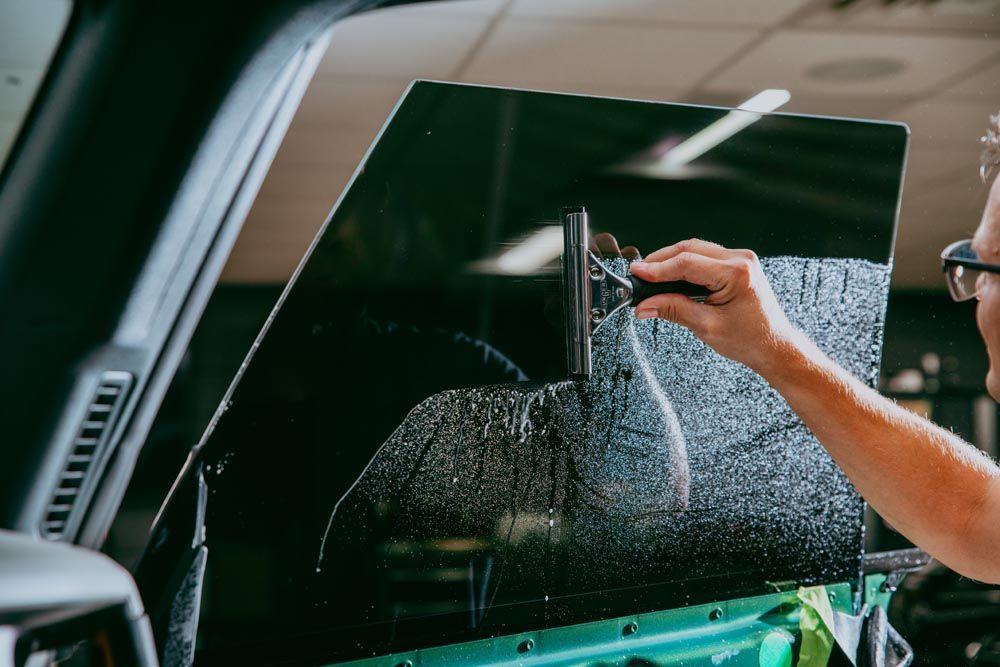
When you apply tint to your car windows, you are adding a filter that reduces visible light passing through the glass. The lower the Visible Light Transmission (VLT) percentage, the darker the tint and the less light reaches your eyes. A 5% VLT tint, for example, lets through just 5% of daylight, which can seriously hamper your ability to notice hazards on poorly lit roads. Studies suggest that windows tinted at 20% VLT reduce night visibility by about 25% compared to untinted glass, shrinking sight distances from roughly 500 feet to around 350 to 375 feet.
Not all tints impact visibility equally, however. Ceramic tints have gained popularity because they offer excellent heat rejection and UV protection while maintaining higher clarity. A ceramic tint at 35% VLT often strikes the best balance: effective glare reduction during daylight with minimal sacrifice in nighttime visibility. Tinting also varies by placement; front side windows carry the strictest legal limits in most states because they affect driver visibility most directly, while rear windows can typically accommodate darker films.
| Tint Darkness (VLT %) | Approx. Night Visibility Reduction | Glare Reduction | Typical Use Case |
|---|---|---|---|
| 5% (Very Dark) | 50–60% | 60–70% | Mostly illegal on front windows; strong heat rejection but poor night vision |
| 20% (Medium) | 25–30% | 40–50% | Balances heat/glare control with moderate visibility |
| 35% (Light) | 10–15% | 20–30% | Good compromise for legal front windows; preserves most night vision |
| 70–80% (Minimal) | Negligible | Minimal | Nearly clear; focused on UV protection and slight glare reduction |
Choosing the Right Tint Percentage
The sweet spot for most drivers falls between 20% and 35% VLT. Experts often recommend 35% VLT as a reliable all-around choice: it dims harsh sunlight during the day while still maintaining decent visibility at night. Drivers in hot or sunny climates may prefer ceramic tints around 20% VLT, which block heat and UV rays without the nighttime clarity issues associated with traditional darker films.
State laws vary widely, so checking local regulations before installation is essential. California and New York require a minimum of 70% VLT on front windows, while Texas permits down to 25% VLT. For drivers concerned about reversing or maneuvering in low-light areas, pairing a moderate tint with a backup camera or parking sensors provides an effective safety net.
Legal Tint Limits and Safety
Window tint laws across the United States are designed to protect both drivers and other road users. VLT minimums ensure enough light enters the vehicle for clear vision, while reflectivity caps (usually 20% to 35%) prevent blinding glare for oncoming drivers. Color restrictions on hues like red, amber, and blue prevent confusion with traffic signals, and most states limit tint on windshields to the area above the AS-1 line to keep drivers’ direct field of vision unobstructed.
Obeying VLT limits is not just a legal responsibility; it is a practical one for your own safety and the safety of those around you.
The consequences of non-compliance go beyond fines. Police officers use handheld tint meters during traffic stops, and illegal tints can lead to costly citations that require removal or replacement. Insurance companies may deny claims related to accidents if impaired visibility from an illegal tint is a contributing factor. Manufacturer warranties can also be voided when aftermarket films obstruct built-in sensors or cameras. At JL’s Showroom Auto Salon, we regularly see clients who are unaware their tint falls outside their state’s regulations until they receive a citation or fail an inspection. Professional consultation before installation is the most reliable way to ensure you get the look you want without legal or safety surprises down the road.
Interior Comfort and the Visibility Trade-Off
One of the most compelling reasons drivers invest in automotive window tinting is interior comfort. Tints can block up to 65% of solar heat, reducing cabin temperatures by as much as 10 to 15 degrees Fahrenheit and cutting air conditioning demand by 7% to 15%. Ceramic tints excel at rejecting infrared heat while maintaining ample visible light, making them a strong choice for drivers who want comfort without compromising clarity.
Glare reduction is another key benefit. Research indicates tinted windows can reduce reflected light intensity by 30% to 50%, helping drivers maintain focus and reduce eye strain throughout the day and into early dusk. The trade-off appears at night: darker films mean less ambient light reaches your eyes on cloudy evenings or poorly lit roads. Many drivers find a gradient approach works best, with lighter tints on front windows for nighttime clarity and darker films on rear windows for privacy and heat rejection.
Driving in Adverse Weather with Tinted Windows
Rain, fog, and snow amplify the visibility challenges that darker tints introduce. Moisture blurs windows while tinting further reduces light transmission, making it significantly harder to see hazards ahead. Studies show that driving in night rain or fog with tints below 35% VLT correlates with about a 12% increase in accident rates compared to untinted vehicles.
Snow presents a dual challenge: it reflects glare from headlights, which moderate tints (20% to 35%) can help reduce by 15% to 25%, but overly dark films make it harder to spot the edges of snowbanks or icy patches. For front windows especially, lighter tints above 35% VLT offer the safest balance in poor weather. Fog lamps, backup cameras, and rolling down windows briefly when maneuvering at night are all practical steps to offset reduced visibility during adverse conditions.
Tips for Safer Night Driving with Tint
A few targeted adjustments can significantly improve your nighttime driving experience with tinted windows. Start with your tint choice: ceramic films at 20% to 35% VLT maintain better nighttime clarity than traditional dyed alternatives at the same darkness level. If you are unsure how a tint level will feel at night, wearing dark sunglasses for a short drive gives a useful preview before committing to any film permanently.
Keep your headlights properly aimed and clean. Even light oxidation or a thin film of road grime reduces brightness noticeably, compounding the dimming effect of tinted glass. Regular cleaning of tinted windows with products designed for film protection also minimizes light scattering and internal reflections, which studies show can improve clarity by up to 20%. Dimming dashboard and infotainment displays at night further reduces interior reflections on tinted windows, improving outward visibility in ways many drivers overlook.
Finally, a
gradient tint approach, with lighter films on front windows and darker ones on the rear, is widely regarded as the optimal balance between aesthetics, privacy, and nighttime safety. It preserves forward visibility where it matters most while still delivering the heat rejection and privacy benefits drivers value in back seats.
Drive Safer at Night with the Right Window Tint
Choosing the wrong tint can make nighttime driving more difficult, but the right film improves comfort without compromising visibility. It all comes down to selecting the correct VLT level and using high-quality materials.
At JL’s Showroom Auto Salon, we help you choose car window tint that balances heat rejection, glare control, and nighttime clarity, all while staying within legal limits.
Call (321) 723-6976 today to schedule a consultation or and get expert guidance for safer driving.
FAQs on Window Tint for Night Driving
Are there legal limits on window tint darkness to ensure safe night driving?
Yes. Most states require a minimum of 30% to 50% VLT on front side windows to prevent visibility impairment. Studies show drivers with very dark tints can experience up to 40% reduced visibility at night, which is why these regulations exist to balance privacy with road safety.
How does window tint affect glare and reflections when driving after dark?
Moderate tinting reduces glare from oncoming headlights, but overly dark tints can increase interior reflections, making nighttime clarity worse rather than better. The key is balance: enough tint to cut glare, but not so dark that reflections inside the cabin undermine your vision.
What types of window tint offer better visibility at night?
Ceramic and carbon tints are the top choices for night driving. Ceramic films block UV rays efficiently while preserving a high level of visible light transmission, often 70% or more of brightness. Drivers using ceramic tints consistently report better nighttime clarity compared to those using metallic or dyed alternatives.
How does tint darkness level impact nighttime vision?
The darker the tint, the more ambient light it blocks. Tints that block over 50% of light can reduce visual acuity by up to 30% in low-light conditions. Selecting the right darkness level is essential: the right tint enhances daytime comfort without leaving you at a disadvantage once the sun goes down.