Professional Ceramic Coating—Best Protection for Your Vehicle’s Paint
When it comes to protecting your vehicle's paint, many car owners often wonder about the best options available. You might have heard about traditional waxes or sealants, and while they can offer some level of shine, there’s a rising star in the automotive care world: professional ceramic coating. Unlike temporary solutions, ceramic coatings provide a strong, long-lasting shield that defends against daily wear and tear. Whether you're looking to keep your ride looking great or increase its resale value down the line, understanding why ceramic coatings are considered the gold standard can help you make an informed decision about how to protect your investment. In this article, we'll dive deep into the incredible benefits of professional ceramic coating and why it's worth considering for your vehicle.
Professional ceramic coating is deemed the best protection for vehicles because it forms a durable, hydrophobic barrier that shields the paint from UV rays, chemical stains, and environmental contaminants. This advanced technology not only enhances the vehicle's shine but also makes cleaning and maintenance significantly easier, ultimately preserving its appearance and value over time.
Why Consider Ceramic Coating
One significant reason to consider ceramic coating is its enhanced durability. Whereas traditional waxes and sealants offer only temporary protection, a professional ceramic coating provides a lasting solution that can endure through the seasons. With proper care, these coatings can last between 2 to 5 years or even longer. This means fewer trips to the detailer and more time enjoying your vehicle without worrying about reapplying products every few months. Owning a car shouldn't be hard work; regular maintenance should be enough.
In addition to its impressive longevity, ceramic coating offers another compelling advantage: superior protection against the wear and tear of daily driving. This protective layer acts as a barrier between your car’s paint and environmental hazards like UV rays, which can cause fading; bird droppings that are acidic in nature; tree sap that can stick stubbornly; and even the harmful effects of acid rain. These elements can lead to unsightly blemishes or permanent damage if left unchecked. Therefore, investing in ceramic coating can provide peace of mind knowing your vehicle is well-defended against these common threats.
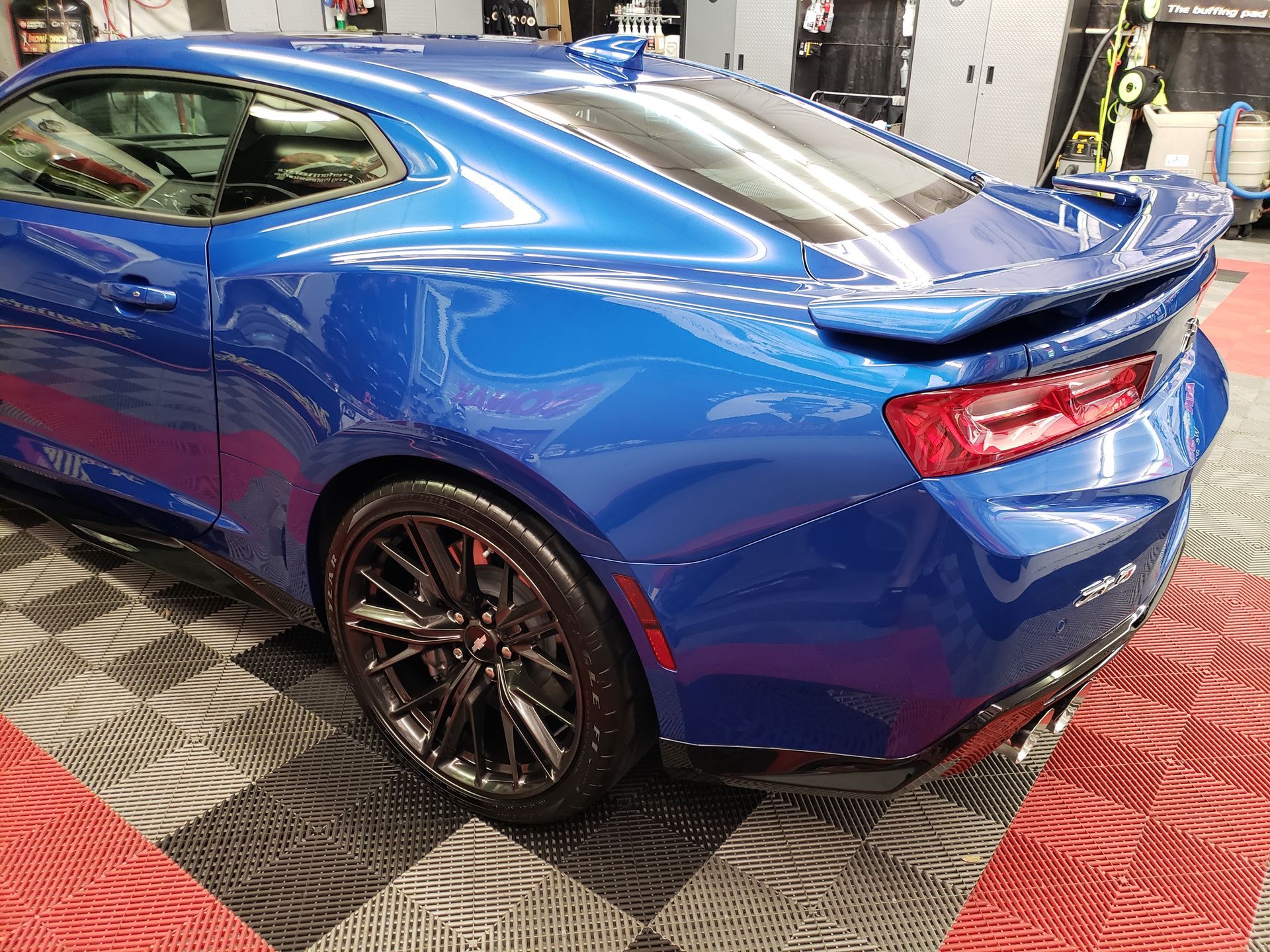
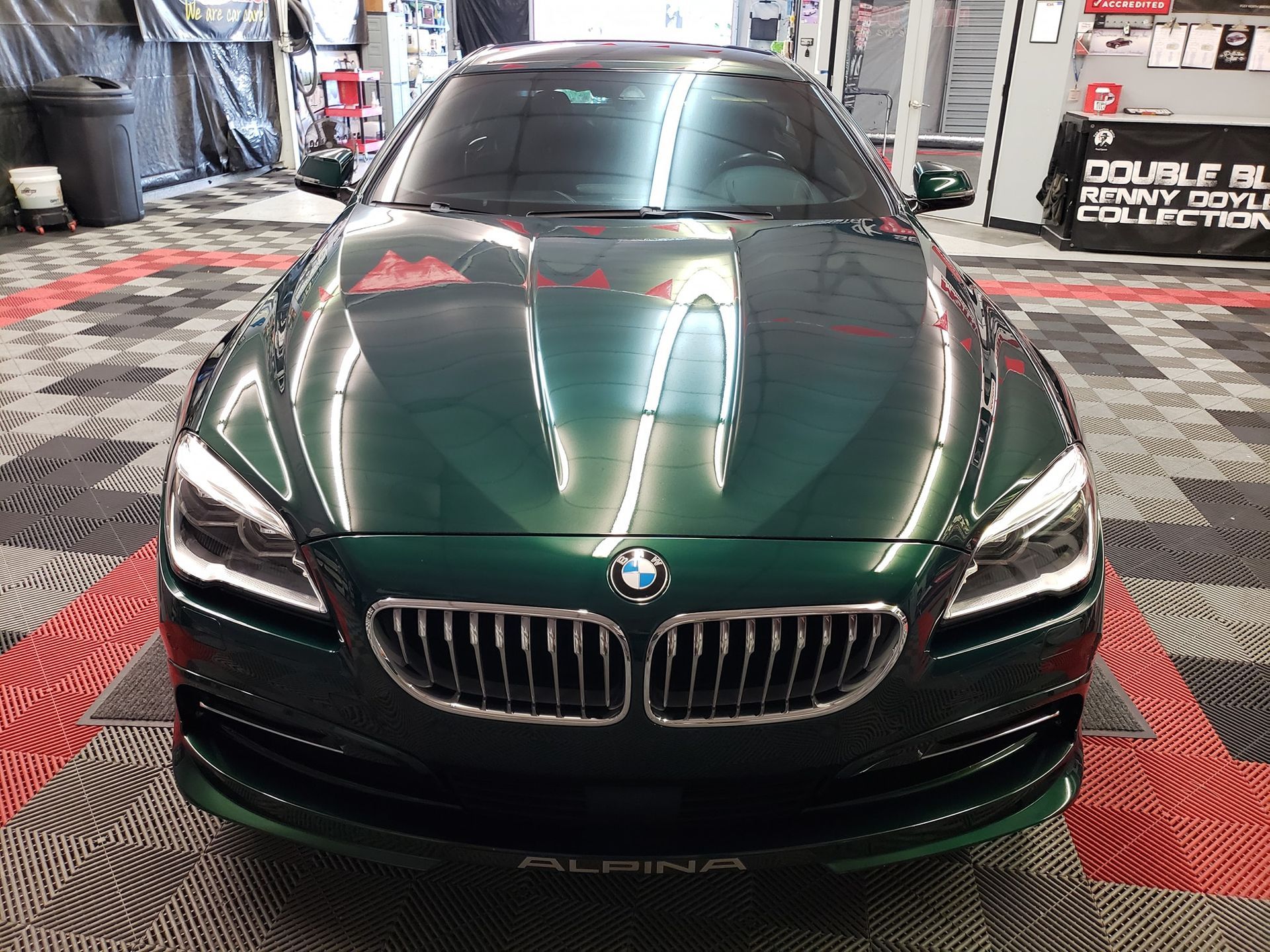
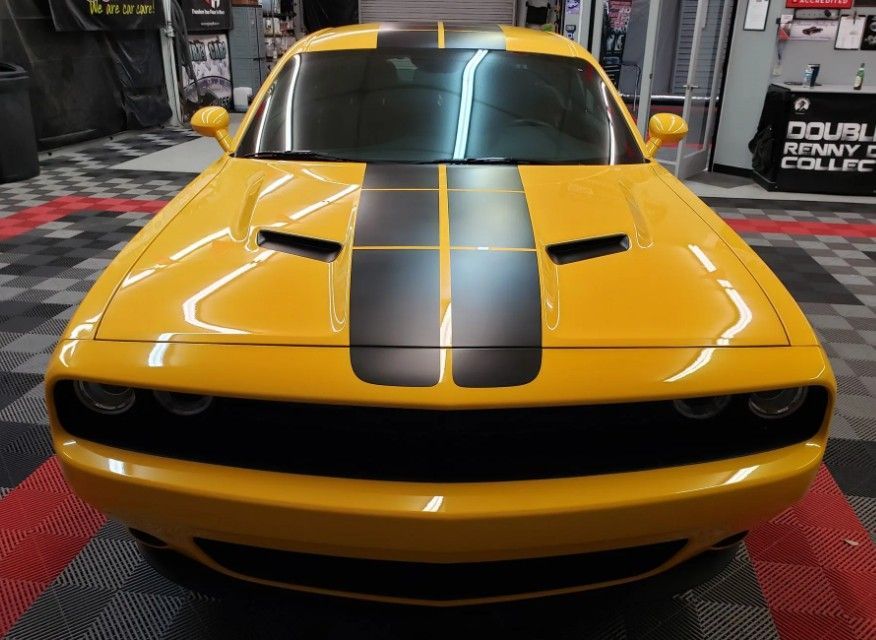
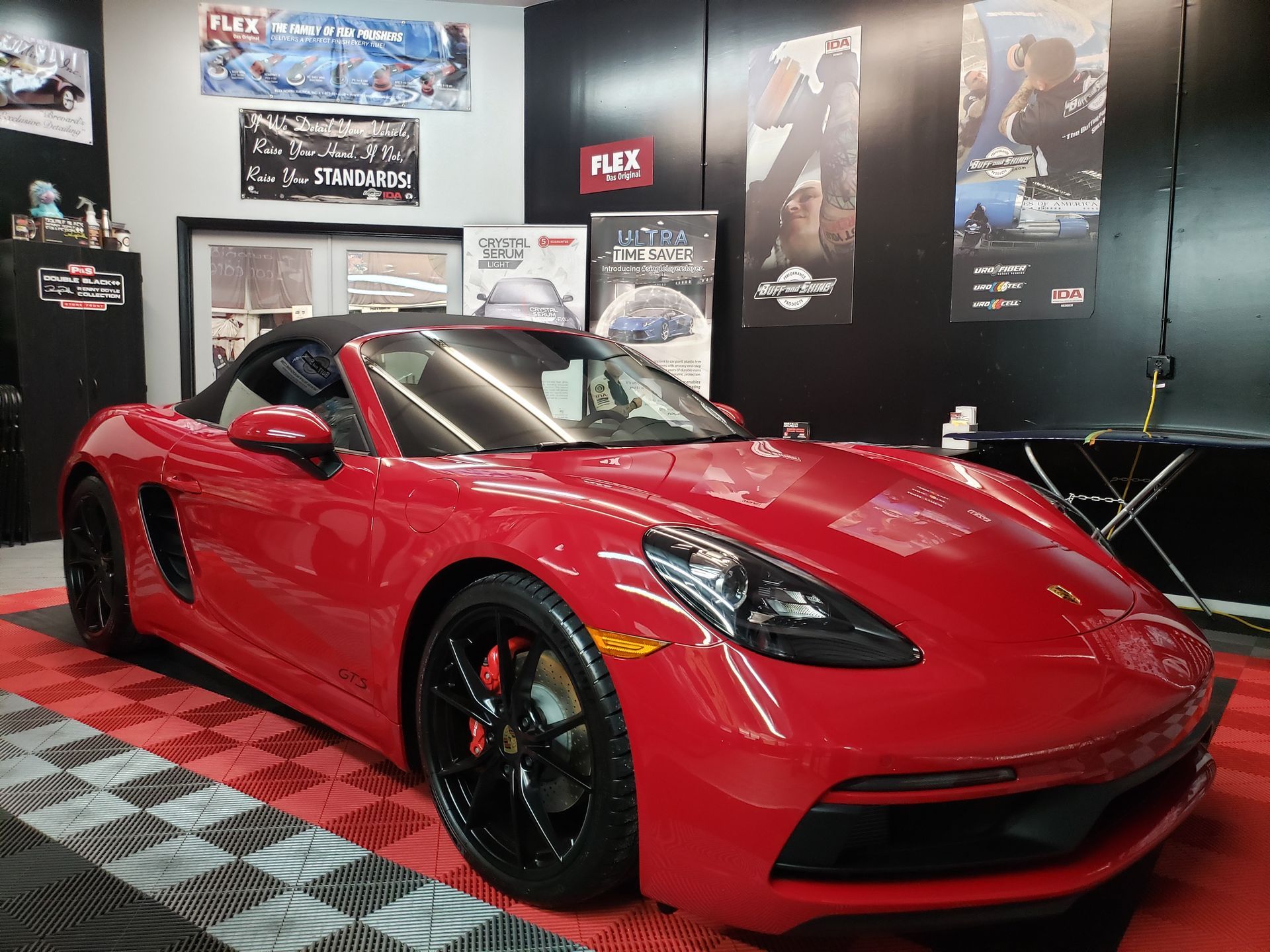
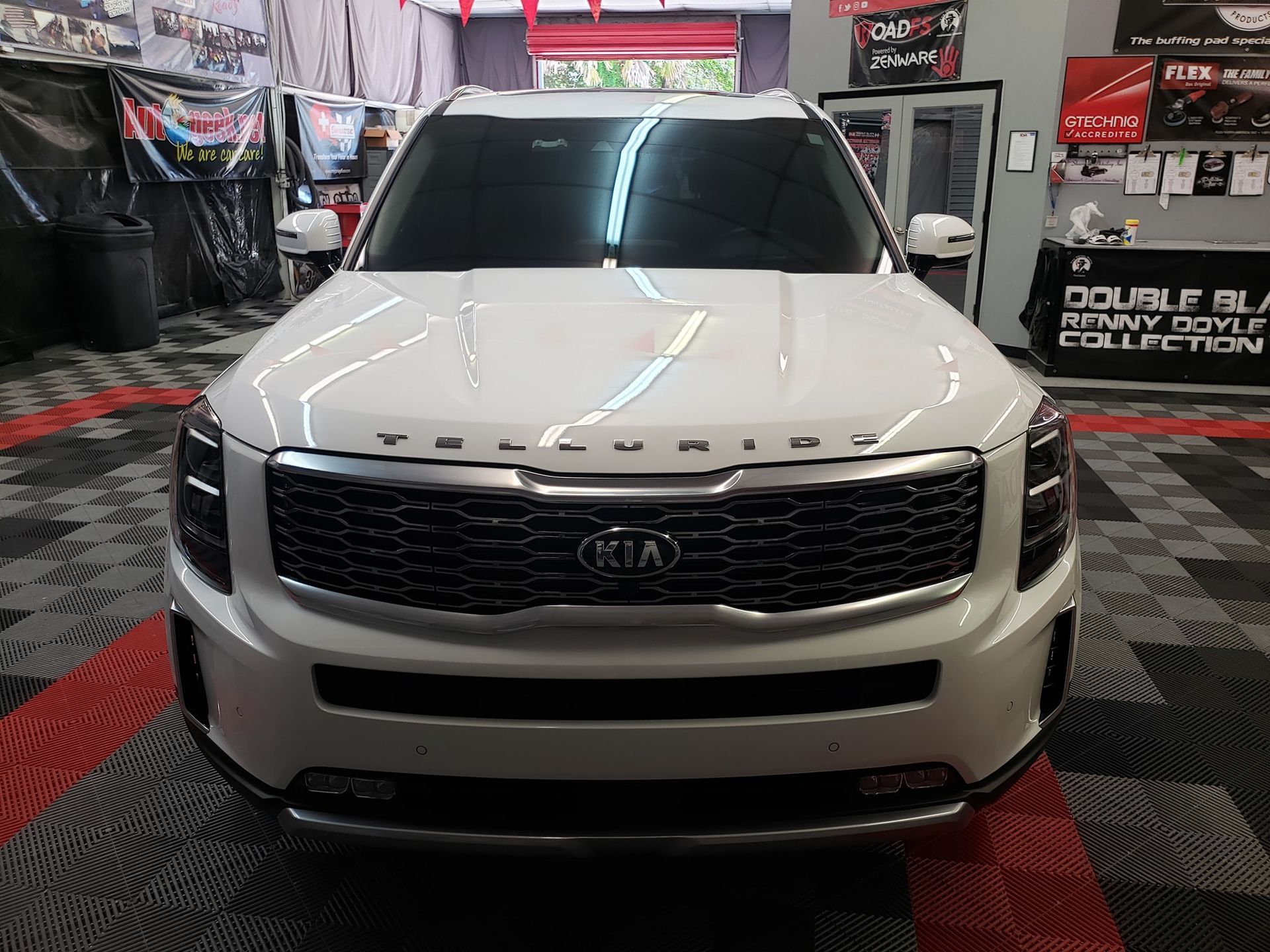
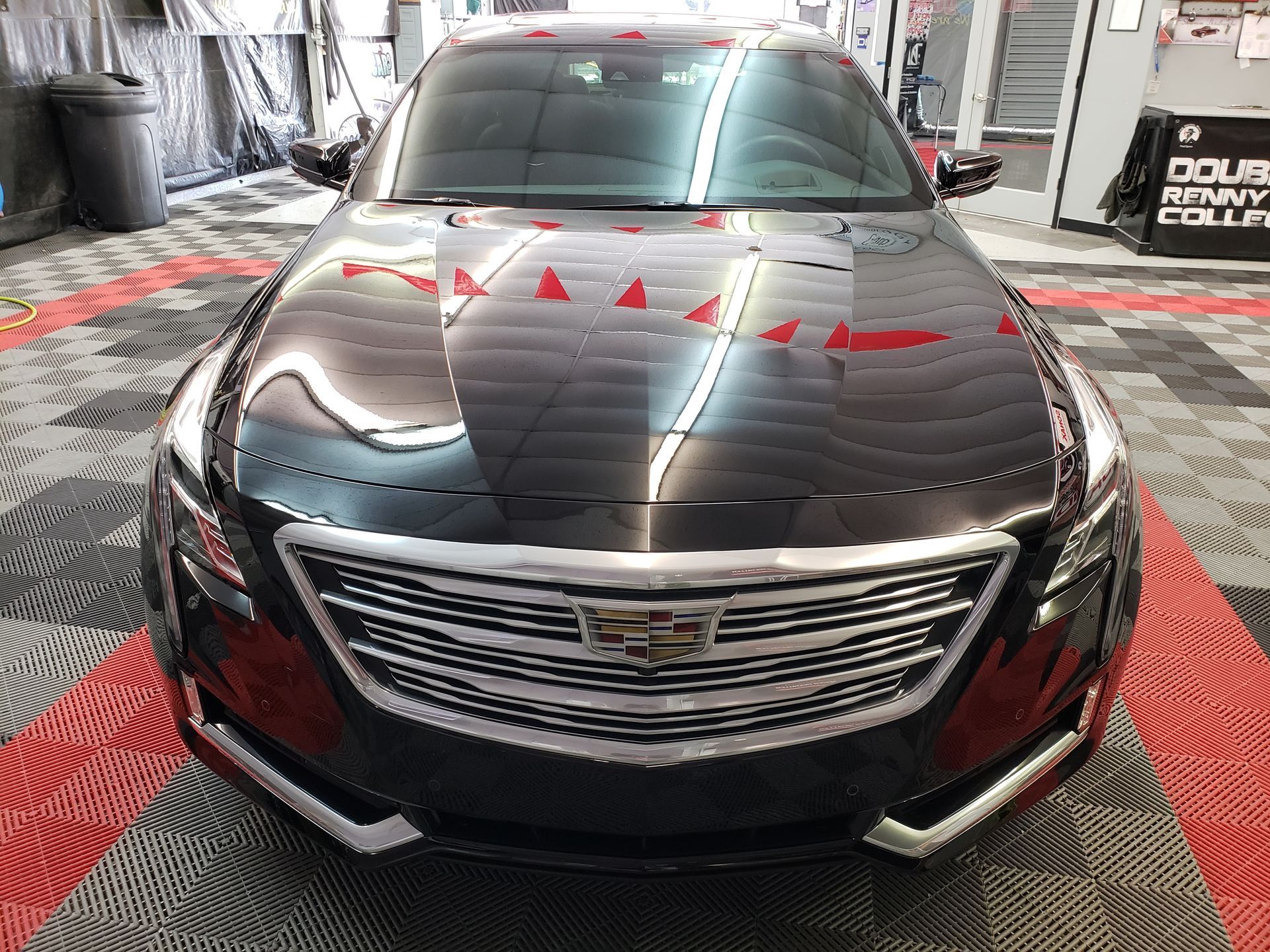
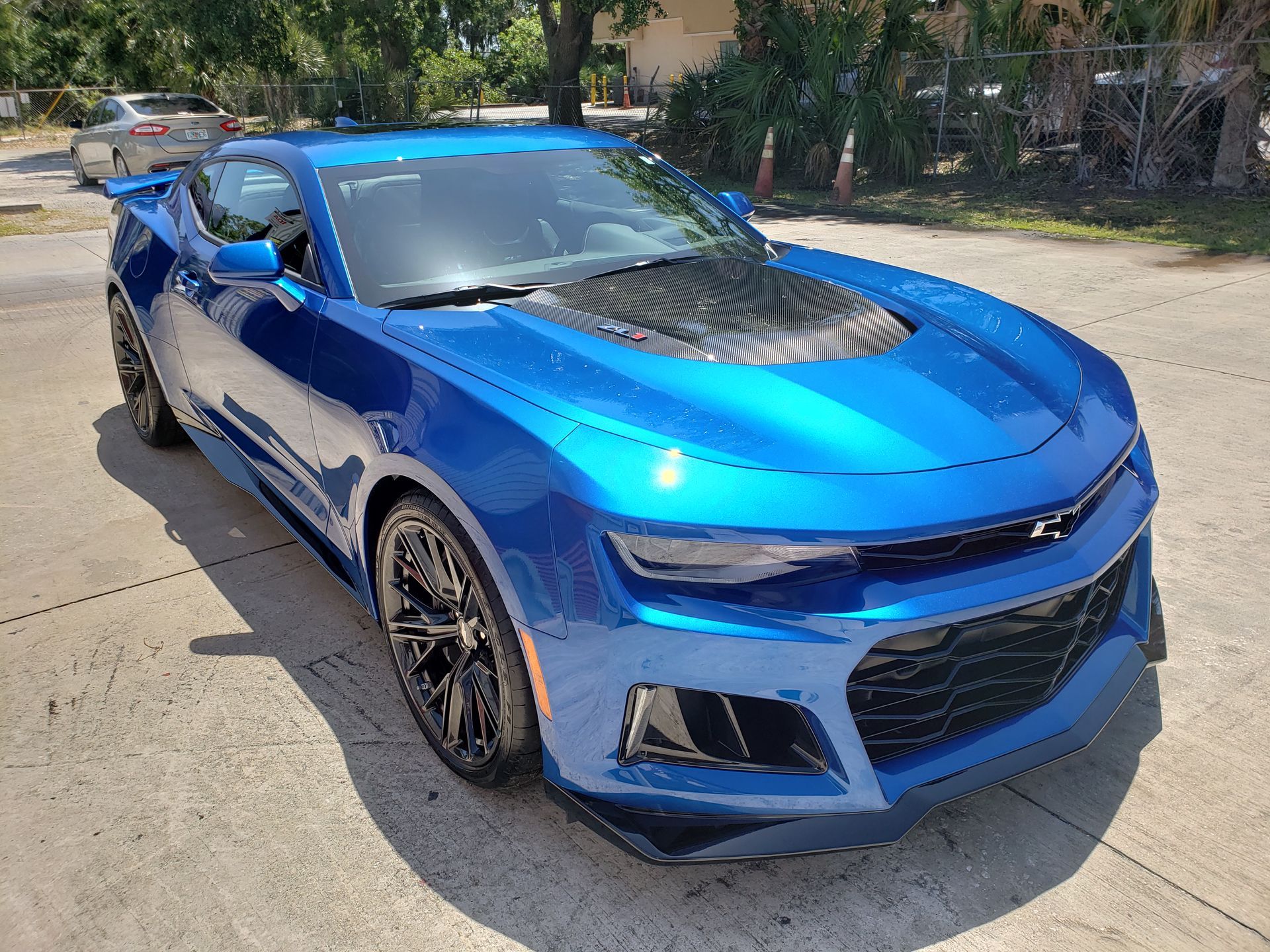
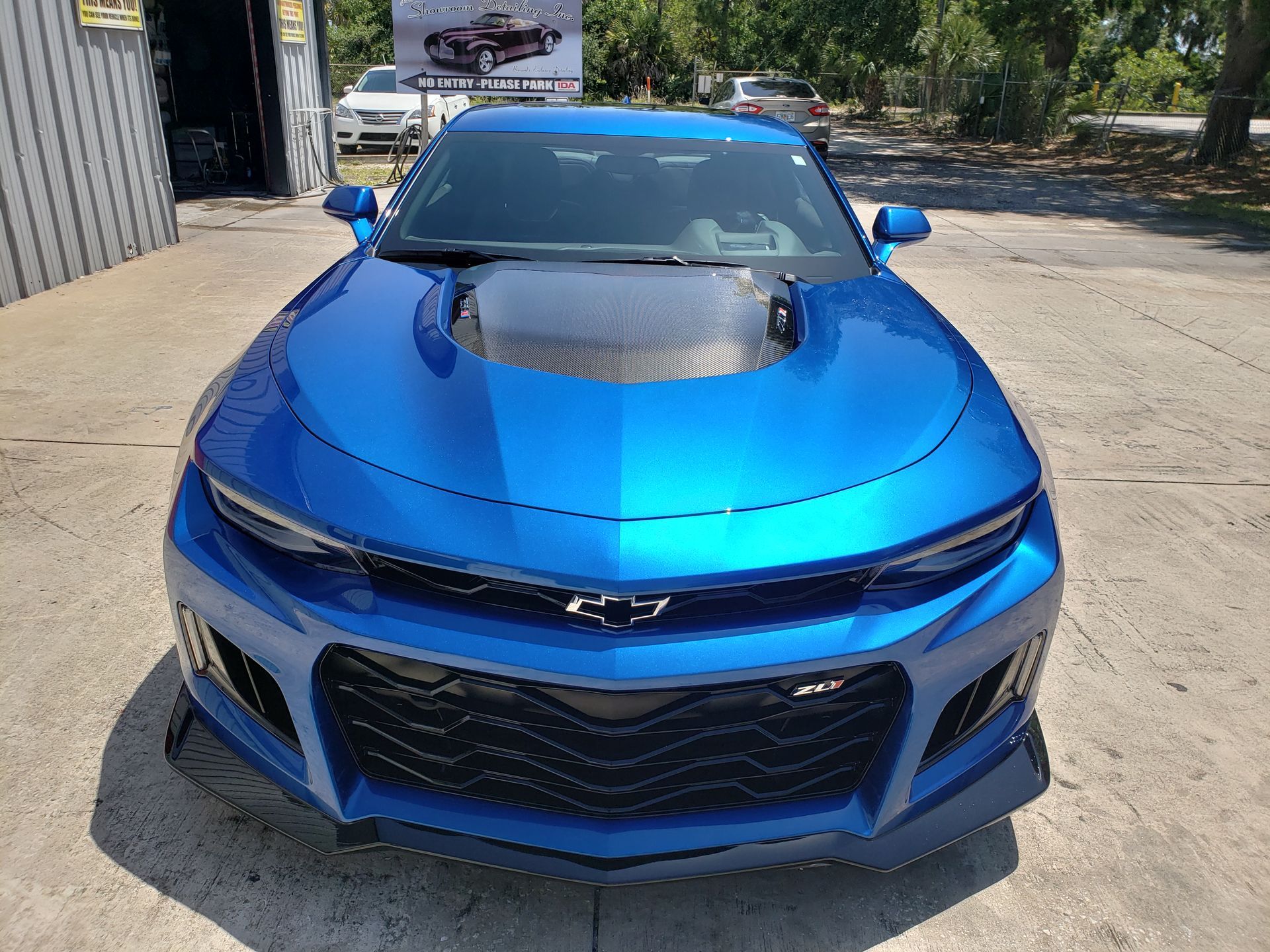
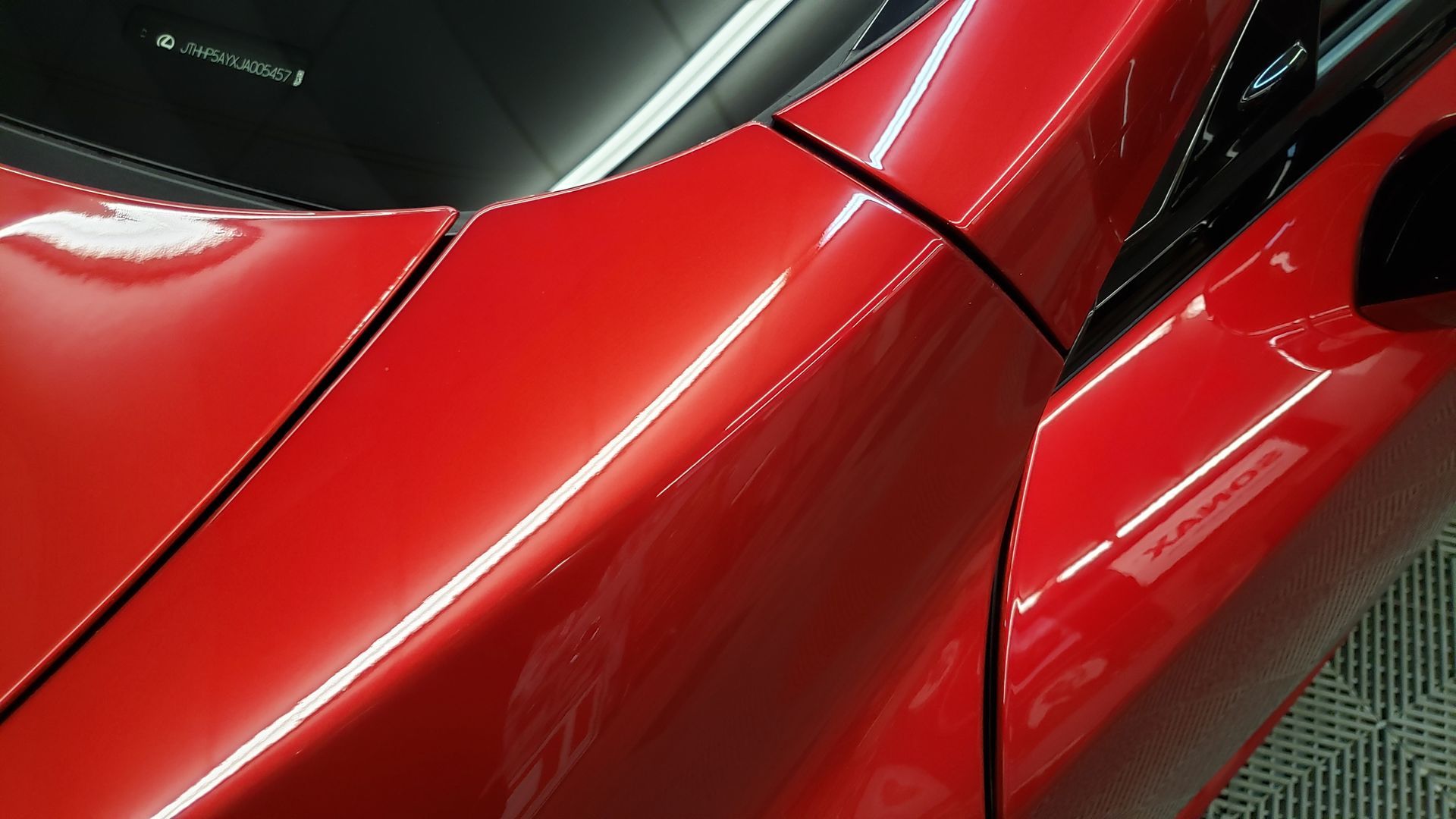
Beyond durability and protection, there's also something to be said for aesthetic value when considering ceramic coating for your vehicle. When professionally applied, a ceramic coating gives your car a stunning, glossy finish that resembles a mirror—an appearance that turns heads on the road. This shine goes beyond mere surface allure; it makes your car look almost brand-new for years after application. Not only does this enhance your enjoyment of the vehicle, but it also strengthens its resale value immensely. A well-maintained appearance is one of the top factors buyers consider when purchasing a used vehicle, making it a wise choice for those who plan to sell their cars down the line.
Having explored the robust advantages of ceramic coatings, it's clear that their role extends beyond functionality to significantly impact the overall aesthetic appeal and value retention of your vehicle. As we continue, let’s now focus on how professional coatings specifically provide these remarkable benefits.
Benefits of Professional Coating
One of the most significant advantages of ceramic coating is its protection from environmental damage. The hydrophobic nature of this coating repels water, ensuring that dirt, grime, and water spots are less likely to stick to your car’s paint.
Imagine driving through a rainstorm; instead of your vehicle being drenched with droplets that dry into unsightly spots, the water simply beads up and rolls off. This not only keeps your car cleaner for longer but also minimizes the need for frequent washes—which can save both time and money.
But there's more to this story than just aesthetics. Cost effectiveness is another compelling benefit. According to a survey by AutoWeek, vehicle owners reported saving an average of $300 per year on washes and detailing thanks to reduced dirt accumulation and easier cleaning. When you take your car to the detailing shop less often, you're not just pocketing savings; you're investing in its long-term appearance and protection. Cleaner cars last longer, both in terms of their physical components and cosmetic appeal.
And if you think about it, all these benefits tie back neatly to another key factor: resale value. Having a professionally coated car can significantly improve its resale value. Buyers are often willing to pay more for a vehicle that has been well protected. A car that shines and shows minimal wear sends a strong signal about how it has been cared for throughout its life. Prospective owners frequently perceive ceramic-coated vehicles as more reliable or in better overall condition. Their attractive appearance and maintained integrity allow sellers to position themselves at a higher price point in the market.
The many benefits highlight why investing in such a treatment is a smart move for any vehicle owner. With these advantages in mind, we can now explore the process involved in applying this protective coating.
How the Coating is Applied
The application of a ceramic coating is not merely a task; it’s an art form that requires patience and precision. Surface preparation is where the journey begins. A vehicle must be thoroughly washed to remove any dirt or debris that could interfere with the coating process. This first step often involves using a clay bar, a tool that feels almost like magic as it lifts away embedded contaminants from the paint's surface. Imagine gliding this smooth piece of clay over the car—its texture begins rough but transforms to something impossibly slick as it pulls off grime.
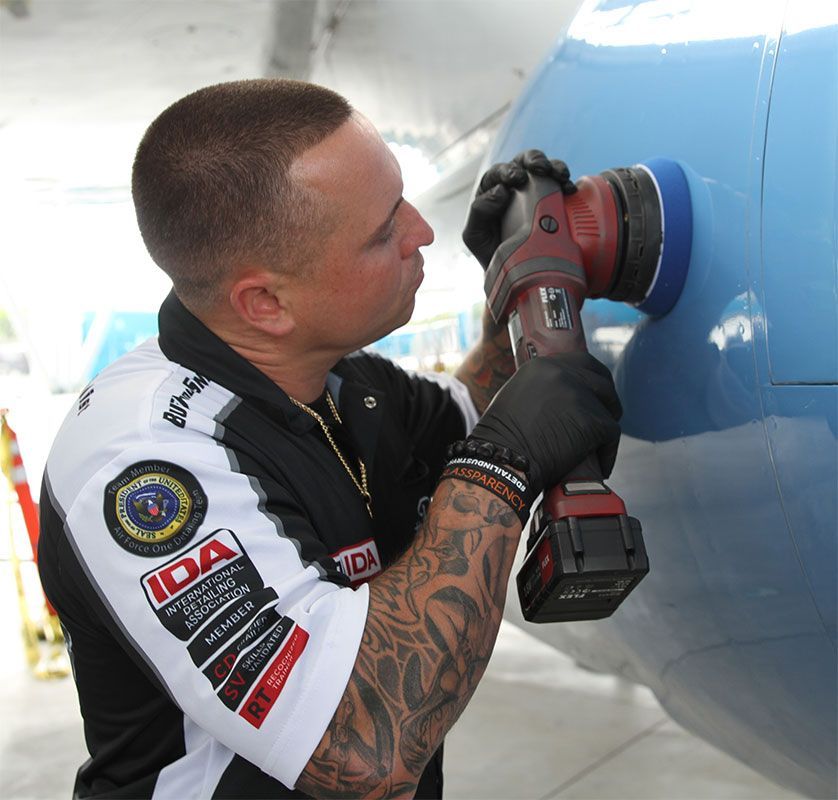
Once the surface is primed for greatness, the next phase comes into play: paint correction. During paint correction, any imperfections such as scratches or swirl marks are meticulously polished out. Think of this process as bringing the shine back to your vehicle’s surface while also prepping it for what’s to come. Technicians delicately assess every inch of the paint, buffing and polishing until achieving a flawless base. If you want an immaculate finish, don't rush through this phase—each blemish could compromise the bonding of the ceramic coating later on.
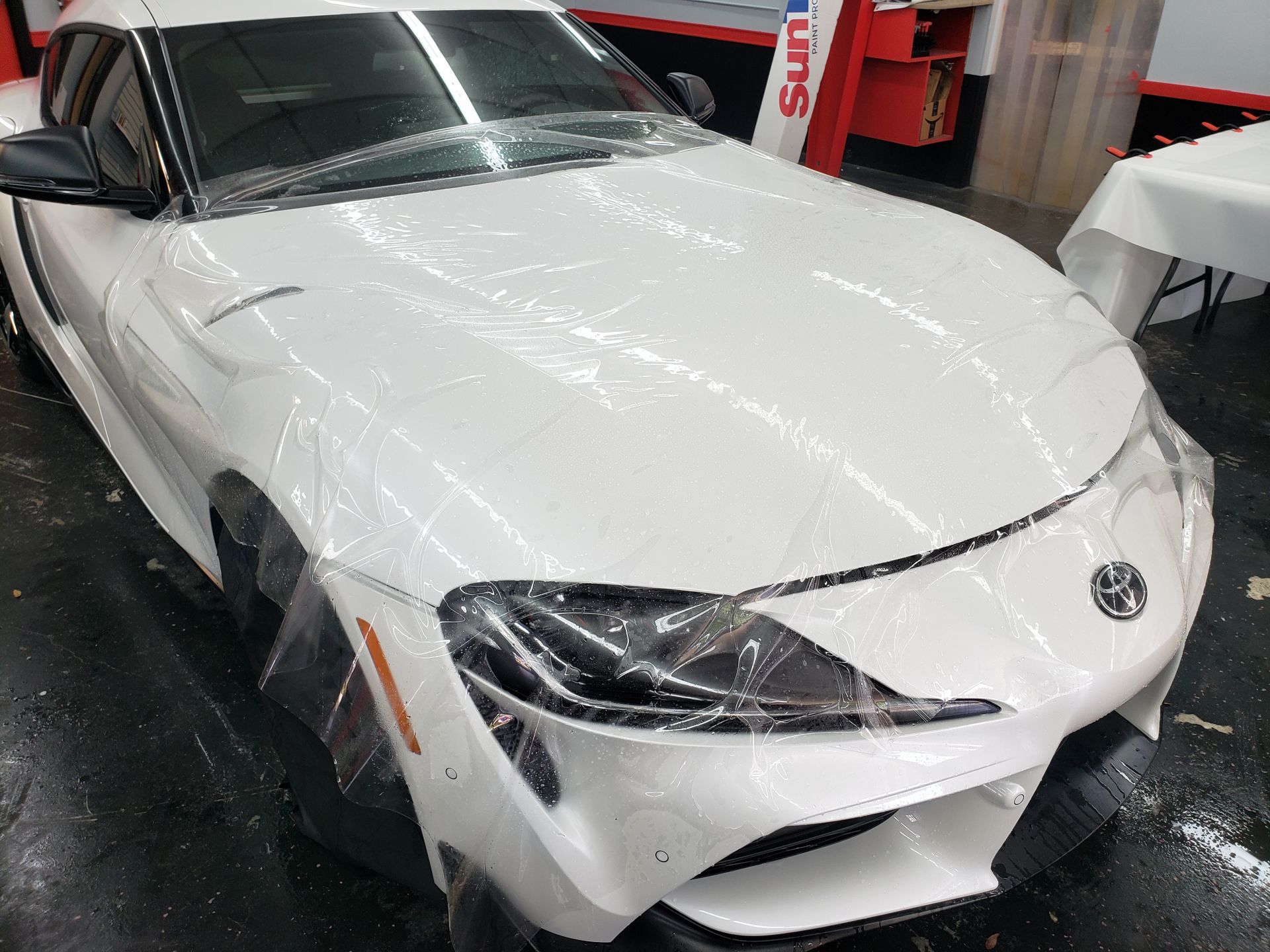
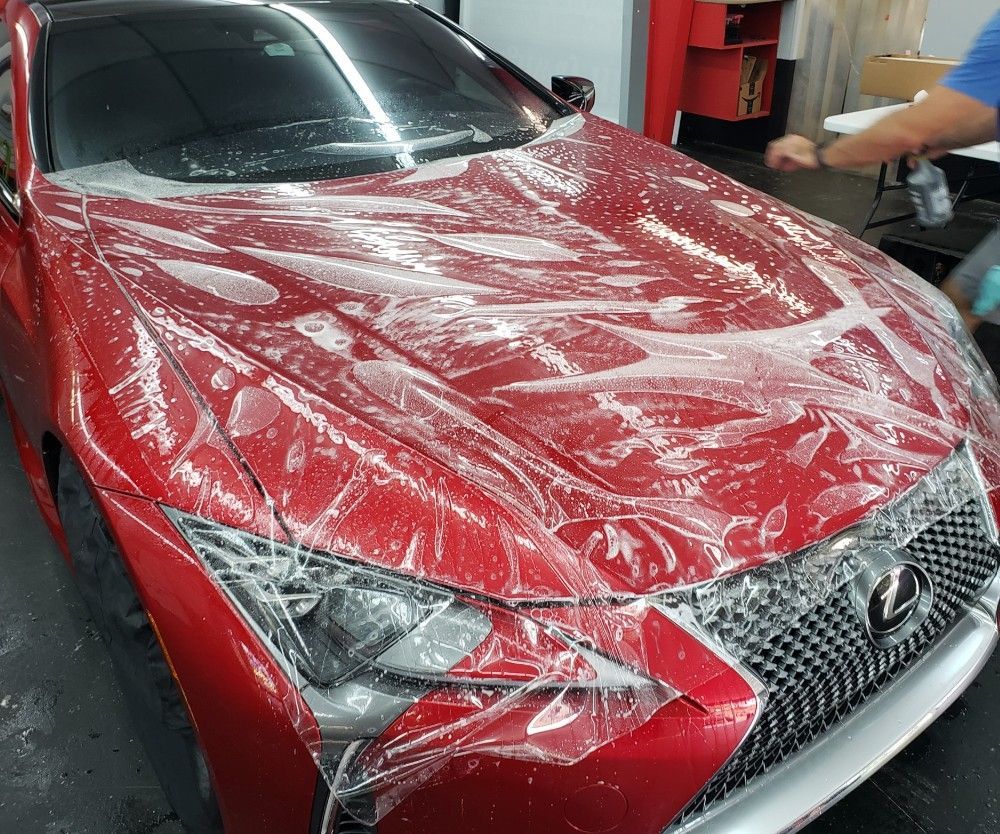
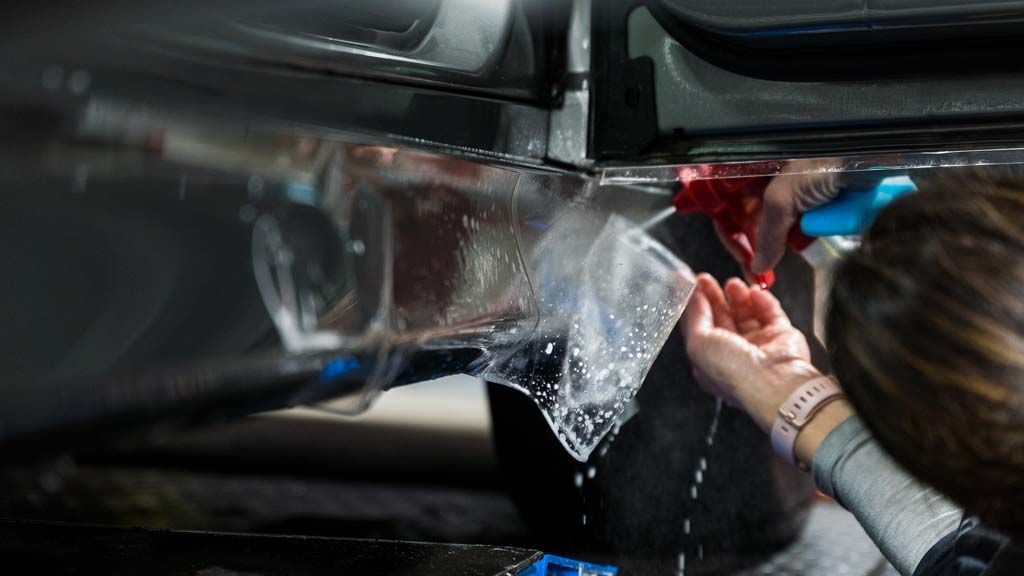
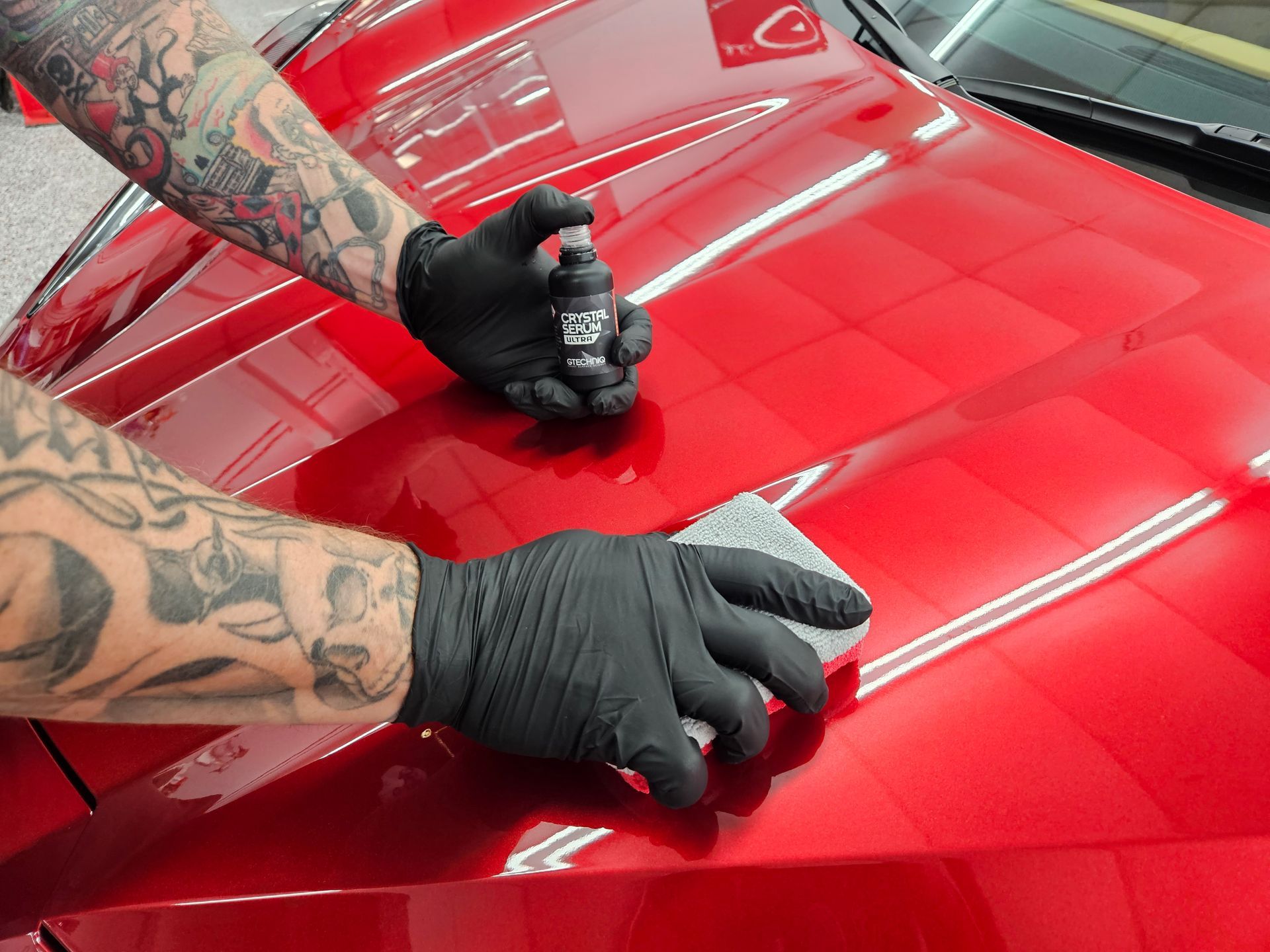
Having created a perfect canvas, it's now time for the coating application. Applying the ceramic coating itself requires an applicator pad or sponge, which technicians typically use to ensure coverage. It’s essential to apply even layers across all painted surfaces because uneven application can create variations in appearance and protection. Working systematically, they cover panels one at a time, maintaining focus and concentration throughout. Remember, the quality of the application determines how well that beautiful layer will perform under pressure from elements like UV rays and chemical exposure. After everything has been applied evenly, we arrive at an important stage that shouldn’t be overlooked: curing.
The curing process allows the ceramic coating to bond with the vehicle's paint. This phase can take anywhere from several hours to multiple days depending on the specific product used. Patience is key; the longer you let it cure, the stronger and more resilient that protective layer becomes. Keep your vehicle parked in a controlled environment during this period; avoid rain or extreme temperatures, as they could disrupt this crucial bonding phase.
As these stages unfold, you'll find each element contributes significantly to enhancing not just aesthetics but also protection against daily wear and tear. Now, let's shift our focus to examining various methods available for safeguarding your vehicle's paint.
Comparing Protection Methods
When it comes to protecting your vehicle’s paint, it's vital to weigh your options carefully. Each method has its unique advantages and limitations that can directly affect the longevity and appearance of your car’s finish. Among the most popular forms of protection are wax, paint sealants, and ceramic coatings, but how do they stack up against each other?
Wax vs. Ceramic Coating
The age-old debate between using wax or ceramic coating primarily revolves around durability and effectiveness. While wax is easy to apply and offers some shine, it simply cannot compete with the rigorous durability of ceramic coatings. A good-quality wax may provide some basic protection from environmental contaminants, but it will wear off quickly, requiring frequent reapplications. In contrast, ceramic coatings bond with the paint on a molecular level, providing long-lasting protection that can extend several years if maintained properly. While wax has its benefits, ceramic coating offers a superior level of protection not just from dirt but also from fading due to UV exposure.
Paint Sealants vs. Ceramic Coating
When comparing paint sealants to ceramic coatings, the differences become even clearer. Paint sealants can indeed last up to a year; however, they typically lack the powerful UV and chemical resistance provided by ceramic coatings. While sealants are often easier to apply than ceramic coatings since they usually only require polishing the vehicle before application, they fall short in providing lasting peace of mind against harmful elements.
The choice between paint sealants and ceramic coatings boils down to what you wish your vehicle’s surface to endure. If you're after prolonged protection—especially if you frequently expose your car to harsh chemicals or weather conditions—ceramic coating would be the more robust option. This selection is truly an investment in safeguarding your vehicle's aesthetic appeal for many years ahead.
By thoroughly examining the pros and cons of each method, you'll better understand which option suits your vehicle's needs and your lifestyle preferences. Next, we can explore how this investment translates into long-term value.
Investment Worthiness
When considering whether professional ceramic coating is worth your hard-earned cash, it’s crucial to weigh its long-term benefits against the upfront costs. Sure, the price tag may raise eyebrows at first glance, but understanding how ceramic coatings can radically shift your car care routine can illuminate their true value.
One of the primary reasons many opt for this treatment is the necessity for reduced maintenance over time. A properly applied ceramic coat acts as a formidable shield against harmful contaminants like dirt, bird droppings, and road salt. Unlike traditional wax finishes that may wear off quickly, ceramic coatings can last for years, thanks to their robust molecular structure that forms a bond with your vehicle's paint. As a result, you spend less time worrying about frequent waxing and detailing and more time enjoying your vehicle. With this protective layer in place, you’re potentially saving hundreds—if not thousands—on maintenance costs over the lifespan of your car.
Now consider that each time you skip waxing because your vehicle still looks pristine thanks to the coating, you're saving both time and money. The convenience factor alone is a massive selling point; no longer do you need to fit into a schedule that includes regular detailing appointments or rentals of cleaning machines. Moreover, when it comes time to sell your vehicle, potential buyers will often pay a premium for cars with well-preserved finishes. This means ceramic coatings don’t just protect—they enhance resale value too.
While the initial outlay may seem high, integrating professional ceramic coating into your vehicle maintenance plan translates into tangible savings and considerable protection in the long run. With this understanding of the benefits of ceramic coatings, it's important to also consider how to ensure their longevity and effectiveness through proper upkeep practices.
Maintenance and Care Tips
Maintaining a ceramic-coated vehicle is simpler than traditional paint care systems, but it still deserves your attention. Your car’s paint job will not be invincible just because it has a ceramic coating; rather, it’s like giving your vehicle a strong shield that still requires regular upkeep. As the saying goes, "An ounce of prevention is worth a pound of cure." Regular washing and quick action against stubborn contaminants can significantly extend the life of that protective layer.
- Regular Washing: One of the first steps to keeping your ceramic coating intact is using a pH-neutral car shampoo. This type of cleaner effectively lifts dirt without breaking down the protective layer. Even a high-quality wax can alter the properties of the ceramic coating over time, so always opt for products specifically designed to maintain such surfaces. Aim to wash your car every two weeks—this regimen can prevent contaminant buildup and keep your vehicle looking pristine.
- Avoid Automatic Car Washes: Understanding how certain brushes can harm the ceramic coating is equally important. Many automatic car washes use harsh materials that can create micro-scratches on the surface. Instead, I recommend embracing the hands-on approach with soft mitts or microfiber cloths, ensuring you gently clean away dirt without compromising the ceramic layer. Taking a little extra time for hand washes not only protects my vehicle but also turns into a moment of mindfulness as I appreciate my care for it.
- Prompt Removal of Contaminants: Even with exceptional protection from ceramic coatings, certain environmental factors like bird droppings and tree sap can pose threats to your finish. The key here is to act quickly. Remove these contaminants as soon as you notice them because they can etch into the coating and compromise its integrity.
A staggering 85% of ceramic coating failures are attributable to improper maintenance, according to AutoDetailing 101. This statistic emphasizes how vital it is to adhere to these guidelines if you want your investment to stand the test of time. Proper care ensures that you continue reaping the benefits: not only will your vehicle look fantastic, but you'll also protect its value long-term.
By committing to these maintenance tips, you'll make sure that your ceramic coating remains a worthy investment in both style and protection, allowing you to enjoy driving a beautifully maintained vehicle for years to come. In summary, investing time in proper maintenance will ensure that your vehicle retains its aesthetic appeal while safeguarding its future resale value. Prioritizing these practices makes all the difference.
Transform Your Ride with Premier Ceramic Coating Services
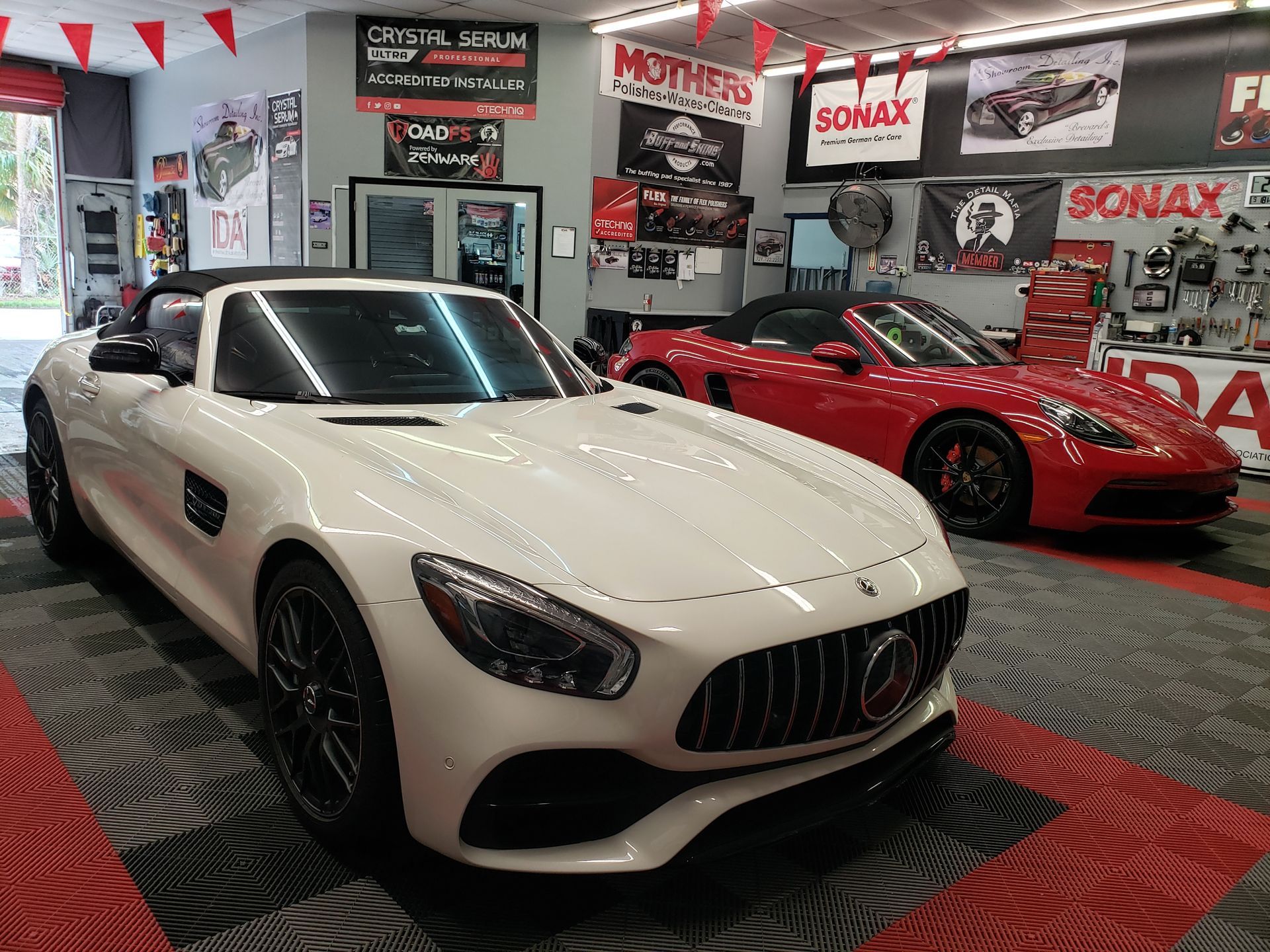
Protect your vehicle and maintain its flawless finish with JL’s Showroom Auto Salon’s top-rated ceramic coating services in Melbourne, FL. Our expert technicians apply cutting-edge products that shield your car from the harsh elements, ensuring long-lasting protection against UV rays, road debris, and water stains. Experience the difference of superior gloss and a smooth, hydrophobic surface that keeps your car looking pristine for years. Trust us to provide unmatched care and precision—schedule your appointment today and enjoy a showroom-worthy shine every time you drive.