Live From SEMA 2016 with Justin Labato and Darren Priest
November 8, 2016

Click on the link to listen to The Auto Detailing Podcast, featuring the owner of JL’s Showroom Detailing – Live From SEMA 2016 with Justin Labato and Darren Priest
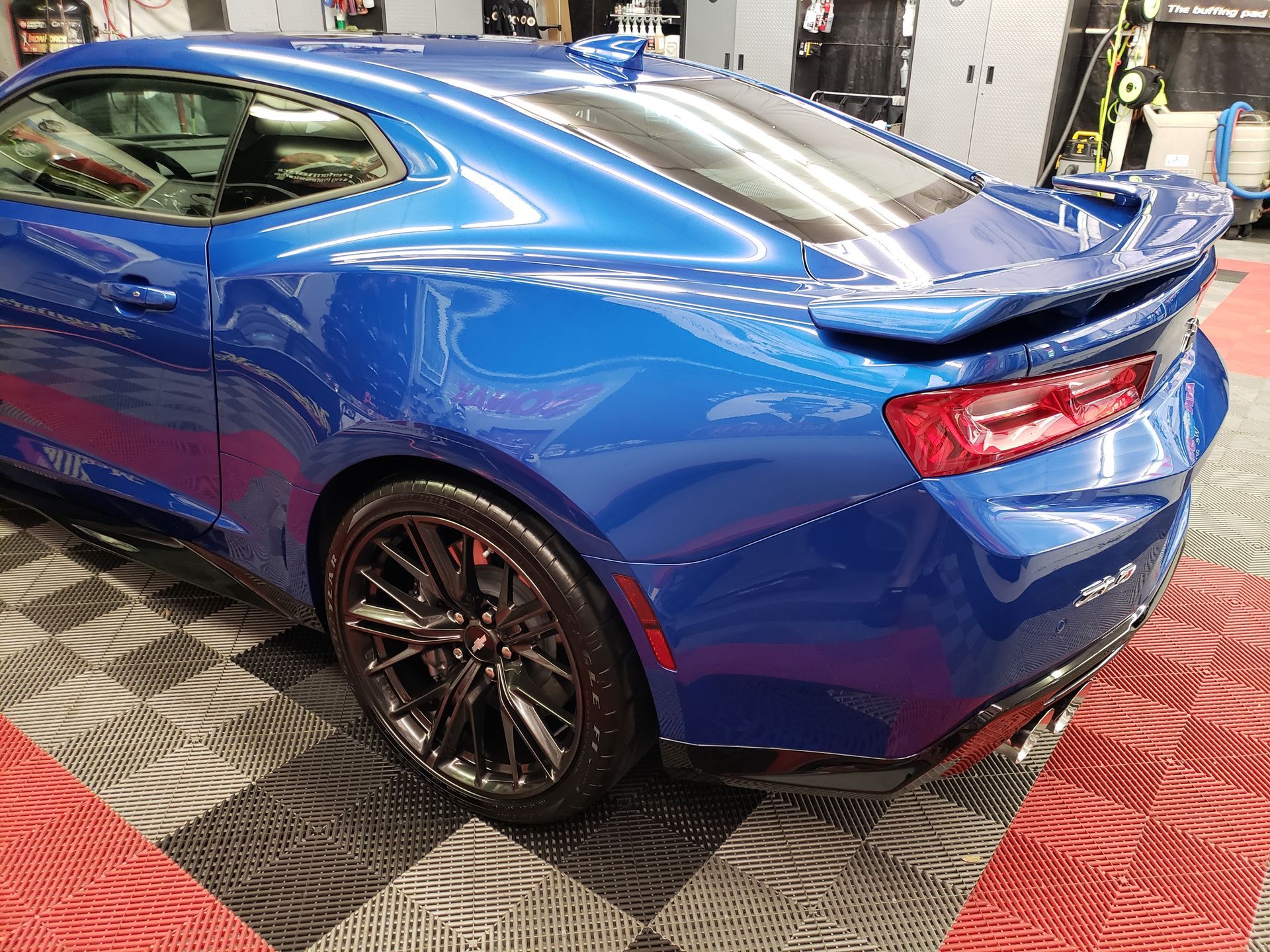
Avoid the five mistakes that cost Melbourne drivers the most on paint protection. JL's Showroom Auto Salon explains coatings, PPF, tint, and care. Call (321) 723-6976.
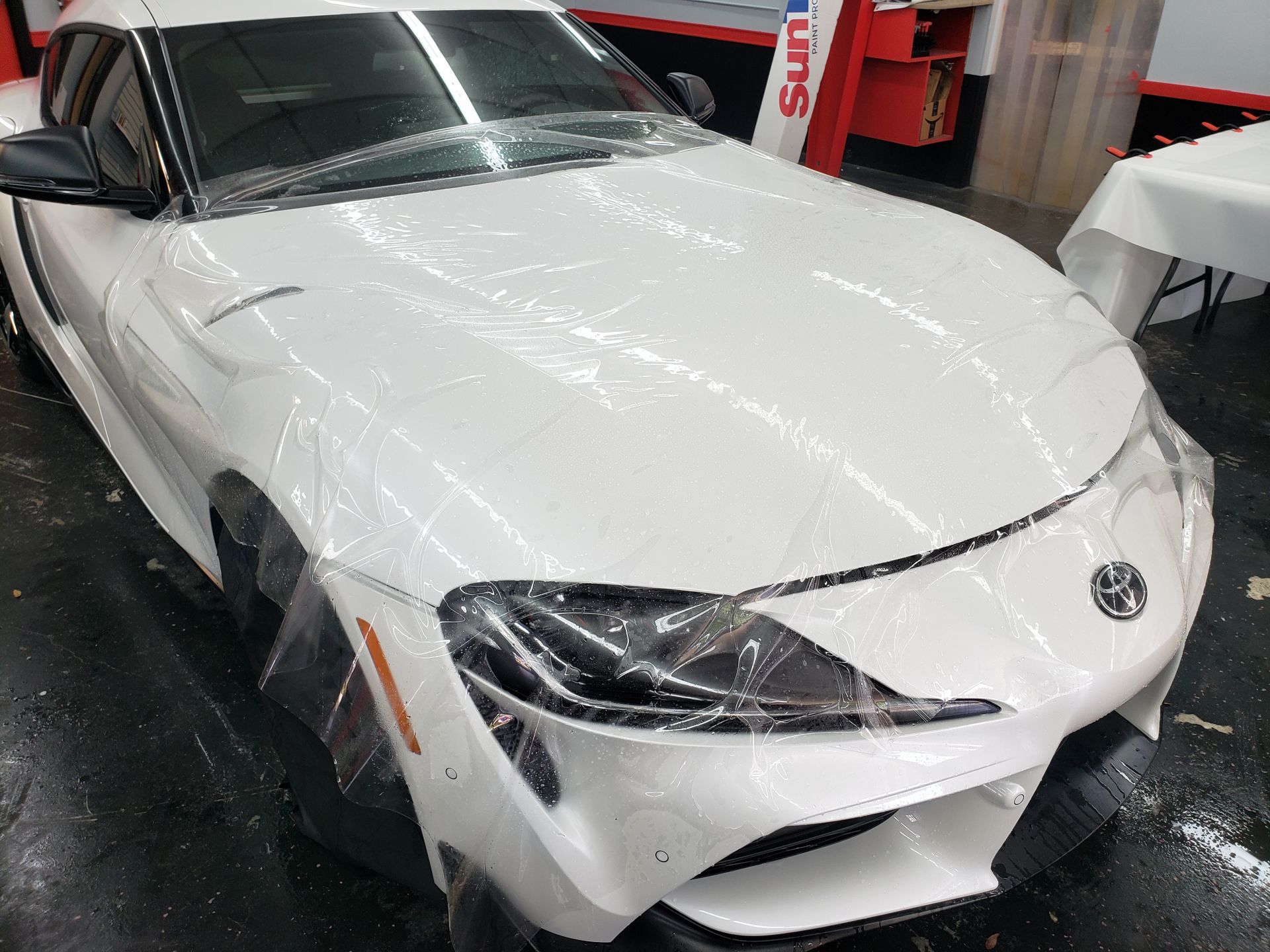
Proper prep decides how PPF and ceramic coating perform. JL's Showroom Auto Salon explains decontamination, paint correction, and what to do before your appointment.
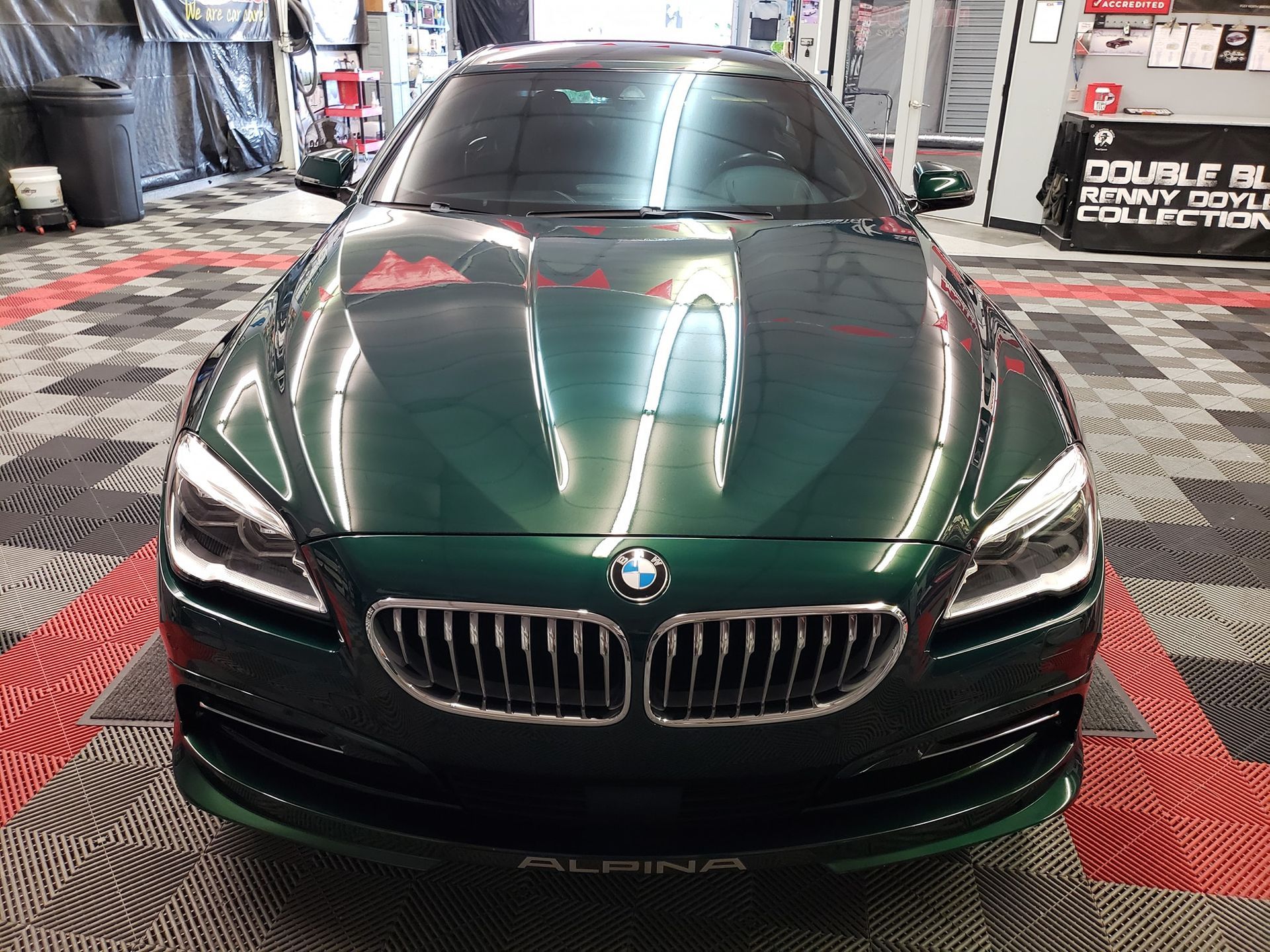
Learn whether you can polish a ceramic coated car, how to maintain ceramic protection safely, and tips to preserve gloss, durability, and shine.
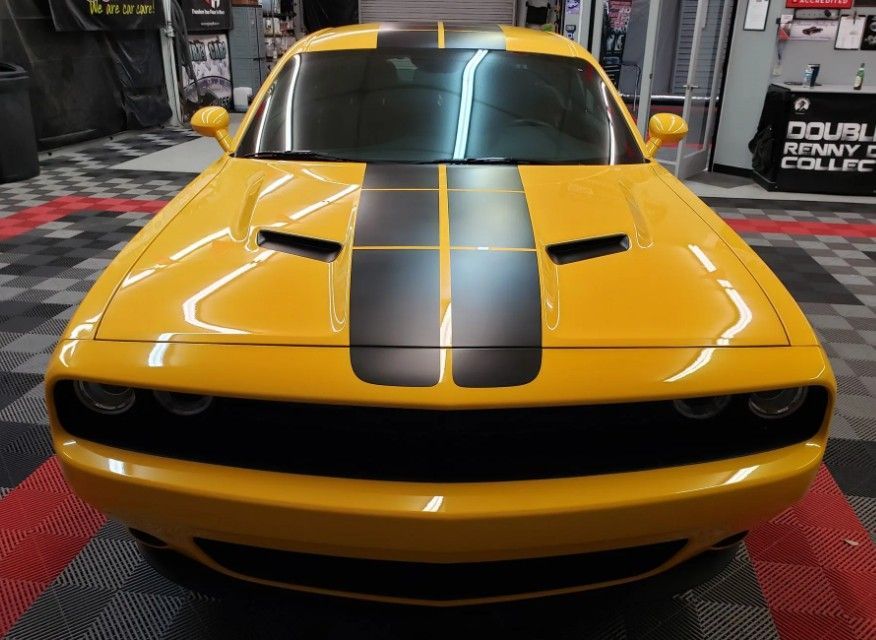
Learn how PPF thickness affects vehicle protection, gloss, durability, and appearance. Discover the ideal paint protection film thickness for your car.
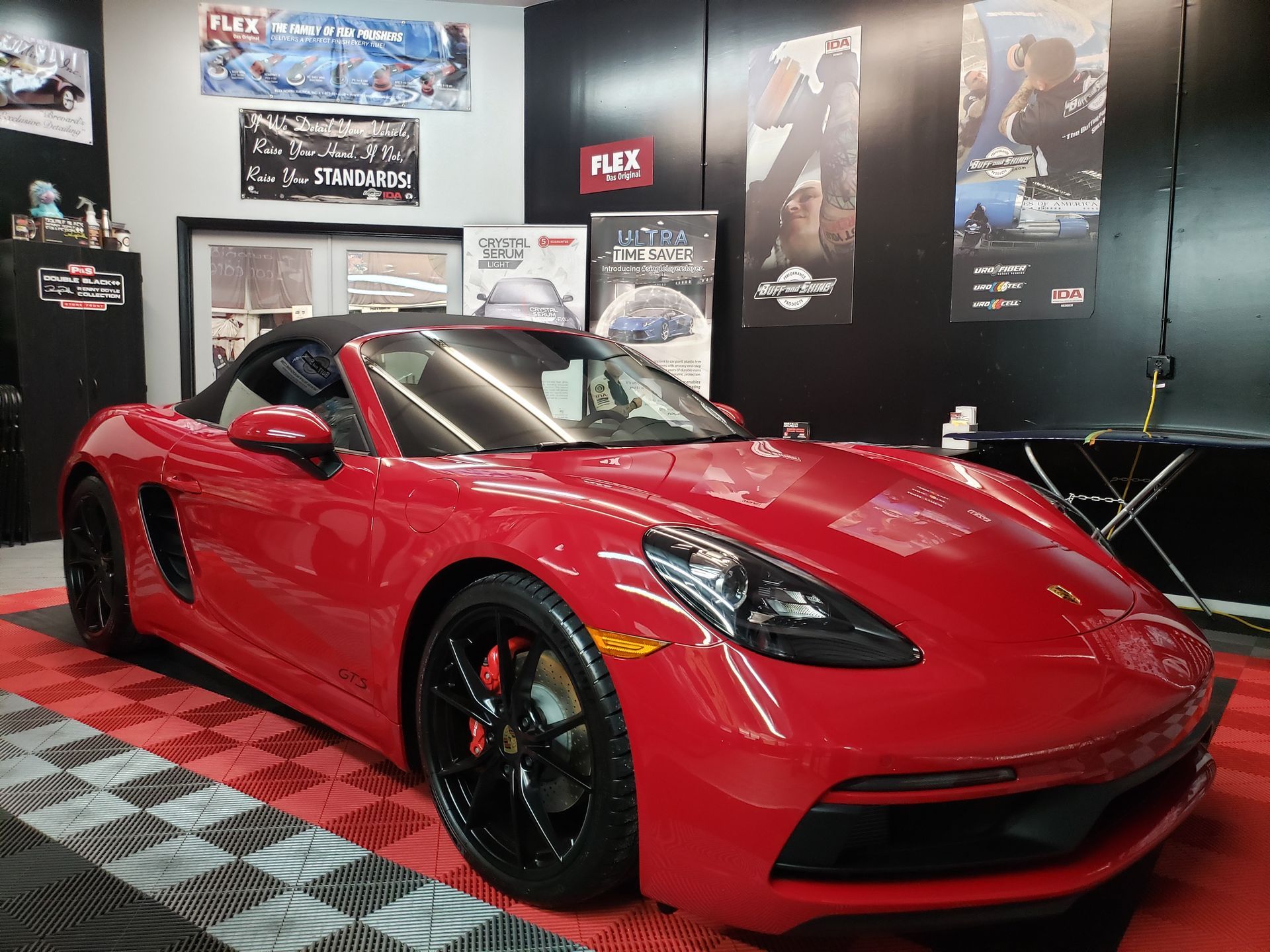
Learn how snow, ice, and road salt affect PPF performance. Discover winter care tips to protect your paint protection film and extend durability.
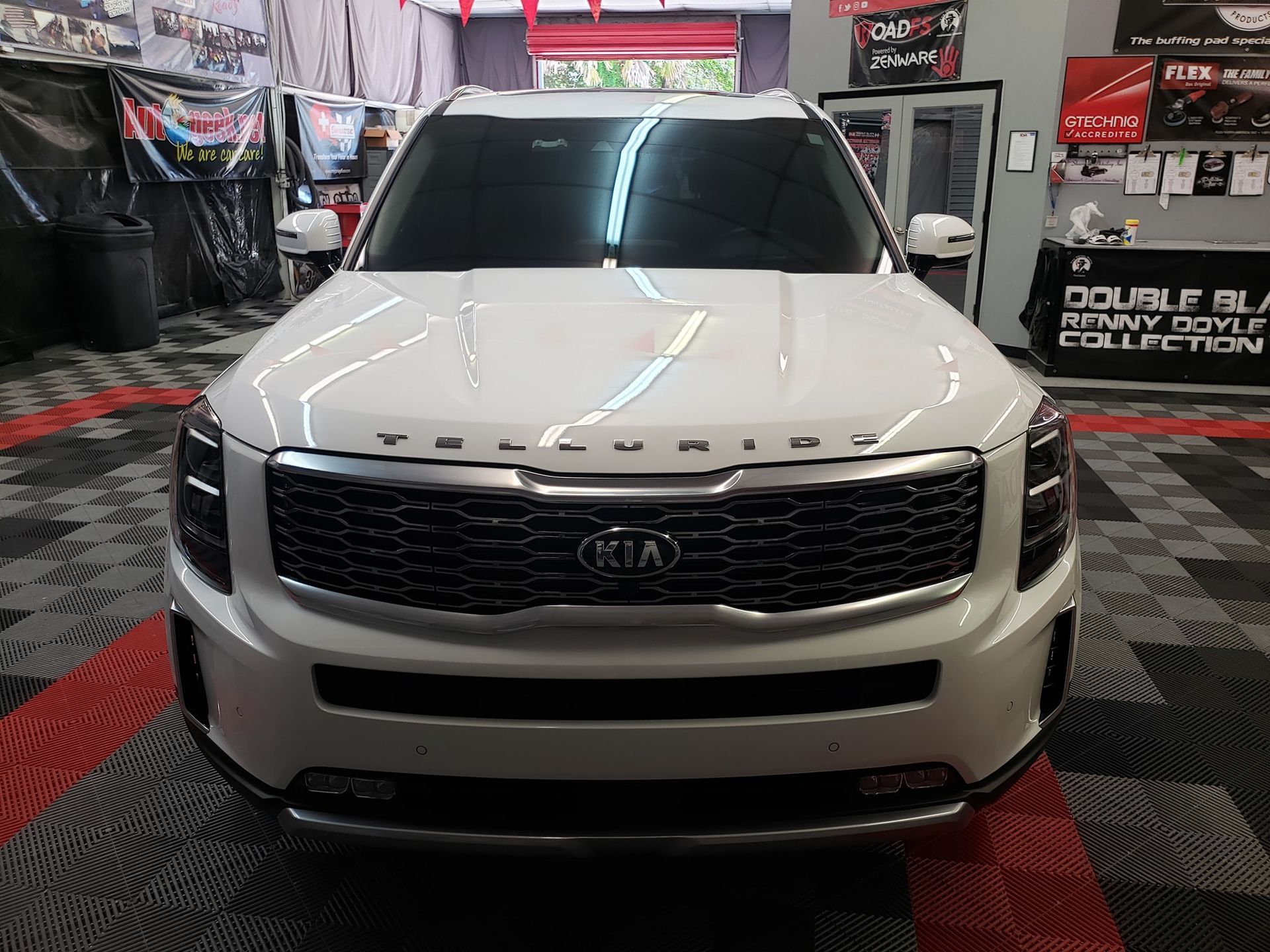
Discover the best paint protection for garage-kept vs daily driven cars. Compare ceramic coating, wax, and PPF for lasting shine and durability.
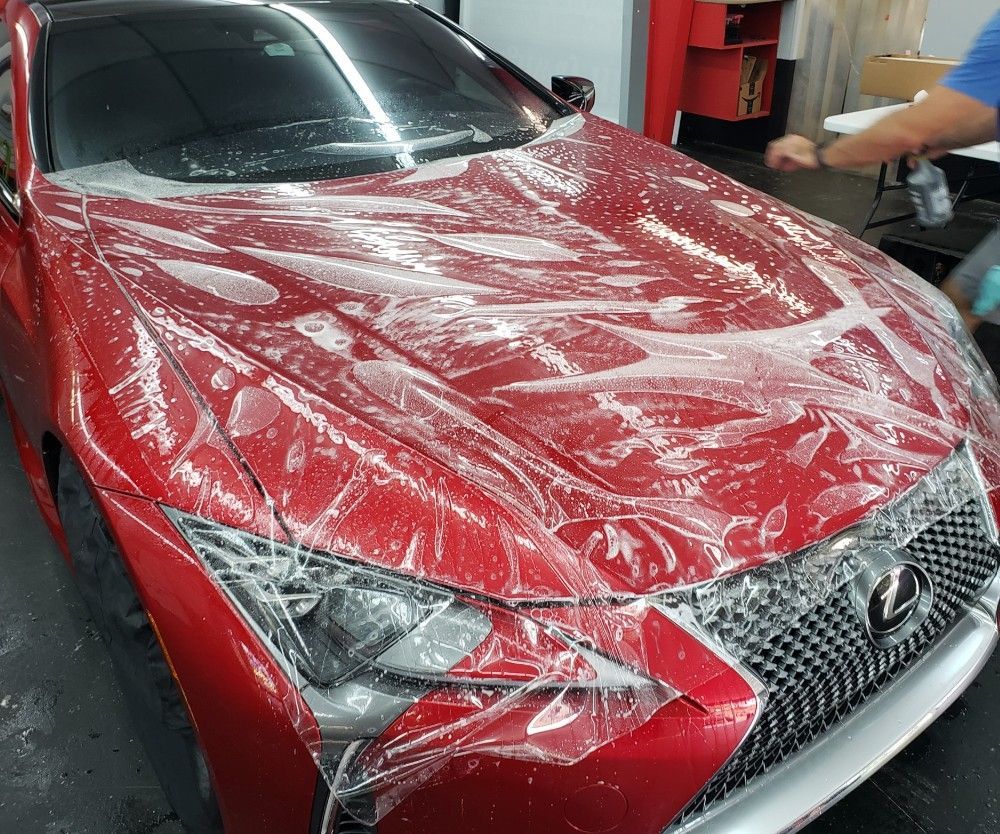
Compare partial front and full body PPF coverage, costs, durability, and benefits to choose the best paint protection for your vehicle.
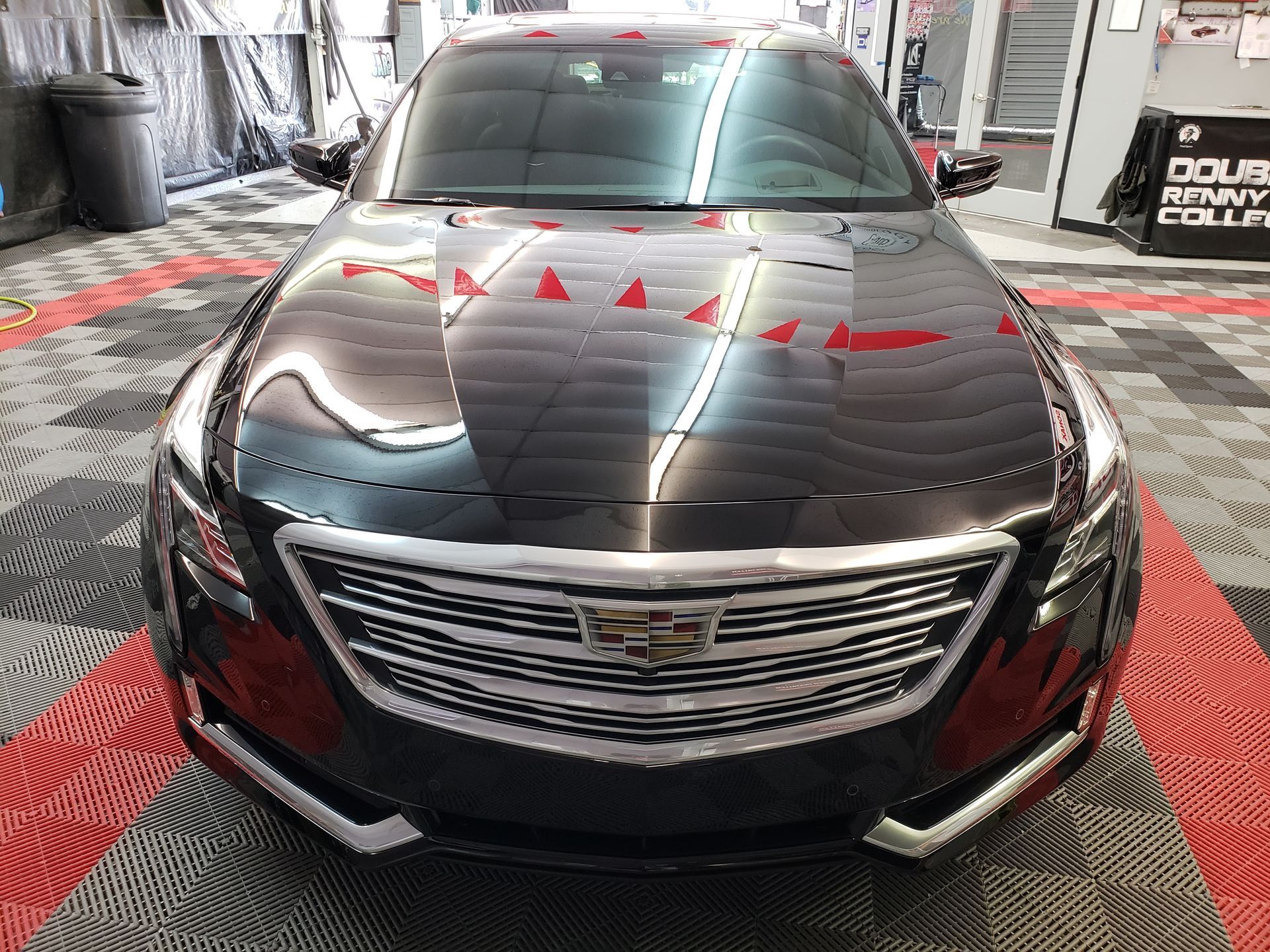
Learn whether ceramic coating can be layered, how multiple coats affect durability, gloss, and protection, and if it's worth it.
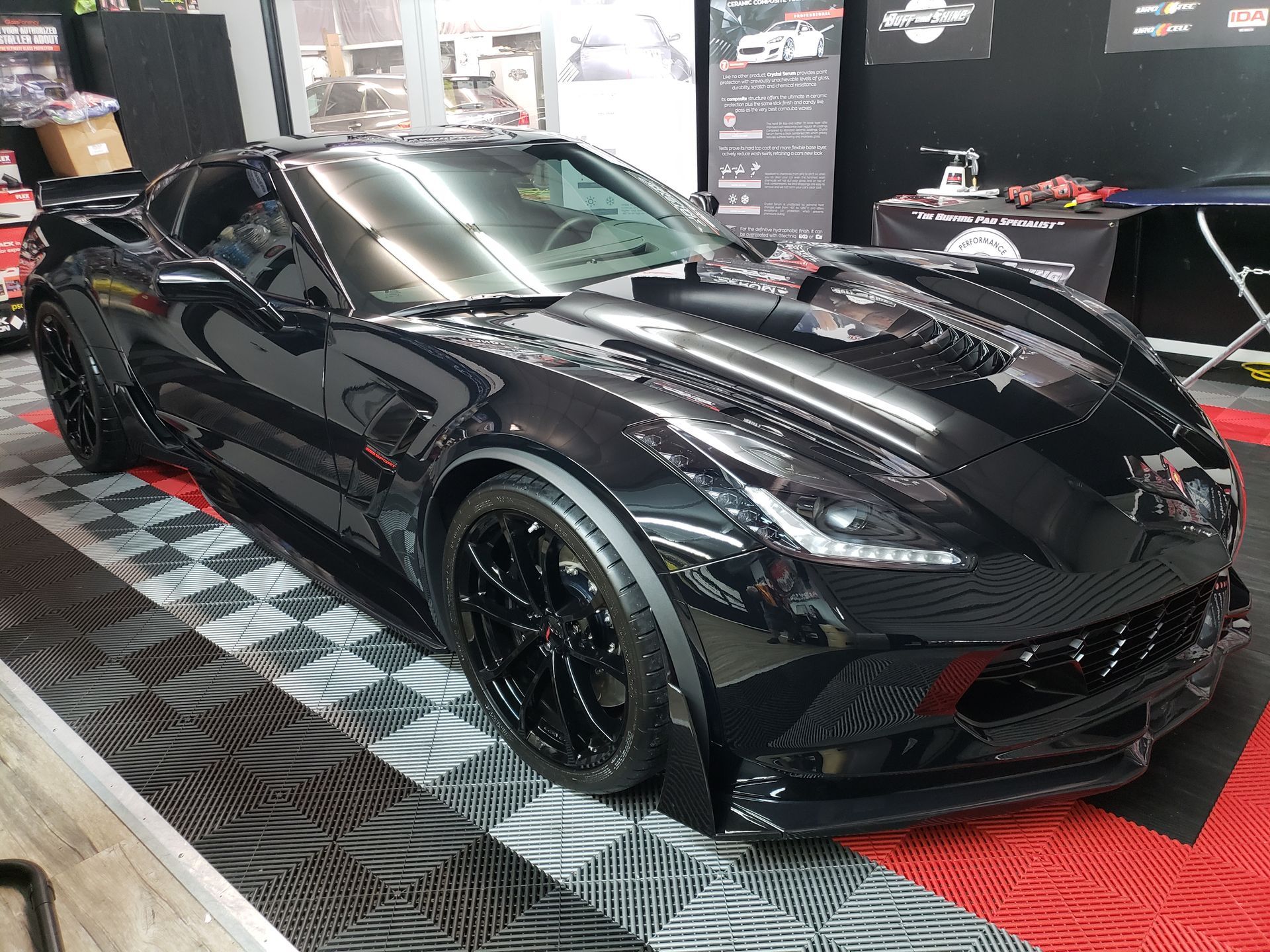
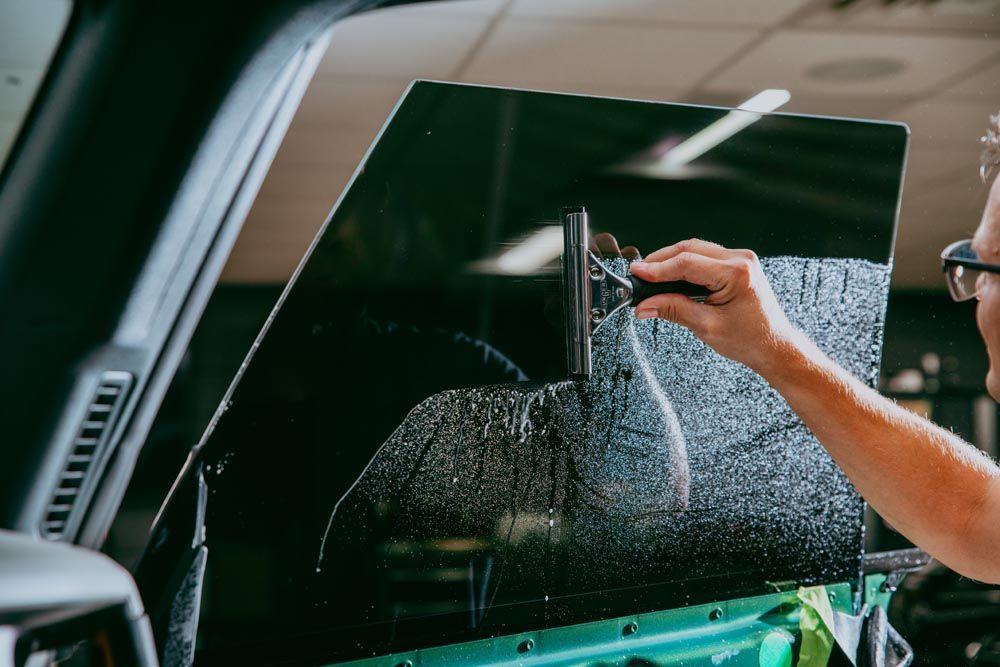
Window tint can make your car look great and keep it comfortable on hot days, but many drivers wonder: does it make night driving harder? It’s a fair question. While tints block sun glare during the day, they also reduce how much light passes through after dark. Understanding how different tint levels affect what you see behind the wheel is essential for your safety. After reviewing research and real-world driver experiences, this guide breaks down what window tint means for nighttime visibility and offers practical tips to help you drive more safely after the sun goes down. Yes, window tint can affect night driving visibility depending on the level of darkness applied. Lighter tints (around 35% to 50%) generally maintain sufficient night visibility, while very dark tints (below 30%) may reduce the ability to see clearly in low-light environments and require extra caution. How Window Tint Affects Visibility When you apply tint to your car windows, you are adding a filter that reduces visible light passing through the glass. The lower the Visible Light Transmission (VLT) percentage, the darker the tint and the less light reaches your eyes. A 5% VLT tint, for example, lets through just 5% of daylight, which can seriously hamper your ability to notice hazards on poorly lit roads. Studies suggest that windows tinted at 20% VLT reduce night visibility by about 25% compared to untinted glass, shrinking sight distances from roughly 500 feet to around 350 to 375 feet. Not all tints impact visibility equally, however. Ceramic tints have gained popularity because they offer excellent heat rejection and UV protection while maintaining higher clarity. A ceramic tint at 35% VLT often strikes the best balance: effective glare reduction during daylight with minimal sacrifice in nighttime visibility. Tinting also varies by placement; front side windows carry the strictest legal limits in most states because they affect driver visibility most directly, while rear windows can typically accommodate darker films.
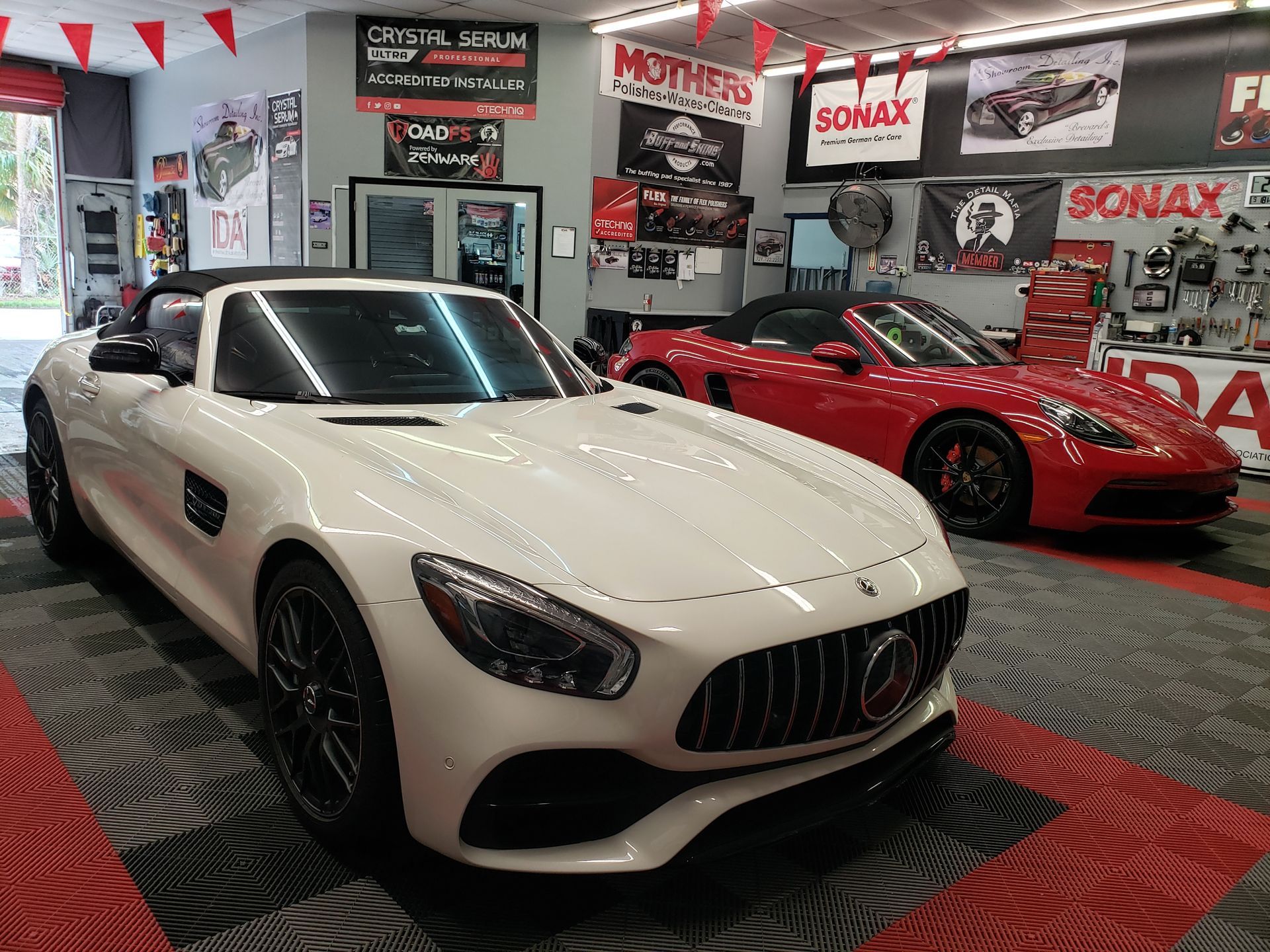
Learn how PPF performs on matte vs gloss paint. Compare durability, maintenance, and appearance to choose the right protection.