Ceramic Coating vs. Wax: A Detailed Comparison of Benefits and Drawbacks
Ceramic coating and wax both serve to protect your vehicle. However, they do so in their own unique ways, with differing points of strength and weakness. Ceramic coatings offer a strong defense against harsh elements like UV rays and environmental pollutants, lasting longer than wax. In contrast, wax provides a cover against moisture and environmental pollution but may require more frequent applications. However, the decision isn't as simple as picking the stronger option. It's essential to gauge your specific needs, budget, and the environment in which your vehicle deals with daily life. Let's start by examining their protective features closely.
When deciding between ceramic coating and wax, consider the durability and longevity you require. Ceramic coatings offer longer-lasting protection, making them ideal for daily drivers exposed to outdoor elements, while wax provides a warm glow suitable for car shows or photo shoots.
Benefits and Drawbacks of Ceramic Coating vs. Wax
When it comes to protecting your vehicle's paint, both ceramic coating and wax have distinct advantages and shortcomings. Let's start with enhanced protection.
Enhanced Protection
Both ceramic coatings and wax serve as protective barriers against environmental elements, but they differ in terms of longevity and robustness. Ceramic coatings provide long-lasting, durable protection against UV rays, environmental contaminants, and harsh detergents, making them ideal for individuals seeking extended protection for their vehicles. On the other hand, wax offers a protective barrier against moisture and environmental pollution, providing a temporary shield that requires more frequent reapplication compared to ceramic coatings. It's important to consider the unique characteristics of each form of protection. Imagine your car as a warrior preparing for battle—ceramic coatings would represent the heavy armor, offering lasting defense against elements that seek to wear down its exterior. In contrast, wax acts like a trusty shield that requires more regular polishing to maintain its strength and form. Both are essential tools in the war against depreciation, so the choice ultimately depends on your need for long-term or temporary protection.
Application Complexity
One crucial aspect to consider when comparing these automotive protection products is their application complexity. Ceramic coatings require precise application and thorough surface preparation for optimal bonding with the paintwork. This level of attention is necessary to ensure the long-lasting protection they are known for. In contrast, wax is relatively easier to apply, making it suitable for those seeking a quick solution for their paint protection needs. However, due to its shorter lifespan, wax demands more frequent reapplications compared to ceramic coatings. Think of it like cooking a meal: applying ceramic coating is akin to creating a sophisticated dish that requires patience and meticulous attention to detail, while applying wax is more like whipping up a simple recipe that can be done quickly but needs repeating regularly for a consistent result.
Cost Consideration
The cost difference between ceramic coatings and wax is another significant consideration. Ceramic coatings are pricier than traditional waxes due to their high durability and long-lasting nature. While this initial investment may seem steep, it provides superior protection over an extended period, minimizing the need for frequent reapplications. On the other hand, wax is more cost-effective upfront, making it an accessible option for those seeking temporary protection at a lower cost. However, the cumulative expense of more frequent wax applications might surpass the initial investment in ceramic coatings in the long run. Choosing between ceramic coating and wax is akin to shopping for furniture—a sturdy but expensive piece may save you money in the long run by eliminating the need for replacements, while a cheaper alternative may cost less initially but require more repairs or replacements over time.
Understanding these benefits and drawbacks is vital when deciding which paint protection method best suits your vehicle's needs and your budgetary constraints.
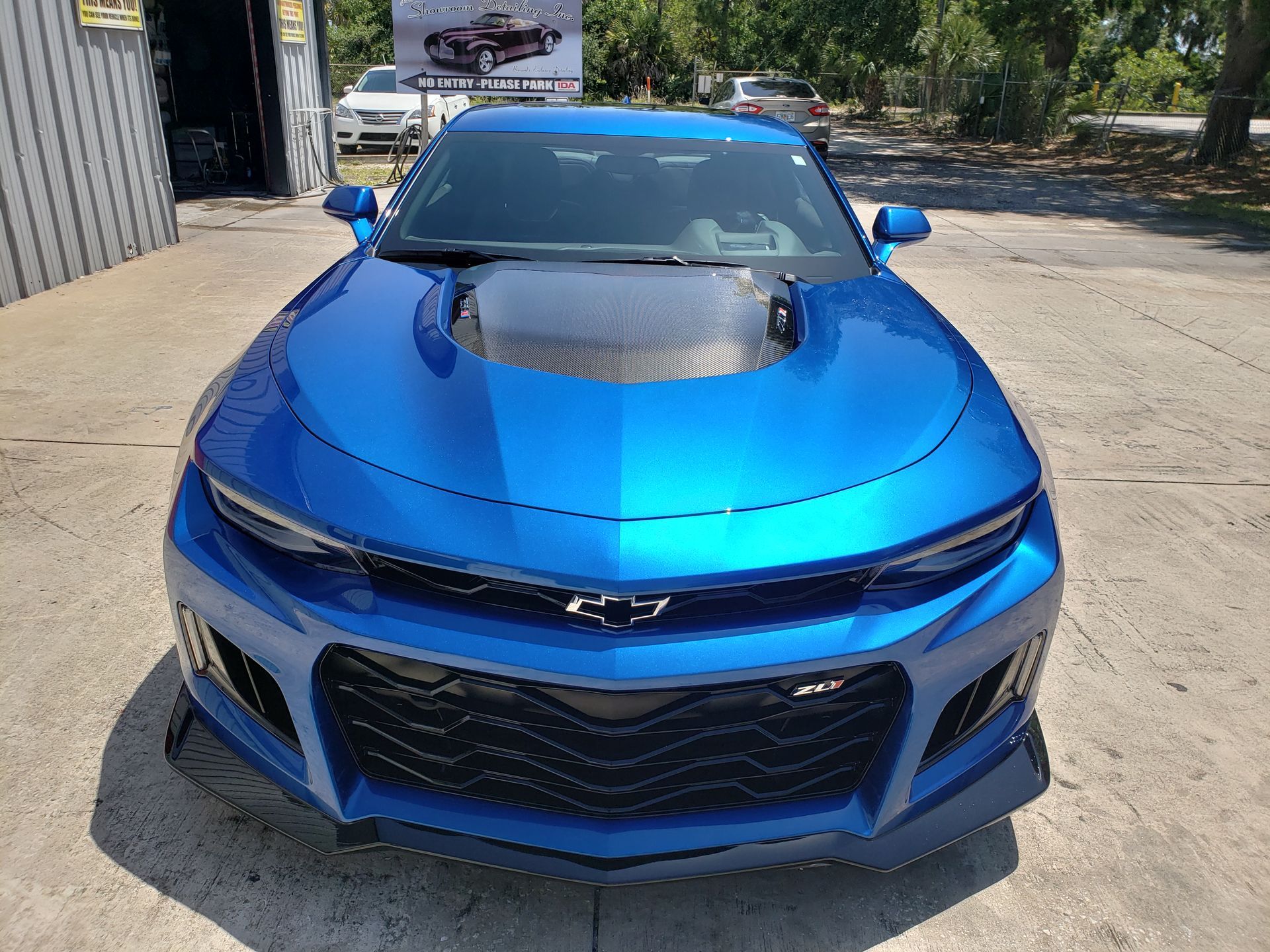
Protective Qualities of Ceramic Coating and Wax
Imagine gearing up for a long road trip. You want your car to look its best and stay protected from the elements, right? That's where the protective powers of ceramic coating and wax come into play. Each has its own unique features that contribute to maintaining the exterior of your vehicle. Let's delve into the specific protective qualities these products offer.
Ceramic Coating
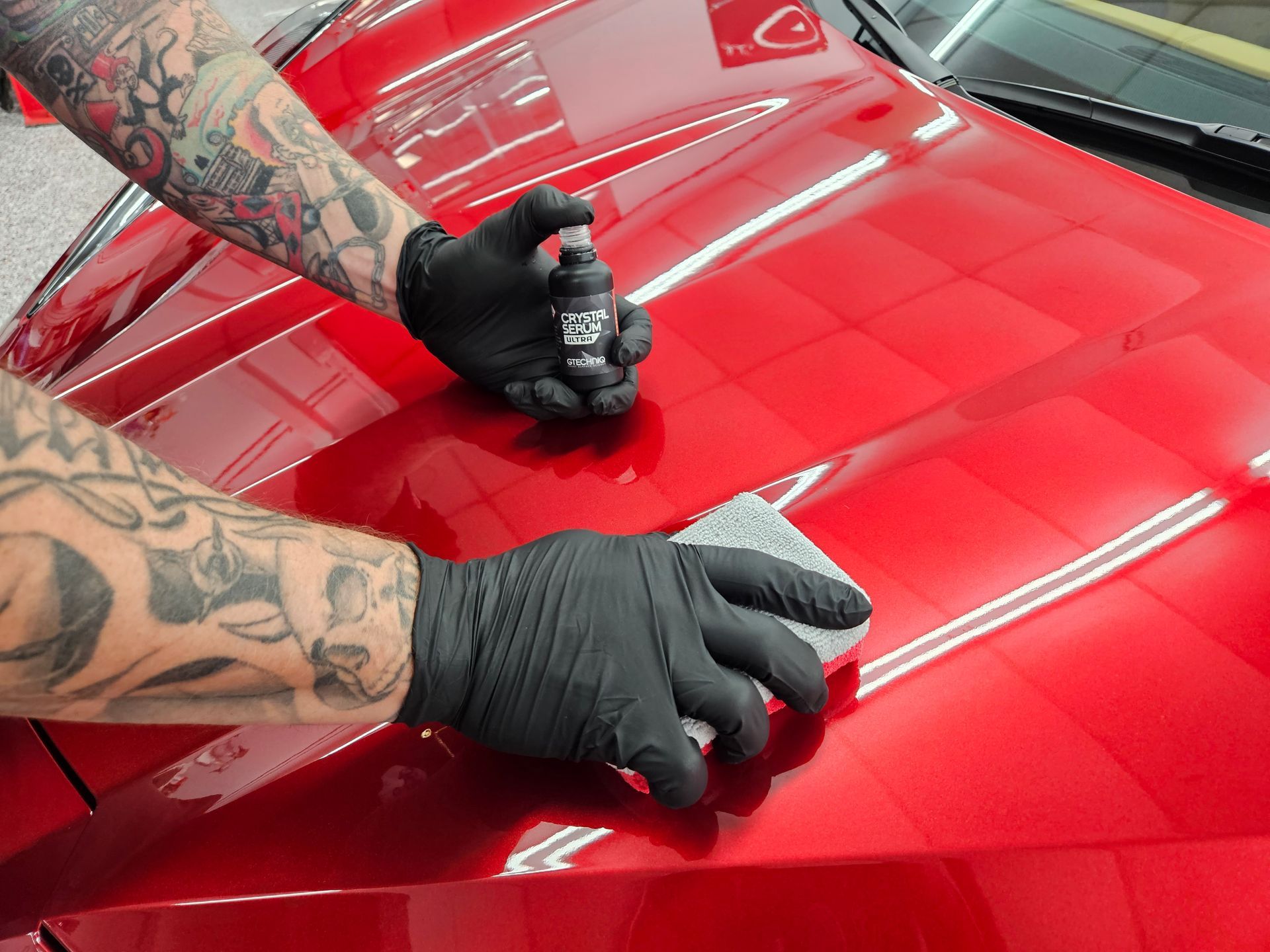
Ceramic coatings are known for their exceptional durability and resilience. When applied to your vehicle's surface, they form a chemical bond that acts as a shield against a range of environmental aggressors. UV rays can cause paint to fade and deteriorate over time, but ceramic coatings provide robust UV protection that helps maintain the color integrity of your car's exterior. Moreover, these coatings are excellent at resisting heat. They guard against temperature-induced damage, making them a valuable asset for vehicles exposed to hot climates or long periods of direct sunlight. As your car rests under the sweltering sun, you need not worry about the heat compromising the quality of your paintwork with a high-quality ceramic coating in place.
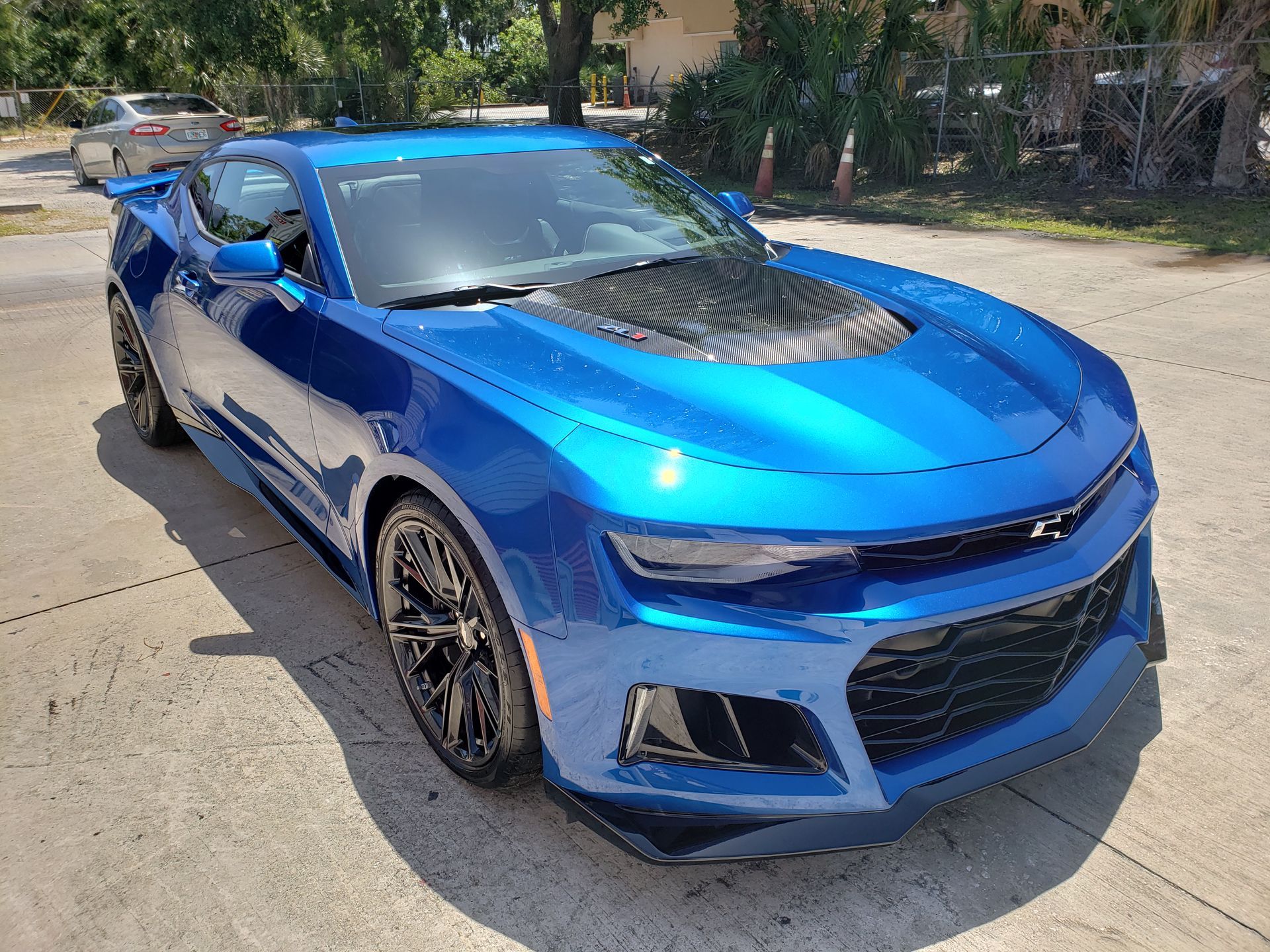
Environmental contaminants such as bird droppings, tree sap, and industrial fallout can wreak havoc on your car's surface if left unchecked. Ceramic coatings act as a barrier, resisting these contaminants and making cleaning easier. By doing this, you can avoid potential paint degradation due to tenacious residues. Picture this: A ceramic-coated car is parked next to an untreated car during a rain shower. While water pools on the untreated car’s surface, beading forms on the ceramic-coated car before effortlessly rolling off. This effect is due to the hydrophobic properties of ceramic coatings, which repel water and reduce water spot marks.
Traditional Waxing
Next up is wax—a tried and tested method for protecting your vehicle's paintwork. Wax serves as a sacrificial layer that shields your car from environmental adversities such as oxidation. Not only does it provide an added layer of protection, but it enhances your vehicle's shine by serving as a lustrous topcoat. Think of waxing your car like giving it an extra layer of skin—this layer protects its vulnerable surface from harm while adding a warm glow to its appearance. The appealing aesthetic qualities of a well-maintained wax finish make it suitable for events where visual presentation plays an essential role.
In essence, whether it’s fending off environmental contaminants or preserving the glossy allure of your vehicle, both ceramic coatings and wax offer indispensable protective qualities that cater to different needs. As we recognize the individual strengths of both ceramic coatings and wax in protecting your vehicle’s exterior, it becomes clear that each has its own distinct advantages based on varying preferences and requirements.
Durability Comparison: Ceramic Coating vs Wax
Durability is a critical consideration when selecting a protective option for your car. Ceramic coatings are renowned for their long-lasting effects, generally offering protection for several years. This translates to less frequent reapplication and maintenance, allowing you to enjoy the benefits of the protective layer without the hassle of regular touch-ups. On the other hand, wax protection usually lasts for a much shorter duration, often only a few weeks to a couple of months.
When it comes to longevity, ceramic coatings have a clear edge over traditional wax. The chemical composition and bonding properties of ceramic coatings enable them to form a robust, durable shield on the vehicle's surface, providing exceptional resistance to environmental elements such as UV rays, heat, and harsh detergents. This extended protection not only minimizes the frequency of reapplication but also reduces the overall maintenance requirements, making it an attractive option for those seeking long-term protection for their vehicles. For instance, imagine applying ceramic coating to your car and not having to worry about reapplying it for several years. This translates to significant time and cost savings compared to frequent waxing routines. The durability of ceramic coatings ensures that your vehicle remains shielded from external elements without compromising its appearance or structural integrity.
In contrast, wax applications need to be reapplied every few weeks to maintain effective protection. Frequent reapplication not only consumes time but also results in higher long-term costs. The temporary nature of wax protection means that vehicles are left more vulnerable in-between applications, requiring consistent attention to uphold their appearance and resistance against environmental factors. The durability comparison between ceramic coatings and wax clearly highlights the long-lasting benefits of ceramic coatings in terms of reduced reapplication frequency and prolonged protection for vehicles.
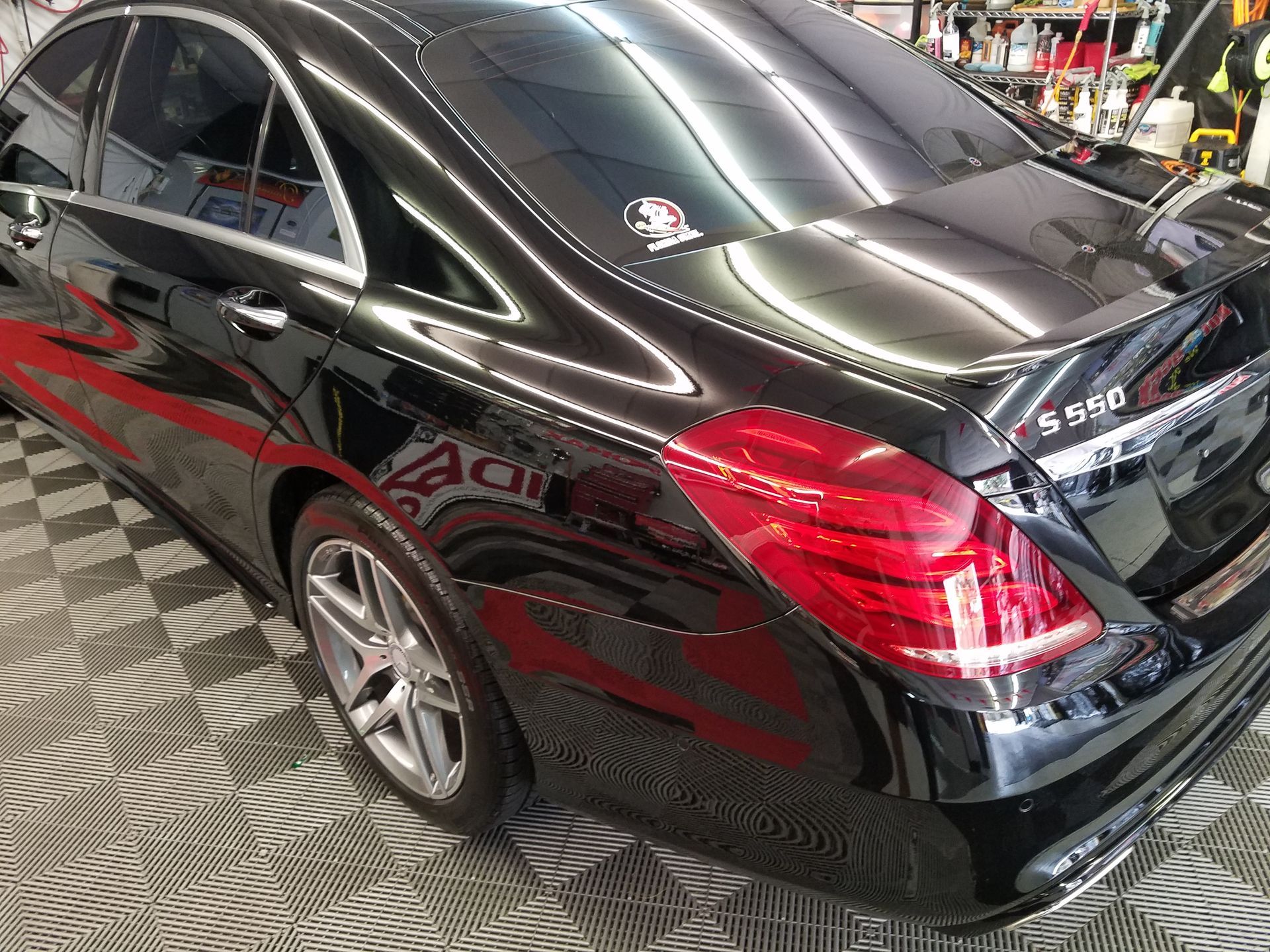
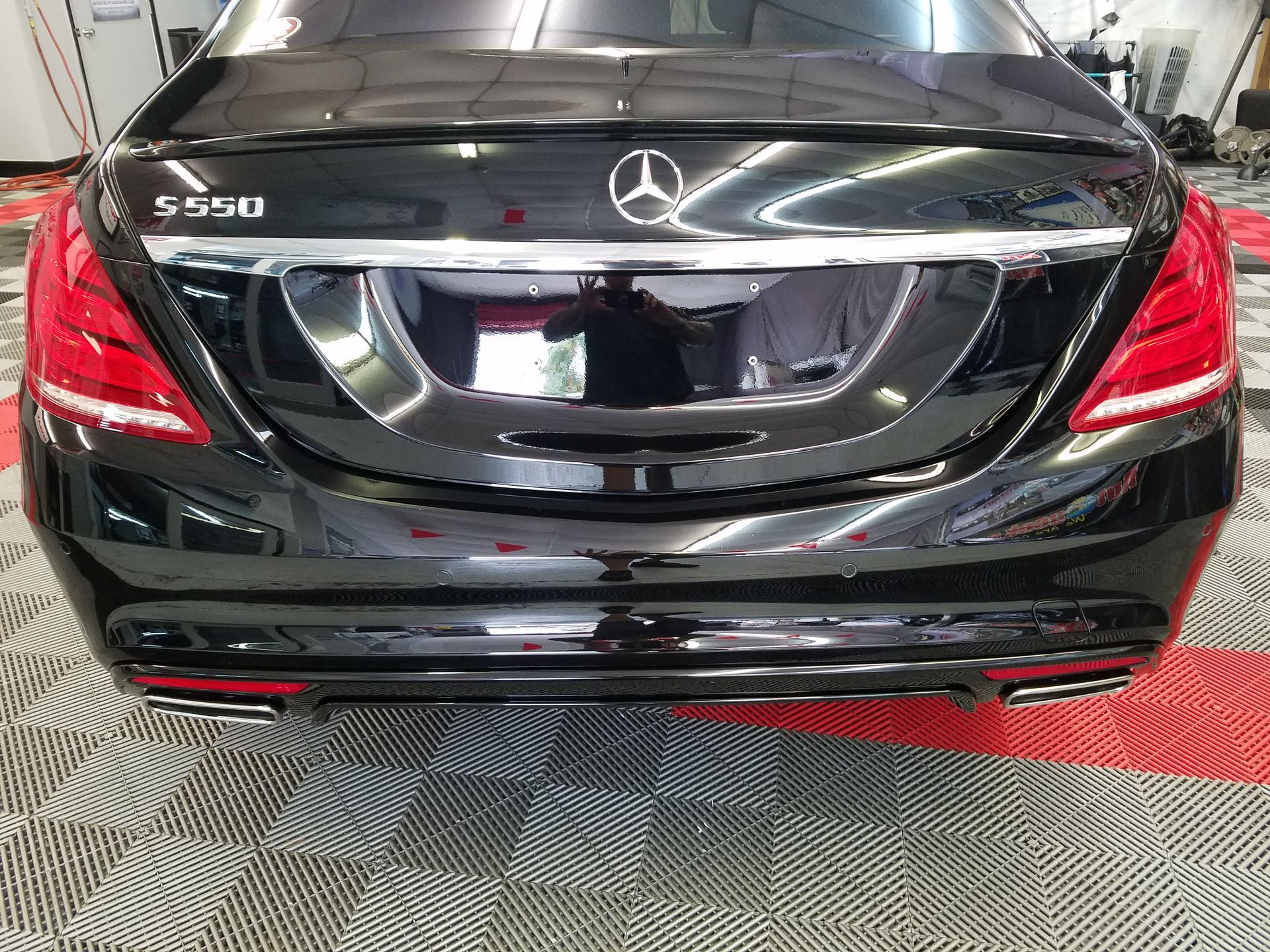
Analyzing the Cost: Ceramic Coating vs Wax
When deciding between ceramic coating and wax for your car, cost is a crucial factor. While ceramic coatings generally come with a higher initial price tag, the long-lasting protection they offer can outweigh the frequent reapplication costs associated with wax.
Let's talk numbers. Ceramic coatings are significantly more expensive upfront compared to traditional waxing and polishing treatments. However, what sets ceramic coatings apart is their longevity. A good quality ceramic coating can last anywhere from 3 to 5 years, depending on the type and brand, with some even offering warranties up to a lifetime. On the other hand, wax applications need to be reapplied every few months, depending on environmental factors and usage. When you invest in a ceramic coating, although you might incur a higher cost initially, you won’t have to spend money on repeated reapplications every few months. This means that, over time, the cost of maintaining a ceramic coating may actually be lower than that of regular waxing.
Additionally, the ongoing maintenance costs should also be factored into the equation. Ceramic coatings typically require minimal maintenance to keep your car looking glossy and well-protected. In contrast, wax needs regular upkeep - washing, reapplication, and buffing—to maintain its protective properties. Here's a simple breakdown: Let’s say the initial investment for a ceramic coating for a mid-sized vehicle is $500-2000. On the other hand, a monthly or bi-monthly wax application can cost around $20-50 each time. Over a period of 5 years, total expenses for wax application could substantially surpass the cost of a ceramic coating, not to mention the time and effort spent on frequent reapplications.
Moreover, consider the opportunity costs saved from fewer frequent visits to professional detailers or DIY application efforts needed for waxing and polishing compared to the lack of necessity for regular re-application with a ceramic coating. In summary, while ceramic coatings may require a higher upfront investment, their long-term benefits in terms of durability and minimal maintenance can make them a more cost-effective choice when compared to regular waxing.
How to Decide: Ceramic Coating or Wax?
Whether you're a car enthusiast or just keen on keeping your vehicle in top condition, knowing whether to opt for ceramic coating or wax can be a tough choice. Each option has its perks, so it's essential to consider your specific needs.
- Personal Preference: If you’re someone who values the classic warm glow of a well-waxed car, perhaps for special occasions like car shows or photo shoots, then wax might be the way to go. The glossy finish achieved by applying a fresh coat of wax can really make your vehicle stand out in those situations. On the other hand, if you're more interested in practicality and long-term protection for your daily driver exposed to outdoor elements, then ceramic coatings will be the better choice.
- Long-Term Maintenance: Are you someone who appreciates minimal maintenance and prefers longer-lasting protection? If so, then lean toward a ceramic coating. Ceramic coatings offer extended protection with less need for frequent reapplication compared to wax. However, if you don't mind putting some work in regularly and enjoy the process of detailing your vehicle frequently, wax might be more appealing to you.
It's all about identifying what matters most to you when taking care of your vehicle: the ease of maintenance and longevity offered by ceramic coatings or the aesthetic warmth and tactile experience provided by wax. Both options have their own unique advantages that cater to different preferences and priorities.
Top-Notch Ceramic Coating Solutions in Viera, FL
If you are looking for
top-notch ceramic coating services in the Viera, FL, area, look no further than JL's Showroom Auto Salon. We offer the best vehicle protection and shining solutions. Utilizing state-of-the-art methods and premium-grade materials to guarantee unparalleled longevity and performance, our devoted team of specialists is devoted to producing first-rate outcomes. A perfect, showroom-worthy surface that repels dirt and pollutants is here, so say goodbye to worries about environmental threats. Drive with confidence. Reserve a ceramic coating appointment with JL's Showroom Auto Salon today and experience the difference for yourself! Call us at
(321) 723-6976 to get started!