Ceramic Coating vs. Sealants: Choosing the Best Protection for Your Car
For anyone passionate about cars, choosing how best to protect your vehicle’s paint feels like a high-stakes decision. The options of ceramic coatings versus sealants have fueled many late-night searches, endless reviews, and plenty of debates among car enthusiasts. It’s more than just polish; you’re investing in the long-term care and look of your prized possession.
When choosing between ceramic coatings and sealants for your car, consider factors like durability, ease of application, protection level, and cost. Ceramic coatings offer superior longevity and resistance to environmental damages but require meticulous application, while sealants provide shorter-term protection with easier application processes that may suit beginners or those looking for quick solutions.
What is Ceramic Coating?
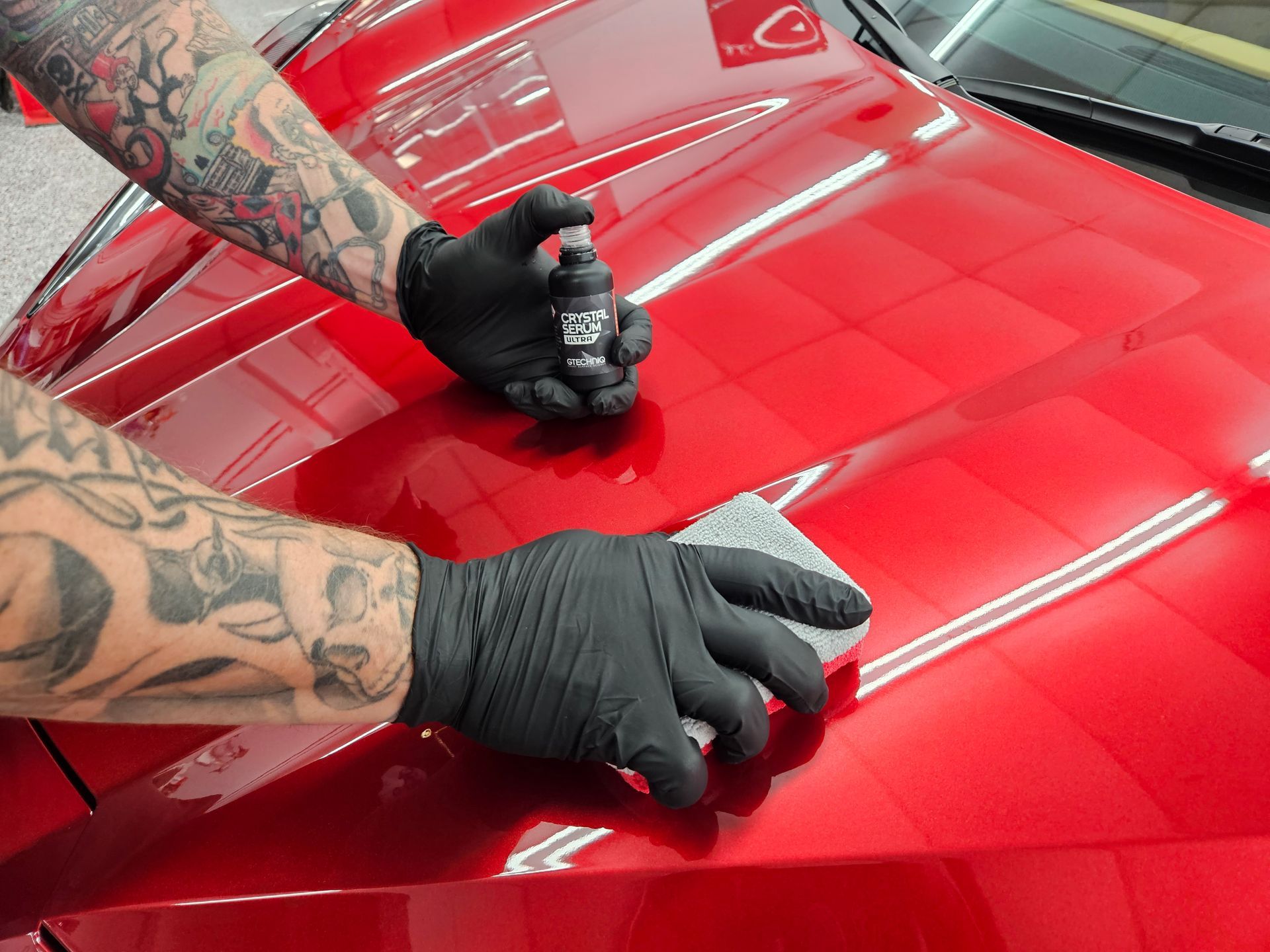
Ceramic coating is a liquid polymer that you apply by hand to the exterior of your vehicle. Unlike traditional wax or sealants, which rest on top of the paint, ceramic coatings form a chemical bond with the factory paint layer. This bond creates a robust protective shield that enhances the car's shine and extends its longevity.
The Science Behind Ceramic Coatings
Most ceramic coatings leverage nanotechnology, involving incredibly tiny particles designed to create an imperceptible yet durable layer over your vehicle’s surface. By bonding at a molecular level, these coatings offer superior resistance against damaging elements, such as UV rays, dirt, grime, and other environmental contaminants. Imagine it like having a transparent, armor-like barrier protecting your paint! Research shows that this added layer can enhance the aesthetic appeal of your car while significantly reducing detailing frequency.
Practical Applications and Products
Popular ceramic coating products exemplify the industry’s standards due to their extraordinary protective capabilities. These products withstand harsher climates and resist damage from common threats such as bird droppings and road salt. Many users report an outstanding shine that remains intact for years—even in everyday driving conditions. However, while the allure of DIY applications is tempting, achieving optimal results usually requires professional expertise.
Importance of Proper Application
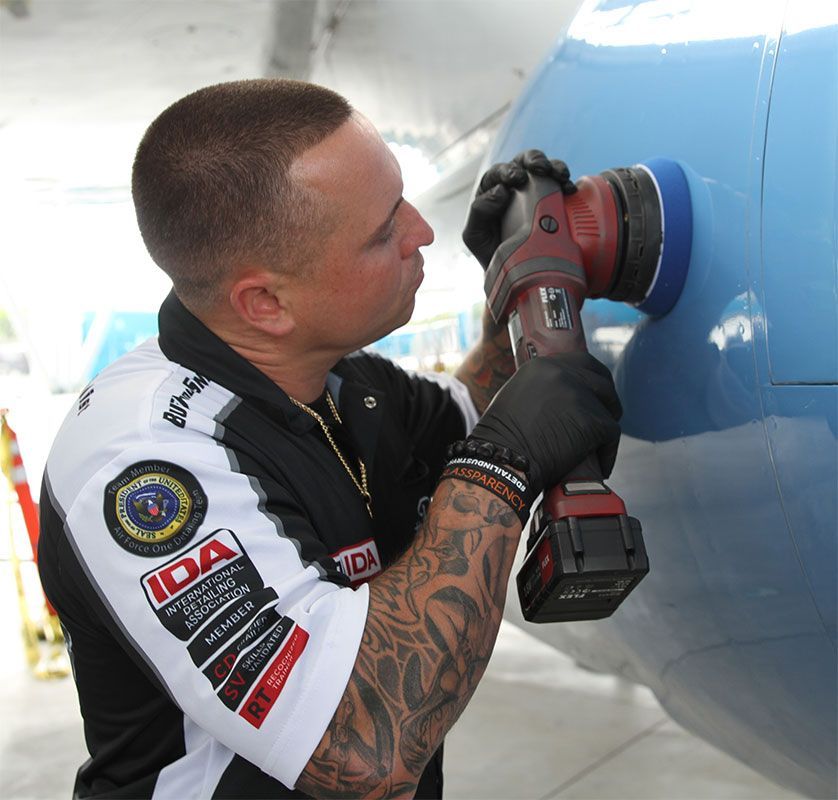
Skilled detailers dedicate several hours to ensure meticulous execution of every aspect of the application. They focus on paint correction before applying the coating to remove imperfections that could compromise effectiveness. The correct application technique can't be overstated; just as a beautiful painting requires the right canvas preparation and technique, ceramic coating demands attention to detail for long-lasting protection and appearance. A poorly applied coating can leave your vehicle vulnerable and may not yield the expected results.
Benefits of Ceramic Coating
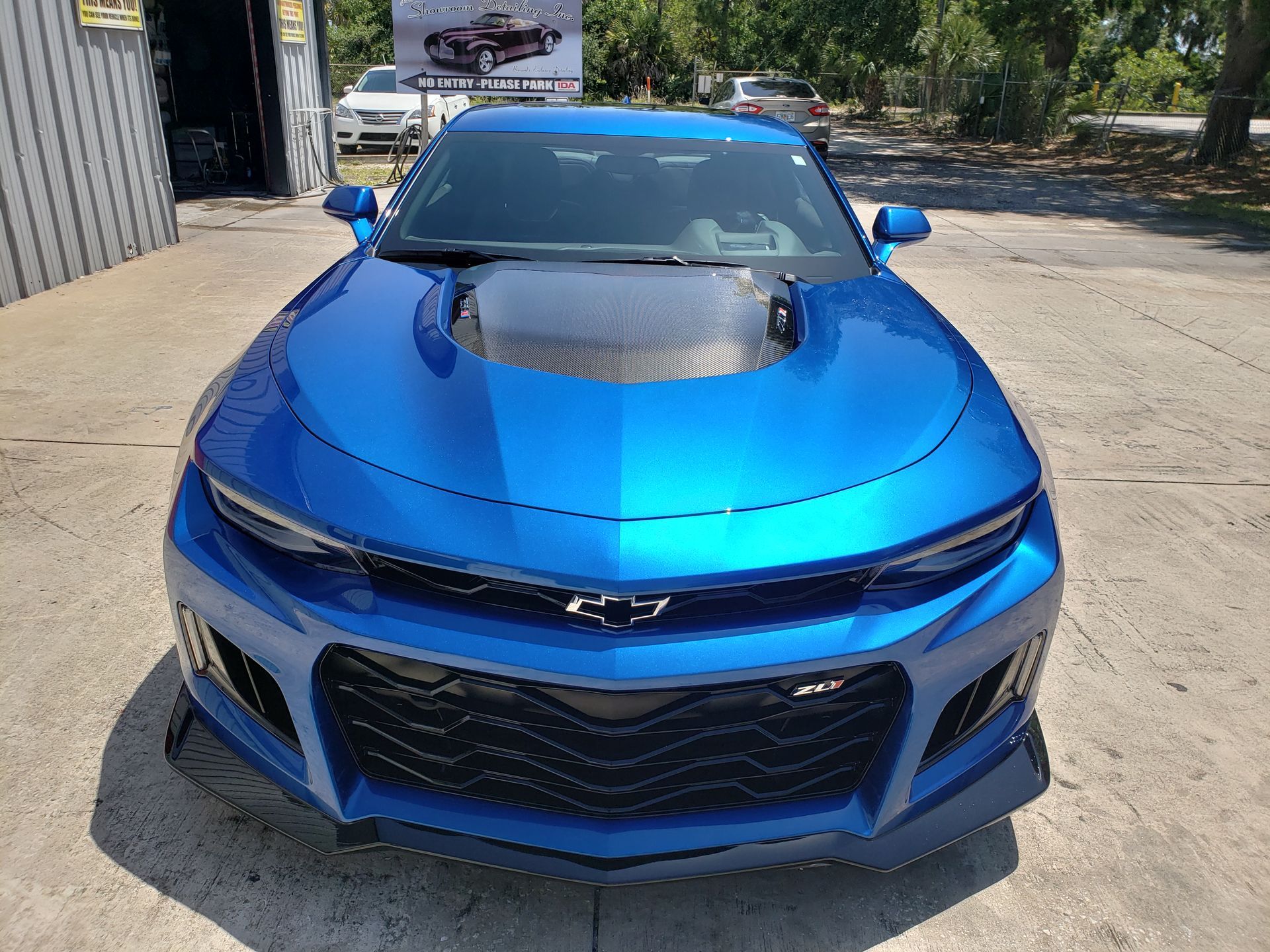
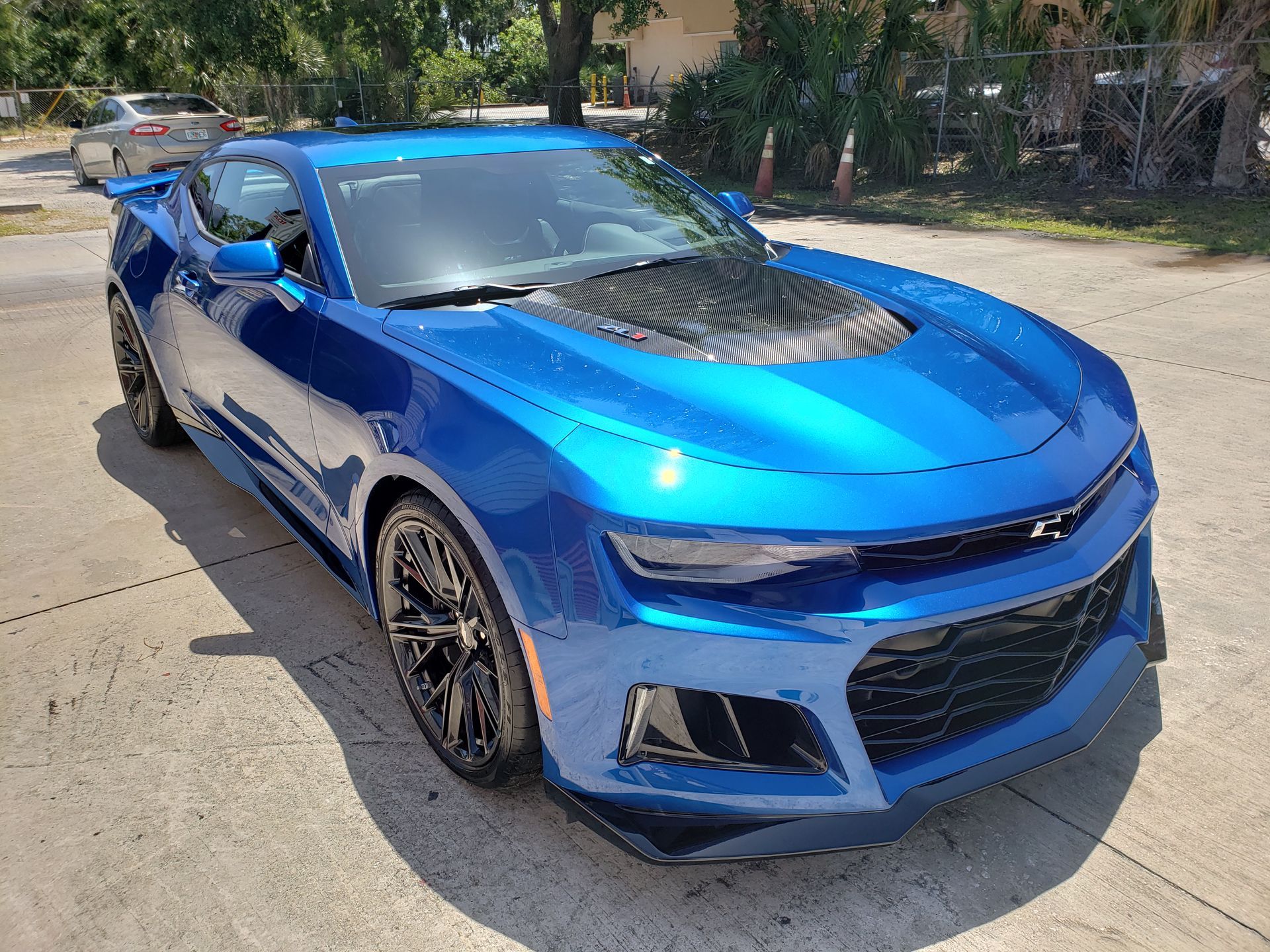
The benefits of ceramic coating are numerous and extend well beyond mere aesthetics. This advanced technology provides a comprehensive shield that vastly improves your car's longevity and appearance. If you're considering investing in this form of protection, here are the standout advantages.
- Enhanced Durability: One of the core advantages of ceramic coating is its impressive durability. Unlike traditional sealants, which only last a few months, ceramic coatings can endure anywhere from two to five years, or even longer, depending on the product quality and maintenance routines. This means less frequent application and ultimately better value for your money. You are investing not just in a protective layer but also in peace of mind that your investment will be safeguarded against wear and tear over an extended period.
- Superior Protection: Another significant benefit is the superior level of protection ceramic coatings offer against various environmental damages. Imagine your car facing the harsh elements—UV rays baking the paint under the sun, oxidation dulling its shine, bird droppings attacking its surface, and acid rain corrosively eating away at the finish. Ceramic coatings create a hard shell defending against all these aggressors. It locks in moisture while repelling harmful contaminants, ensuring that your vehicle's exterior remains impeccable.
- Ease of Maintenance: In particular, one practical benefit many vehicle owners appreciate is how much easier it becomes to maintain a car treated with a ceramic coating. The surface evolves into a hydrophobic barrier, meaning it actively repels water. As a result, dirt and grime struggle to adhere to the paint—a boon for busy individuals who want their car looking sharp without excessive effort. You’ll notice washed surfaces become cleaner quicker, resulting in reduced washing frequency and simplified care regimens.
- Aesthetic Appeal: Finally, one cannot overlook the striking aesthetic enhancements that come with applying ceramic coatings. Picture this: your car showcases an enchanting deep gloss reminiscent of a freshly waxed surface but without requiring constant reapplication. Think of it as putting on a permanent wax coat—it reflects light magnificently and increases visual appeal tremendously. The vibrancy and depth added to your paint work make it stand out from everyday vehicles on the road.
Understanding Car Paint Sealants
Car paint sealants serve as a synthetic layer designed to shield your vehicle’s paint from various environmental factors, much like ceramic coatings but often with a simpler application process. These products are primarily polymer-based, and some cutting-edge formulations incorporate nanoparticle technology, enhancing their protective qualities even further. This innovation has led to improved resistance against UV rays and contamination from dirt and grime while still being manageable for the average car owner.
What’s particularly appealing about sealants is their ease of use. The application of paint sealants generally requires less preparation than ceramic coatings, making them accessible for those who prefer DIY solutions. For instance, many sealants merely need the surface to be clean and dry before application, which can often be done in just a couple of hours. In contrast, ceramic coatings typically demand meticulous surface prep, including polishing and sometimes extensive curing times. As a result, individuals looking for a quick yet effective solution can find paint sealants very attractive.
When choosing a car paint sealant, it’s essential to consider the longevity of the product alongside how easily you can apply it. Polymer-based sealants generally last up to six months, providing budget-friendly short-term protection, ideal for users who frequently maintain their vehicles. Nanoparticle-based options can extend protection for up to a year but may require slightly more effort during application—essentially a trade-off between ease and durability. Frequent brands have made a name for themselves in this sector by offering user-friendly options that strike a balance between performance and practicality.
These well-regarded brands cater to a wide audience by manufacturing products that not only effectively protect car paint but also do so without overwhelming users with complex instructions or requirements. Therefore, whether you're a seasoned car enthusiast or just someone aiming to keep their vehicle looking pristine, integrating these sealants into your regular maintenance routine can yield significant benefits. Elevating your vehicle's defense against environmental challenges using car paint sealants helps ensure its longevity, aesthetics, and overall value over time.
Comparing Ceramic Coatings and Sealants
- Durability and Longevity: One of the most compelling differences between ceramic coatings and sealants is their durability. Ceramic coatings are engineered to withstand the test of time. While sealants may shine bright for a short period—lasting roughly 6 to 12 months—ceramic coatings can endure for five years or even longer with proper care. This longevity stems from their chemical bonding with the vehicle's clear coat, creating a strong protective layer that doesn’t just sit on the surface but becomes part of it.
- Protective Capabilities: In terms of protection, while both products serve as shields for your vehicle, ceramic coatings excel in several key areas. They boast remarkable resistance to harsh chemicals, ultraviolet rays, and environmental contaminants. The properties of ceramic materials allow them to repel dirt and grime much more efficiently than sealants, making cleaning a far easier task. Imagine your car being almost self-cleaning; this is one of the true advantages of investing in a ceramic coating.
- Cost Effectiveness: At first glance, the initial costs associated with ceramic coatings can appear steep—often due to both the product itself and professional application fees. However, if we analyze this expense over time, the scales tip towards savings. By requiring less frequent maintenance compared to sealants—which need to be reapplied every few months—the total cost of ownership becomes more favorable for ceramic coatings. You pay more upfront but save money on repeated purchases and labor over time.
- Ease of Application:
When it comes to ease of use, sealants typically win out. For DIY enthusiasts looking to personally protect their vehicles without intricate processes, sealants are often simpler to apply. They usually require less preparation and can be slapped on with minimal fuss. On the other hand, applying a ceramic coating demands meticulous pre-cleaning and a careful application process that may be better suited for those who either have experience or access to professional services. If you enjoy working on your car yourself and want something straightforward, a sealant could be the right choice.
Choosing the Best Option for Your Vehicle
The right choice truly hinges on a mix of personal preferences and practical considerations. Understanding these can help you make an informed decision that aligns with how you use your vehicle and your upkeep preferences.
Budget Constraints
If budget is a primary concern, opting for a high-quality sealant may be the way to go. While cheaper options exist, investing in a reputable sealant brand provides solid protection without breaking the bank. Many high-end sealants offer decent durability and shine at a much more manageable price point than most ceramic coatings. For instance, a good-quality sealant can often be found in the range of $30 to $60, providing several months of protection with proper application. In contrast, ceramic coatings require a more advanced financial commitment but deliver significantly longer-lasting results.
Time and Effort
If you prefer low-maintenance solutions or are willing to invest more upfront for reduced maintenance over time, then ceramic coatings might be ideal for you. Once applied, many ceramic coatings can last for years, allowing drivers to enjoy their vehicles without the need for constant reapplication. Just imagine spending a weekend treating your car only to realize you'll have to wax it again next month. Ceramic coatings typically relieve you of this cycle, minimizing the need for frequent upkeep.
Vehicle Usage
Consider how and where you use your car. A daily driver facing harsh elements like rain, road salt, or sun exposure may benefit more from ceramic coatings’ robust features as they endure heavy wear while keeping your vehicle looking pristine. On the other hand, if you have a weekend car that's generally garaged and lightly cared for, periodic applications of high-quality sealant may suffice.
By evaluating how all these elements balance against your priorities—budget limitations, maintenance preferences, and environmental influences—you can confidently select whether ceramic coatings or sealants best meet your vehicle’s protection needs. In making the right decision, remember that both options serve their purpose well but cater to different needs based on individual circumstances. Each choice offers unique advantages tailored to enhance your vehicle's appearance and longevity.
High Quality Ceramic Coating Service in Melbourne, FL
Protect and enhance your vehicle with JL’s Showroom Auto Salon's
high-quality ceramic coating service in Melbourne, FL. Our expert team uses premium-grade products to shield your car's paint from the elements, ensuring long-lasting shine and protection. Experience superior water repellency, UV resistance, and easier maintenance that keeps your car looking pristine. Contact JL’s Showroom Auto Salon today to schedule your ceramic coating service and enjoy a finish that lasts. Call us at (321) 723-6976 to get started!