Best Window Tint Options for Outdoor Parking in Florida: Top Picks for Heat and UV Protection
If you live in Florida, you know parking your car outside means dealing with relentless sun and heat that can quickly turn your interior into a sauna. Choosing the right window tint is a practical way to keep things cooler inside, protect your car's surfaces from fading, and block harmful UV rays. In this guide, we'll walk you through the best tint options for outdoor parking in Florida, helping you find the perfect balance between comfort, protection, and price.
The best window tint options for outdoor parking in Florida are high-quality ceramic tints like LLumar® and SunTek® ceramic films, which offer superior heat rejection, UV protection of over 99%, and durability against fading and discoloration from intense sun exposure. These tints reduce interior heat buildup, protect your vehicle's interior from UV damage, and maintain excellent visibility without interfering with electronic signals.
Top Window Tint Options for Cars
Dyed film remains a popular choice for budget-conscious buyers who want to reduce glare and improve privacy. A layer of dye absorbs sunlight and lowers heat modestly, but this type tends to fade and discolor under intense UV exposure. Dyed tints work as an entry-level solution but will need replacing sooner if you want to maintain clear visibility and aesthetics.
Metalized films offer a sturdier alternative, weaving microscopic metal particles into their layers to reflect heat and ultraviolet radiation more effectively. Your car's interior stays noticeably cooler during scorching summer days. However, this metallic composition can interfere with GPS or cell signals, something to weigh carefully if signal integrity matters to you. The extra durability and scratch resistance often justify their use in harsh environments.
For drivers who won't compromise on performance or convenience, ceramic tints are the go-to choice. Utilizing nanoceramic particles instead of dyes or metals, ceramic films deliver exceptional clarity, nearly complete UV blockage, and significant infrared heat reduction. Because they contain no metals, they won't disrupt radios, smartphones, or onboard sensors. Ceramic tints come at a premium price, but for anyone parking under Florida's unrelenting sun, they prove to be a wise long-term investment.
| Tint Type | Pros | Cons | Best For |
|---|---|---|---|
| Dyed Film | Affordable; reduces glare and offers privacy | Fades and discolors over time | Budget-conscious buyers |
| Metalized Film | Reflects heat and UV well; durable | May interfere with electronics | Those prioritizing durability |
| Ceramic Film | Excellent heat and UV rejection; no signal interference | Higher cost | Tech-savvy drivers in intense sun |
Best Tints for Heat Reduction
In Florida's blazing sun, ceramic window tints stand out for heat reduction. They filter infrared radiation without relying on metal particles, meaning they won't fade or develop that unattractive purple hue over time. For vehicles that spend extended hours outdoors, this translates to consistent cooling performance year after year.
Metalized films still hold their place by reflecting solar energy through embedded metallic particles, lowering cabin temperatures effectively. Carbon films strike a smart middle ground, blocking infrared light without causing signal interference while offering an appealing matte finish that resists fading.
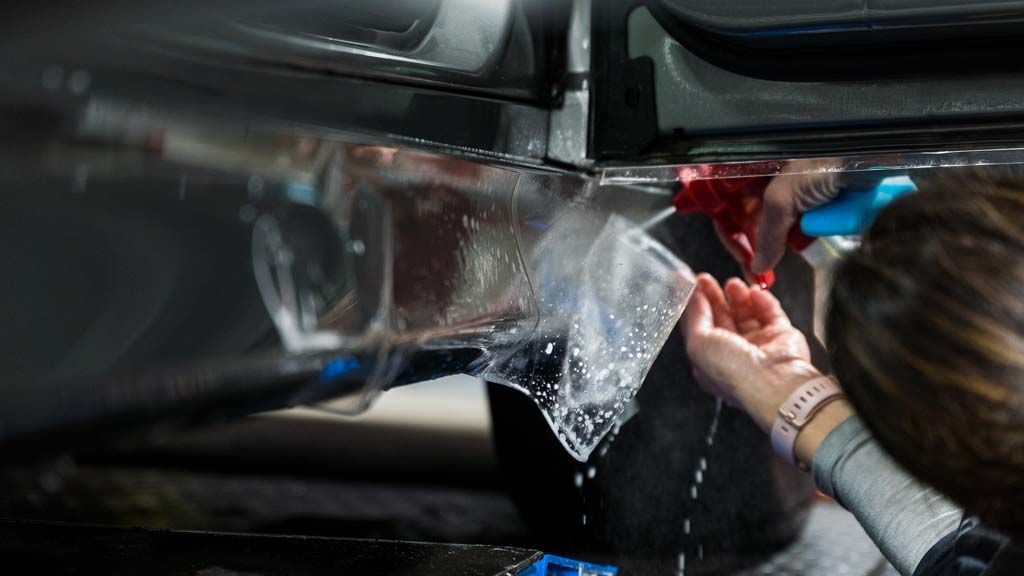
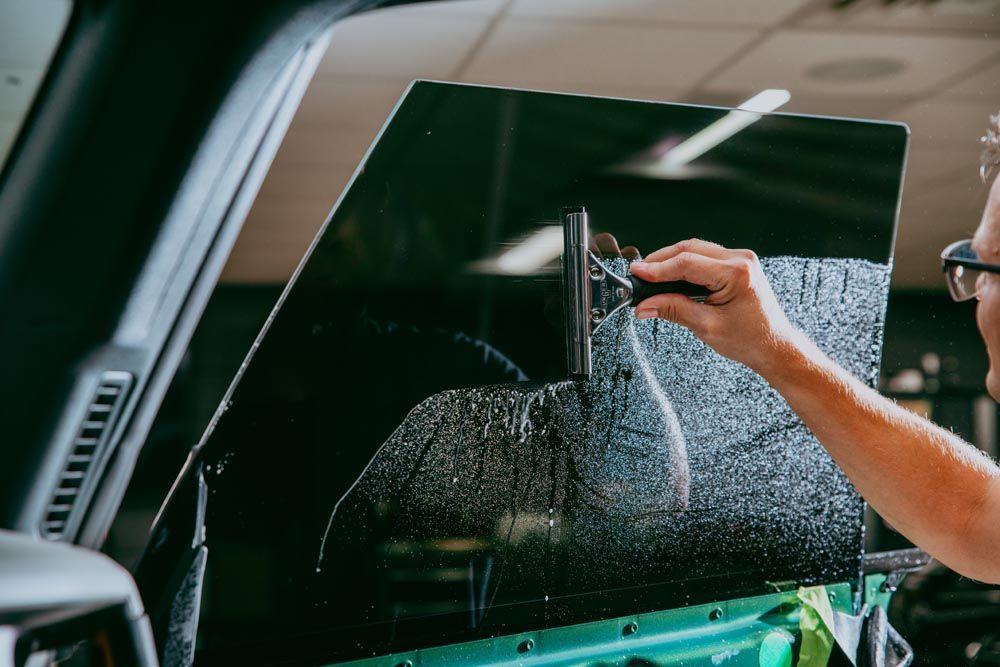
Beyond heat rejection, durability and optical clarity matter equally. Ceramic tints maintain sharp visual clarity without haze or distortion, and high-quality films resist scratching and weather hardening under intense Florida sun exposure. When selecting your tint, prioritize ceramics if you park outside daily, consider carbon films if budget is a factor, and avoid cheap dyed films that fade rapidly and offer minimal heat reduction. Professional installation also matters greatly. At JL's Showroom Auto Salon, our certified technicians ensure precise application that maximizes heat rejection while maintaining compliance with Florida's tint regulations.
UV Protection Features
UV protection plays a vital role in preserving your vehicle's interior and your own health. Florida's relentless ultraviolet radiation causes fabrics to fade, leather to crack, and plastics to become brittle, leaving your vehicle looking worn far sooner than necessary.
By blocking over 99% of UV rays, high-grade ceramic films act like a sunscreen for your car's interior surfaces. Unlike metallic or dyed films, ceramic tints use nanoparticles that absorb and dissipate solar energy instead of reflecting it, giving you superior protection without turning your windows into mirrors. The SunTek EVOLVE ceramic film line, for example, is recognized among professional installers for its robust UV-blocking capability combined with impressive infrared heat rejection of up to 94%.
Carbon tints offer another compelling UV shield. Their natural black pigment blocks UV rays effectively while maintaining clarity, and because they contain no metal particles, they avoid signal interference. Carbon films are also highly resistant to fading, maintaining their deep hue year after year without turning purple or peeling.
Comparing Tint Materials
Hybrid films combine dye's rich coloring with a lighter metallic load to improve heat rejection and prevent fading while maintaining decent electronic compatibility. This versatile choice suits Florida drivers aiming for both style and function without committing to a premium option.
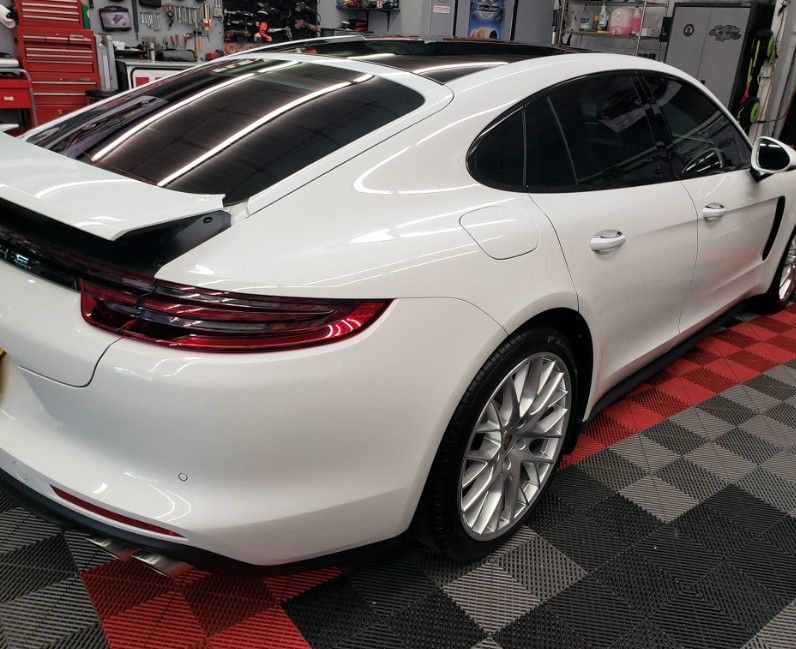
For Florida's relentless sun exposure, carbon or ceramic films provide the strongest combination of cooling effect and lasting UV protection, a top priority for preserving your vehicle's interior and paintwork.
| Tint Type | Heat Reduction | UV Protection | Durability | Signal Interference | Cost Range |
|---|---|---|---|---|---|
| Dyed | Moderate | Moderate | Low (fades quickly) | None | Low |
| Metalized | High | High | High | Yes | Medium |
| Hybrid | Moderate-High | Moderate-High | Medium | Minimal | Medium |
| Carbon | High | High | High (no fading) | None | Medium-High |
| Ceramic | Very High | Very High | Very High | None | High |
Cost vs. Benefits Analysis
Choosing an auto window tinting in Florida means weighing what you pay against what you gain over time. Dyed tints are the least expensive but fade quickly under harsh sun. Metalized films cost more and offer better heat rejection but may interfere with electronic signals. Carbon films deliver robust heat reduction and durability without signal interference at a higher price point.
Ceramic tints command the highest prices, but this premium reflects their advanced technology. They reduce your car's interior temperature significantly, easing the strain on air conditioning and lowering fuel consumption. UV protection preserves seats, dashboards, and trim from cracking or fading, maintaining your vehicle's resale value for years.
If you park outdoors daily in intense sunlight, investing in ceramic tint is likely the smartest financial decision over time. For shorter-term budgets, carbon or metalized films balance cost and function well. At JL's Showroom Auto Salon in Melbourne, FL, our team provides free estimates tailored to your vehicle, with ceramic tint packages starting at $40 for a window strip and $650 for a full vehicle surround using our top-tier SunTek EVOLVE line.
Maintenance Tips for Window Tints
Proper cleaning is one of the most important steps in preserving your tint. Avoid household glass cleaners containing ammonia, which can degrade the film's adhesive or cause discoloration. Instead, use a gentle mix of water and mild soap with a soft microfiber cloth. Avoid abrasive pads that leave fine scratches dulling your tint over time.
Make a habit of inspecting your tints periodically, especially around edges and corners where bubbling or peeling first appears. Small bubbles allow moisture and dirt to build up underneath the film, accelerating wear and risking permanent damage. Addressing these issues early saves you from costly replacements.
After new installation, avoid rolling down the windows for at least three to five days. This allows the adhesive time to fully cure and set without disturbance, preventing creases, peeling edges, or bubbles from forming beneath the film.
Keep Your Florida Car Cool and Protected Today
Stop battling Florida’s scorching sun and protect your vehicle’s interior with professional car window tinting services from JL’s Showroom Auto Salon. With our expert solutions, you can:
- Reduce interior heat and glare for a comfortable ride
- Block over 99% of harmful UV rays to prevent fading
- Maintain electronics and signals with ceramic or carbon films
- Preserve your car’s interior and boost resale value
Book Your Window Tint Installation Now
Call us at 321-723-6976 today or visit our contact page to schedule a consultation and enjoy cooler, safer, and more comfortable driving every day.
FAQs on Window Tinting in Florida
What is the best window tint for cars parked outdoors in Florida?
Ceramic window tints like SunTek or LLumar are ideal for Florida. They block over 99% of UV rays, reduce heat, and protect interiors from sun damage without affecting electronic signals.
How much heat can ceramic tints block in Florida’s sun?
Ceramic films can block up to 94% of infrared heat, keeping interiors cooler even during Florida’s hottest summer days.
Are there Florida-specific rules for window tint darkness?
Yes. Florida law requires front side windows to allow at least 28% visible light transmission (VLT), and back side/rear windows must have at least 15% VLT for sedans. SUVs, vans, and trucks can go as dark as 6% VLT on back and rear windows.
Can I get medical exemptions for darker tints in Florida?
Yes. Drivers with conditions like lupus or photophobia can legally install darker tints with documentation from a licensed physician. JL’s Showroom Auto Salon can assist with compliant installation.
Do ceramic or carbon tints interfere with GPS, radio, or cell signals in Florida?
No. Ceramic and carbon tints contain no metal, so they maintain full signal strength. Metalized films may cause interference.
How often should I maintain my Florida car’s window tint?
Clean with water and mild soap using a soft microfiber cloth. Avoid ammonia-based cleaners or abrasive pads. Inspect edges for bubbling or peeling, especially in Florida’s humid climate.
Can window tints help protect my car from Florida’s sun damage?
Yes. High-quality tints block UV rays that cause fading, cracking, and deterioration of leather, fabrics, and plastics, preserving the interior’s appearance and value.
Which tint is best for daily outdoor parking in Melbourne, Florida?
Ceramic films are the top choice for vehicles parked outside daily. Carbon films offer a balance of cost and protection, while dyed films fade quickly under Florida’s intense sun.
Does window tint installation in Florida require professional help?
Professional installation ensures compliance with Florida law, precise coverage, and long-lasting results, especially under the harsh sun and humidity.
Where can I get premium window tint services in Melbourne, FL?
JL’s Showroom Auto Salon in Melbourne, FL offers certified ceramic and carbon tint packages, tailored for Florida’s climate, with free estimates and professional application.