How Much for Professional Vehicle Window Tinting? Costs, Rates, and Services Explained
Driving in peak summer can be unbearable if your vehicle’s interior feels like an oven. Installing professional window tinting not only combats this issue but also offers you more privacy and protection from harmful UV rays. Many car enthusiasts have discovered that tinted windows add aesthetic value while making road trips much more comfortable. Before rushing into any decisions, it's vital to understand what you're paying for when it comes to window tinting services.
The average cost of professional vehicle window tinting typically ranges from $200 to $800, depending on factors such as the type of vehicle, the quality of the tint film used, and the complexity of the installation. It's advisable to get quotes from multiple service providers to find the best option for your needs.
Basics of Vehicle Window Tinting
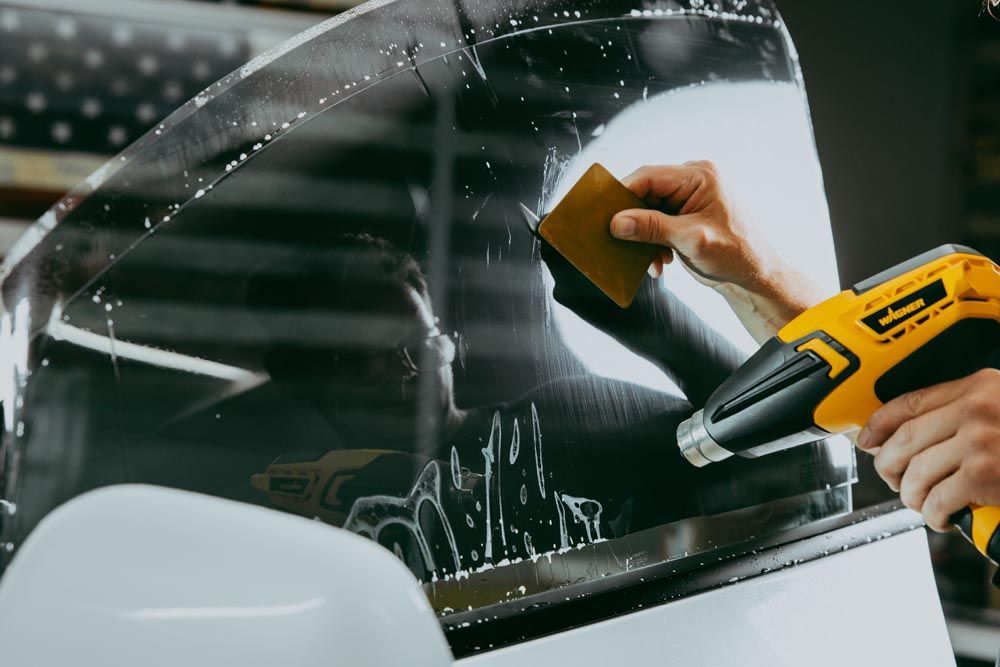
Vehicle window tinting is more than just a stylish addition to your car; it's a practical solution for a range of issues. At its core, window tinting involves applying a specialized film to the interior surfaces of your car’s windows. This thin layer plays a crucial role in enhancing your driving experience by providing several benefits, such as reducing heat retention, cutting down on glare, ensuring greater privacy, and offering protection against harmful UV rays.
One of the most notable benefits of window tinting is UV protection. Did you know that high-quality tints can block up to 99% of harmful ultraviolet rays? This helps prevent skin cancer and protects the car's interior from fading, extending the life of upholstery and dashboard components. If you've ever stepped into a parked car on a hot day, you're likely familiar with the discomfort caused by heat buildup. With the right tint applied, you can maintain a significantly cooler vehicle interior, making your drive much more comfortable even during scorching summer months.
Beyond mere comfort, studies show that vehicles with tinted windows have become increasingly popular due to their proven effectiveness. For example, many drivers report experiencing reduced glare by approximately 85%, making it easier to see during bright sunlight or when headlights shine into the car at night. This reduction in glare not only improves visibility but also contributes to safer driving conditions by lessening eye strain and distraction.
Types of Tinting Films
Knowing the different types of tinting films available is crucial for making an informed decision. Each type has its own unique advantages and disadvantages, and understanding these will help you select the option that best fits your needs and preferences.
- Dyed Films: Dyed films represent the entry-level choice when it comes to window tinting. As the name suggests, these films are created using dyes that give your windows a sleek, darkened appearance. While they are budget-friendly, they come with a downside: dyed films are less effective at blocking heat compared to other types. Over time, exposure to sunlight can lead these films to fade, which may detract from their initial aesthetics. If you're looking for a cost-effective solution simply for privacy or to enhance your vehicle’s look, dyed films might be adequate, yet you'll probably want to think about their longevity and heat resistance too.
- Metalized Films: Metalized films contain microscopic metallic particles, allowing them to reflect both heat and UV rays effectively. This reflective quality provides better insulation for your car’s interior, helping to keep it cool during hot days while protecting upholstery from fading. However, the use of metals means that these films can interfere with electronic signals, including cell phones and GPS devices. So while they excel in preventing heat ingress, you'll want to consider how much you rely on these technologies while driving.
- Ceramic Films: Often viewed as the premium choice in window tinting solutions, ceramic films provide exceptional heat and UV protection without interfering with electronic signals—a considerable benefit in our tech-heavy world. They utilize advanced ceramic nanotechnology that offers durable performance while maintaining clarity and visibility. Although they come at a premium price point, many users find that the investment pays off in terms of comfort and protection over time. For those looking for top-quality performance without technological limitations, ceramic films are indeed worth considering.
- Carbon Films: Carbon films present an excellent balance between cost and effectiveness. They boast good heat protection without the interference issues typical of metalized films, allowing you to enjoy both comfort and connectivity without trade-offs. Made from carbon particles rather than metallic ones, these films offer a sleek matte finish that resists fading over time while also providing UV protection. If you appreciate solid performance alongside aesthetic appeal at a reasonable price point, carbon films could be an ideal choice for your window tinting plans.
Understanding these four types of tinting films sets the groundwork for making an informed decision when it comes time to choose how you want to protect and enhance your vehicle's windows. With this information in mind, you’re now equipped to weigh your options effectively against your specific needs and expectations.
Factors Influencing Tinting Costs
Several essential elements come into play when considering how much you’ll spend on professional vehicle window tinting.
- Type of Film Used: At the forefront is the type of film used, which varies widely in price depending on its quality and features. For example, while a standard dyed film may be more affordable, opting for ceramic or metallic films, known for their superior heat rejection and durability, will indeed cost more.
- Number of Windows Being Tinted: The more windows you have tinted, the higher the overall cost will be since labor and materials are cumulative. So if you’re considering tinting all windows versus just the front ones, expect a noticeable difference in pricing.
- Vehicle Size and Model: Size matters; a compact car will generally cost less to tint than an SUV or a full-sized van because installation takes longer and requires more material for larger vehicles. If you own a unique or luxury model, it might also call for special handling that could add to your expenses.
- Geographical Location: Your location plays a critical role in determining costs. Urban areas with higher costs of living may charge more for services than small towns. Moreover, specific regions might have stricter regulations regarding window tinting, thus influencing pricing due to possible compliance factors.
- Installation Quality: Not all installations are created equal. Skilled technicians usually offer better-quality work that pays off in longevity. Investing in professional installation might cost more upfront but can save you money in the long run by reducing the need for repairs or replacements.
It is crucial to consider that these factors must all be interconnected in your planning process. Failing to account for one could lead to unexpected costs down the line. Understanding these nuances ensures that when it comes time to assess affordability, you're not just looking at sticker prices but gaining a complete picture of what influences those costs significantly.
Average Tinting Prices in Different Cities
The cost of professional vehicle window tinting can fluctuate widely based on city-specific factors like demand, competition, and local regulations. For instance, in major metropolitan areas or regions with high vehicle ownership rates, prices can be higher due to increased competition among tint shops vying for business. Conversely, smaller towns may have lower prices simply due to fewer options available.
It's also critical to recognize that these prices may include various factors such as the type of tinting film used, any additional services like removing old tint, and warranty offerings. High-quality materials understandably come at a premium, but investing in top-tier films often means longer durability and effectiveness. If you're set on getting your windows tinted, gather quotes from several companies within your locale. Don’t hesitate to ask what specific services their pricing includes so you can make an informed decision.
Cost vs. Durability: Choosing Wisely
When it comes to window tinting, many people may wonder if a higher price tag really means better quality. While paying more does not always guarantee superior results, there’s often a significant correlation between the two—especially when considering longevity and performance. Essentially, investing a bit more upfront can pay off in both durability and aesthetic appeal.
High vs. Low-End Films
The debate centers around high-end films compared to low-cost options. Premium products, like ceramic films, are engineered to provide optimal UV protection and heat rejection, significantly enhancing comfort inside the vehicle while also preserving interior materials from fading. They also boast remarkable longevity, lasting up to 10 years under normal conditions. This makes them an attractive option for those who prioritize quality and want to avoid the hassle of frequent replacements. On the other hand, budget options such as dyed films come with their own set of advantages. They can be ideal for drivers who seek a temporary solution or those who don't spend much time in their vehicles—and who may also desire a darker appearance. However, it's important to note that these films typically offer less protection from UV rays and may degrade within five years, necessitating earlier replacement.
Ultimately, the decision comes down to personal needs and preferences. If you plan on keeping your vehicle for many years or frequently use it in harsh sunlight, investing in high-quality tints can lead to greater satisfaction over time—less risk of bubbling or discoloration means consistent aesthetic appeal without recurring costs. Remember that every dollar spent today can translate into savings later on; it's about finding the balance between initial expense and long-term value. Evaluating your driving habits and intentions for your vehicle not only provides insight into which type of film is best suited for your lifestyle but also paves the way for understanding the multifaceted offerings related to maintenance and assurance of your investment.
Services and Warranties Offered
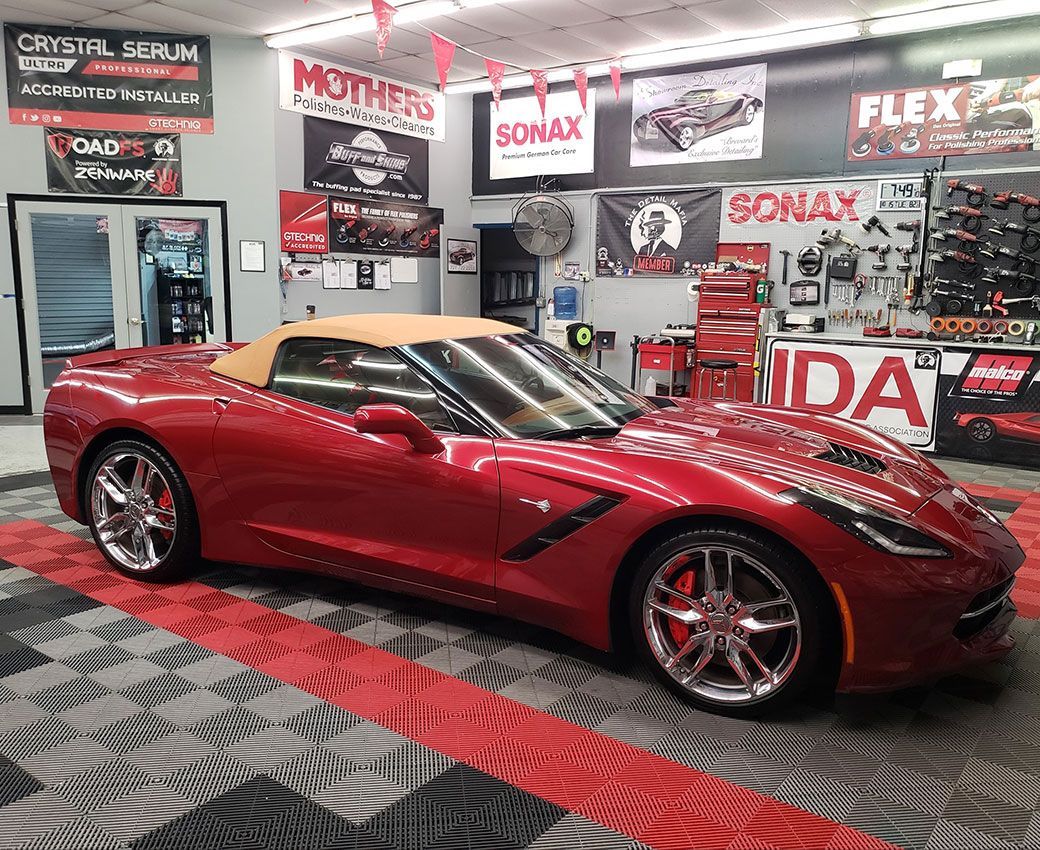
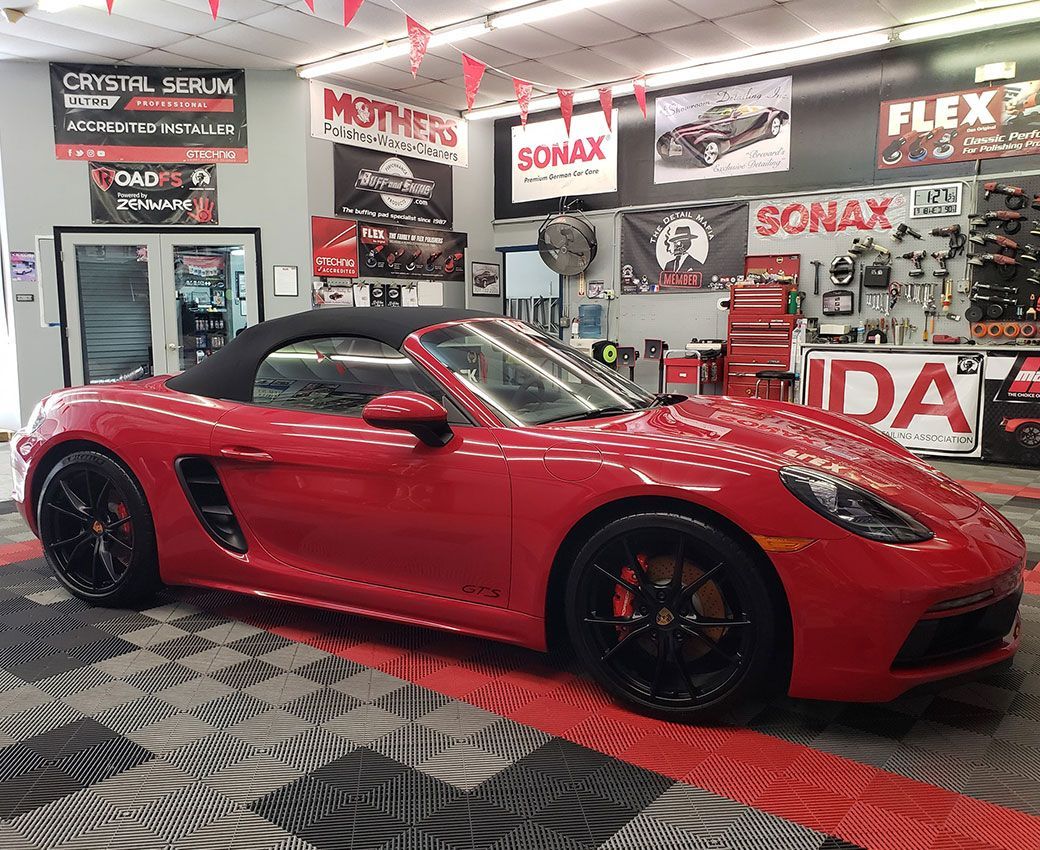
When considering vehicle window tinting, it’s crucial to pay attention not just to the initial cost but also to the services and warranties provided by different companies. The best providers often offer a range of comprehensive services that go beyond simply applying tint. A reputable shop should clearly outline their offerings and discuss any additional services you may need.
Extended Warranties
Extended warranties are another major aspect of vehicle window tinting that shouldn’t be overlooked. Look for providers who offer warranties that cover issues like cracking, peeling, and discoloration over an extended period. Some warranties might last as little as one year, while others could stretch up to a lifetime. Many satisfied customers often express how a reliable warranty provides them with peace of mind, safeguarding their investment against unexpected defects in the tint. Your vehicle windows endure various elements of weather, so having the assurance that this investment is protected makes all the difference.
Additional Services
In addition to extended warranties, some companies offer unique services that cater to specific customer needs. For example, higher-end products may come with lifetime warranties guaranteeing their durability. Inquire about routine maintenance suggestions that some providers offer after installation. Regular evaluations can help catch any potential issues early on, ensuring your tint lasts as long as possible while maintaining its aesthetic appeal.
As you navigate through different providers and options, keep these services and warranties in mind—they're key components that greatly contribute to the value of your investment in vehicle window tinting. Choosing a provider that delivers comprehensive services and robust warranties can enhance your experience and satisfaction with vehicle window tinting. Understanding these aspects will help you make an informed decision about protecting your investment.
Top Window Tinting Service in Melbourne, FL
Enhance your driving experience with JL’s Showroom Auto Salon’s
exceptional window tinting service in Melbourne, FL. Our expertly installed window tints provide superior heat rejection, UV protection, and added privacy, ensuring both comfort and style. Whether you're looking to reduce glare or protect your interior from sun damage, our high-performance window films are designed to meet your needs. Contact JL’s Showroom Auto Salon today to schedule your window tinting service and enjoy a cooler, safer ride. Call us at (321) 723-6976 to get started!