How PPF Performs on Matte and Gloss Paint Finishes: Differences and Durability Explained
Choosing the right paint protection for your vehicle can feel overwhelming, particularly when deciding between matte and gloss finishes. Paint Protection Film (PPF) has become the go-to solution for car owners who want to shield their vehicle from scratches, chips, and UV damage without compromising its appearance. However, not all films work the same way on every paint type, and applying the wrong product can diminish the very qualities that make your finish distinctive. Understanding how PPF performs on each finish helps you make a confident, informed choice for both style and long-term protection.
Paint Protection Film performs exceptionally well on both matte and gloss paint finishes, protecting against chips, scratches, and UV damage while preserving the vehicle's appearance. On gloss finishes, PPF enhances color depth with a high-gloss, self-healing surface that is easier to maintain. On matte finishes, PPF preserves the unique flat look but requires specialized matte-safe products, since polishing is not recommended.
Overview of Paint Protection Film (PPF)
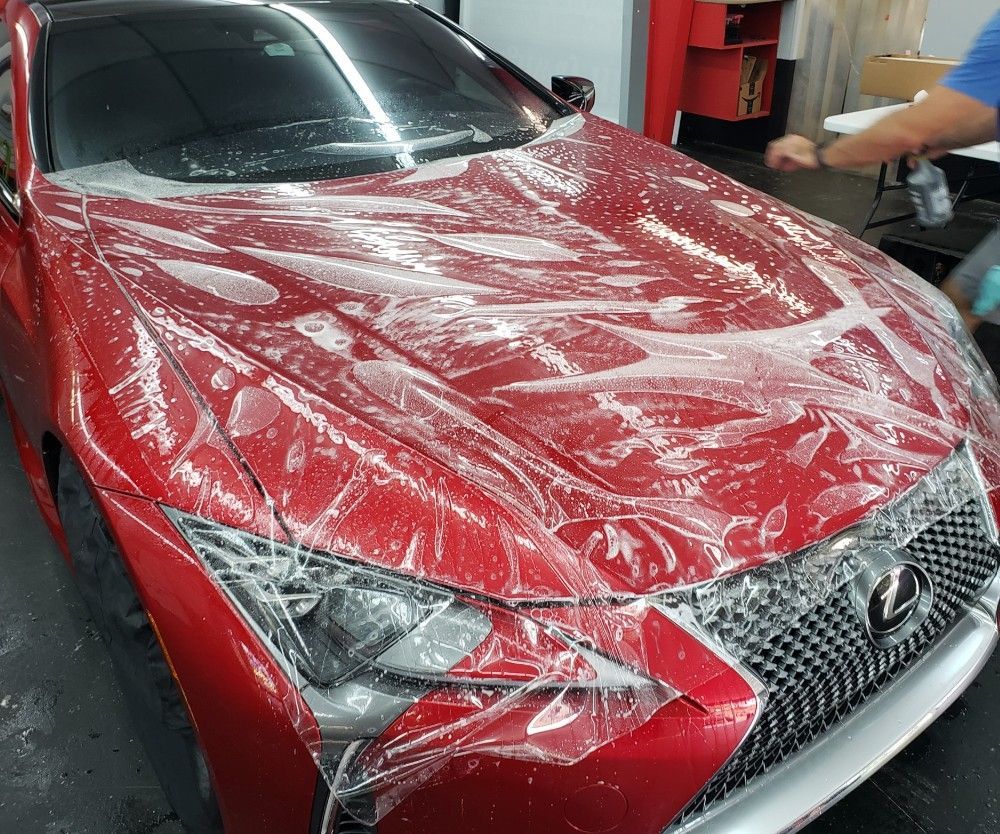
Paint Protection Film is a transparent, ultra-thin thermoplastic urethane (TPU) shield that wraps over your vehicle's exterior paint. Ranging from 6 to 8 mils in thickness (0.15 to 0.20 mm), it guards against rock chips, scratches, and UV fading while remaining virtually invisible. Industry-leading brands like Xpel, 3M, and SunTek enhance this TPU base with hydrophobic coatings that repel water and dirt, and UV-blocking properties that prevent fading or yellowing. A standout feature of modern PPF is self-healing: minor scratches disappear with gentle heat from sunlight or warm water.
PPF is available in three primary finish types. Gloss PPF preserves or enhances factory shine. Matte PPF, often called a stealth finish, transforms shiny paint into a flat, sophisticated look. Satin falls somewhere in between. The comparison table below outlines the key differences at a glance.
| Feature | Gloss PPF | Matte PPF |
|---|---|---|
| Appearance | High-gloss, mirror-like | Flat, non-reflective |
| Maintenance | Easier; resists dirt | Specialized cleaners; fingerprint-prone |
| Self-Healing | Yes, heat-activated | Yes, heat-activated |
| Hydrophobic Properties | Strong water/dirt repellency | Moderate repellency |
How PPF Affects the Look of Matte Paint Finishes
Matte-specific PPF is engineered to preserve 90 to 95 percent of the original surface texture, keeping that muted, velvety appearance without introducing unwanted gloss. Standard clear films can increase glossiness by 10 to 20 gloss units, which effectively clouds the matte aesthetic. Quality matte films also minimize color shifts, holding them well below 0.5 Delta E units, a level that is barely perceptible even to discerning eyes.
The main trade-off with matte PPF is heightened sensitivity to fingerprints and oil smudges, which show more readily on a non-reflective surface. Matte-safe cleaning products that avoid waxes or polishes designed for gloss finishes are essential. Wiping the film regularly with microfiber cloths and mild matte-formulated detergents prevents dirt from embedding in the film's microtexture and maintains both clarity and the flat appearance over time.
How PPF Enhances Gloss Paint Shine and Depth
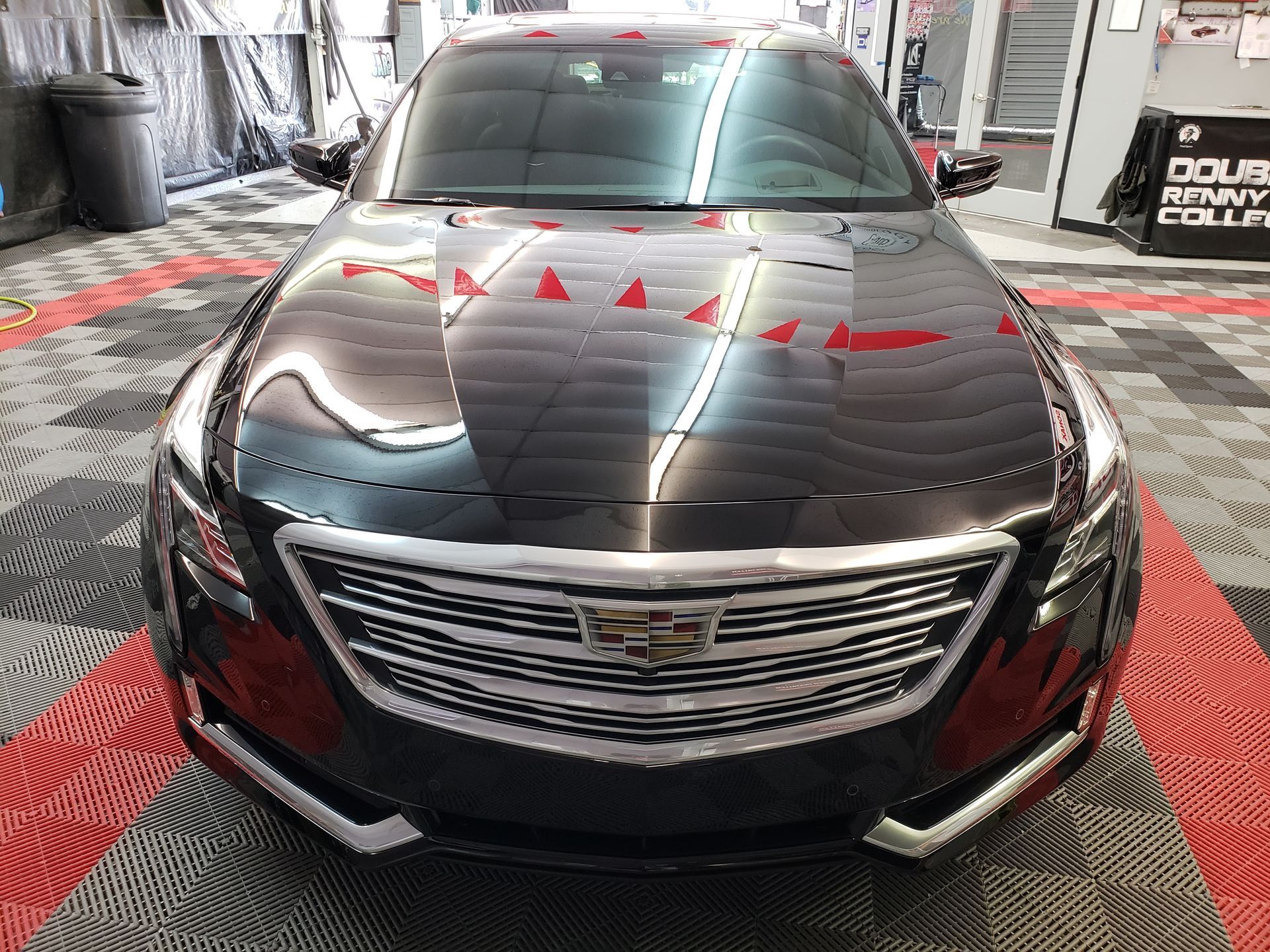
Applying PPF over a gloss finish does more than protect; it elevates the car's appearance. Premium gloss films intensify reflectivity, delivering deeper color saturation and a mirror-like quality that often surpasses the original factory finish. This happens because the film acts as an additional clear coat with a refractive index calibrated to match automotive paints, allowing light to pass through seamlessly. High-quality gloss PPF maintains optical clarity above 90%, ensuring true color representation without haze or distortion.
Integrated hydrophobic topcoats cause water to bead and roll off effortlessly, reducing spotting and simplifying routine washing. Self-healing technology further diminishes swirl marks and fine blemishes with heat activation, keeping the finish smooth and showroom-ready with minimal effort.
How Durable Is PPF on Matte Paint Surfaces?
Matte PPF provides meaningful protection, reducing scratch visibility by nearly 30% compared to bare paint. However, matte films have a softer hardness rating (around 2H) compared to gloss films (3H), making them more susceptible to micro-scratches from abrasive cleaning. The microtexture that creates the distinctive flat look also creates small crevices where contaminants like tar, bird droppings, and road grime can embed if not addressed promptly.
Owners of matte-finished vehicles should plan to clean the film every one to two weeks using pH-neutral soaps (pH 6 to 8), soft microfiber towels, and demineralized rinse water. Waxes, silicones, and automatic car washes with rough brushes should be avoided entirely. Many premium matte PPFs also include self-healing topcoats that use gentle heat to repair light surface scratches, extending the film's lifespan when combined with proper care.
Quick maintenance tips for matte PPF:
- Hand-wash with soft microfiber towels only.
- Rinse with demineralized water to prevent water spots.
- Dry immediately after washing to avoid watermarks.
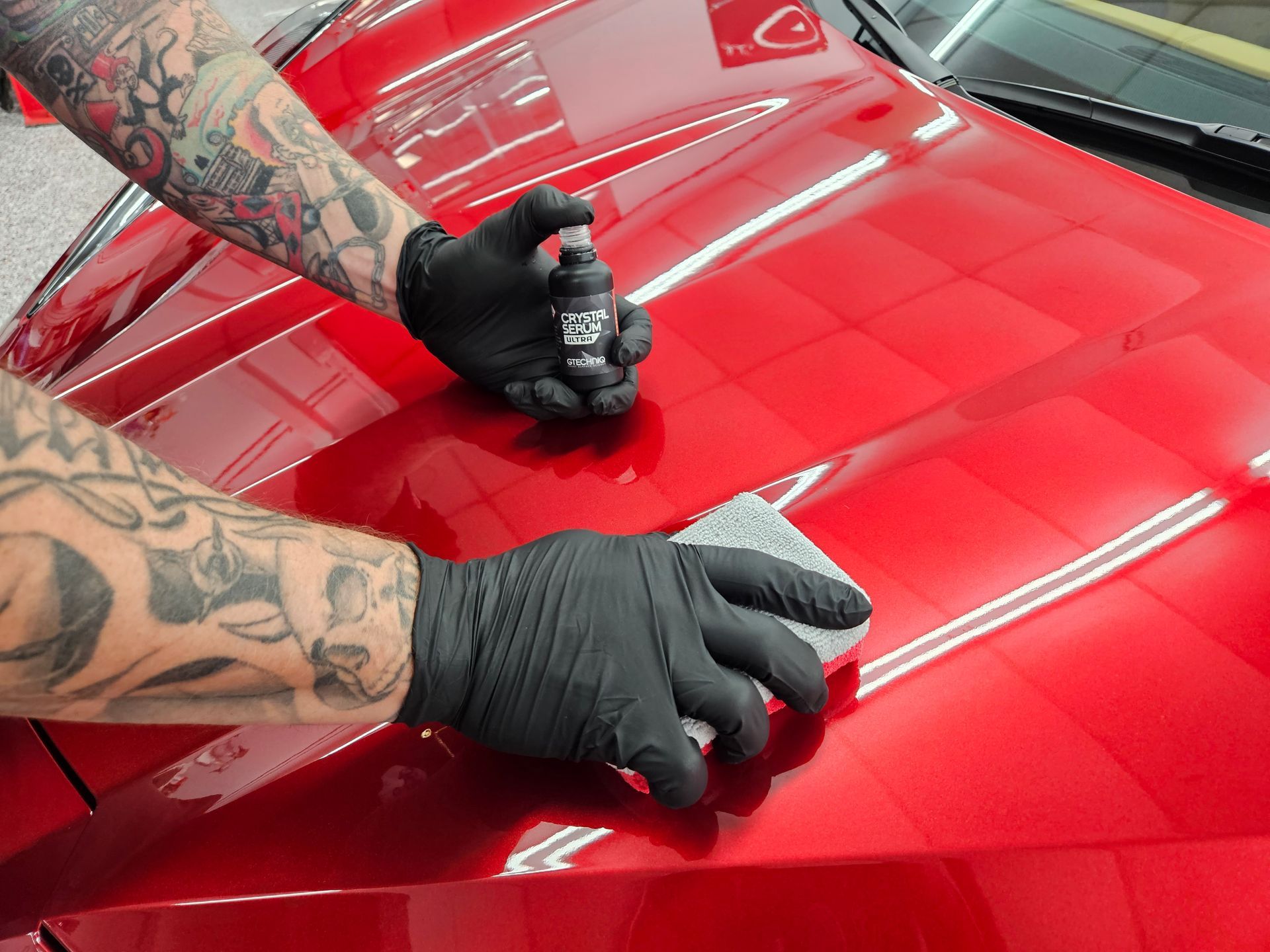
- Apply a matte-specific protective coating periodically for UV defense.
Gloss PPF Durability: Strength, Longevity, and Performance
Gloss PPF is built for resilience. Crafted from aliphatic TPU in the 7.5 to 8.5 mil range, it offers the flexibility to conform to tight curves while absorbing impacts from stone chips and road debris. Independent automotive testing has shown that vehicles protected with gloss PPF experienced approximately a 40% reduction in minor paint damage over three years compared to unprotected vehicles, translating directly into preserved resale value and extended aesthetic life.
Gloss surfaces also allow for better film adhesion, with studies suggesting PPF integrity is retained approximately 15% longer on gloss versus matte under comparable conditions. After installation, monitoring for edge silvering or adhesive yellowing in the first few weeks is recommended. Leading manufacturers back their films with warranties of up to 10 years, supported by advanced UV-resistant adhesive chemistry. Gentle, pH-neutral cleaning products and avoidance of harsh polishes will keep both the film and underlying paint in excellent condition for years. For those seeking maximum long-term value, gloss PPF represents one of the strongest combinations of protection, ease of maintenance, and resale value preservation available on the market today.
Protection Against Minor Scratches and Impacts
PPF's core value is its ability to absorb and disperse energy from everyday hazards such as rock chips, gravel, and minor abrasions before they reach the paint beneath. The TPU construction is flexible enough to stretch on impact and resilient enough to return to shape. Advanced self-healing technology, activated by sunlight or warm water, allows minor abrasions and swirl marks to disappear over time. This benefit applies equally to both matte and gloss films, though it is especially valuable for matte finishes that lack a traditional clear coat layer, making the PPF the primary line of defense against surface-level wear.
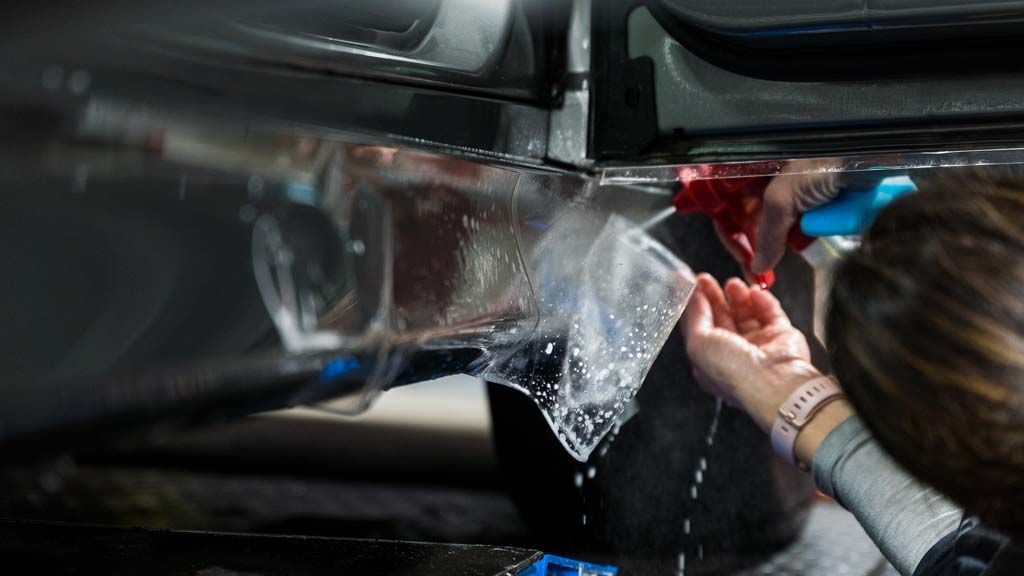
Professional installation is critical to maximizing these benefits. Improperly sealed edges or dirt trapped during application can undermine even a premium film's performance. This is why partnering with an experienced installer matters as much as choosing the right product.
Matte vs Gloss PPF: Real-World Performance and Key Differences
In practice, matte PPF suits owners who prioritize a consistent, understated aesthetic and are willing to invest in careful, regular cleaning. Gloss PPF suits drivers who want vibrant shine with lower day-to-day maintenance demands, though deeper scratches may occasionally require professional attention rather than simple at-home buffing. Both options, when installed correctly and maintained well, deliver a significant upgrade over leaving your paint unprotected.
Climate also plays a role. In humid coastal environments like Melbourne, FL, matte surfaces can be more prone to water spotting, making a disciplined cleaning routine even more important. When evaluating your options, consider these key factors:
• Film thickness: 7.5 to 8.5 mil TPU balances flexibility with impact protection.
• Finish compatibility: Matching the film type to your paint preserves aesthetics long-term.
• Self-healing properties: Heat-activated recovery keeps both matte and gloss surfaces looking their best.
• Maintenance commitment: Matte requires more frequent, specialized care than gloss.
• Installer expertise: Professional application prevents bubbles, edge lifts, and premature film failure.
Protect Your Matte or Gloss Finish the Right Way
Choosing the right Paint Protection Film is only part of the equation - expert installation makes all the difference. Whether your vehicle has a sleek matte finish or a deep gloss shine, the right film and precise application ensure long-lasting protection without compromising appearance.
At JL’s Showroom Auto Salon, we specialize in installing matte and gloss PPF with attention to every detail - from surface prep to seamless edge wrapping.
Call us at
(321) 723-6976 today or visit our contact page to
schedule a consultation or get a custom quote and expert guidance.
Frequently Asked Questions
Are specific types of PPF better suited for matte or gloss surfaces?
Yes. Matte finishes benefit from matte-specific PPF that preserves texture without adding shine, while gloss finishes perform best under high-gloss PPF that enhances depth and clarity. Matte PPF reduces surface glare by up to 30%, while gloss PPF boosts shine intensity by approximately 20%.
How does PPF durability compare on matte versus gloss finishes?
Gloss surfaces retain PPF integrity approximately 15% longer under harsh conditions due to better adhesion on smoother paint. Matte paints, being more porous and textured, can contribute to micro-lifting over time. Proper surface preparation and high-quality film selection minimize these differences significantly.
What installation challenges are unique to matte paint?
Matte paint requires ultra-precise film application. Over-stretching the film can create shiny spots, which occur in approximately 30% more cases on matte versus gloss surfaces. Gloss paint allows minor installation adjustments without visible impact on the finish, giving installers more margin to work with.
Does PPF require different maintenance for matte versus gloss finishes?
Yes. Matte finishes require pH-neutral cleaners and no waxing to preserve their texture. Research indicates that 85% of matte finish owners experience dulling when standard waxes are used. Gloss finishes can tolerate traditional waxes and sealants that enhance shine without affecting the film.
Does PPF affect the appearance of matte paint differently than gloss paint?
Yes. While PPF maintains the shine on gloss finishes, it can subtly affect the tactile feel and visual depth of matte finishes. Studies show up to a 15% difference in perceived texture smoothness after application on matte versus gloss surfaces, making expert film selection and professional installation essential for matte vehicle owners.